
Why Is Chefchaouen Blue? The Fascinating Story Behind Morocco's Blue City
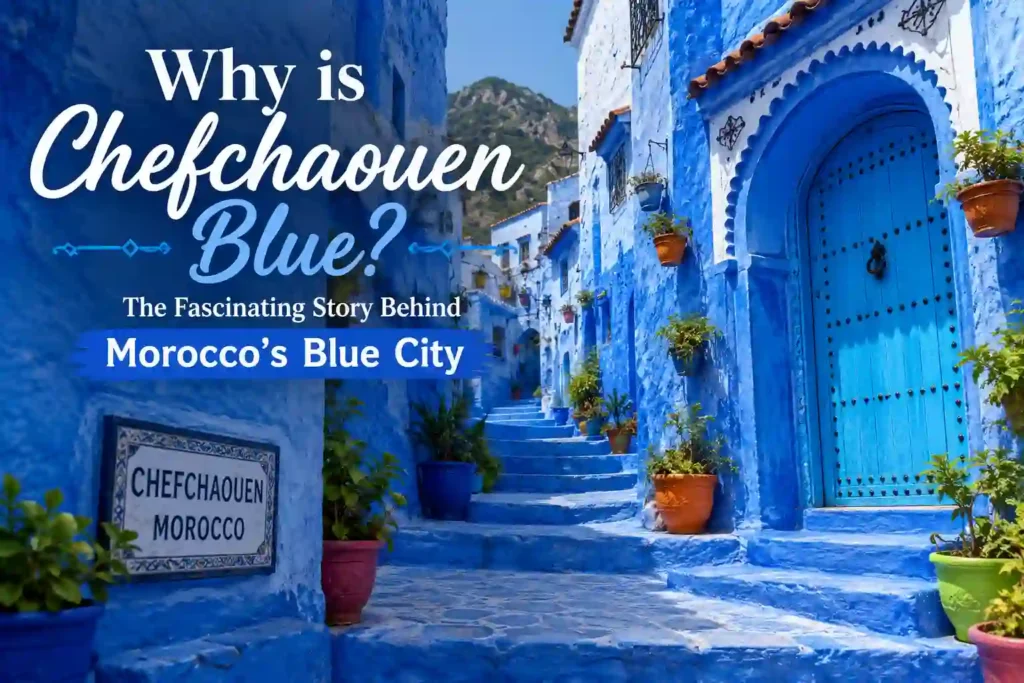
Have you ever found yourself scrolling through travel photos, mesmerized by a maze of endless blue, and wondering: why is Chefchaouen blue? Tucked away high in the dramatic peaks of the Rif Mountains, the captivating streets of this famous Morocco blue city have become a bucket-list destination for wanderers, photographers, and culture enthusiasts from every corner of the globe. As you step into the medina, you aren’t just walking through a town; you are stepping into a living, breathing work of art. But beyond the striking aesthetic, travelers often find themselves intrigued, asking, “why are the streets in Chefchaouen blue?“
The truth behind the pigment is as enchanting as the city’s atmosphere itself, rooted in a rich tapestry of Chefchaouen history that blends ancient traditions with modern mystery. In this comprehensive Chefchaouen travel guide, we will peel back the layers of the Blue City Morocco to uncover the legends, the cultural significance, and the practical reasons that have kept these walls painted in vibrant shades of azure for generations. Whether you are looking for the best things to do in Chefchaouen, seeking the perfect spot to capture your next masterpiece, or simply planning your first journey to visit Chefchaouen, this guide is your key to unlocking the secrets of Chefchaouen, Morocco. Join us as we explore the heritage and heart of one of the most unique and photogenic locations in the world.
Table of Contents: Why Is Chefchaouen Morocco Blue?
Where Is Chefchaouen?
Chefchaouen is strategically located in the mountainous region of northern Morocco, resting elegantly in the foothills of the majestic Rif Mountains. This secluded location is exactly what has helped the city preserve its unique character and quiet, contemplative atmosphere over the centuries.
Geographic Context: Unlike the vast plains surrounding other major Moroccan cities, Chefchaouen’s position in the mountains offers cool, crisp air and stunning panoramic vistas that change dramatically with the shifting light of the day.
Accessibility: While it feels like a hidden escape, it is quite accessible for travelers. Most visitors arrive via private taxi or bus services, commonly traveling from the coastal city of Tangier, a journey that takes approximately 2 to 3 hours through scenic winding roads, or from the historic, bustling imperial city of Fes, which is roughly a 4-hour drive away.
Why It Stands Out: Its geographic isolation has shielded it from the rapid modernization seen in larger urban centers, making it one of the most authentic and top tourist destinations in the country. The city’s unique blend of Andalusian-style architecture and the tranquil mountain environment creates a distinct sense of place that you simply cannot find anywhere else in the world.
The History Behind Chefchaouen's Blue Color
Many travelers arrive asking, “why are the streets in Chefchaouen blue?” but discover that there is no single, definitive answer. Instead, the city’s iconic hue is the result of a fascinating overlap of religious symbolism, survival instincts, and community tradition.
Jewish Heritage Theory: A widely held belief is that the blue-painting tradition was introduced by Jewish refugees who fled to the city during the 1930s. For them, the blue color was highly significant, as it represented the sky and heaven, serving as a constant reminder of the divine.
Keeping Homes Cool: From a practical standpoint, the blue pigment is incredibly effective at reflecting sunlight. By painting their homes in shades of azure, the local residents found a natural and effective way to keep their living spaces cool and comfortable, even during the peak intensity of the scorching Moroccan summers.
Repelling Mosquitoes: Another popular local theory suggests that the specific shade of blue used in the medina helps to repel insects, particularly mosquitoes. This provided a functional benefit that improved the quality of life for families living within the dense, walled city.
A Tradition Passed Through Generations: Regardless of the specific origin, the practice has become deeply ingrained in the city’s identity. Residents continue to maintain this tradition today, repainting their walls with pride to ensure that Chefchaouen, Morocco, remains the world-famous Blue City Morocco that visitors from every corner of the globe travel to see.
When Did Chefchaouen Become Blue?
While the city of Chefchaouen was originally founded in 1471 as a fortress to defend against invaders, its transformation into the world-famous “Blue Pearl” was not an overnight process.
Historical Timeline: For centuries, the city maintained a more traditional, earth-toned appearance common to many mountain towns in the region. The widespread shift toward the vibrant blue shades we see today is a relatively modern evolution, with much of the transformation occurring throughout the 20th century.
How the Tradition Evolved: Initially, the blue paint was applied sparingly, perhaps on doors or lower sections of walls. Over time, as more residents saw the aesthetic and practical benefits, the practice spread from street to street, eventually covering the entire medina in a tapestry of indigo, azure, and powder blue.
Modern Preservation Efforts: Today, the blue color is not just a habit; it is a point of immense local pride. The local government, along with dedicated community members, works consistently to preserve the city’s unique identity. Regular maintenance and repainting efforts ensure that when you decide to visit Chefchaouen, the city looks as surreal and captivating as it does in travel magazines. This commitment to preservation has successfully cemented the status of Chefchaouen, Morocco as the undisputed Blue City of Morocco.
What Makes Chefchaouen So Special?
Beyond the viral photos on social media, Chefchaouen, Morocco, offers an atmosphere that is difficult to replicate anywhere else. It is a place where time seems to slow down, and every corner holds a new discovery.
Blue Streets: Walking through the medina is like wandering through a surreal painting where shades of blue harmonize with the clear mountain sky.
Peaceful Atmosphere: Unlike the frantic pace of larger Moroccan metropolises, the Blue City Morocco offers a calm, meditative environment that encourages slow travel.
Mountain Scenery: The city is dramatically framed by the rugged peaks of the Rif Mountains, providing breathtaking vistas that serve as a perfect backdrop for the blue-washed walls.
Friendly Locals: There is a genuine, warm hospitality here; the community takes immense pride in their city, and this welcoming spirit is felt by every traveler who comes to visit Chefchaouen.
Traditional Architecture: The town beautifully preserves its Andalusian-style architecture, featuring tiled roofs, ornate doorways, and intricately decorated courtyards that blend perfectly with the blue aesthetic.
Best Things to Do in Chefchaouen
Whether you are a photography enthusiast, a history lover, or someone simply looking to unwind, there are plenty of things to do in Chefchaouen to fill your itinerary with unforgettable memories. Here are the must-see highlights for your Chefchaouen travel guide:
Wander the Blue Medina: The best way to experience the city is by getting lost in its narrow, winding alleys. Every turn offers a new perspective of the blue-washed walls, hidden archways, and vibrant local life that define the Chefchaouen blue city experience.
Visit Plaza Uta el-Hammam: This is the vibrant heart of the city. Surrounded by cafes and restaurants, it is the perfect spot to sit back, enjoy a glass of traditional mint tea, and people-watch while soaking in the unique mountain atmosphere.
Explore the Kasbah Museum: Built in the 15th century, this historic fortress provides a fascinating insight into Chefchaouen’s history. You can wander through its lush gardens, visit the small museum filled with local artifacts, and climb the tower for a beautiful vantage point over the medina.
Hike to the Spanish Mosque: For the most breathtaking view of the city, take the short, moderate hike to the Spanish Mosque located on a hill overlooking the valley. It is particularly popular at sunset, when the entire city glows under the changing colors of the sky.
Shop for Handmade Crafts: The city is famous for its artisans. Keep an eye out for hand-woven blankets, wool garments, and traditional pottery. These items are unique to the Rif region and make for authentic souvenirs to bring back home.
Try Traditional Moroccan Food: Don’t leave without tasting local specialties. From hearty tagines to fresh mountain bread, the culinary scene here is a delicious reflection of the local culture and fresh, seasonal ingredients.
Best Places to Take Photos
If you are looking to capture the essence of the Blue City Morocco, you are in luck. The entire city is a visual masterpiece, but certain spots offer that perfect shot for your travel collection.
Blue Alleys: The most iconic photos are often found in the quiet, narrow alleys of the medina where the different shades of blue, from sky to deep indigo, create a stunning contrast.
Colorful Staircases: Look for the famous blue-painted staircases decorated with vibrant flower pots or colorful rugs, which add a perfect pop of contrast against the monochromatic walls.
Flower-Filled Streets: Many of the doorways in the medina are adorned with lush, hanging plants and flowers that break up the blue hues, providing a beautiful, natural frame for your portraits.
Rooftop Viewpoints: Many riads and cafes offer rooftop terraces that provide an elevated view of the sprawling blue medina, which is particularly beautiful during the “golden hour” when the sunlight softens.
Sunset at the Spanish Mosque: For a truly grand landscape shot, head up to the Spanish Mosque at sunset; the panoramic view allows you to capture the entire city as it glows against the rugged backdrop of the Rif Mountains.
Best Time to Visit Chefchaouen
Choosing the right time to visit Chefchaouen can significantly enhance your experience, as the mountain climate offers distinct changes throughout the seasons.
Spring (March to May): This is widely considered the best time to visit. The weather is mild and pleasant, and the Rif Mountains are lush and green, creating a beautiful contrast against the blue walls of the city.
Autumn (September to November): Like spring, autumn offers comfortable temperatures that are perfect for walking the steep streets and hiking the surrounding mountain trails.
Summer (June to August): The city is bright and vibrant, making it ideal for photography. However, it can get quite warm during the peak of the day, so it is best to plan outdoor activities for the early morning or late afternoon.
Winter (December to February): This is the quietest season, offering a more peaceful and authentic experience with fewer crowds. While the nights are chilly, the daytime is often crisp and clear, making it a great time for travelers who prefer a serene atmosphere.
Travel Tips for Visiting Chefchaouen
To ensure your journey through the Chefchaouen blue city is as smooth as it is memorable, keep these practical tips in mind:
Wear Comfortable Shoes: The streets of the medina are steep, cobblestoned, and uneven, so sturdy walking shoes are essential for exploring the Blue City, Morocco, comfortably.
Visit Early Morning: To avoid the midday crowds and capture the best lighting for your photos, head out into the medina early in the morning when the streets are quiet and peaceful.
Respect Residents’ Privacy: Remember that you are walking through a living city where people reside; always ask for permission before taking photographs of locals or peering into private doorways.
Carry Cash: While some establishments accept cards, many small artisan shops and cafes in the medina operate on a cash-only basis, so it is wise to keep small bills handy.
Stay Overnight: While a day trip is possible, staying overnight allows you to experience the true magic of the city when the day-tourists leave and the evening atmosphere becomes exceptionally serene.
Shop for Authentic Treasures in the Medina
Beyond its visual beauty, the Chefchaouen blue city is a sanctuary for traditional Moroccan craftsmanship. Shopping here is not just about buying souvenirs; it is about connecting with centuries-old techniques that have been passed down through generations of skilled artisans.
Hand-Woven Textiles: You will find exquisite hand-woven blankets and wool garments that are unique to the Rif region. These textiles often feature vibrant colors and intricate patterns that reflect the local mountain culture.
Leather Goods: The city is renowned for its high-quality leather workshops. From handmade bags to traditional babouche slippers, you can find durable and stylish items crafted right in the heart of the medina.
Natural Skincare: Look for the famous locally produced olive oil soaps and natural argan oil products. These organic items are cherished for their purity and are a staple of Moroccan beauty rituals.
Supporting Local Artisans: When you shop in the smaller, hidden stalls of the Blue City, Morocco, you are directly supporting the local families who sustain the city’s heritage. It is a rewarding experience to see the artisans at work and bring home a piece of authentic craftsmanship that carries the story of the Rif Mountains with it.
Frequently Asked Questions
Is Chefchaouen completely blue?
While the historic medina is famously painted in various shades of blue, the residential areas beyond the old city walls feature more traditional Moroccan colors, such as white and earth tones.
Why do people paint the walls blue?
There is no single reason; it is a blend of cultural traditions, with theories ranging from the Jewish belief that blue symbolizes the sky and heaven, to the practical benefits of keeping homes cool and repelling insects during the hot summer months.
Is Chefchaouen worth visiting?
Absolutely; as a unique destination in North Africa, it offers a serene, photogenic, and culturally rich experience that stands in contrast to the busier hubs of Marrakech or Casablanca.
How many days should I spend in Chefchaouen?
Most travelers find that 1 to 2 days is the ideal amount of time to explore the medina at a relaxed pace, hike to the Spanish Mosque, and soak in the peaceful mountain atmosphere.
Can you walk everywhere in Chefchaouen?
Yes, the medina is almost entirely pedestrian-only, making it perfect for walking; however, be prepared for steep, uneven cobblestone streets that are part of the city’s charming, rugged mountain landscape.
Is there a specific dress code for visitors?
While Chefchaouen is welcoming to tourists, it is a conservative mountain town. Dressing modestly, keeping shoulders and knees covered, is a respectful way to interact with the local culture.
Can I take photos of the locals?
It is important to respect the privacy of the residents. Always ask for permission before taking a photo of a person. Many locals are happy to pose if you approach them with a friendly smile and a polite request.
Is Chefchaouen suitable for families with children?
Yes, it is a very family-friendly destination. The relaxed pace and open squares make it safer and less overwhelming than larger Moroccan cities, though the steep streets can be challenging for strollers.
Are there ATMs in the medina?
Yes, there are several ATMs located near the main entrance of the medina and around Plaza Uta el-Hammam. However, it is always a good idea to have some cash on hand before arriving in the mountains.
Conclusion: Taste the Essence of the Moroccan Desert
Chefchaouen’s blue streets are far more than just a backdrop for the perfect travel photo; they reflect a rich tapestry of history, resilience, and a deep-rooted local tradition that has been preserved for generations. From the moment you arrive and breathe in the crisp air of the Rif Mountains, you realize why this Blue City Morocco, has become an unforgettable, world-renowned destination.
Whether you are here to uncover the mysteries of Chefchaouen’s history, lose yourself in the labyrinthine alleys of the medina, or simply enjoy a quiet moment of reflection with a glass of mint tea overlooking the mountains, Chefchaouen promises an experience that is both soul-soothing and visually stunning.
As you plan your journey, remember that the true beauty of this town lies in its slow, rhythmic pace. We hope this Chefchaouen travel guide has inspired you to explore beyond the surface and connect with the heart of this magical place. Chefchaouen, Morocco, is waiting to share its secrets with you, are you ready to start your adventure?

I’m Lahcen Saadi from the Exploring Morocco Trips team. We are local guides dedicated to crafting authentic and exceptional Moroccan experiences.
Whether you are planning your first trip to Morocco and need expert advice, or you are a travel professional looking to collaborate on unique itineraries, we are ready to help.
- 2 Days Desert tours From Marrakech
- 3 Days Desert tour From Marrakech to Merzouga
- 3 Days Desert tour From Marrakech to Fes
- 4 Days Desert tour From Marrakech to Merzouga
- 4 Days Desert tour From Marrakech to Fes
- 5 Days Desert tour From Marrakech to Merzouga
- 5 Days Desert tour From Marrakech to Fes
- 6 Days Desert tour From Marrakech to Casablanca
- 7 Days Morocco tour from Marrakech
- 8 Days Morocco tour from Marrakech
- 8 Days Morocco tour from Marrakech with Imperial Cities
- 9 Days Morocco tour from Marrakech
- 10 Days Morocco tour from Marrakech
- 12 Days Morocco tour from Marrakech
- 14 Days Morocco tour from Marrakech
- 2 Days Desert tour From Fes to Merzouga
- 2 Days Desert tour From Fes to Marrakech
- 3 Days Desert tour From Fes to Merzouga
- 3 Days Desert tour From Fes to Marrakech
- 4 Days Desert tour From Fes to Marrakech
- 5 Days Desert tour From Fes to Marrakech
- 6 Days Desert tour From Fes to Marrakech
- 7 Days Morocco tour from Fes
- 4 Days Morocco tour from Casablanca
- 5 Days Morocco tour from Casablanca
- 6 Days Morocco tour from Casablanca
- 7 Days Morocco tour from Casablanca
- 8 Days Morocco tour from Casablanca
- 9 Days Morocco tour from Casablanca
- 10 Days Morocco tour from Casablanca
- 11 Days Morocco tour from Casablanca
- 12 Days Morocco tour from Casablanca
- 14 Days Morocco tour from Casablanca