
Is Casablanca Safe at Night? A Realistic Guide for Travelers
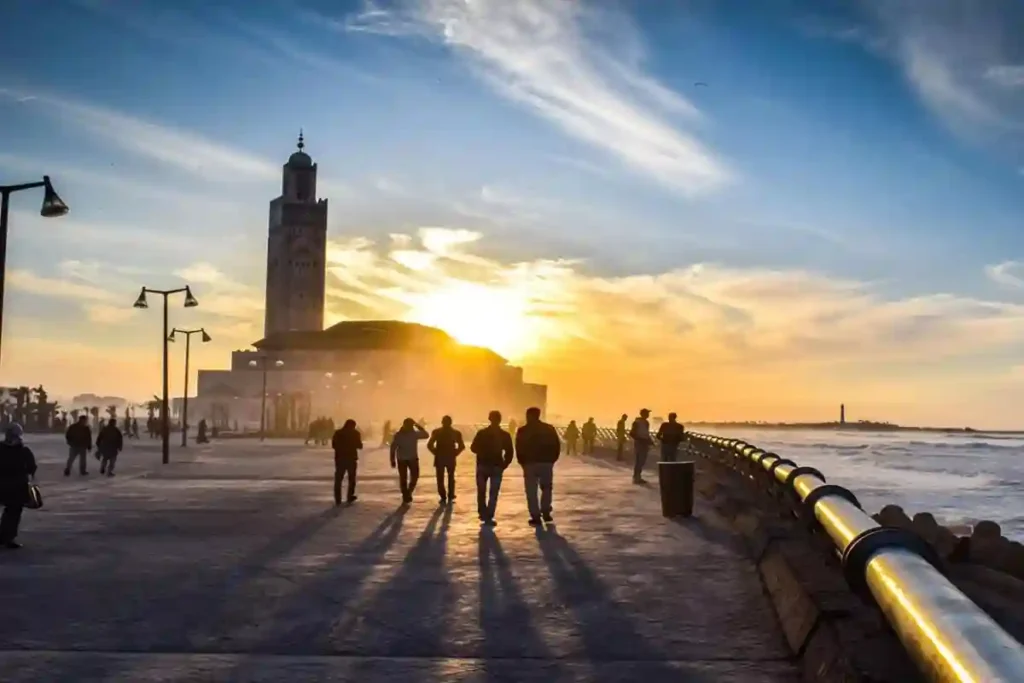
If you are currently mapping out an adventure through North Africa, you have likely found yourself wondering: Is Casablanca safe at night? It is a valid question. As Morocco’s largest economic heartbeat, this sprawling coastal destination feels entirely different from the quiet, slower-paced towns found elsewhere in the country.
Instead of ancient ruins, you are greeted by massive traffic avenues, towering modern business centers, and a fast-moving population. Because of this distinct cosmopolitan energy, understanding the local nighttime safety dynamics is essential before you head out after sunset.
Table of Contents: Casablanca Safety
What the Reality Looks Like After Dark
The actual truth about safety tips for tourists in Casablanca is that the city is generally secure, but it demands standard big-city awareness. When you look closely at urban crime rates, violent offenses targeting international visitors are remarkably rare. The Moroccan government places an incredibly high priority on protecting its travel industry, meaning popular districts are heavily monitored by local authorities.
However, because this is a massive commercial hub of over three million residents, the real issue you need to watch out for is petty theft. Opportunistic crimes like pickpocketing, purse snatching, or quick phone grabs can happen, especially in crowded evening spots or dark, unlit corners.
Navigating the Streets and Transport After Sunset
To enjoy the local culture comfortably when the sun goes down, you have to be intentional about how you move around. While using public transport like the modern overground tram is fantastic and safe during peak daylight hours, it can get overly crowded or quiet late at night, making it a playground for pickpockets.
Once darkness falls, the smartest move is to skip the long walks down unfamiliar side streets and rely on official transport instead. Sticking to well-lit main boulevards and hopping into registered red petit taxis or using trusted ride-hailing mobile apps ensures you can move between restaurants, historic landmarks, and your accommodation without any unnecessary stress.
The Safest Areas to Explore in Casablanca at Night
Not all neighborhoods in this massive metropolis are created equal when the sun goes down. To ensure a smooth evening, your safety largely depends on exactly where you choose to spend your time. Some districts are highly secure, vibrant, and well-lit, making them perfect for an evening stroll or a nice dinner.
Gauthier and Maarif (Modern and Trendy)
If you are looking for the absolute safest places to be after dark, Gauthier and Maarif are excellent choices. These are upscale, modern commercial and residential zones where the local middle and upper class live, work, and socialize. Here, the streets are clean, well-lit, and constantly bustling with people visiting high-end cafes, international restaurants, and boutique shops. Because of the heavy footprint of private security and a constant flow of foot traffic, the risk of experiencing any street issues here is incredibly low.
La Corniche in Ain Diab (The Coastal Strip)
La Corniche is Casablanca’s famous beachside boardwalk. At night, it transforms into a major hub for nightlife, featuring oceanfront restaurants, cinema complexes, and trendy cafes. During summer evenings and weekends, it is packed with families and tourists enjoying the cool Atlantic breeze. While it is heavily policed and generally very safe, the high density of crowds means you should keep a close eye on your pockets and bags to avoid opportunistic petty theft.
Areas Where You Should Exercise Extra Caution
While the modern districts offer a relaxed environment, other parts of Casablanca change character significantly once darkness falls, requiring a lot more vigilance.
The Old Medina After Dark
During the day, the Old Medina is a fascinating, historic maze of traditional shops and markets. However, unlike the lively medinas of other Moroccan cities, Casablanca’s Old Medina empties out quickly after business hours. By night, the narrow, winding alleys become dark, quiet, and isolated. Walking alone at night through these empty corridors is not recommended, as the lack of lighting and open shops makes it much easier to get lost or targeted by opportunistic pickpockets. If your accommodation is inside, it is best to take a taxi directly to the nearest main gate.
Derb Sultan and Industrial Zones
Neighborhoods like Derb Sultan, as well as areas surrounding the main train stations (like Casa Port or Casa Voyageurs) late at night, require a high level of awareness. These spots can attract scammers and individuals looking to exploit distracted tourists. While you don’t need to live in fear, these are places where you should avoid flashing expensive smartphones, wearing flashy jewelry, or wandering around aimlessly. Understanding these local boundaries is one of the most practical safety tips for tourists you can follow.
Practical Nighttime Safety Tips for Travelers
Staying secure in Casablanca after the sun goes down comes down to preparation and understanding how the city moves. By adopting a few smart habits, you can easily minimize risks and focus on enjoying the city’s unique evening energy.

Smart Transportation After Dark
When it comes to local transport at night, your best strategy is to be proactive. Instead of standing on a dark street corner trying to flag down a random taxi, utilize modern technology. Ride-hailing applications (like Careem, Heetch, or InDrive) are highly active in Casablanca and offer a fantastic layer of security. They track your journey via GPS and provide a fixed price, completely removing the stress of overcharging or dealing with unmetered drivers late at night. If you must use a traditional red petit taxi, always ensure the driver turns on the meter (compteur) before the car starts moving.
Advice for Solo Female Travelers
For solo female travelers, navigating Casablanca at night requires a blend of confidence and cultural awareness. While the city is modern, traditional cultural norms still lean conservative. Catcalling or persistent verbal attention can happen, particularly in crowded areas or near transit hubs. To minimize unwanted stares, dressing relatively modestly, covering shoulders and knees, is a simple way to blend in. When heading out for a late dinner or an evening walk, sticking to heavily populated, upscale avenues like those in Gauthier or the Corniche is the smartest approach. If a situation ever feels uncomfortable, stepping into a well-lit hotel lobby or a busy cafe is a quick way to find a safe space.
Avoiding Scams and Protecting Your Belongings
Most negative experiences tourists encounter in the evening are not violent; instead, they involve clever tricks designed to separate you from your money.
Outsmarting Common Street Scams
Awareness is your best defense when avoiding scams. One frequent evening occurrence involves “friendly strangers” who approach you near tourist landmarks like the Hassan II Mosque, offering to show you a “secret viewpoint” or a local market that is supposedly only open tonight. These are almost always unofficial guides who will demand a high fee once they lead you into an isolated alley. A polite but firm “No, thank you” (or “La, shukran” in Arabic) while continuing to walk is usually more than enough to deter them.
Securing Your Valuables
Because opportunistic theft relies on distraction, managing your gear is essential. Avoid walking down the street with your smartphone held loosely in your hand while looking at maps, as scooter-borne bag snatchers occasionally target distracted pedestrians. Instead, use a secure crossbody bag zipped tightly across your front, leave your passports and extra cash in your hotel safe, and only carry what you need for the evening.

Is Casablanca Safe for a Solo Female Traveler?
When you are planning on traveling solo as a woman, Casablanca is a destination that requires a clear understanding of local dynamics. It is absolutely possible to have an incredible, empowering trip here by yourself, but the experience is distinctly different from traveling through Western Europe or Southeast Asia. Understanding what to expect helps you move through the city with confidence rather than anxiety.
Understanding Street Harassment and Attention
The most common challenge women face when exploring Casablanca alone is persistent attention, often in the form of catcalling, staring, or overenthusiastic flirting. It is important to know that while this behavior is frustrating and annoying, it rarely escalates into physical danger or violent crime, which remains very low across the city’s tourist areas.
The best way of handling street harassment is to adopt the local approach: completely ignore it. Making eye contact, arguing, or responding to unwanted comments often encourages the person to keep talking. Wearing sunglasses, putting in headphones (even with no music playing), and walking with a clear, determined purpose are highly effective ways to create a personal boundary and signal that you are not interested in interacting.
Navigating Cultural Expectations and Dress Code
Casablanca is a fascinating mix of modern corporate life and traditional values. While you will see local Moroccan women wearing everything from business suits and trendy Western clothing to traditional djellabas, visitors generally experience a smoother trip when aligning slightly with local cultural expectations.
Dressing modestly is a practical tool for minimizing unsolicited attention. Opting for loose-fitting clothing that covers your shoulders and extends past your knees helps you blend into the background of a busy street. It is not about strict rules, but rather about creating a comfortable shield as you navigate daily life in a patriarchal urban environment.
Smart Strategies for Independent Women in the City
To make your solo journey seamless, prioritizing how you manage your logistics and social interactions will make a massive difference.
Selecting Safe Accommodations and Neighborhoods
Your safety baseline starts with where you book your stay. When traveling alone, it is worth spending a little extra budget to secure safe accommodations in premier modern districts like Gauthier, Maarif, or Anfa. Look for boutique hotels or highly reviewed guesthouses that feature 24/7 front desk security. Before booking, check recent reviews specifically written by other solo female travelers to ensure the immediate street outside the property feels welcoming, well-lit, and easy to access by taxi at any hour.
Navigating Social Spaces Safely
Moroccan cities have a vibrant café culture, but traditionally, many local neighborhood cafes are male-dominated spaces where men gather to socialize and watch sports. As a solo female traveler, walking into one of these local spots might result in an uncomfortable amount of staring.
Instead, look for modern, international cafes, hotel lounges, or trendy eateries in upscale neighborhoods. These navigating social spaces are mixed, highly progressive, and offer a relaxed atmosphere where you can comfortably sit with your laptop or a book without feeling out of place.
What to Do If You Feel Unsafe: An Action Plan
Even with the best preparation, there might be a moment during your evening where your instincts tell you something is wrong. Knowing exactly how to react ahead of time removes panic and allows you to regain control of your surroundings immediately.
De-escalating Uncomfortable Situations on the Street
If you realize someone is following you or making you feel deeply uncomfortable, do not try to walk back to your accommodation if it is on a quiet street. Instead, pivot immediately toward a public space. Look for an upscale international hotel lobby, a brightly lit 24-hour convenience store, or a bustling café.
Step inside, sit down, and confidently approach the staff or security personnel. You can simply state that someone is making you uncomfortable outside. In Moroccan culture, hospitality and protecting guests are deeply rooted; locals and business owners will almost always step in to assist you, hail a safe ride for you, or ask the person to leave.
Staying Connected and Prepared Digital-First
One of the most powerful tools for handling unexpected situations is your smartphone, provided it is properly set up. Before you leave your accommodation for dinner, ensure your phone is fully charged and you have an active internet connection. Buying a affordable local eSIM or physical SIM card at the airport ensures you have data wherever you go.
Share your live WhatsApp location with a trusted friend or family member before heading out for the night. Additionally, keep the digital and physical address of your hotel saved in both French and Arabic on your phone so you can easily show it to a driver even if you experience a language barrier.
Essential Emergency Resources and Contacts
When minor precautions are not enough, you need direct access to official support systems. Keeping these details bookmarked can save critical time.
Official Emergency Contacts in Morocco
If you need to contact local authorities directly while inside Casablanca, you should use the official national numbers. Do not try to dial western emergency numbers like 911, as they do not function here. Instead, save these numbers directly into your contacts list:
National Police (Urban Areas): Dial 19 from a landline or 112 from a mobile phone.
Ambulance and Medical Emergencies: Dial 15.
Civil Protection (Fire Department): Dial 150.
When calling, keep in mind that the operators generally speak Arabic and French. If you are struggling to communicate, asking a local bilingual hotel receptionist or waiter to speak to the dispatcher on your behalf is a highly effective workaround.
Securing Your Trip with Travel Insurance
No matter how safe a city is, unexpected medical issues, sudden trip cancellations, or stolen gear can happen anywhere. Investing in a comprehensive travel insurance policy before your departure is non-negotiable.
Ensure your policy specifically covers electronic theft if you travel with a high-end smartphone or camera equipment, and keep a digital copy of your policy number and emergency medical hotline stored in your cloud storage. If a theft does occur at night, you will need to visit the nearest neighborhood police station (Commissariat de Police) the following morning to file a formal report for your insurance claim.

Final Thoughts: Balancing Caution with Exploration
So, is Casablanca safe at night? Ultimately, the answer comes down to situational awareness and making informed choices. Casablanca is not a city that you need to fear, but it is one that you must respect. While it does not have the fairytale ambiance of some other Moroccan destinations, it offers an authentic, high-energy glimpse into modern North African life that is well worth experiencing.
By staying in well-monitored, modern neighborhoods like Gauthier or Maarif, using ride-hailing apps instead of walking down dark side streets, and keeping your valuables secure from opportunistic pickpockets, you can easily minimize the standard risks that come with any major global city.
Ready to Plan Your Evening?
When you apply these practical final travel tips, you can confidently step out after sunset to enjoy world-class coastal dining along La Corniche or admire the beautifully illuminated architecture of the Hassan II Mosque. Approach your nights in Casablanca with the same street smarts you would use in New York, Paris, or London. With the right preparation, visiting Morocco and exploring its economic capital after dark can be a safe, memorable, and vibrant part of your travel story.

Your Local Experts
I’m Lahcen Saadi from the Exploring Morocco Trips team. We are local guides dedicated to crafting authentic and exceptional Moroccan experiences.
Whether you are planning your first trip to Morocco and need expert advice, or you are a travel professional looking to collaborate on unique itineraries, we are ready to help.
Plan Your Trip: Click any destination to see more
Best Morocco tours
- 3 Days Desert tour From Marrakech to Merzouga
- 3 Days Desert tour From Marrakech to Fes
- 3 Days Desert tour From Fes to Marrakech
- 4 Days Desert tour From Marrakech to Merzouga
- 4 Days Desert tour From Marrakech to Fes
- 4 Days Desert tour From Fes to Marrakech
- 5 Days Desert tour From Marrakech to Merzouga
- 5 Days Desert tour From Fes to Marrakech
Grand Morocco tours
- 7 Days Morocco tour from Marrakech
- 7 Days Morocco tour from Fes
- 7 Days Morocco tour from Casablanca
- 8 Days Morocco tour from Marrakech
- 8 Days Morocco tour from Casablanca
- 9 Days Morocco tour from Marrakech
- 9 Days Morocco tour from Casablanca
- 10 Days Morocco tour from Casablanca
- 12 Days Morocco tour from Casablanca
- 14 Days Morocco tour from Casablanca