
Can You Go to Morocco While Pregnant? Everything You Need to Know
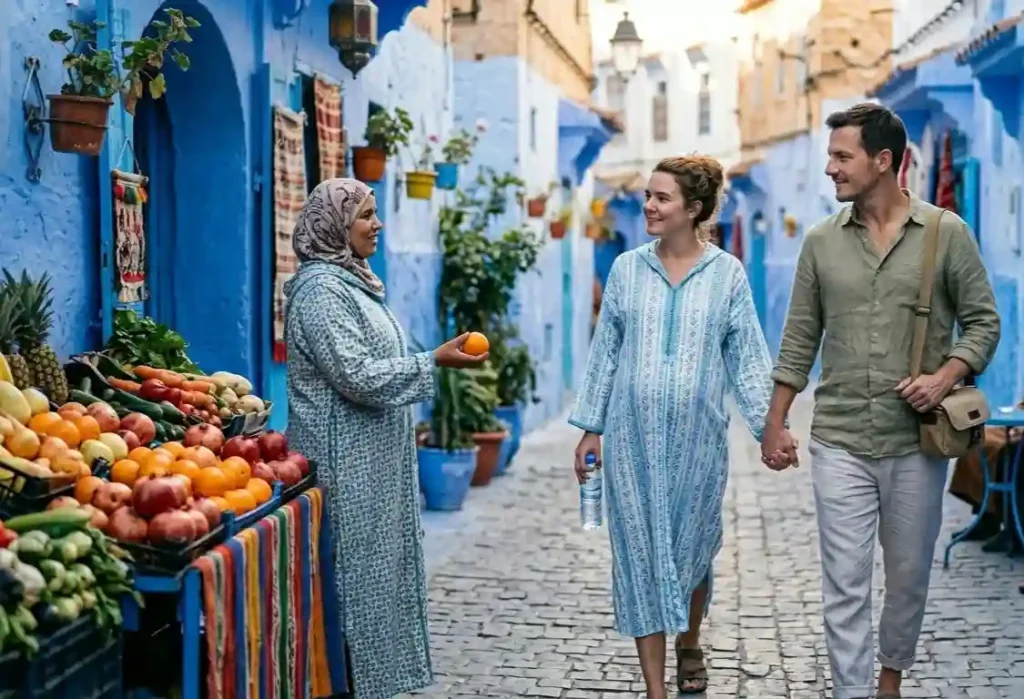
Planning a babymoon or a final magical getaway before your little one arrives is an incredibly exciting milestone for any expecting parents. It’s that special window of time to relax, connect, and create beautiful memories together before your daily routine completely changes. If the land of vibrant souks, breathtaking landscapes, and rich cultural heritage is at the top of your travel bucket list, you might naturally find yourself asking a very important question: Can you go to Morocco while pregnant?
The short answer is absolutely yes! However, traveling during pregnancy isn’t quite the same as a regular holiday. It requires meticulous pre-trip planning, a deep awareness of local healthcare standards, and smart, stress-free itinerary choices tailored to your comfort. In this complete, comprehensive guide, we will break down absolutely everything you need to know to navigate the country safely, comfortably, and healthy, ensuring your Moroccan babymoon is nothing short of perfection.
Table of Contents: Can You go to Morocco while Pregnant?
Is It Safe to Travel to Morocco While Pregnant?
Safety is the number one priority for expecting mothers. Generally, traveling to Morocco during a healthy pregnancy is considered safe, but it is not without challenges.
The Heat Factor: Summer temperatures in inland areas can skyrocket above 40°C, which can cause dehydration and exhaustion very quickly.
Walking and Infrastructure: Medina streets are often uneven, crowded, and packed with scooters, requiring constant alertness and physical stamina.
Food Safety: While Moroccan food is delicious, pregnancy alters your immune system, making you more susceptible to foodborne illnesses like Listeria or Toxoplasmosis.
Traveling to Morocco During Pregnancy: Tips and Advice
To ensure your trip goes smoothly without compromising your health, keep these essential tips in mind:
Pace Yourself: Avoid trying to see the entire country in one week. Stick to a slow travel itinerary with plenty of rest days.
Stay Hydrated: Always drink bottled water. Check that the seal is intact before opening, and use it even for brushing your teeth.
Dress Comfortable: Wear loose, breathable cotton clothing and high-quality walking shoes to manage swelling and heat.
Can Pregnant Women Visit Morocco? A Complete Guide
Yes, pregnant women can absolutely visit Morocco and have an unforgettable experience, but success depends entirely on tailored planning. This isn’t the time for a fast-paced, budget backpacking trip across the country. Instead, it should be focused on relaxation, cultural immersion, and comfort.
When planning your itinerary, geography is your best friend. Coastal cities like Essaouira and Tangier offer a refreshing Atlantic or Mediterranean breeze with much milder climates, making them perfect for gentle afternoon strolls. On the other hand, a deep desert trek into the Sahara dunes via a bumpy 4×4, or long, winding drives through the high Atlas Mountains, can cause severe physical strain and motion sickness. Stick to destinations that feature smooth infrastructure and easy access to modern comforts.
Pregnant and Planning a Trip to Morocco? Read This First
Before you finalize your flights and riads, there are three absolute golden rules that every expecting mother must implement. Skipping these steps can turn a dream babymoon into a highly stressful situation:
Get Direct Clearance from Your OB-GYN: Schedule a prenatal checkup specifically to discuss your Moroccan itinerary. Ask for a written copy of your medical records, blood type, and any essential prescriptions.
Invest in Premium Travel Insurance: Standard travel insurance is not enough. You must explicitly verify that your policy covers pregnancy-related complications, emergency medical evacuation, and premature birth care abroad.
Download Offline Maps and Medical Contacts: Before landing, save the exact locations, phone numbers, and driving routes of the best private clinics in each city you plan to visit directly onto your phone.
Morocco Travel During Pregnancy: Safety, Healthcare and Tips
One of the biggest concerns for expecting parents is the quality of healthcare available in a foreign country. Morocco operates on a dual healthcare system: public and private. For a pregnant traveler, knowing where to go makes all the difference.
In major urban hubs like Casablanca, Rabat, and Marrakech, you will find exceptional private clinics and modern hospitals. Many of the doctors in these facilities have trained in Europe or North America, and they speak fluent French and English. These clinics offer top-tier obstetric care, ultrasound technology, and clean, Western-standard facilities. However, if you venture deep into rural areas, oasis towns, or mountainous villages, medical facilities become extremely basic and lack specialized neonatal or obstetric equipment. Keep your stay within a one-hour radius of a major city to ensure peace of mind.

Visiting Morocco While Pregnant: What Expecting Mothers Should Know
There are a few unique cultural and logistical realities in Morocco that can work heavily in your favor if you know how to navigate them. First and foremost, Moroccan society holds mothers, families, and pregnant women in exceptionally high regard. Children and expecting mothers are seen as a blessing, and locals will often go completely out of their way to ensure you are comfortable.
Do not hesitate to politely highlight your pregnancy if you are facing a challenging situation. Whether you are navigating the chaotic customs lines at the airport, waiting for a restroom in a busy train station, or queuing up to enter a popular monument like the Bahia Palace, local staff and security will almost always fast-track you to the front of the line. Additionally, keep in mind that public restrooms can be sparse and vary in cleanliness. It is a smart strategy to always carry small coins (1 to 2 Dirhams) for bathroom attendants, along with your own travel pack of tissues and hand sanitizer.
Can You Fly to Morocco While Pregnant? Travel Advice for Expecting Mothers
Flying to Morocco is perfectly safe during a healthy, complication-free pregnancy, especially if you plan your trip during the second trimester (between weeks 14 and 28), when morning sickness has usually subsided and your energy levels are at their highest. However, as you approach the third trimester, airline regulations become strict.
Most international airlines operating flights to Morocco allow pregnant women to fly up to 36 weeks for a single pregnancy, and up to 32 weeks for multiples. However, nearly every carrier requires a formal, signed “Fit to Fly” letter from your OB-GYN once you pass the 28-week mark.
This letter must be dated within a few days of your departure, clearly stating your estimated due date, confirming that the pregnancy is progressing normally, and explicitly stating you are fit for air travel. During the flight itself, prioritize your physical health: wear medical-grade compression socks to prevent leg swelling, drink an exceptional amount of bottled water to combat dry cabin air, and book an aisle seat so you can easily stand up to stretch and walk around every 45 to 60 minutes to maintain healthy blood circulation.
Morocco Pregnancy Travel Guide: Safety, Food and Healthcare
When it comes to culinary adventures, Morocco is a paradise, but pregnancy changes the rules of engagement. Because your immune system is naturally suppressed, you are more vulnerable to bacteria like Salmonella, Listeria, and Toxoplasma, which means street food requires extreme caution.
To keep you and your baby perfectly safe, use this comprehensive dietary guide during your travels:
| Food to Enjoy Safely | Food to Strictly Avoid |
| Piping hot, freshly cooked Tajines: The slow-cooking clay pots reach temperatures high enough to kill all harmful bacteria. | Raw or undercooked meats and seafood: Avoid medium-rare brochettes (skewers) or local shellfish completely. |
| Thick-skinned fruits you peel yourself: Bananas, oranges, and pomegranates are completely safe and packed with vitamins. | Unpeeled raw fruits and raw salads: Buffets or street side salads are often washed in tap water, which can upset your stomach. |
| Freshly baked, hot Moroccan bread: Khobz is baked daily in high-heat ovens and is entirely safe to enjoy. | Unpasteurized dairy and juices: Avoid traditional street juices unless squeezed right in front of you into a clean cup. Skip raw milk cheeses. |
Is Morocco Safe for Pregnant Travelers?
To look at the big picture: yes, Morocco is absolutely safe for pregnant travelers, provided you are willing to shift your travel mindset. If you are used to fast-paced, budget backpacking, or spontaneous hitchhiking, you will need to leave that style of travel behind for this specific trip. Morocco rewards expecting mothers who invest in comfort, luxury, and slower schedules.
By choosing upscale, well-reviewed accommodations, utilizing private drivers, and focusing your itinerary on relaxation rather than checking off every single monument on the map, you can completely eliminate the primary stress factors of the country. The warm hospitality of the Moroccan people, combined with the relaxing atmosphere of a quiet courtyard riad, can make Morocco one of the most magical, unique, and culturally enriching babymoon destinations in the world.
Traveling to Morocco While Expecting: Essential Tips for a Comfortable Trip
To transform your Moroccan trip from a standard holiday into a luxurious, stress-free babymoon, implementing a few comfort upgrades will make all the difference in the world for your physical well-being:
Book Premium Riads with Full AC and Ground Floors: Traditional riads are stunning, but they are built vertically and rarely have elevators. When booking, explicitly request a ground-floor room or a property with minimal stairs, and verify that the air conditioning is modern and powerful to keep your body temperature regulated.
Hire a Private English-Speaking Driver: Do not rely on trains or crowded, bumpy public buses. A private driver with a well-cushioned, modern SUV will adapt entirely to your pace, allow you to stop for bathroom breaks whenever necessary, and handle all your heavy luggage seamlessly.
Keep an Emergency Medical Kit and Hotlines Handy: Before you leave your accommodation each morning, ensure your day bag has your prenatal records, a backup power bank for your phone, and a list of English-speaking private clinics saved in your contacts.
Embrace the Afternoon Siesta: Follow the rhythm of the locals. When the sun is at its highest and hottest between 1:00 PM and 4:00 PM, head back to your air-conditioned room or lounge by a shaded pool to rest your feet and recharge your energy.
Conclusion: Planning Your Dream Moroccan Babymoon
In conclusion, answering the question “Can you go to Morocco while pregnant?” comes down to one simple word: preparation. Morocco is a country of vibrant colors, rich history, and unmatched hospitality, making it an incredibly rewarding destination for expecting mothers who want an unforgettable babymoon. While the sensory overload of the medinas, the warm climate, and food safety require extra vigilance, none of these factors should stop you from enjoying this beautiful North African gem.
By shifting your focus toward a slower, more luxurious travel style, such as staying in accessible, air-conditioned riads, hiring private transport, sticking to coastal or urban hubs, and prioritizing well-cooked meals, you can easily minimize the risks and maximize your comfort. Listen to your body, consult your doctor before take-off, and embrace the deep respect that Moroccan culture holds for mothers. With the right roadmap in hand, your trip to Morocco while expecting will be a safe, magical, and deeply cherished chapter in your family’s story.

I’m Lahcen Saadi from the Exploring Morocco Trips team. We are local guides dedicated to crafting authentic and exceptional Moroccan experiences.
Whether you are planning your first trip to Morocco and need expert advice, or you are a travel professional looking to collaborate on unique itineraries, we are ready to help.
- 3 Days Desert tour From Marrakech to Merzouga
- 3 Days Desert tour From Marrakech to Fes
- 3 Days Desert tour From Fes to Marrakech
- 4 Days Desert tour From Marrakech to Merzouga
- 4 Days Desert tour From Marrakech to Fes
- 4 Days Desert tour From Fes to Marrakech
- 5 Days Desert tour From Marrakech to Merzouga
- 5 Days Desert tour From Fes to Marrakech
- 7 Days Morocco tour from Marrakech
- 7 Days Morocco tour from Fes
- 7 Days Morocco tour from Casablanca
- 8 Days Morocco tour from Marrakech
- 8 Days Morocco tour from Casablanca
- 9 Days Morocco tour from Marrakech
- 9 Days Morocco tour from Casablanca
- 10 Days Morocco tour from Casablanca
- 12 Days Morocco tour from Casablanca
- 14 Days Morocco tour from Casablanca