
Moroccan Bread: Traditional Types, Recipes & How to Make It
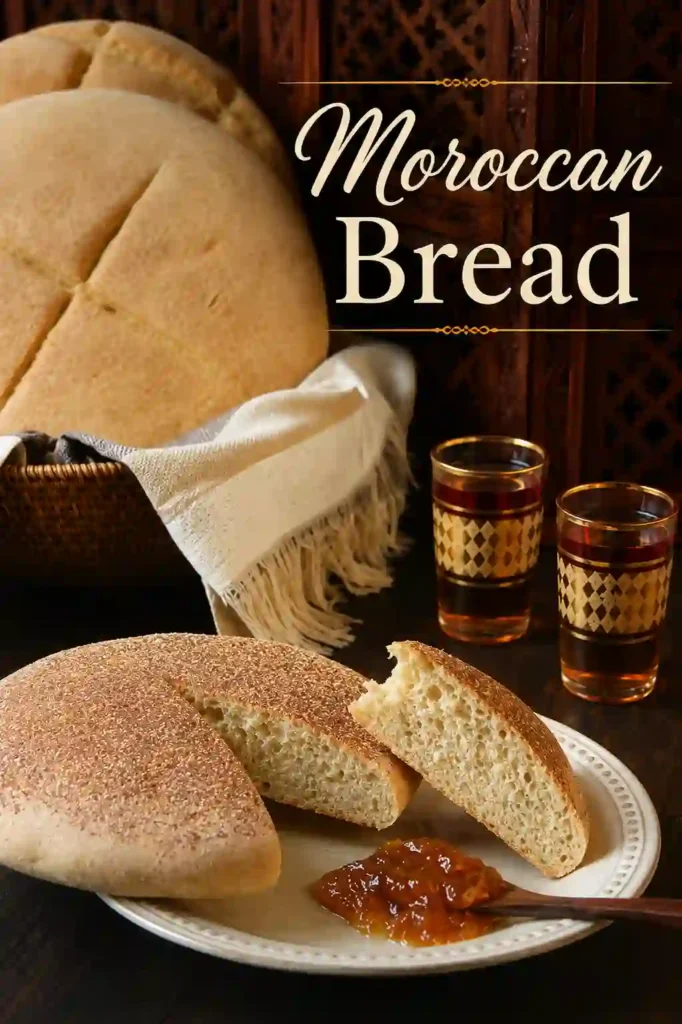
Bread is far more than a simple staple in Morocco; it is the true heartbeat of every meal and a profound, sacred symbol of hospitality. In every Moroccan home, the table is incomplete without a freshly baked loaf, serving as the essential companion to every dish, from breakfast spreads to elaborate evening feasts. From the bustling, aromatic local bakeries (ferran) tucked away in the ancient alleys of the medina to the rustic, wood-fired ovens found in remote mountain villages, Moroccan bread stands as an irreplaceable pillar of the country’s culinary identity that connects generations and brings families together.
The deep-rooted importance of bread in Moroccan life transcends mere sustenance; it is a manifestation of shared community and daily devotion. Whether you are expertly dipping a warm, crusty piece of Khobz into a rich, slow-cooked tagine or savoring the intricate, buttery layers of a golden Msemen during a leisurely breakfast, every bite is an invitation to experience centuries of culinary heritage. The preparation of these diverse breads is a craft perfected over time, reflecting the unique geography and traditions of different regions across the Kingdom. In this comprehensive guide, we will take you on a flavorful journey to explore the vast diversity of traditional Moroccan bread types, uncover the secrets behind their preparation, provide authentic, easy-to-follow recipes, and teach you exactly how to bring these timeless, heartwarming flavors directly into your own kitchen, no matter where you are in the world.
Table of Contents: Bread in Morocco
What Is Moroccan Bread?
Moroccan bread refers to a diverse family of flatbreads and loaves that form the foundation of the country’s diet. Unlike many Western breads, these are typically unleavened or lightly leavened, designed specifically to be functional tools for eating, as well as hearty accompaniments to stews, salads, and tea. Most traditional versions are made using a blend of wheat semolina and flour, which gives them a distinctive texture, crispy on the outside with a soft, slightly chewy crumb on the inside.
Bread in Morocco: Why It Is Part of Everyday Life
Bread in Morocco is much more than just a food item; it is a cultural cornerstone that represents survival, hospitality, and divine blessing.
-
Bread in Moroccan culture: Bread is treated with immense respect; it is considered a sacred gift, and it is common for people to pick up a piece of bread that has fallen on the floor, kiss it, and set it aside to ensure it is not wasted.
-
Daily traditions: Traditionally, the act of making bread is a daily ritual in many households, where families prepare dough in the morning to be baked for lunch and dinner.
-
Community ovens (Ferran): In the medinas, many households do not bake bread at home; instead, they prepare their dough and send it to the neighborhood ferran (a traditional communal wood-fired oven), which serves as a central hub for social interaction and community news.
Moroccan Bread Types You Should Try
Exploring the different Moroccan bread types is a highlight of any culinary visit to the country, as each variety offers a unique texture and flavor profile.
-
Khobz (Traditional Round Bread): This is the quintessential round loaf, characterized by its slightly crusty exterior and soft, airy interior.
-
Batbout: A soft, thick, and fluffy pita-like bread that is typically cooked on a stovetop, making it perfect for stuffing with various savory fillings.
-
Msemen: A popular, flaky, and buttery square-shaped flatbread made by folding dough multiple times to create delicate layers.
-
Baghrir: Often called “thousand-hole pancakes,” this unique semolina-based bread is cooked on one side, resulting in a soft, sponge-like texture that perfectly absorbs honey and melted butter.
-
Harcha: A delightful pan-fried semolina bread that has a crumbly, slightly sweet, and buttery texture, typically served during breakfast or tea time.
-
Rghaif: Similar to Msemen, these are often fried or baked and can be enjoyed plain or with sweet and savory additions.
Msemen Moroccan Bread: Morocco's Famous Layered Flatbread
Msemen Moroccan bread is widely celebrated for its unique texture and exquisite taste, making it one of the most beloved street foods and breakfast staples in the country.
-
Ingredients: The dough is primarily made from a blend of fine semolina and all-purpose flour, combined with water, a pinch of salt, and a small amount of yeast.
-
How it’s made: It is crafted by stretching the dough very thinly into a large, transparent square, then folding it repeatedly to create multiple delicate, buttery layers before being pan-fried until golden and crispy.
-
Best time to eat it: While it is a popular breakfast item served with tea, it is also frequently enjoyed during tea time in the afternoon or as a quick, satisfying snack throughout the day.
-
Popular fillings: You can enjoy it plain with a drizzle of honey and melted butter, or fill it with savory ingredients like onions, herbs, spiced minced meat, or bell peppers before cooking.
Msemen Moroccan Bread Recipe
If you want to recreate this famous, flaky layered flatbread at home, follow this authentic method to get those perfect, crispy-yet-soft layers.
-
Ingredients: You will need 2 cups of fine semolina, 1 cup of all-purpose flour, 1 teaspoon of salt, a pinch of sugar, a small amount of yeast (optional), and 1 to 1.5 cups of warm water. For the layering process, you will also need a mixture of melted butter and vegetable oil, along with a little extra fine semolina for dusting.
-
Step 1 – Prepare the Dough: In a large bowl, mix the flour, semolina, salt, sugar, and yeast. Gradually add warm water and knead the mixture for at least 10–15 minutes until the dough is smooth, supple, and very elastic.
-
Step 2 – Rest the Dough: Divide the dough into small, equal-sized balls, cover them with a damp cloth or plastic wrap, and let them rest for at least 30 minutes to allow the gluten to relax, which makes stretching easier.
-
Step 3 – Stretch and Layer: Take one ball and, on a lightly oiled surface, stretch it out with your fingers until it becomes a very thin, translucent square. Drizzle a little of the melted butter and oil mixture over the surface and sprinkle a pinch of semolina. Fold the sides inward to create a smaller, neat square. Repeat this with all the dough balls.
-
Step 4 – Flatten and Cook: Once all squares are folded, take one, gently flatten it again with your palm until it is thin, and place it on a hot, heavy-bottomed skillet over medium heat.
-
Step 5 – Golden Finish: Cook for a few minutes on each side, turning occasionally, until the Msemen Moroccan bread is golden brown, crispy on the outside, and perfectly flaky on the inside.
Moroccan Food Bread: What Moroccans Eat with Bread
In Moroccan cuisine, Moroccan food bread is the primary utensil used to scoop up food, making it an essential part of every dining experience.
-
Tagine: Bread is the perfect tool for mopping up the rich, flavorful sauces and tender meats of a traditional tagine.
-
Olive oil: Often served in a small bowl, high-quality Moroccan olive oil is a staple for dipping fresh bread, especially during breakfast or tea time.
-
Amlou: A delicious, thick paste made from almonds, argan oil, and honey, Amlou is a beloved spread served with warm bread for breakfast or snacks.
-
Honey: Fresh bread dipped in honey, often alongside melted butter, is a classic and simple Moroccan treat.
-
Harira: This hearty, nutritious tomato-based soup is almost always accompanied by a side of bread to complete the meal.
-
Grilled meats: Bread is used to hold and wrap pieces of spiced grilled meat, such as brochettes, making them easy to eat on the go.
-
Salads: Moroccan cooked salads, such as zaalouk (eggplant and tomato), are meant to be scooped up and enjoyed using pieces of fresh bread.
-
Cheese: Various local cheeses, including soft goat cheese or jben, are frequently served with bread as part of a traditional breakfast spread.
Moroccan Bread for Tagine
The relationship between bread and tagine is fundamental to the Moroccan dining experience. When searching for the best Moroccan bread for tagine, the classic Khobz is unmatched.
-
Why Khobz is perfect for tagine: Its structure is perfectly engineered for the task. The exterior has a slight, sturdy crust that doesn’t fall apart when it hits the liquid, while the inner crumb is airy and absorbent, acting like a sponge to soak up the rich, flavorful oils and spices from the tagine sauce.
-
How Moroccans use bread instead of utensils: In traditional Moroccan dining, bread is the primary utensil. You break off a small, manageable piece of bread, fold it slightly between your thumb and fingers, and use it to pinch and scoop up the meat, vegetables, and sauce. It allows you to get the perfect balance of ingredients in every bite without the need for a fork or spoon.
-
Best tagines to enjoy with bread: While almost all tagines pair well with bread, those with rich, reduced sauces are the best candidates. Lamb with prunes and almonds, chicken with preserved lemons and olives, and slow-cooked vegetable tagines are particularly rewarding when eaten with fresh, warm bread.
Moroccan Bread Recipe
If you want to bake authentic Moroccan bread recipe at home, follow this traditional method to achieve that perfect crust and soft interior.
-
Ingredients: You will need 500g of all-purpose flour, 250g of fine semolina, 1 tablespoon of instant yeast, 1 teaspoon of salt, 1 tablespoon of sugar (optional, for color), and approximately 400-450ml of warm water.
-
Step 1 – Mix the Dough: In a large bowl, combine the flour, semolina, salt, and yeast, then gradually add the warm water while mixing until a cohesive, slightly sticky dough forms.
-
Step 2 – Knead: Turn the dough onto a clean surface and knead vigorously for about 10–15 minutes until it becomes smooth, elastic, and soft to the touch.
-
Step 3 – Let It Rise: Shape the dough into a ball, place it back into the bowl, cover it with a clean kitchen towel, and let it rise in a warm, draft-free place until it has doubled in volume, usually taking about 1 to 1.5 hours.
-
Step 4 – Shape the Bread: Punch the dough down to release air, divide it into equal portions, flatten them into round disks about 1-2 cm thick, and place them on a tray dusted with semolina.
-
Step 5 – Bake: Let the shaped loaves rest for another 20 minutes, then bake in a preheated oven at 200°C for 15–20 minutes, or until the loaves sound hollow when tapped on the bottom and are golden brown.
Recipe for Moroccan Flat Bread
To master a classic recipe for Moroccan flat bread—often referred to as Batbout—follow this simple stovetop method. This bread is prized for its ability to puff up, creating a pocket perfect for stuffing or dipping.
-
Traditional flatbread recipe: Combine 300g of flour, 200g of fine semolina, 1 tablespoon of yeast, 1 teaspoon of sugar, and 1 teaspoon of salt with enough warm water to form a soft, manageable dough.
-
Cooking on a pan: Once the dough has risen and been shaped into small, flat disks, heat a heavy-bottomed skillet or tagine base over medium heat and cook each side until golden brown and puffed.
-
Serving suggestions: These flatbreads are best served warm, either filled with savory mixtures like spiced ground meat or salad, or simply used as a fresh side to complement any meal.
How to Make Moroccan Bread at Home
Mastering the skill of how to make Moroccan bread is a rewarding endeavor that connects you deeply to local tradition. Whether you are a beginner or looking to refine your technique, following these steps will ensure success.
-
Tips for beginners: Start by ensuring your yeast is active by proofing it in warm (not hot) water with a pinch of sugar before mixing. Use high-quality fine semolina, as it provides the authentic texture and color associated with traditional loaves.
-
Baking temperature: For a crusty exterior, preheat your oven to a high temperature, ideally around 200°C, and ensure the oven is fully heated before sliding the dough in.
-
Common mistakes: A frequent error is under-kneading the dough; it must be worked until it is smooth and elastic to develop the necessary gluten structure for a light, airy interior. Another common mistake is rushing the rising process; allow the dough enough time in a warm environment to double in size for the best results.
-
Storage tips: Once cooled, store your bread in a clean cotton cloth or a paper bag to maintain its texture. For longer storage, you can freeze the bread immediately after it cools; simply reheat it in an oven or on a pan to restore its fresh-baked quality.
Where to Try Authentic Moroccan Bread
To experience the true, unmatched quality of fresh bread, traveling through the country offers a unique sensory journey.
-
Marrakech: You can find incredible, crusty loaves fresh from the neighborhood ferran near the Jemaa el-Fnaa square, where the scent of baking bread fills the air every morning.
-
Fes: The ancient medina in Fes is famous for its centuries-old community bakeries where locals still bring their dough to be baked in wood-fired ovens, resulting in a traditional smoky flavor.
-
Chefchaouen: In this mountain town, you can enjoy rustic, thicker loaves that are often baked with traditional, local techniques suited for the cooler mountain climate.
-
Casablanca: As a major city, Casablanca offers a mix of modern boulangeries and traditional bakeries, providing a wide variety of both classic Khobz and refined pastry-style breads.
-
Local bakeries: Visiting neighborhood bakeries across any Moroccan city provides the most authentic experience, as they are central to the daily social fabric and serve the freshest possible products.
-
Village bakeries: In rural areas and smaller villages, bread is often baked using age-old, artisanal methods, sometimes in outdoor clay ovens, offering a taste of heritage that is rare to find elsewhere.
Harcha: Moroccan Semolina Bread
Harcha is a delightful, pan-fried bread that holds a special place in the hearts of Moroccans, often served as the star of the breakfast table or during tea time.
-
What it is: Unlike other breads that use yeast, Harcha is a quick bread made primarily from fine semolina, butter, milk (or water), and a touch of sugar and salt. It has a distinctively crumbly, sandy texture on the outside and a tender, slightly sweet crumb on the inside.
-
The Cooking Process: The dough is shaped into a large, thick disk or smaller individual rounds and cooked on a heavy, flat skillet (ma9la) over medium-low heat. It is flipped carefully until both sides develop a beautiful, golden-brown crust.
-
How to Enjoy It: Harcha is best served warm, straight from the pan. It is traditionally split open and smeared with honey, butter, or even a generous spread of jben (fresh goat cheese). It pairs perfectly with a glass of hot, minty Moroccan tea, making it a quintessential comfort food for slow, relaxed mornings.
Frequently Asked Questions
What is Moroccan bread called?
The most common, everyday round loaf is called Khobz. However, there are many other varieties, such as Msemen, Batbout, Baghrir, and Harcha, each with its own unique preparation method.
What bread is served with tagine?
Khobz is considered the ideal bread for tagine because its slightly sturdy crust and airy, absorbent interior make it the perfect tool for scooping up sauces and meats.
Is Moroccan bread healthy?
Traditional versions are often made from a blend of wheat semolina and flour, and because they are typically prepared fresh without preservatives, they are considered a wholesome part of a balanced diet.
How do you make Moroccan bread?
Making it involves mixing flour, semolina, yeast, salt, and warm water, followed by vigorous kneading to develop elasticity, a proper rise in a warm spot, and finally, baking until golden brown.
What is the difference between Khobz and Msemen?
Khobz is a traditional, yeast-leavened round loaf with a soft crumb and crusty exterior, whereas Msemen is a flaky, layered flatbread made by folding dough with butter and oil before pan-frying.
Can I make Moroccan bread without a bread machine?
Yes, absolutely; traditional Moroccan bread is almost exclusively made by hand, relying on thorough kneading to achieve the right texture.
Why is the dough for Moroccan bread often sticky?
The dough is intentionally kept soft and slightly tacky to ensure that the final product remains airy and light. A drier dough tends to produce a dense, heavy bread, whereas a slightly hydrated dough allows for a better rise and a softer crumb inside the Khobz.
Can I use all-purpose flour only, or do I need semolina?
While you can use all-purpose flour alone, adding fine semolina (fino) is the secret to authentic Moroccan bread. It provides the signature golden color, a distinct nutty flavor, and that specific slightly coarse, satisfying texture that makes it stand out from regular bread.
Why do we put holes in the top of the Khobz before baking?
Those small indentations or cuts on the surface of the bread aren’t just for decoration; they prevent the bread from puffing up into a giant balloon in the oven. They help regulate the steam release, ensuring the loaf bakes evenly while maintaining a flat, traditional shape.
What is the best way to reheat leftover Moroccan bread?
The best way to bring back that “fresh from the bakery” taste is to sprinkle it with a tiny bit of water and heat it for a few minutes in a preheated oven or a toaster oven. Avoid the microwave if possible, as it tends to make the bread rubbery.
How long does homemade Moroccan bread stay fresh?
Because it lacks the preservatives found in store-bought bread, it is best eaten on the day it is made. However, if stored properly in a sealed bread box or a clean kitchen cloth, it can stay good for about 2 days. For longer storage, always freeze it immediately after it cools.
Is it necessary to use a community oven (Ferran)?
While the ferran gives a unique, smoky flavor due to the wood-fired heat, you can absolutely achieve great results in a standard home oven. The key is to preheat your oven properly, sometimes using a pizza stone can help mimic the intense heat of a traditional clay or brick oven.

Conclusion: The Soul of Moroccan Culinary Heritage
In concluding our journey through the world of Moroccan bread, it becomes clear that this is about far more than just a recipe; it is a daily celebration of an essential part of Moroccan identity and culture. From the aromatic scent wafting from neighborhood ferrans early in the morning to the communal table gathering around a steaming tagine, Moroccan bread remains the thread that weaves together deep-rooted tradition and genuine hospitality.
The experience of making bread at home, whether you are mastering a classic round loaf or crafting perfectly flaky Msemen, is a sensory adventure that places you right at the heart of the Moroccan kitchen. We hope this guide has provided you with the inspiration needed to bring these recipes into your own home, and that each time you enjoy a piece of fresh bread, you appreciate not only its unique flavor but the heritage it carries within its layers.
Do not hesitate to share your own baking results with us. Always remember that the true secret to Moroccan bread lies not just in the simple ingredients, but in the patience and love poured into every step of the preparation. B’saha w raha! (Enjoy your meal!)

I’m Lahcen Saadi from the Exploring Morocco Trips team. We are local guides dedicated to crafting authentic and exceptional Moroccan experiences.
Whether you are planning your first trip to Morocco and need expert advice, or you are a travel professional looking to collaborate on unique itineraries, we are ready to help.
- 2 Days Desert tours From Marrakech
- 3 Days Desert tour From Marrakech to Merzouga
- 3 Days Desert tour From Marrakech to Fes
- 4 Days Desert tour From Marrakech to Merzouga
- 4 Days Desert tour From Marrakech to Fes
- 5 Days Desert tour From Marrakech to Merzouga
- 5 Days Desert tour From Marrakech to Fes
- 6 Days Desert tour From Marrakech to Casablanca
- 7 Days Morocco tour from Marrakech
- 8 Days Morocco tour from Marrakech
- 8 Days Morocco tour from Marrakech with Imperial Cities
- 9 Days Morocco tour from Marrakech
- 10 Days Morocco tour from Marrakech
- 12 Days Morocco tour from Marrakech
- 14 Days Morocco tour from Marrakech
- 2 Days Desert tour From Fes to Merzouga
- 2 Days Desert tour From Fes to Marrakech
- 3 Days Desert tour From Fes to Merzouga
- 3 Days Desert tour From Fes to Marrakech
- 4 Days Desert tour From Fes to Marrakech
- 5 Days Desert tour From Fes to Marrakech
- 6 Days Desert tour From Fes to Marrakech
- 7 Days Morocco tour from Fes
- 4 Days Morocco tour from Casablanca
- 5 Days Morocco tour from Casablanca
- 6 Days Morocco tour from Casablanca
- 7 Days Morocco tour from Casablanca
- 8 Days Morocco tour from Casablanca
- 9 Days Morocco tour from Casablanca
- 10 Days Morocco tour from Casablanca
- 11 Days Morocco tour from Casablanca
- 12 Days Morocco tour from Casablanca
- 14 Days Morocco tour from Casablanca