
Where Are the Atlas Mountains? Your Complete Guide to Morocco's Mountain Range
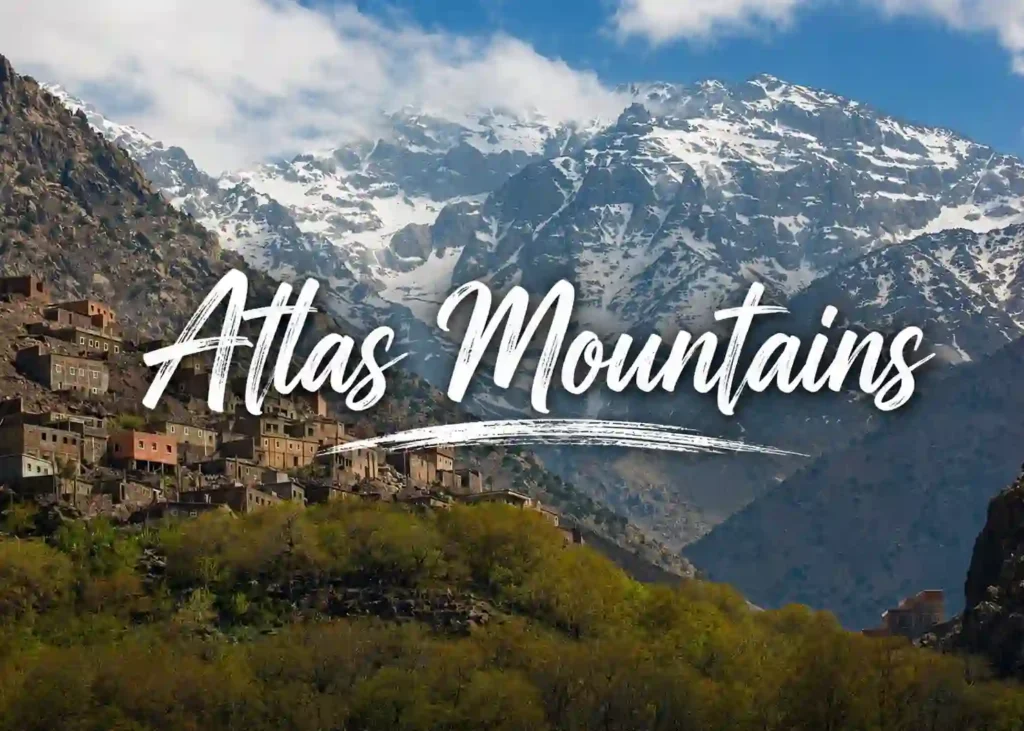
If you are planning your dream Moroccan adventure, you have likely found yourself wondering: where are the Atlas Mountains? Stretching majestically across the northwestern expanse of North Africa, the Atlas Mountains in Morocco represent a breathtaking natural barrier that separates the lush Mediterranean and Atlantic coastlines from the harsh, golden horizon of the vast Sahara Desert. This iconic mountain system is far more than a simple geological marvel; it serves as the beating heart of the country’s geography, climate, and ancient social fabric.
Whether you are an adrenaline seeker yearning for a challenging Atlas Mountains hiking expedition to conquer the soaring summit of Mount Toubkal, or a culture enthusiast hoping to immerse yourself in the serene, timeless beauty of hidden Berber villages perched on emerald hillsides, this region promises an experience tailored to every traveler. The range is incredibly diverse, unfolding from the snow-dusted, rugged peaks of the High Atlas Mountains and the cedar-scented, lush forests of the Middle Atlas Mountains, all the way down to the stark, sun-baked, desert-fringed landscapes of the Anti-Atlas Mountains.
Our comprehensive Atlas Mountains travel guide is meticulously crafted to help you navigate this stunning, multi-faceted terrain with ease. Join us as we journey deep into the interior, explore the absolute best things to do in the Atlas Mountains, and uncover exactly why this spectacular, high-altitude sanctuary remains an essential, unmissable stop on any authentic Moroccan itinerary.
Table of Contents: the Atlas Mountains
Where Are the Atlas Mountains?
Location in Morocco
The Atlas Mountains are located primarily in northwestern Africa, forming a massive geological backbone that runs across Morocco, Algeria, and Tunisia. In Morocco, this impressive range stretches diagonally across the country, starting from the Atlantic coast near Agadir and extending northeastward towards the Mediterranean coast. It serves as a formidable natural barrier, shielding the fertile northern plains and coastal regions from the arid, harsh climate of the Sahara Desert to the south.
Countries the Atlas Mountains Extend Through
While the most famous and highest peaks are concentrated within Morocco, the mountain range is a trans-continental feature. It spans three North African countries:
-
Morocco: Home to the highest peaks, including the legendary Mount Toubkal, which reaches an elevation of 4,167 meters.
-
Algeria: The range continues eastward, featuring rugged terrain and plateaus that define much of the country’s northern interior.
-
Tunisia: The system tapers off in the easternmost section, forming the Dorsal Atlas, which provides a dramatic backdrop to the Tunisian landscape before reaching the Mediterranean Sea.
Why They Are One of North Africa's Most Famous Mountain Ranges
The Atlas Mountains hold a prestigious status in North Africa for several reasons:
-
Climate Regulator: By acting as a massive wall, the mountains trap moisture, which creates the diverse microclimates necessary for Morocco’s unique agriculture and vegetation.
-
Cultural Preservation: The remote valleys and high-altitude plateaus have provided a sanctuary for the indigenous Berber people for millennia, allowing them to preserve their distinct language, architecture, and traditions away from outside influence.
-
Geological Significance: The range is the result of complex tectonic activity, providing a fascinating study for geologists and a breathtaking backdrop for outdoor explorers.
The Different Atlas Mountain Ranges
The Atlas Mountain system is divided into three distinct, yet interconnected, chains, each offering a unique landscape and experience for travelers.
-
High Atlas Mountains: This is the most famous and highest section of the range, home to the snow-capped peaks that dominate the horizon. It features dramatic valleys, steep gorges, and the iconic Mount Toubkal, making it a premier destination for trekking and adventure sports.
-
Middle Atlas Mountains: Located further north, this range is characterized by its lush, green landscapes, cedar forests, and beautiful alpine lakes. It provides a cooler, more temperate environment that is perfect for scenic drives and wildlife spotting.
-
Anti-Atlas Mountains: Stretching towards the south, this range is known for its arid, desert-fringed landscape and ancient, rugged rock formations. It offers a quieter, more remote experience, revealing a different side of the Moroccan wilderness that transitions into the Sahara.
Why Are the Atlas Mountains Famous?
The Atlas Mountains are renowned globally, drawing visitors from every corner of the world. Here is why this region remains one of North Africa’s most iconic destinations:
-
Spectacular Landscapes: The range offers a dramatic visual contrast, shifting from lush green valleys and cedar forests to rugged, snow-capped peaks and sun-drenched, desert-fringed slopes.
-
Berber Villages: These mountains are the ancestral home of the Berber people. Staying in or visiting these traditional villages offers an authentic look into a resilient culture, unique architecture, and a lifestyle that has remained largely unchanged for centuries.
-
Hiking Adventures: From day hikes to multi-day expeditions, the terrain caters to all levels. It is arguably the best destination for trekking in Africa, offering diverse trails that challenge and reward every enthusiast.
-
Snow-Capped Peaks: Despite their proximity to the desert, the high altitudes of the High Atlas experience significant snowfall, creating stunning winter vistas that are rarely expected in a North African travel guide.
-
Scenic Mountain Passes: The winding roads, such as the famous Tizi n’Tichka pass, provide some of the most breathtaking panoramic views in the world, making the journey itself as memorable as the destination.
Best Places to Visit in the Atlas Mountains
The Atlas Mountains are vast, but certain locations offer the most iconic experiences for travelers. Here are the top spots to include in your itinerary:
-
Toubkal National Park: Home to North Africa’s highest summit, this park is a haven for mountaineers and nature lovers, offering some of the most dramatic mountain scenery in the world.
-
Mount Toubkal: Standing at 4,167 meters, this legendary peak is the ultimate challenge for trekkers looking to experience the thrill of high-altitude hiking and panoramic views.
-
Imlil Village: Often used as the starting point for treks, this charming village provides a stunning base to experience local Berber hospitality and mountain life.
-
Ourika Valley: Famous for its lush gardens, crystal-clear streams, and traditional village life, this valley is the perfect escape for those seeking a more relaxed mountain experience near Marrakech.
-
Ouzoud Waterfalls: As one of the highest and most beautiful waterfalls in Morocco, these cascades are a must-see, surrounded by olive trees and offering a refreshing retreat.
-
Aït Ben Haddou: Located at the foot of the High Atlas, this UNESCO World Heritage site is a magnificent fortified village that has served as a backdrop for countless world-famous films.
Things to Do in the Atlas Mountains
Whether you are seeking adrenaline or cultural immersion, there is no shortage of activities to fill your days in this magnificent range.
-
Hiking and Trekking: From gentle walks through valley floors to challenging multi-day ascents of towering peaks, the region offers world-class trails for all fitness levels.
-
Visit Traditional Berber Villages: Spend time in authentic stone and mud-brick settlements to connect with the local community, learn about their ancient agricultural techniques, and enjoy traditional hospitality.
-
Camel Riding: Experience the mountain foothills from a traditional perspective by taking a guided camel trek, a unique way to traverse the rugged, scenic terrain.
-
Photography: With dramatic mountain passes, terraced fields, and ancient casbahs, the entire region is a paradise for photographers looking to capture the raw beauty of Morocco.
-
Local Markets: Visit vibrant mountain souks to browse handmade crafts, rugs, and local produce, providing a wonderful opportunity to support the mountain economy.
-
Cultural Experiences: Engage in daily life by participating in tea ceremonies or cooking classes, where you can learn to prepare traditional tagines and freshly baked bread.
How to Get to the Atlas Mountains
Reaching the peaks and valleys of the Atlas range is a straightforward and rewarding part of your Moroccan journey. Depending on your starting point, here is how you can navigate the path:
-
From Marrakech: This is the most common gateway, especially for the High Atlas. You can reach areas like Imlil or the Ourika Valley within 1 to 2 hours by grand taxi, private car, or local bus.
-
From Ouarzazate: Situated on the southern side of the mountains, Ouarzazate serves as a perfect starting point for exploring Aït Ben Haddou and the deeper, more rugged parts of the range.
-
From Fes: Travelers coming from the north often find the Middle Atlas Mountains easily accessible, with scenic drives leading into cedar forests and alpine regions in just a few hours.
-
Guided Tours vs. Self-Drive: Renting a car offers the flexibility to explore at your own pace, but hiring a guided tour is highly recommended for trekking or accessing remote mountain paths, as local guides provide essential navigation and cultural context.
Best Time to Visit the Atlas Mountains
Choosing the right time for your trip depends on what you want to experience, as the climate changes significantly with altitude.
-
Spring (March to May): This is widely considered the best time for trekking and hiking. The weather is mild, and the valleys are vibrant with blooming flowers and lush greenery.
-
Summer (June to August): Perfect for escaping the intense heat of the lowlands and the desert. Higher altitudes remain cool and pleasant, making it ideal for high-altitude climbing.
-
Autumn (September to November): Offers stable, clear weather and comfortable temperatures, providing excellent visibility for photography and long-distance treks.
-
Winter (December to February): Ideal for winter sports enthusiasts. While some mountain passes may be closed due to snow, the region transforms into a breathtaking, snow-covered landscape perfect for those looking for a unique winter adventure.
Travel Tips
To ensure your journey through this majestic region is safe, comfortable, and memorable, keep these essential tips in mind:
-
Wear comfortable hiking shoes: Sturdy, broken-in footwear is crucial for navigating the rugged, rocky terrain and mountain paths.
-
Bring warm clothes in winter: Even if the lowlands are mild, temperatures at high altitudes can drop significantly, especially once the sun sets.
-
Stay hydrated: High-altitude exertion can lead to dehydration faster than expected, so always carry plenty of fresh water.
-
Hire a local guide for trekking: An experienced local guide provides expert navigation, ensures your safety on mountain trails, and offers deep insights into the local culture.
-
Respect local customs: When visiting remote mountain communities, dress modestly and always ask for permission before taking photos of people or their homes.
Frequently Asked Questions
Where are the Atlas Mountains located?
The Atlas Mountains are located in northwestern Africa, spanning across Morocco, Algeria, and Tunisia, with the highest and most prominent peaks situated within Morocco.
Can you visit the Atlas Mountains from Marrakech?
Yes, the Atlas Mountains are easily accessible from Marrakech, with many popular destinations like Imlil and the Ourika Valley reachable within a one to two-hour drive.
Which Atlas Mountains are best to visit?
The High Atlas is typically the best for trekking and dramatic scenery, while the Middle Atlas is preferred for lush forests and lakes, and the Anti-Atlas for remote, desert-like exploration.
Do people live in the Atlas Mountains?
Yes, the mountains have been the ancestral home of the indigenous Berber people for millennia, who maintain traditional villages and lifestyles throughout the range.
How high is Mount Toubkal?
Mount Toubkal, located in the High Atlas, stands at an impressive 4,167 meters, making it the highest peak in North Africa.
Is it safe to hike in the Atlas Mountains?
Yes, it is generally very safe, provided you are well-prepared. It is strongly recommended to hire a certified local guide, especially for long treks, to ensure you stay on marked trails and are prepared for changing weather conditions.
Do I need special equipment for hiking Mount Toubkal?
For a summer summit, you need sturdy hiking boots, layered clothing, and a good backpack. If you plan to climb in winter, specialized equipment like crampons, ice axes, and cold-weather gear is mandatory and should be arranged with a professional guide.
What is the currency used in mountain villages?
The local currency is the Moroccan Dirham (MAD). While some larger guesthouses may accept cards, it is essential to carry sufficient cash in small denominations when visiting remote Berber villages and local souks.
Can I find accommodation in the Atlas Mountains?
Absolutely. You can choose from a variety of options, including cozy mountain gîtes (traditional guesthouses), eco-lodges, and even luxury retreats that blend traditional Berber architecture with modern comforts.
Is altitude sickness a concern?
Yes, at higher altitudes, especially when trekking above 2,500 meters, some travelers may experience mild altitude sickness. It is important to acclimatize properly, stay well-hydrated, and ascend slowly.
Are there places to eat in the mountains?
Yes, you will find many local cafes and guesthouses that serve authentic mountain cuisine, such as freshly prepared tagines, couscous, and mint tea. It is a great way to experience local culture and support the community.
Conclusion
The Atlas Mountains are one of Morocco’s greatest natural treasures, offering breathtaking scenery, rich Berber culture, and unforgettable outdoor adventures. Whether you’re looking for a quick day trip from Marrakech to escape the city bustle or a multi-day, high-altitude trekking experience, the Atlas Mountains are a must-visit destination that promises to be the highlight of your Moroccan journey.
Ready to start your adventure? At Exploring Morocco Trips, we specialize in crafting personalized itineraries that take you deep into the heart of these majestic peaks and beyond. Whether you want to conquer the mountains or continue your journey to the golden dunes of the desert, we handle every detail so you can focus on the experience. Don’t just read about the magic of Morocco, let us help you live it. Contact Exploring Morocco Trips today to book your authentic desert and mountain escape; we guarantee a journey you will cherish forever!

I’m Lahcen Saadi from the Exploring Morocco Trips team. We are local guides dedicated to crafting authentic and exceptional Moroccan experiences.
Whether you are planning your first trip to Morocco and need expert advice, or you are a travel professional looking to collaborate on unique itineraries, we are ready to help.
- 2 Days Desert tours From Marrakech
- 3 Days Desert tour From Marrakech to Merzouga
- 3 Days Desert tour From Marrakech to Fes
- 4 Days Desert tour From Marrakech to Merzouga
- 4 Days Desert tour From Marrakech to Fes
- 5 Days Desert tour From Marrakech to Merzouga
- 5 Days Desert tour From Marrakech to Fes
- 6 Days Desert tour From Marrakech to Casablanca
- 7 Days Morocco tour from Marrakech
- 8 Days Morocco tour from Marrakech
- 8 Days Morocco tour from Marrakech with Imperial Cities
- 9 Days Morocco tour from Marrakech
- 10 Days Morocco tour from Marrakech
- 12 Days Morocco tour from Marrakech
- 14 Days Morocco tour from Marrakech
- 2 Days Desert tour From Fes to Merzouga
- 2 Days Desert tour From Fes to Marrakech
- 3 Days Desert tour From Fes to Merzouga
- 3 Days Desert tour From Fes to Marrakech
- 4 Days Desert tour From Fes to Marrakech
- 5 Days Desert tour From Fes to Marrakech
- 6 Days Desert tour From Fes to Marrakech
- 7 Days Morocco tour from Fes
- 4 Days Morocco tour from Casablanca
- 5 Days Morocco tour from Casablanca
- 6 Days Morocco tour from Casablanca
- 7 Days Morocco tour from Casablanca
- 8 Days Morocco tour from Casablanca
- 9 Days Morocco tour from Casablanca
- 10 Days Morocco tour from Casablanca
- 11 Days Morocco tour from Casablanca
- 12 Days Morocco tour from Casablanca
- 14 Days Morocco tour from Casablanca