
Is Casablanca Safe? A Complete, Honest Guide for Tourists
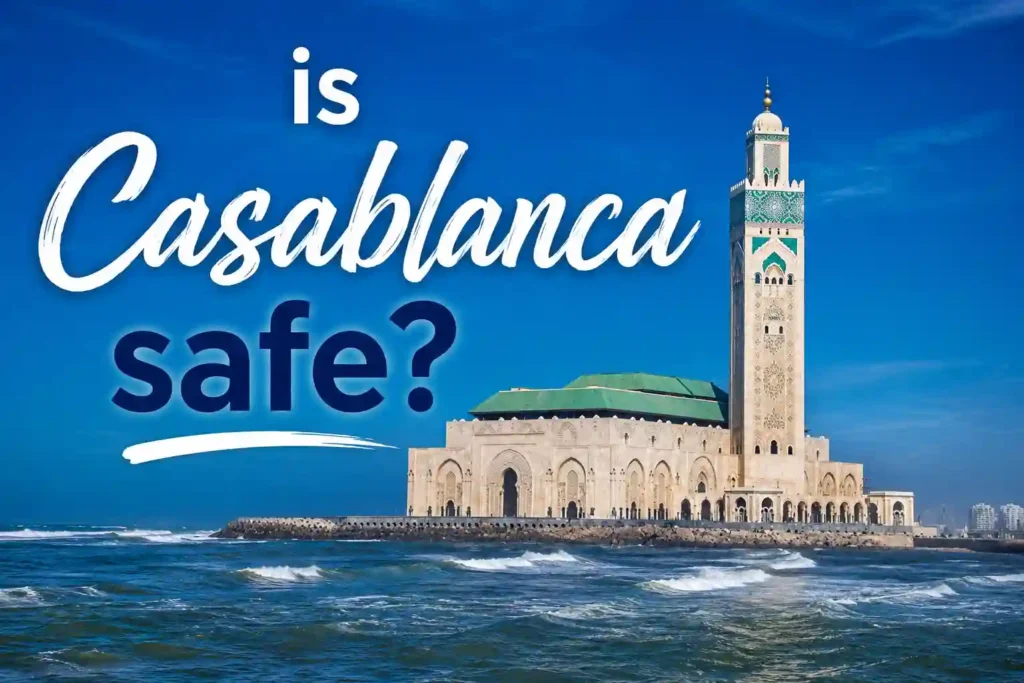
Casablanca has a bit of an image problem. It’s Morocco’s biggest, busiest, most modern city, and for a lot of travelers, that translates into an assumption that it must also be the country’s most dangerous. The reality is a lot more ordinary than that. Casablanca isn’t a tourist bubble like Marrakech or a fairy-tale medina like Fes it’s a real, working metropolis of nearly four million people, and it comes with exactly the kind of safety considerations you’d expect from any big city, no more and no less.
This guide gives you a straightforward, practical answer to the question travelers actually ask before booking: is Casablanca safe? We will cover the honest risk level, which neighborhoods to stay in, which to be more careful around, common scams, safety for solo and female travelers, and how Casablanca fits into a bigger Morocco trip.
Table of Contents
Is Casablanca Safe? The Short Answer
Yes. Casablanca is generally safe for tourists, including solo travelers, families, and first-time visitors to Morocco. Violent crime against tourists is rare, and most visitors move through the city without any serious issues. The overall risk level is comparable to other major metropolitan cities like Barcelona or Istanbul: moderate, urban, and manageable with the same common sense you’d bring anywhere else.
The main thing to actually watch for isn’t violence; it’s petty crime: pickpocketing, bag-snatching, and phone theft in crowded spaces like train stations, packed trams, and busy markets. This is a normal big-city concern rather than anything specific to Casablanca, and it’s easily minimized with a bit of awareness.
What Kind of Risks Should You Actually Expect?
Breaking it down by category makes the picture clearer:
Violent crime: Low, and rarely if ever directed at tourists. Serious incidents, when they do occur, tend to be concentrated in poorer outskirts far from anywhere visitors typically go.
Petty crime: Moderate, and the most realistic concern for most travelers. Pickpocketing and phone-snatching happen in crowded areas, particularly on public transport and around busy squares, so keeping bags zipped and valuables out of easy reach is worth the small effort.
Scams: The most common annoyance is unlicensed “guides” who approach tourists near major landmarks like the Hassan II Mosque or the old Marché Central, offering tours or “secret” local restaurant recommendations. They’re generally more persistent than dangerous, and politely declining and continuing to walk usually ends the interaction.
Terrorism: Morocco’s security services are considered effective and proactive, and large-scale attacks are very rare. Some general vigilance in crowded public spaces and transport hubs is reasonable, as it would be in most major world cities.
Natural and environmental factors: Casablanca does face some risk from coastal flooding and occasional extreme heat, though these are more relevant to long-term residents and infrastructure planning than to a typical short visit.
The Safest Neighborhoods to Stay In
Where you base yourself in Casablanca makes a real difference to how comfortable your trip feels. A handful of neighborhoods consistently come up as the best choices for visitors:
- Gauthier: Central, modern, and well-connected, with a strong concentration of restaurants and hotels.
- Anfa (Casa Anfa): An upscale, quiet residential area known for good security and a comfortable atmosphere.
- Maarif: Busy, commercial, and lively, popular for shopping and dining, though it can get crowded.
- Racine (Triangle d’Or): One of the city’s more affluent districts, considered particularly safe and comfortable.
- Ain Diab (the Corniche): Casablanca’s seafront district, known for beaches, restaurants, and nightlife, and generally safe to walk in the evening thanks to the steady foot traffic and well-lit promenade.
- Habous Quarter: A charming, historic district with traditional markets and artisan shops, offering a calmer, more old-world atmosphere.
Areas to Approach With More Caution
A few districts are worth being more careful around, particularly after dark. Sidi Moumen, Hay Mohammadi, and parts of Derb Sultan are neighborhoods most travel guides recommend avoiding, especially at night, since they see higher rates of crime and generally aren’t set up for tourism anyway. The Old Medina, while worth a daytime visit for its markets and atmosphere, is also better explored in daylight hours rather than after dark.
None of this means these areas are off-limits entirely, but there’s little reason for a typical visitor to need to go there, and sticking to the well-established tourist and residential districts covers pretty much everything Casablanca has to offer.
Is Casablanca Safe at Night?
Generally, yes, in the right areas. Well-lit, busy neighborhoods like Ain Diab and central Gauthier stay lively into the evening, with plenty of people out at restaurants and cafés, which naturally makes them feel comfortable to walk around after dark. As with any large city, quieter side streets and unfamiliar neighborhoods are better avoided late at night, and taking a taxi rather than walking long distances after dark is a sensible, low-effort precaution.
Is Casablanca Safe for Solo and Female Travelers?
Yes, many solo travelers and solo women visit Casablanca without issue. The same general advice applies here as elsewhere in Morocco: dress modestly, stay aware of your surroundings, and lean toward the safer, well-established neighborhoods for accommodation. Solo female travelers may occasionally encounter unwanted comments or attention, particularly in busier public areas, but this tends to be verbal rather than physically threatening, and confident, purposeful walking generally minimizes it.
Booking accommodation in areas like Gauthier or Anfa, using registered taxis or ride-hailing apps rather than hailing random cars, and avoiding isolated streets late at night all go a long way toward a comfortable, worry-free stay.
Common Scams to Watch For
A few recurring scams show up consistently in traveler reports, and knowing about them in advance takes most of the sting out:
- Unlicensed tour guides who approach near major sites, offering to show you around or recommend restaurants for a fee. Politely declining and continuing on your way is usually enough.
- Taxi overcharging, particularly for tourists who don’t ask for the meter or agree on a price beforehand. Insisting on the meter, or agreeing on a fare before getting in, avoids this entirely.
- Fake “student” or “friendly local” approaches near tourist landmarks, which sometimes lead into a high-pressure sales pitch at a shop or workshop. A firm decline works fine here too.
Getting Around Casablanca Safely
Casablanca has a decent public transport network, and knowing your options ahead of time makes getting around a lot less stressful. The tramway is modern, affordable, and generally safe, though like any crowded public transport, it’s worth keeping bags close and zipped during busy hours. Petit taxis (the small red cabs) are the standard way to get around the city, and always ask for the meter or agree on a price before getting in, since this is where most tourist overcharging happens.
Ride-hailing apps are also available and tend to be a comfortable, predictable option, especially at night, since the fare is set in advance and there’s no need to negotiate. If you’re heading to or from Mohammed V International Airport, official airport taxis and the airport train (which connects to Casa-Voyageurs station) are both reliable, well-used options. Walking is fine in central, busy areas during the day, but for longer distances or after dark, a taxi is the more comfortable choice.
Health and Pharmacies
Casablanca has a solid healthcare system by regional standards, with a mix of public hospitals and private clinics. For tourists, private clinics generally offer faster service and more English-speaking staff, and it’s worth having travel insurance that covers this before you arrive, just in case. Pharmacies are easy to find throughout the city, marked with a green cross sign, and many stay open late, which is handy if you need something for an upset stomach or a headache after a long travel day.
The most common health issue visitors run into isn’t anything serious, it’s just an unsettled stomach from the change in water and food, which usually passes quickly. Sticking to bottled water and being a little cautious with street food from very busy stalls (where turnover is high and food is freshest) rather than quieter ones usually keeps things simple.
Is Casablanca Safe for Families?
Yes, generally. Families with children can explore Casablanca comfortably, particularly in the same well-established neighborhoods recommended for other travelers. The Corniche in Ain Diab is especially family-friendly, with beaches, casual restaurants, and a relaxed atmosphere that works well for kids. The Hassan II Mosque is also a popular family stop, with guided tours available that help keep younger visitors engaged rather than just walking around a large building.
The same basic precautions apply as anywhere: keep an eye on children in crowded areas like markets and transport hubs, and stick to the safer neighborhoods for accommodation. Nothing about Casablanca specifically makes it harder for families than any other major city, and plenty of families pass through comfortably every year, often as part of a longer Morocco trip.
Practical Safety Tips for Visiting Casablanca
- Keep valuables secure in crowded places, particularly on public transport, at train stations, and around busy markets.
- Agree on taxi fares upfront or insist on the meter, since unmetered rides are a common source of overcharging.
- Stick to well-lit, busy streets at night, and take a taxi rather than walking long distances after dark.
- Book accommodation in Gauthier, Anfa, Maarif, or Racine for the most comfortable, secure experience.
- Be cautious with tap water. It’s generally treated to safe standards, but it can still cause stomach upset for travelers unused to it, so bottled water is the safer default.
- Use “police touristique” if you need help. Tourist police are trained to assist visitors specifically and tend to be more helpful with language and tourist-specific issues than general police stations.
- Save emergency numbers before you arrive: general police, ambulance, and your embassy’s contact information are worth having on hand as a simple backup.
Where Casablanca Fits Into a Bigger Morocco Trip
For most travelers, Casablanca ends up being an arrival or departure point rather than the main event of a Morocco trip, and that’s a completely reasonable way to use it. It’s home to the country’s busiest international airport and the striking Hassan II Mosque, one of the largest mosques in the world and genuinely worth a stop even on a short layover. But the imperial cities, the Atlas Mountains, and the Sahara Desert are where most travelers end up spending the bulk of their time.
If you are landing in Casablanca and want to build out a fuller Morocco itinerary from there, we have put together detailed guides for Morocco itineraries covering everything from short trips to longer, more comprehensive routes. If a Sahara excursion is part of your plan, multi-day desert tours are available from several starting points, including Marrakech desert tours, Fes desert tours, Tangier desert tours, and Ouarzazate desert tours, depending on where the rest of your route takes you. For a broader look at everything available, our full Morocco desert tours page covers all the routes and durations we offer.
If you are not sure how to connect Casablanca with the rest of your trip, or want help building an itinerary that starts with a safe, comfortable stay in the city before heading out toward the mountains and desert, feel free to get in touch with our team. We help travelers put together routes like this all the time and are happy to talk through what would work best for your trip.
Frequently Asked Questions About Casablanca Safety
Is Casablanca safe to visit right now?
Yes, Casablanca is generally considered safe for tourists, with most visitors experiencing trouble-free trips. The main risks are petty crime like pickpocketing rather than violent crime, which remains rare against visitors.
What is the safest neighborhood to stay in Casablanca?
Gauthier, Anfa, Maarif, and Racine (Triangle d’Or) are consistently recommended as the safest, most comfortable areas for tourists, offering good security, modern infrastructure, and easy access to restaurants and hotels.
Which areas of Casablanca should tourists avoid?
Sidi Moumen, Hay Mohammadi, and parts of Derb Sultan see higher crime rates and are generally best avoided, particularly at night. The Old Medina is fine to visit during the day but is better avoided after dark.
Is Casablanca safe for solo female travelers?
Generally yes. Many women travel through Casablanca solo without incident, though dressing modestly, staying aware of surroundings, and choosing accommodation in well-established neighborhoods all help ensure a comfortable trip.
Is it safe to walk around Casablanca at night?
In well-lit, busy areas like Ain Diab and central Gauthier, yes. As with any major city, it’s best to avoid quiet, unfamiliar streets after dark and to take a taxi for longer distances at night.
What's the most common safety issue in Casablanca?
Petty theft, particularly pickpocketing and phone-snatching in crowded areas like public transport and busy markets, is the most common issue tourists encounter, far more than any violent crime concern.
Is the tap water safe to drink in Casablanca?
It’s treated to generally safe standards, but it can still cause stomach upset for travelers unaccustomed to it. Bottled water is the safer, more comfortable default for most visitors.
Should I combine Casablanca with other destinations in Morocco?
Yes, most travelers treat Casablanca as an arrival or departure point rather than the main destination, continuing on to cities like Marrakech or Fes, and often a multi-day desert excursion to the Sahara.
Final Thoughts
Casablanca deserves a more balanced reputation than it sometimes gets. It’s not the postcard version of Morocco that shows up in most people’s imagination, and that’s exactly why it’s worth a fair, honest look rather than either wide-eyed caution or blind reassurance. Stick to the well-established neighborhoods, use normal city awareness around your belongings and transport, and Casablanca is every bit as visitable as any other major world city with the added bonus of the Hassan II Mosque, a lively Corniche, and a genuinely different, more modern side of Morocco than the imperial cities offer.
If you are planning a Morocco trip that starts or passes through Casablanca and want help building out the rest of your itinerary, including a desert excursion, reach out to us and we’ll help you put together a route that fits your travel style

I’m Lahcen Saadi from the Exploring Morocco Trips team. We are local guides dedicated to crafting authentic and exceptional Moroccan experiences.
Whether you are planning your first trip to Morocco and need expert advice, or you are a travel professional looking to collaborate on unique itineraries, we are ready to help.
- 2 Days Desert tours From Marrakech
- 3 Days Desert tour From Marrakech to Merzouga
- 3 Days Desert tour From Marrakech to Fes
- 4 Days Desert tour From Marrakech to Merzouga
- 4 Days Desert tour From Marrakech to Fes
- 5 Days Desert tour From Marrakech to Merzouga
- 5 Days Desert tour From Marrakech to Fes
- 6 Days Desert tour From Marrakech to Casablanca
- 7 Days Morocco tour from Marrakech
- 8 Days Morocco tour from Marrakech
- 8 Days Morocco tour from Marrakech with Imperial Cities
- 9 Days Morocco tour from Marrakech
- 10 Days Morocco tour from Marrakech
- 12 Days Morocco tour from Marrakech
- 14 Days Morocco tour from Marrakech
- 2 Days Desert tour From Fes to Merzouga
- 2 Days Desert tour From Fes to Marrakech
- 3 Days Desert tour From Fes to Merzouga
- 3 Days Desert tour From Fes to Marrakech
- 4 Days Desert tour From Fes to Marrakech
- 5 Days Desert tour From Fes to Marrakech
- 6 Days Desert tour From Fes to Marrakech
- 7 Days Morocco tour from Fes
- 4 Days Morocco tour from Casablanca
- 5 Days Morocco tour from Casablanca
- 6 Days Morocco tour from Casablanca
- 7 Days Morocco tour from Casablanca
- 8 Days Morocco tour from Casablanca
- 9 Days Morocco tour from Casablanca
- 10 Days Morocco tour from Casablanca
- 11 Days Morocco tour from Casablanca
- 12 Days Morocco tour from Casablanca
- 14 Days Morocco tour from Casablanca