
Alcohol in Morocco: A Simple Guide for Travelers
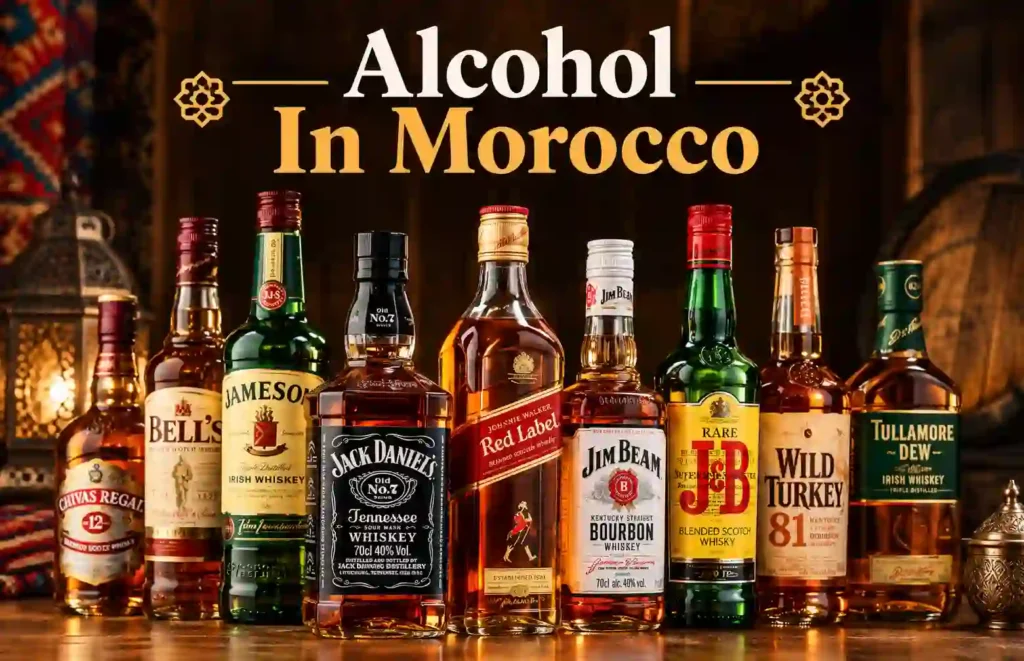
One of the most common questions people ask before a Morocco trip is simple: can I actually drink there? It makes sense to wonder, since Morocco is a Muslim-majority country, and a lot of travelers assume that means alcohol is banned entirely. The real answer is a bit more nuanced than a plain yes or no, and understanding the actual rules, along with a few unwritten social ones, makes the whole thing much easier to navigate once you land.
This guide breaks down everything in plain, simple language: whether alcohol is legal, where you can actually buy and drink it, what it costs, how Ramadan changes things, and the small cultural habits worth knowing so you can enjoy a drink respectfully during your trip.
Table of Contents
Is Alcohol Legal in Morocco?
Yes, alcohol is legal in Morocco. It’s produced domestically, sold in licensed shops, and served in bars, hotels, and restaurants across the country’s cities and tourist areas. Morocco doesn’t require any special permit, religious proof, or paperwork for tourists to buy or drink alcohol. As a visitor, you can drink in any properly licensed place without needing to explain yourself or show anything beyond standard ID.
That said, alcohol sits in a specific space in Moroccan society. It isn’t part of everyday local life the way it might be in a lot of Western countries, and Moroccan citizens themselves technically face more restrictions than tourists when it comes to buying it. The system is really built around keeping alcohol available for visitors and non-Muslim residents while keeping it fairly separate from everyday public life.
What Is the Legal Drinking Age in Morocco?
The legal drinking age is 18, and this applies to everyone, tourists included. Licensed bars and hotels generally check ID, though enforcement can be a bit inconsistent depending on the venue. Liquor shops tend to be stricter about checking identification than bars or restaurants, so it’s worth carrying your passport, or at least a photo of it, if you plan on buying alcohol from a shop.
Alcohol Rules for Moroccans vs. Tourists in Morocco
The rules around alcohol in Morocco aren’t quite the same for everyone. Legally, Moroccan Muslims are not supposed to buy or drink alcohol, while non-Muslim residents and tourists can. In real life, enforcement is relaxed, and plenty of Moroccans do drink, but shops and bars are generally set up with tourists and non-Muslim residents in mind rather than the local Muslim population. This is part of why alcohol sales in Morocco are concentrated in modern city districts and hotels rather than spread through every neighborhood, the system is built to serve visitors without making alcohol a visible, everyday part of local life.
Where Can You Buy Alcohol in Morocco?
- Large supermarkets: Chains like Carrefour and Marjane have designated alcohol sections, usually a bit separated from the rest of the store, where you can buy beer, wine, and spirits for private consumption.
- Licensed liquor shops: Found in the modern parts of most major cities, these specialty shops sell a wider range of beer, wine, and spirits, generally at the best prices you’ll find.
- Hotel bars and restaurants: Most hotels catering to tourists, especially mid-range and upscale ones, serve alcohol, and this is often the easiest, most convenient place to get a drink without needing to go anywhere.
- Licensed restaurants and rooftop bars: Many restaurants in tourist-friendly neighborhoods, like Gueliz in Marrakech, serve alcohol alongside meals, and rooftop bars are popular spots for an evening drink with a view.
Where You Won't Find Alcohol
Alcohol generally isn’t sold inside the old medinas, in small corner shops, or in traditional neighborhood grocery stores. This is simply how the licensing system works, alcohol sales are concentrated in modern districts and licensed tourist-facing venues rather than spread throughout every neighborhood. If you’re staying in a riad inside the medina, don’t expect to find a shop selling beer just around the corner, you’ll likely need to head to a more modern part of the city, like Gueliz in Marrakech, to find a supermarket or liquor shop.
Can You Drink in Public in Morocco?
No, and this is genuinely the most important rule to know. Drinking in public spaces, streets, parks, beaches, or public transport, is illegal in Morocco, even if you’re a tourist and even if you feel like no one’s around. This applies to visible drinking in general, not just being drunk, so walking through a medina with a beer in hand or having a glass of wine on a hotel balcony that faces a public street can both technically cause a problem.
The safest approach is simple: drink inside licensed venues, your hotel room, or private spaces, and avoid carrying visible alcohol through public areas like the medina.
What Happens If You Break Alcohol Laws in Morocco
For tourists, the most common way to run into trouble with alcohol in Morocco is public drinking, not the act of drinking itself. If you’re caught drinking in a street, park, beach, or other public space, you could face a fine, a warning, or in more serious cases a short detention, though for tourists this usually gets resolved quickly rather than escalating. Being visibly drunk in public is treated more seriously than quietly having a drink somewhere private, since it’s the visibility, not the alcohol itself, that causes the problem. The simplest way to avoid any issue at all is to keep drinking inside licensed venues, hotels, or your own room, and never carry an open drink through the street.
What Does Alcohol Cost in Morocco?
Prices vary quite a bit depending on where you buy. A local beer from a supermarket or liquor shop generally costs a fraction of what you’d pay for the same drink at a hotel bar or tourist restaurant, where markups of 50-100% are common. Buying from a liquor shop or supermarket alcohol counter is by far the most budget-friendly option if you’re planning to drink regularly during your trip, while hotel bars and restaurants offer convenience at a noticeably higher price.
Moroccan Beers and Wines Worth Trying
Morocco actually has its own beer and wine industry, and trying a few local options is a genuinely interesting part of the experience:
- Casablanca Beer: A widely available local lager, light and easy-drinking, found in most bars and shops
- Flag Special: Another popular Moroccan beer, similarly light in style
- Stork: A well-known Moroccan beer brand, often found alongside Casablanca and Flag
- Meknes wine region: Home to some of Morocco’s most respected wineries, producing reds, whites, and rosés from vineyards near this historic imperial city
- Essaouira wine region: A newer but increasingly well-regarded wine-producing area along the coast
Trying a Moroccan wine with dinner, particularly one from the Meknes region, is a nice way to pair a local product with a traditional meal.
Non-Alcoholic Drinks Worth Trying in Morocco
If you’re not drinking, whether by choice, during Ramadan, or just because you want to try something local, Morocco has plenty of good non-alcoholic drinks worth trying on their own merits. Moroccan mint tea is the obvious starting point, poured from height into small glasses and served everywhere from street cafés to formal dinners. Fresh orange juice is cheap, widely available, and genuinely excellent, especially from street stalls in cities like Marrakech. Avocado juice, often blended with milk and a little sugar, is a popular local specialty that surprises a lot of first-time visitors. Almond milk, spiced with cinnamon, and a variety of fresh fruit juices round out a drink menu that doesn’t need alcohol to feel like part of the experience.
Alcohol During Ramadan
This is an important seasonal detail to know if your trip overlaps with Ramadan. During this month, most liquor shops and many restaurants stop selling alcohol entirely, out of respect for the fasting period. Some hotel bars continue serving alcohol quietly to guests, but availability tightens considerably across the board. If your trip falls during Ramadan and having a drink matters to you, it’s worth checking with your hotel directly about what’s available, since policies can vary quite a bit between properties.
Alcohol on a Desert Trip
If your itinerary includes a night in the Sahara, alcohol availability at desert camps is generally limited, and it’s best to ask your tour operator ahead of time rather than assume it will be provided. Some camps allow guests to bring their own drinks, purchased beforehand in a city like Marrakech or Ouarzazate, while others don’t offer alcohol at all given the more traditional, family-run nature of many camps. If a drink around the campfire matters to you, mentioning it when booking your Marrakech desert tours, Fes desert tours, or Ouarzazate desert tours is the simplest way to know what to expect, or to arrange bringing your own beforehand. Our full Morocco desert tours page covers options across every starting city.
Traveling with Alcohol Inside Morocco
If you’re moving between cities, say from Marrakech to a desert trip through Ouarzazate, and want to bring your own alcohol along, it’s generally fine to transport sealed bottles in your luggage between cities by car. What’s not a good idea is carrying an open container visibly in public, including in a car that’s parked or stopped in a public area, since this falls under the same public-drinking rules as walking down the street with a beer. If your trip includes a desert camp that doesn’t serve alcohol, buying what you want beforehand in a city like Marrakech or Ouarzazate and packing it properly in your bag is the standard, low-hassle approach.
City-by-City: Where Alcohol Is Easiest to Find
- Marrakech: Widely available in Gueliz, the modern district, along with hotel bars and rooftop lounges in Hivernage. Not sold inside the medina itself.
- Casablanca: As Morocco’s most modern, cosmopolitan city, alcohol is easy to find in bars, restaurants, and supermarkets throughout the city.
- Fes: More limited than Marrakech or Casablanca, though hotel bars and a handful of restaurants in the newer parts of the city serve alcohol.
- Tangier: Widely available given the city’s history as an international zone, with bars and restaurants throughout Ville Nouvelle and the Corniche.
- Essaouira and Agadir: Both tourist-friendly coastal cities with a reasonable number of bars and restaurants serving alcohol, particularly in areas geared toward visitors.
Best Rooftop Bars for a Drink with a View in Marrakech
If having a drink is part of how you want to spend an evening, Marrakech’s rooftop bar scene, mostly concentrated in Gueliz and Hivernage, is one of the better reasons to keep alcohol on your radar at all. Rooftop terraces in these neighborhoods often look out over the Atlas Mountains or the medina skyline, and many hotel bars extend the same view to non-guests for the price of a drink. Prices here run higher than a supermarket or liquor shop, but the setting is usually the point, a sunset drink with a mountain view is a different experience than a beer bought for the room. Booking ahead or arriving early is worth it at the more popular rooftop spots, especially during high season.
Bringing Alcohol Into Morocco
Travelers arriving by air are generally permitted to bring a limited amount of alcohol into the country duty-free, typically capped at one liter of spirits or a couple of bottles of wine per adult, though exact allowances can shift, so it’s worth checking current customs rules before you travel. Duty-free shops at Moroccan airports also sell alcohol on arrival, which can be a convenient option if you’d rather buy on landing than carry it from home.
Cultural Etiquette Around Alcohol
Even where alcohol is legal and available, it’s worth approaching it with a bit of cultural awareness. Being visibly drunk in public, particularly near a mosque or inside a medina, is considered deeply disrespectful and is likely to draw attention from local authorities. Drinking quietly and privately, in a licensed venue or your own room, is both the legal requirement and the culturally respectful approach. Outside major tourist hubs, alcohol is even less visible in daily life, so a bit of extra discretion goes a long way if your travels take you beyond the bigger cities.
Frequently Asked Questions About Alcohol in Morocco
Is it illegal to drink alcohol in Morocco?
No, alcohol is legal for adults in licensed venues. It’s illegal only to drink in public spaces like streets, parks, or beaches.
What is the legal drinking age in Morocco?
18 years old, and this applies to tourists as well as residents.
Can tourists buy alcohol in Morocco?
Yes, tourists can buy alcohol freely at licensed supermarkets, liquor shops, hotels, and restaurants, with no special permit or proof required.
Is alcohol sold in the medina?
Generally no. Alcohol sales are concentrated in modern city districts and licensed venues, not in traditional medina shops.
Can I drink alcohol during Ramadan in Morocco?
Availability is limited during Ramadan, since most shops pause alcohol sales, though some hotel bars continue serving guests quietly.
Is alcohol available during a Sahara desert tour?
It varies by camp, and availability is often limited. It’s best to check with your tour operator ahead of time or bring your own from a city beforehand.
Is beer expensive in Morocco?
Not particularly, especially if bought from a supermarket or liquor shop rather than a hotel bar or restaurant, where prices run noticeably higher.
Final Thoughts
Alcohol in Morocco is legal, available, and easy enough to find once you know where to look, supermarkets, licensed shops, hotel bars, and tourist-friendly restaurants all have you covered. The main things to keep in mind are simple: drink in the right places, avoid public drinking, and be a bit more discreet during Ramadan or outside the bigger cities. With that understanding, having a beer or a glass of Moroccan wine fits easily into an otherwise respectful, enjoyable trip.
If you are planning a Morocco trip and have questions about logistics like this, or want help building in a desert excursion, feel free to get in touch with us. We help travelers sort out exactly this kind of practical detail and are happy to help you plan a trip that fits what you’re looking for.

I’m Lahcen Saadi from the Exploring Morocco Trips team. We are local guides dedicated to crafting authentic and exceptional Moroccan experiences.
Whether you are planning your first trip to Morocco and need expert advice, or you are a travel professional looking to collaborate on unique itineraries, we are ready to help.
- 2 Days Desert tours From Marrakech
- 3 Days Desert tour From Marrakech to Merzouga
- 3 Days Desert tour From Marrakech to Fes
- 4 Days Desert tour From Marrakech to Merzouga
- 4 Days Desert tour From Marrakech to Fes
- 5 Days Desert tour From Marrakech to Merzouga
- 5 Days Desert tour From Marrakech to Fes
- 6 Days Desert tour From Marrakech to Casablanca
- 7 Days Morocco tour from Marrakech
- 8 Days Morocco tour from Marrakech
- 8 Days Morocco tour from Marrakech with Imperial Cities
- 9 Days Morocco tour from Marrakech
- 10 Days Morocco tour from Marrakech
- 12 Days Morocco tour from Marrakech
- 14 Days Morocco tour from Marrakech
- 2 Days Desert tour From Fes to Merzouga
- 2 Days Desert tour From Fes to Marrakech
- 3 Days Desert tour From Fes to Merzouga
- 3 Days Desert tour From Fes to Marrakech
- 4 Days Desert tour From Fes to Marrakech
- 5 Days Desert tour From Fes to Marrakech
- 6 Days Desert tour From Fes to Marrakech
- 7 Days Morocco tour from Fes
- 4 Days Morocco tour from Casablanca
- 5 Days Morocco tour from Casablanca
- 6 Days Morocco tour from Casablanca
- 7 Days Morocco tour from Casablanca
- 8 Days Morocco tour from Casablanca
- 9 Days Morocco tour from Casablanca
- 10 Days Morocco tour from Casablanca
- 11 Days Morocco tour from Casablanca
- 12 Days Morocco tour from Casablanca
- 14 Days Morocco tour from Casablanca