
Fes Morocco Attractions: The Ultimate List of Must-See Places
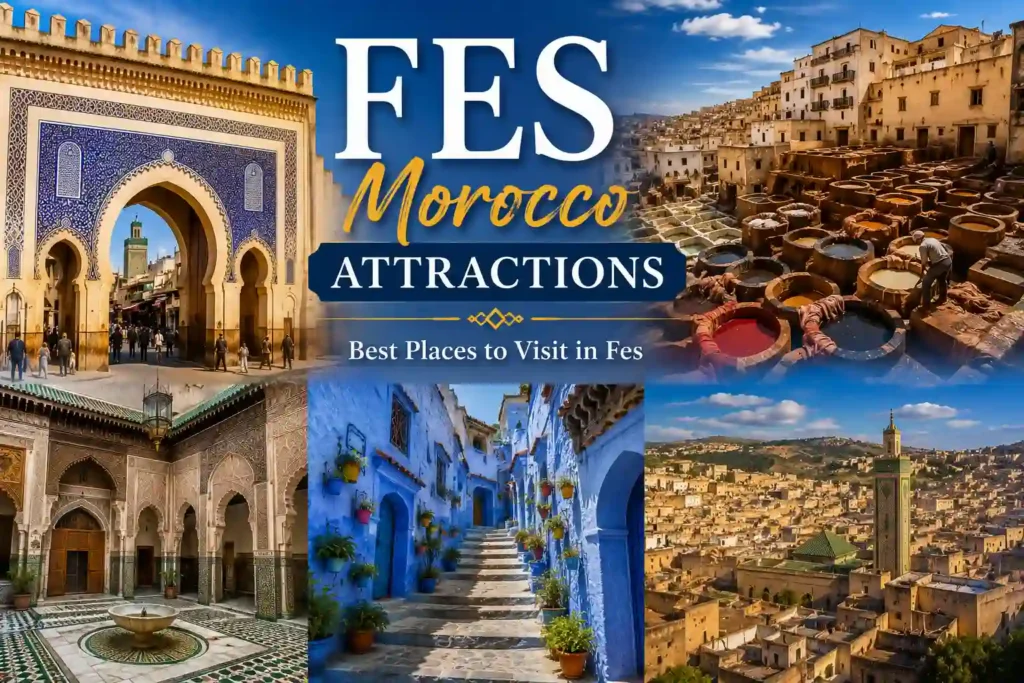
Fes, the spiritual and cultural heart of Morocco, is a city where time seems to stand still and the echoes of the past resonate through every narrow alleyway. As the country’s oldest imperial city, it offers an immersive journey into a world of ancient traditions, architectural wonders, and sensory delights that few other places on earth can replicate. Stepping into Fes is like traveling back in time; it is a place where artisans still practice crafts using methods passed down through generations, and where the air is thick with the scent of spices, leather, and history.
Whether you are a seasoned traveler seeking historical depth or a casual wanderer looking for the magic of discovery, this comprehensive Fes travel guide will help you uncover the very best attractions in Fes Morocco. From the intricately carved madrasas and the hidden courtyards of the historic medina to the vibrant souks that have served as the city’s commercial pulse for centuries, Fes is an experience that demands to be felt, tasted, and explored. As you step through its majestic ancient gates and navigate the world’s largest car-free urban space, prepare to be enchanted by a labyrinthine environment that hides countless stories within its historic, bustling walls. Let us embark on an unforgettable journey to uncover the top things to do in Fes and discover why this city remains a crown jewel of North African heritage.
Table of Contents: Fes Morocco attractions
Why Visit Fes?
Fes is not merely a destination; it is a profound experience that transports visitors to the core of Morocco’s identity. As the oldest of the four imperial cities, it serves as the nation’s spiritual, intellectual, and cultural capital. The city’s uniqueness lies in its preservation of medieval urban life, where the absence of modern traffic allows the authentic sounds of daily life, the ringing of hammers in the copper workshops, and the calls to prayer to resonate through the ancient streets.
Choosing Fes means choosing a journey through history. The city is a proud UNESCO World Heritage site, recognized for its exceptional Fes Medina, which stands as the largest car-free urban space in the world. Visitors are drawn here not just to see the architecture, but to understand the continuity of a civilization that has maintained its traditions for over a millennium. Whether you are exploring the intricate geometric patterns of its famous tilework or engaging with the vibrant local community, Fes offers a rare, unfiltered connection to the heritage of Morocco that remains unmatched by larger, more modernized hubs.
Top Attractions in Fes
Fes is home to some of the most spectacular historical and cultural landmarks in Morocco. From architectural masterpieces to bustling markets, these sites are essential stops for any visitor:
-
Al Quaraouiyine University: Founded in 859 AD, this historic institution is recognized as the oldest continuously operating university in the world, showcasing exquisite Islamic architecture.
-
Chouara Tannery: This is the most famous and largest tannery in the city, where you can watch the traditional, centuries-old process of dyeing leather in vibrant stone vats.
-
Fes el Bali (Old Medina): As the world’s largest car-free urban area, this UNESCO World Heritage site is a labyrinth of thousands of alleys, shops, and hidden historical treasures.
-
Bab Bou Jeloud (Blue Gate): The primary entrance to the medina, famous for its striking blue and green ceramic tiles that symbolize the city’s vibrant character.
-
Bou Inania Madrasa: A stunning example of Marinid architecture, this former religious school features intricate wood carvings, plasterwork, and beautiful mosaic tile patterns.
-
Nejjarine Museum: Located within a magnificently restored 18th-century fondouk (caravanserai), this museum celebrates the art of traditional woodworking in Morocco.
-
Royal Palace Gates: While the interior of the palace is closed to the public, the massive, meticulously crafted brass doors are a breathtaking sight and a highlight for photographers.
-
Mellah (Jewish Quarter): This historic district reflects centuries of cultural exchange and is characterized by a unique architectural style with balconies and ironwork that differ from the rest of the medina.
-
Jnan Sbil Garden: Covering several hectares, this lush public garden offers a peaceful, green retreat from the intense energy of the city streets.
-
Borj Nord: Perched on a hill overlooking the city, this 16th-century fortress houses a weapons museum and provides the best panoramic views of the sprawling medina.
Hidden Gems in Fes
While the major landmarks are breathtaking, the true magic of this city is often found in its quieter, less-traveled corners. Exploring these hidden gems will give you a more intimate look at the authentic daily life and craft traditions of the locals:
-
Seffarine Square: Step into this small, atmospheric square to hear the hypnotic, rhythmic ringing of coppersmiths. It is one of the few places left where you can witness the traditional metalwork craft being performed in real-time.
-
Local Artisan Workshops: Wander into the smaller side streets to find hidden workshops where you can watch master weavers, potters, and calligraphers at work. Engaging with these artisans offers a rare glimpse into the dedication behind Moroccan handicrafts.
-
Traditional Hammams: Seek out a historic neighborhood hammam. Beyond being a place to bathe, it is a vital social hub where you can experience a centuries-old cleansing ritual that remains a cornerstone of local culture.
-
Rooftop Cafés: While the streets are bustling, the city’s heart is best observed from above. Finding a quiet, tucked-away rooftop café allows you to enjoy a traditional glass of mint tea while taking in the stunning, intricate skyline of the medina.
-
Historic Fondouks: Once the resting points for Silk Road merchants and their caravans, these ancient inns have been repurposed into workshops and galleries. They offer a peaceful atmosphere and a chance to admire architectural details that most tourists walk right past.
Best Cultural Experiences in Fes
To truly understand the soul of this imperial city, you must look beyond the monuments and immerse yourself in its living culture. Engaging in these experiences will provide a deeper, more personal connection to the traditions that define the local way of life:
-
Take a Guided Medina Tour: The labyrinth of the medina is fascinating but complex. Hiring a knowledgeable local guide is the best way to navigate these historic passages, learn the stories behind the architecture, and find authentic artisan quarters that you would otherwise miss.
-
Watch Leather Making: Seeing the tanning process is a sensory experience like no other. Observe how artisans use natural pigments and traditional techniques to transform raw hides into high-quality leather, a craft that has been the lifeblood of the city for centuries.
-
Try a Moroccan Cooking Class: Delve into the rich flavors of Moroccan cuisine by learning how to balance spices, prepare a traditional tagine, and bake fresh bread in a communal oven. It is a delicious way to take a piece of the local culture home with you.
-
Shop in the Souks: The souks are not just markets; they are vibrant hubs of exchange. Spend time browsing for unique treasures—from hand-woven textiles and intricate ceramics to leather goods and silver jewelry, and enjoy the art of friendly negotiation.
-
Enjoy Traditional Moroccan Food: Beyond the cooking class, take the time to sit down in a traditional riad or local restaurant to savor authentic dishes like pastilla (a savory-sweet meat pie) or a steaming plate of couscous. This culinary heritage is an essential chapter of the city’s story.
Best Day Trips from Fes
Fes serves as an excellent base for exploring the surrounding landscapes and diverse regions of Northern and Central Morocco. Whether you are looking for mountain retreats or coastal charm, these day trips offer unique perspectives on the country’s beauty:
-
Day Trip to Chefchaouen: Journey to the famous blue-washed city nestled in the Rif Mountains. This day trip offers a serene escape, where you can wander through vibrant, photogenic alleys and enjoy the mountain air.
-
Day Trip to Ifrane and the Cedar Forest: Discover Morocco’s “Little Switzerland,” known for its European-style architecture and lush cedar forests. It is the perfect destination for nature lovers who want to explore the scenic beauty of the Middle Atlas Mountains and perhaps spot the famous Barbary macaques in their natural habitat.
-
Day Trip to Rabat: Take a trip to the capital city of Morocco, where you can explore a blend of modern administrative architecture and ancient historical sites like the Hassan Tower and the Kasbah of the Udayas.
- Day Trip to Meknes and Volubilis: Embark on a journey to the magnificent imperial city of Meknes, renowned for its grand gates and historic ramparts. After exploring the city’s rich heritage, continue your excursion to the nearby archaeological site of Volubilis, a sprawling Roman ruin that offers a fascinating look into ancient history, complete with remarkably preserved mosaics and towering columns.
Best Time to Visit Fes
Choosing the right time for your trip can significantly enhance your experience of the city’s vibrant culture and historic landmarks. Generally, the best times to visit are during the shoulder seasons when the weather is most comfortable for walking and outdoor exploration:
-
Spring (March to May): This is widely considered the best time to visit. The weather is mild and pleasant, and the surrounding countryside is lush and green, making it perfect for sightseeing and day trips.
-
Autumn (September to November): Another excellent period, as the intense summer heat begins to fade. The pleasant temperatures make navigating the busy medina streets much more enjoyable.
-
Winter (December to February): The weather is crisp and clear, providing cool mornings and bright, sunny afternoons. It is a quieter time to visit, allowing for a more peaceful exploration of popular attractions without large crowds.
-
Summer (June to August): Temperatures can get quite high, especially in the afternoons. If you visit during this season, it is best to plan your outdoor activities for the early morning or late evening, and spend the midday resting in the shade or exploring the cooler, indoor sections of the city.
Tips for Visiting Fes Attractions
To make the most of your time in Fes and ensure a smooth experience as you navigate the ancient medina, keep these practical tips in mind:
-
Hire a local guide for the medina: The historic medina is a dense maze of thousands of alleys, and having an official, knowledgeable local guide is the best way to navigate safely, avoid getting lost, and uncover hidden historical stories.
-
Wear comfortable walking shoes: Most of the city’s main attractions are located in areas with uneven, cobblestone streets and many stairs, so sturdy and comfortable footwear is essential.
-
Respect local customs: Fes is a place of deep cultural and religious traditions; it is always respectful to dress modestly, especially when visiting sites near mosques or traditional neighborhood areas.
-
Carry cash for small shops: While larger establishments accept cards, the vibrant artisan workshops and small souk stalls typically operate on a cash basis, making it important to keep local currency on hand.
-
Visit attractions early to avoid crowds: Popular landmarks and the narrow alleys of the medina are much quieter in the early morning; starting your day early allows you to enjoy a more peaceful atmosphere before the busiest hours of the day.
Cultural Etiquette & Local Insights
Fes is a city that thrives on tradition and hospitality. To ensure your interactions with the local community are positive and meaningful, keep these cultural insights in mind:
-
The Art of Hospitality: If you are offered mint tea by a shopkeeper or an artisan, it is considered a friendly gesture of welcome; accepting it is a polite way to engage in the local culture.
-
Photography Etiquette: Always ask for permission before taking photos of people, especially in the markets. Many artisans and locals appreciate being asked first, and it often leads to a warmer interaction.
-
Modesty Matters: While Fes is welcoming to visitors, it remains a conservative and spiritual city. Dressing modestly—covering shoulders and knees—is highly appreciated and shows respect for the local lifestyle.
-
Engaging with Artisans: Don’t be afraid to ask questions about the crafts. Whether it is leather, metal, or weaving, artisans in Fes are proud of their heritage and are often happy to explain their techniques to curious visitors.
-
Navigating the Labyrinth: If you find yourself truly lost in the medina, it is perfectly acceptable to ask a local shopkeeper for directions back to a main gate or landmark rather than relying solely on digital maps, which can sometimes be inaccurate in the narrow alleys.
Master Craftsmanship: The Living Heritage of Fes
In Fes, craftsmanship is not merely a profession; it is a hereditary art form that has been meticulously preserved for over a millennium. The city functions as a vast, open-air workshop where the mastery of materials, leather, metal, clay, and wood is passed down from master (Maâlem) to apprentice through years of dedicated training. This commitment to traditional methods is what grants Fes its status as the heartbeat of Moroccan artisanal production.
-
The Art of Zellige: One of the most striking features of Fes is its intricate zellige, the geometric mosaic tilework that adorns mosques, madrasas, and private homes. Each piece of tile is hand-chiseled to perfection, requiring extraordinary mathematical precision and manual dexterity to assemble into complex, star-patterned configurations that represent infinite beauty.
-
Leatherwork Mastery: The city’s reputation for leather is built upon its historic tanneries, where the process remains largely unchanged since medieval times. From the initial cleaning of the hides to the use of organic dyes like saffron, poppy, and indigo, the entire process reflects a deep understanding of natural chemistry and a patience that modern industrial production simply cannot replicate.
-
Copper and Brass smithing: The rhythmic ringing of metal on metal in the Seffarine quarter is the signature sound of the medina. Artisans here transform plain sheets of copper and brass into ornate lamps, platters, and decorative bowls, using hand-engraving techniques that create delicate, lace-like patterns.
-
Woodwork and Marquetry: The master woodworkers of Fes are renowned for their intricate marquetry, using cedarwood and inlaid precious materials to create everything from grand ornamental doors to delicate jewelry boxes. The attention to detail in these pieces is a testament to the artisan’s patience and reverence for the natural grain and beauty of the wood.
-
The Maâlem Philosophy: Central to this craftsmanship is the role of the Maâlem. This title is earned only through decades of practice, and it carries the responsibility of safeguarding the secrets of the craft. When you purchase an item in Fes, you are not just buying a product; you are acquiring a piece of a legacy, reflecting the unique style and dedication of the individual artisan who created it.
Frequently Asked Questions
Is it easy to navigate the Fes Medina?
The Fes Medina is a vast, ancient maze with thousands of narrow alleys. While it is easy to lose your way, that is often part of the charm. We highly recommend hiring an official local guide for your first few days to help you navigate and understand the history behind the different districts.
What is the best way to get around the city?
Within the Medina, travel is strictly on foot as the streets are too narrow for cars. For reaching the Medina from other parts of the city or for day trips, grand taxis and small city taxis are readily available and affordable.
Should I haggle when shopping in the souks?
Yes, haggling is a standard and expected part of the shopping experience in the souks. It is meant to be a friendly, respectful interaction. Start by offering a counter-price and aim for a middle ground that feels fair to both you and the artisan.
Is it safe to visit Fes as a tourist?
Fes is generally a safe and welcoming city for tourists. As in any busy historic destination, it is always wise to keep an eye on your belongings in crowded areas and follow standard travel safety precautions.
What currency should I use?
The local currency is the Moroccan Dirham (MAD). While major hotels and some larger shops may accept credit cards, it is essential to carry cash in smaller denominations for shopping in the souks, visiting small workshops, and paying for local services.
Are there any specific cultural etiquette rules I should follow?
Fes is a spiritual and conservative city. It is best to dress modestly, covering your shoulders and knees. Additionally, always ask for permission before taking photographs of locals or artisans to ensure a respectful and positive interaction.
What is the best way to connect with locals?
The best way is through small, authentic interactions. Visiting a traditional tea house, expressing interest in an artisan’s work, or simply greeting shopkeepers with a friendly “Salam Alaikoum” goes a long way. Moroccans are known for their hospitality and often appreciate travelers who show a genuine interest in their daily life and culture.
How much time should I spend in Fes to see everything?
To truly appreciate the depth of the city without rushing, we recommend spending at least 3 to 4 days. This gives you enough time to explore the main landmarks, wander the medina, visit nearby attractions, and experience the city’s culture at a relaxed pace.
What are the must-try local dishes in Fes?
Fes is a culinary capital! You must try Pastilla (a savory-sweet pie filled with chicken or pigeon and almonds), Lamb Tagine with prunes, and the traditional Fessi couscous. For breakfast, look for Msemen (flaky pancakes) served with honey and fresh mint tea.
Conclusion
Fes is not just a destination on a map; it is a profound journey through time. From the sensory richness of its ancient medina and the intricate mastery of its traditional artisans to the serene landscapes that lie just beyond its gates, the city offers an experience that is as enduring as its history.
Whether you are navigating the winding alleys in search of hidden treasures, tasting the complex flavors of its legendary cuisine, or simply pausing to enjoy a glass of mint tea as the call to prayer echoes over the skyline, Fes invites you to slow down and connect with a way of life that celebrates patience, artistry, and heritage. As you prepare for your visit, remember that the true magic of Fes lies in the stories you will collect and the moments you will share in this living, breathing imperial city. Your adventure awaits, come and discover the soul of Morocco for yourself.

I’m Lahcen Saadi from the Exploring Morocco Trips team. We are local guides dedicated to crafting authentic and exceptional Moroccan experiences.
Whether you are planning your first trip to Morocco and need expert advice, or you are a travel professional looking to collaborate on unique itineraries, we are ready to help.
- 2 Days Desert tours From Marrakech
- 3 Days Desert tour From Marrakech to Merzouga
- 3 Days Desert tour From Marrakech to Fes
- 4 Days Desert tour From Marrakech to Merzouga
- 4 Days Desert tour From Marrakech to Fes
- 5 Days Desert tour From Marrakech to Merzouga
- 5 Days Desert tour From Marrakech to Fes
- 6 Days Desert tour From Marrakech to Casablanca
- 7 Days Morocco tour from Marrakech
- 8 Days Morocco tour from Marrakech
- 8 Days Morocco tour from Marrakech with Imperial Cities
- 9 Days Morocco tour from Marrakech
- 10 Days Morocco tour from Marrakech
- 12 Days Morocco tour from Marrakech
- 14 Days Morocco tour from Marrakech
- 2 Days Desert tour From Fes to Merzouga
- 2 Days Desert tour From Fes to Marrakech
- 3 Days Desert tour From Fes to Merzouga
- 3 Days Desert tour From Fes to Marrakech
- 4 Days Desert tour From Fes to Marrakech
- 5 Days Desert tour From Fes to Marrakech
- 6 Days Desert tour From Fes to Marrakech
- 7 Days Morocco tour from Fes
- 4 Days Morocco tour from Casablanca
- 5 Days Morocco tour from Casablanca
- 6 Days Morocco tour from Casablanca
- 7 Days Morocco tour from Casablanca
- 8 Days Morocco tour from Casablanca
- 9 Days Morocco tour from Casablanca
- 10 Days Morocco tour from Casablanca
- 11 Days Morocco tour from Casablanca
- 12 Days Morocco tour from Casablanca
- 14 Days Morocco tour from Casablanca