
How to Plan a Trip to Morocco: The Ultimate Travel Guide and Itinerary Planner
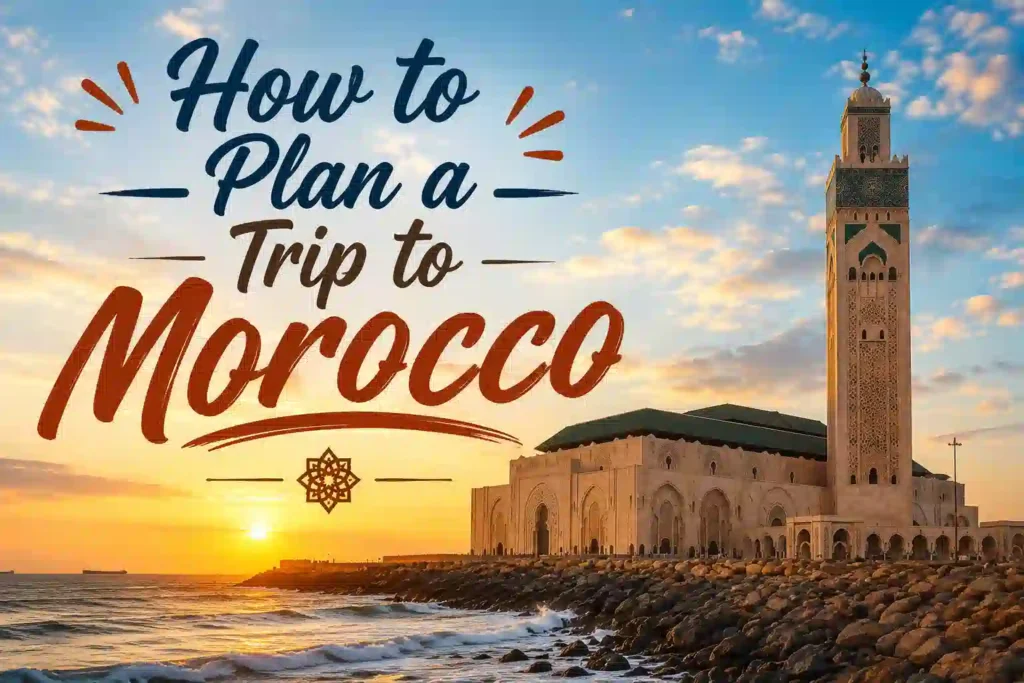
Planning a trip to Morocco is an extraordinarily exciting journey because this vibrant North African destination offers a rich and diverse mix of ancient imperial medinas, dramatic mountain ranges, stunning Atlantic coastlines, and the timeless, golden landscapes of the Morocco desert. Whether you are dreaming of wandering through lively, colorful souks filled with artisan crafts, experiencing an unforgettable Morocco night in the Sahara Desert under a breathtaking blanket of stars, or exploring historic winding alleys in world-famous cities, careful preparation will help you make the most of your adventure.
To ensure your journey runs smoothly, this how to plan a trip to Morocco guide and comprehensive Morocco vacation planner covers everything you need to know before visiting, ensuring your customized Morocco itinerary flows seamlessly from start to finish. Dive deep into our expert Morocco travel tips, discover the absolute best things to do in Morocco, and start mapping out your dream Morocco road trip or immersive Morocco desert tour today to elevate your holiday planning experience to the next level.
Table of Contents: How to Plan a Trip to Morocco?
Choose the Best Time to Visit Morocco
Morocco is a wonderful, year-round destination, but because its landscapes range from Mediterranean coasts and high mountain peaks to vast arid dunes, the ideal time for your Morocco vacation planner depends heavily on what you want to experience during your Morocco road trip or Morocco desert tour:
Spring (March–May): Widely considered one of the absolute best periods to utilize this Morocco travel guide for planning, spring offers pleasantly warm daytime weather, lush green landscapes in the countryside, and comfortable conditions for general sightseeing and outdoor activities.
Autumn (September–November): As the intense summer heat begins to subside, autumn brings crystal-clear skies and moderate temperatures, making it the premier window for exploring imperial cities, hiking the Atlas Mountains, and embarking on a Morocco desert tour.
Winter (December–February): While daytime sunshine remains gorgeous and clear across many regions, winter brings cooler temperatures and significant night chill, especially in the mountains and during any Morocco night in desert excursion, though it provides some of the crispest stargazing conditions of the year.
Summer (June–August): Summer brings high heat, making it the perfect season to focus your Morocco itinerary on coastal getaways like Essaouira and Agadir, while desert regions experience extreme daytime temperatures that require careful planning.
Decide How Many Days to Spend
Structuring your time effectively is essential for any successful Morocco vacation planner, ensuring you can balance bustling imperial cities with relaxing scenic getaways. Depending on how much time you have available, here are the most recommended travel itineraries to consider for your Morocco road trip:
3 Days: Ideal for a quick getaway focused strictly on exploring Marrakech and taking a short excursion into the foothills of the Atlas Mountains.
5 Days: Perfect for a balanced Morocco itinerary that allows you to experience the vibrant culture of Marrakech while extending your journey eastward for an unforgettable Morocco desert tour.
7 Days: The classic choice for a comprehensive Morocco travel guide experience, covering Marrakech, a magical Morocco night in desert adventure, and the historic streets of Fes.
10 Days: An extensive route that lets you dive deeper into things to do in Morocco by combining Marrakech, the Sahara Desert, Fes, and the iconic blue city of Chefchaouen.
14 Days: The ultimate holiday planning option for a grand Morocco road trip, encompassing Casablanca, Rabat, Essaouira, Tangier, the imperial centers, and the vast desert landscapes.
Choose the Places You Want to Visit
When mapping out your customized Morocco itinerary, selecting the right destinations is key to getting the most out of your Morocco vacation planner. Whether you are seeking ancient architecture, coastal breezes, or mountain vistas, here are the top locations to feature in your Morocco travel guide:
Marrakech: A vibrant cultural hub filled with bustling souks, historic palaces, and the lively energy of Jemaa el-Fnaa square.
Casablanca: The economic heartbeat of the country, famous for its grand modernist architecture and the magnificent Hassan II Mosque.
Fes: Home to the world’s largest living medieval medina, ancient tanneries, and rich spiritual heritage.
Chefchaouen: The famous blue pearl of Morocco, nestled in the Rif Mountains and offering incredible photography and relaxed walking streets.
Merzouga Sahara Desert: The gateway to towering golden sand dunes, ideal for an unforgettable Morocco desert tour and a magical Morocco night in desert experience.
Atlas Mountains: Dramatic peaks and traditional Berber villages that provide exceptional hiking and scenic views during any Morocco road trip.
Ouarzazate: Known as the gateway to the desert and the Hollywood of Morocco for its famous film studios.
Ait Ben Haddou: A stunning UNESCO World Heritage kasbah that serves as a masterpiece of earthen clay architecture.
Essaouira: A relaxed coastal sanctuary celebrated for its fortified ramparts, fresh seafood, and constant Atlantic winds.
Rabat: The elegant capital city featuring historical landmarks, lush gardens, and a peaceful oceanfront atmosphere.
Tangier: A historic gateway between Europe and Africa, blending international influences with coastal charm.
Book Your Accommodation
Finding the right place to stay is an essential part of any Morocco vacation planner, ensuring you rest comfortably after a long day of exploring. Depending on the style of your Morocco road trip or Morocco travel guide recommendations, the country offers a wide array of options:
Traditional Riads: Historic courtyard homes featuring stunning tilework and central gardens, usually located inside the ancient medinas of cities like Marrakech and Fes.
Luxury Hotels: High-end modern properties providing top-tier amenities, swimming pools, and world-class service across major urban centers.
Boutique Hotels: Stylish, intimate accommodations that blend local architectural traditions with contemporary design.
Desert Luxury Camps: Premium tented sites equipped with comfortable beds and private facilities, offering an unforgettable Morocco night in desert experience during a Morocco desert tour.
Guesthouses: Family-run properties that offer warm hospitality and an authentic glimpse into local daily life.
Surf Hostels: Relaxed and social accommodations located along the Atlantic coast, perfect for surfers and budget-conscious travelers.
Plan Your Transportation
Getting around smoothly is one of the most practical tips to include in any comprehensive Morocco travel guide. Because the country features diverse terrain ranging from modern highways to winding mountain passes, understanding your transport choices is vital for a seamless Morocco vacation planner experience:
Private Tours: Widely considered the most convenient and stress-free option for a Morocco road trip or a specialized Morocco desert tour, allowing you to travel comfortably with a dedicated driver.
Rental Cars: Gives you total freedom to explore your custom Morocco itinerary at your own pace, though navigating busy city medinas requires extra attention.
Trains: Operated by ONCF, the rail network connects major urban centers like Casablanca, Rabat, Fes, and Marrakech reliably and affordably.
Buses: Long-distance coach companies like CTM and Supratours offer extensive coverage to towns and regions not reached by the train lines.
Domestic Flights: Excellent for saving time if you need to travel quickly between distant regions, such as flying from Casablanca or Marrakech to the south.
Taxis: Petit taxis are ideal for getting around within cities (using meters), while grand taxis handle shared routes between nearby towns.
Don't Miss the Sahara Desert
No comprehensive Morocco travel guide or Morocco vacation planner is complete without experiencing the magnificent dunes of the Sahara. A desert excursion is widely considered one of the absolute top things to do in Morocco, offering a unique blend of natural wonder and cultural immersion for your Morocco itinerary:
Camel Trekking: Glide across the rolling sands at sunset or sunrise just like ancient nomadic caravans.
Luxury Desert Camp: Settle into high-end tented accommodations for an authentic Morocco night in desert adventure.
Quad Biking & Buggy Rides: Add an extra dose of adrenaline to your Morocco road trip by tearing across the open dunes.
Sandboarding: Try your hand at surfing down the steep, golden slopes of the erg.
4×4 Desert Excursions: Explore remote desert tracks and hidden oases with an experienced local driver on your Morocco desert tour.
Visiting Nomadic Families: Gain a rare, respectful glimpse into traditional desert life by sharing tea inside a nomad’s tent.
Khamlia Village: Listen to the soulful, hypnotic rhythms of traditional Gnawa music performed by local musicians.
Stargazing: Witness a crystal-clear celestial canopy untouched by light pollution during your night in the dunes.
Sunrise and Sunset over the Dunes: Watch the shifting colors of the sand transform from golden yellow to deep fiery red.
What Should You Pack?
Packing smartly will keep you comfortable throughout your Morocco road trip and ensure your Morocco vacation planner checklist is fully covered. Depending on the diverse regions featured in your Morocco travel guide, here are the essential items to bring along:
Comfortable Walking Shoes: Essential for navigating the uneven stone paths of historic medinas and ancient ruins during your Morocco itinerary.
Sunglasses & Sunscreen: Vital for protecting yourself against the bright North African sunshine, especially during a Morocco desert tour.
Hat: Keeps the harsh glare away while you explore bustling outdoor markets or ride across the dunes.
Light Clothing: Breathable fabrics like linen or cotton work best for hot daytime temperatures across most cities and regions.
Warm Jacket for Desert Nights: Crucial for staying cozy during any Morocco night in desert excursion, as temperatures drop sharply after sunset.
Camera: A must-have for capturing everything from blue mountain alleys to stunning desert landscapes.
Power Adapter: Morocco typically uses standard European-style two-round-pin plugs (Types C and E).
Reusable Water Bottle: Helps you stay hydrated sustainably while traveling across different regions.
Try Traditional Moroccan Food
Sampling the local cuisine is one of the most delightful highlights of any Morocco vacation planner journey. As you navigate your Morocco itinerary and explore different regions on your Morocco road trip, make sure to try these iconic dishes recommended in any good Morocco travel guide:
Tagine: Slow-cooked savory stews prepared in traditional conical earthenware pots with tender meat, vegetables, and aromatic spices.
Couscous: The national staple dish featuring steamed semolina grains topped with richly flavored meat and seasonal vegetables.
Pastilla: A unique sweet-and-savory Moroccan pie made of flaky pastry layers stuffed with spiced meat or chicken and dusted with cinnamon and sugar.
Harira: A hearty, traditional tomato-based soup packed with lentils, chickpeas, herbs, and tender pieces of meat.
Msemen: Delicious, flaky layered square pancakes that are typically served warm with honey and butter for breakfast or an afternoon snack.
Moroccan Bread (Khobz): Freshly baked round loaves served alongside almost every meal for scooping up tagines and salads.
Mint Tea: The famous national drink known as Moroccan whiskey, offering a sweet, refreshing blend of green tea and fresh mint leaves.
Fresh Orange Juice: Wonderfully sweet and freshly squeezed daily from local citrus groves, widely available at street stalls and cafes.
Travel Tips
Keeping a few practical insights in mind will ensure a smooth journey as you follow your Morocco vacation planner and explore the top things to do in Morocco highlighted in your Morocco travel guide:
Carry cash for small purchases: While major hotels and restaurants accept cards, having cash is essential for traditional souks, small cafes, and tipping during your Morocco road trip.
Dress respectfully: Opt for modest clothing that covers your shoulders and knees, especially when visiting rural areas, traditional villages, and sacred religious sites across your Morocco itinerary.
Bargaining is common: Haggling is a friendly, expected part of the shopping culture in local markets and artisan bazaars.
Learn a few basic phrases: Knowing a bit of Arabic (Darija) or French goes a long way in connecting with locals and showing respect for the culture.
Book desert tours in advance: Securing your spots early is crucial for high-demand experiences like a Morocco desert tour or a peak-season Morocco night in desert stay.
Frequently Asked Questions
Is Morocco safe for tourists?
Yes. Morocco is generally a very safe country for travelers. Following normal travel precautions, staying aware of your surroundings, and keeping an eye on your belongings will ensure a smooth journey throughout your Morocco itinerary.
Do I need a visa?
Many nationalities (including citizens of the EU, US, UK, Canada, and Australia) can enter Morocco visa-free for short stays up to 90 days. However, always check the latest entry requirements before finalizing your Morocco vacation planner.
What is the best way to explore Morocco?
A combination of private drivers, comfortable trains, and well-planned local transport allows you to experience the country comfortably. For remote areas, booking a dedicated Morocco desert tour or Morocco road trip is by far the most efficient option.
How much money should I budget?
Morocco comfortably suits all travel styles and budgets, from backpackers to luxury seekers. Daily costs depend heavily on your choice of accommodation, transportation style, and guided activities.
What is the official currency of Morocco, and can I use cards everywhere?
The official currency is the Moroccan Dirham (MAD). While credit cards are widely accepted in major hotels, upscale restaurants, and modern supermarkets in cities like Marrakech and Casablanca, you will definitely need cash (Dirhams) for small shops, traditional markets, tipping, and rural areas.
What language do people speak in Morocco?
The official languages are Arabic and Amazigh (Berber). However, French is heavily spoken in business, government, and tourism, and English is widely understood in major hotels, restaurants, and among tour guides.
What should I wear when traveling around Morocco?
It is recommended to dress modestly out of respect for local traditions, especially when visiting rural communities, religious sites, or older medinas. Lightweight, breathable clothing that covers your shoulders and knees is ideal for both men and women.
Can I drink tap water in Morocco?
It is generally recommended that travelers stick to bottled or filtered water for drinking and brushing teeth to avoid mild stomach upsets. Most hotels and restaurants provide bottled water, and it is easily purchased everywhere.
Is tipping customary in Morocco?
Yes, tipping (known locally as “pourboire”) is a standard and appreciated practice in the tourism and service industry. It is customary to tip local guides, drivers, hotel staff, and waiters for good service.
Conclusion
Embarking on a journey to North Africa is an extraordinary adventure that leaves every traveler with unforgettable memories, and careful preparation is the key to unlocking its magic. By utilizing a reliable Morocco vacation planner, mapping out a well-balanced Morocco itinerary, and following expert Morocco travel tips, you can experience everything from vibrant imperial medinas to peaceful mountain landscapes with absolute confidence.
Whether you are dreaming of a thrilling Morocco road trip, checking off the ultimate things to do in Morocco, or getting lost in the starlit beauty of a Morocco night in the desert during an immersive Morocco desert tour, this comprehensive Morocco travel guide has laid the foundation for your dream escape. Start finalizing your plans today, pack your bags, and get ready to experience the timeless wonder of Morocco firsthand!

I’m Lahcen Saadi from the Exploring Morocco Trips team. We are local guides dedicated to crafting authentic and exceptional Moroccan experiences.
Whether you are planning your first trip to Morocco and need expert advice, or you are a travel professional looking to collaborate on unique itineraries, we are ready to help.
- 2 Days Desert tours From Marrakech
- 3 Days Desert tour From Marrakech to Merzouga
- 3 Days Desert tour From Marrakech to Fes
- 4 Days Desert tour From Marrakech to Merzouga
- 4 Days Desert tour From Marrakech to Fes
- 5 Days Desert tour From Marrakech to Merzouga
- 5 Days Desert tour From Marrakech to Fes
- 6 Days Desert tour From Marrakech to Casablanca
- 7 Days Morocco tour from Marrakech
- 8 Days Morocco tour from Marrakech
- 8 Days Morocco tour from Marrakech with Imperial Cities
- 9 Days Morocco tour from Marrakech
- 10 Days Morocco tour from Marrakech
- 12 Days Morocco tour from Marrakech
- 14 Days Morocco tour from Marrakech
- 2 Days Desert tour From Fes to Merzouga
- 2 Days Desert tour From Fes to Marrakech
- 3 Days Desert tour From Fes to Merzouga
- 3 Days Desert tour From Fes to Marrakech
- 4 Days Desert tour From Fes to Marrakech
- 5 Days Desert tour From Fes to Marrakech
- 6 Days Desert tour From Fes to Marrakech
- 7 Days Morocco tour from Fes
- 4 Days Morocco tour from Casablanca
- 5 Days Morocco tour from Casablanca
- 6 Days Morocco tour from Casablanca
- 7 Days Morocco tour from Casablanca
- 8 Days Morocco tour from Casablanca
- 9 Days Morocco tour from Casablanca
- 10 Days Morocco tour from Casablanca
- 11 Days Morocco tour from Casablanca
- 12 Days Morocco tour from Casablanca
- 14 Days Morocco tour from Casablanca