
Is Marrakech Safe at Night? What You Need to Know Before Walking After Dark
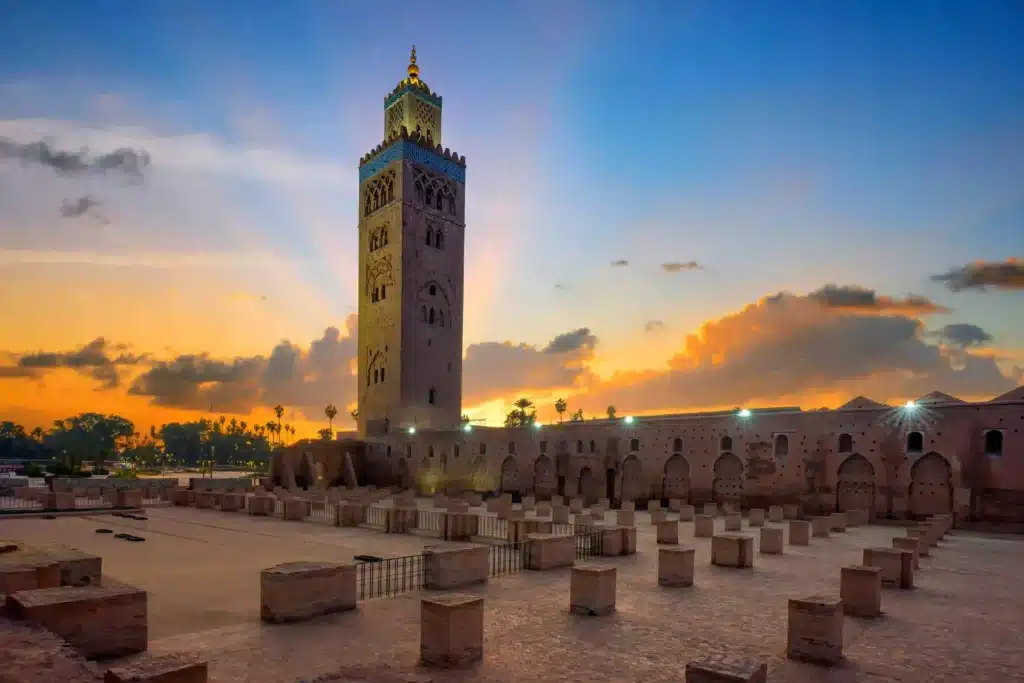
Marrakech is a city that completely transforms when the sun goes down. The daytime heat cools off, the lights turn on, and places like the famous Jemaa el-Fnaa square come alive with energy. But if you are planning your evening, a very natural question comes up: Is Marrakech safe at night?
The short answer is yes, Marrakech is generally safe at night for tourists, but navigating it after dark requires a completely different approach than exploring during the day. While violent crime is incredibly rare, the city’s nocturnal environment brings out different challenges—ranging from disorienting labyrinth streets to persistent local hustlers.
To help you enjoy the city’s nightlife with total peace of mind, let’s break down exactly what to expect when the night falls.
Table of Contents: Marrakech Safety
Understanding the Nighttime Safety in Marrakech
Statistically, Marrakech has a low violent crime rate, especially in areas heavily frequented by travelers. The local authorities place a massive priority on tourism security, meaning you will often see a visible presence of both regular and plainclothes tourist police (Brigade Touristique) keeping watch over major squares and main thoroughfares.
However, “safe” doesn’t mean “hassle-free.” The type of safety concerns you face in Marrakech after dark are almost exclusively related to opportunistic petty theft, scams, and navigation issues.
Because the city structure changes drastically depending on the neighborhood, your safety experience will largely depend on where you choose to walk.
Comparing Marrakech Neighborhoods After Dark
To truly understand the nightlife environment, you have to realize that Marrakech is divided into two distinct worlds: the ancient historic center and the modern city. Your experience walking around after dinner depends entirely on which side of the city you are exploring, as the layout, lighting, and crowds vary drastically between the old streets and the new districts.
Is Marrakech Medina Safe at Night?
The ancient walled city, known as the Medina, is the heart of the traditional tourist experience. During the evening, main thoroughfares like the paths leading directly to the Jemaa el-Fnaa square remain packed with people, brightly lit, and highly secure. There is a massive, visible presence of local authorities and plainclothes tourist police keeping a watchful eye on these high-traffic areas, making violent crime exceptionally rare.
However, the inner depths of the Medina are a massive labyrinth of over 9,000 narrow, winding alleyways. As soon as you step off the main market streets, the atmosphere shifts:
The Lighting Grid: Many secondary alleys are poorly lit or go completely dark after shop owners close their metal shutters around 9:00 PM or 10:00 PM.
The Ghost Town Effect: A bustling market street during the afternoon can turn into a completely deserted, silent stone corridor within minutes at night.
Dead Ends: It is incredibly easy to lose your sense of direction in the dark, which leaves tourists vulnerable to specific evening navigation scams.
While these dark alleys are not inherently dangerous or filled with violent crime, the lack of visibility and foot traffic means you should avoid wandering deep into residential, unlit corridors alone after midnight. Stick to the main, well-traveled arteries that lead directly back to your accommodation.
Is Gueliz Marrakech Safe for Nightlife?
If you step outside the ancient ramparts into the modern districts like Gueliz or Hivernage, you will encounter a completely different urban landscape. Built during the mid-20th century, these areas feature wide European-style boulevards, functional streetlights, modern traffic lanes, and a westernized layout that makes navigation incredibly straightforward.
Gueliz is the center of the modern culinary scene and nightlife, packed with upscale restaurants, trendy cafes, lounges, and international hotels.
High Visibility: Because the streets are wide and highly illuminated, the risk of getting disoriented or cornered in a dead end is virtually zero.
A Different Vibe: The safety concerns here shift away from traditional market scams and lean more toward standard nightlife elements found in any major international city, such as keeping an eye on your personal belongings in crowded bars or managing transport prices.
For travelers who feel claustrophobic or anxious navigating dark, tight spaces, spending evenings in Gueliz offers a relaxed, predictable, and highly secure environment.
Safe Neighborhoods to Stay in Marrakech
When choosing your base, picking the right location can dictate how comfortable you feel returning to your room late at night.
If you prefer the charm of a traditional Riad inside the historic center, look for properties located in areas like Mouassine or Kennaria. These neighborhoods are situated very close to the main square, meaning your walk home involves minimal time navigating deep, dark residential alleys.
Alternatively, if you value wide streets, easy taxi access, and bright sidewalks for midnight strolls, booking your accommodation in the modern district of Gueliz ensures an easy, well-lit walk back to your hotel door at any hour of the night.

Common Nighttime Scams and Safety Challenges
While the threat of serious crime is very low, the real challenge of exploring Marrakech after dark comes from opportunistic individuals looking to exploit confused or distracted tourists. The darkness changes the dynamic of the streets, and certain street behaviors become much more active during the late hours. Understanding how these situations work will help you spot them instantly and avoid unnecessary stress.
The Closed Street and Fake Guide Scam
This is one of the most frequent evening tricks played on travelers navigating the ancient alleys of the old city. When you are walking back to your Riad after dinner, a young man or a group of teenagers might casually approach you and say, “That road is closed for prayers,” “The gate is locked for the night,” or “There is a festival happening this way instead.”
In reality, the street is completely open. The goal of this tactic is simple:
The Set-Up: They want to make you panic or hesitate so you stop walking.
The Diversion: Once you believe the road is blocked, they will offer to show you a “shortcut” or a “safe way” back to the main square or your hotel.
The Pay-Off: After leading you through a confusing web of dark alleys, they will demand a steep cash payment for their services as a local guide. If you refuse, they can become verbally aggressive or persistent until you pay.
To avoid this, trust your offline navigation apps or map tools completely. If you are genuinely lost, never ask random groups standing on street corners. Instead, walk into an open shop, a well-lit restaurant, or ask a family or an older local shopkeeper for directions.
Navigating Late-Night Transport and Taxi Scams
Getting around the city late at night requires using the local taxi system, but the darkness often brings a steep rise in transport prices. Once the sun sets, a legal nighttime tariff goes into effect, which allows drivers to charge slightly more than the daytime rate. However, some drivers take advantage of the late hours to demand completely unfair, flat-rate prices.
The Meter Refusal: The most common issue is a driver refusing to turn on the taximeter (compteur), claiming it is broken or that meters do not apply after midnight.
Inflated Rates: They may quote a flat rate that is three or four times the actual value of the ride, assuming you have no other way to get home.
To handle this smoothly, always agree on the price before you sit inside the vehicle. If the driver refuses to use the meter, negotiate a fair, fixed price based on your distance. If the price feels completely unreasonable, simply walk away and hail the next taxi—there are always plenty of options available near the major gates and boulevards.
Managing Aggressive Street Vendors and Hassle After Dark
Major hubs like Jemaa el-Fnaa turn into a massive open-air theater at night, filled with food stalls, musicians, and performers. While the energy is incredible, the level of sales pressure can feel overwhelming under the cover of night.
Persistent Invitations: Food stall promoters will walk alongside you for several meters, using high-pressure tactics to get you to sit down at their specific numbers.
Unwanted Services: Henna artists or street performers might try to grab your hand or place an animal on your shoulder without your permission, demanding a large tip immediately afterward.
The best defense against late-night street hassle is absolute confidence. Maintain a polite but firm attitude. A direct eye contact, a clear “No, thank you” (or “La, Shukran” in Arabic), and continuing to walk forward without stopping is usually enough to signal that you are not interested.

Essential Tips for Solo Female Travelers and Families
Nighttime in Marrakech has a unique energy, but for specific groups like solo women or families with children, the experience requires a bit more intentional planning. While the city is welcoming, understanding the local social landscape will help you move through the streets with confidence.
Solo Female Safety: Blending In and Setting Boundaries
If you are a woman traveling alone, you will likely find that Marrakech is safe, but it can be loud. Verbal attention, such as “hellos,” compliments, or whistles—is common in the Medina after dark. It is rarely dangerous, but it can be tiring. To minimize this and stay secure, consider these strategies:
The Power of Modest Dress: Even in 2026, Marrakech remains a traditional city. Wearing clothing that covers your shoulders and knees, especially at night, acts as a “cultural shield.” It signals respect for local norms and significantly reduces the amount of unwanted street attention you receive.
The “Art of Ignoring”: If a stranger approaches you with an unwanted conversation or a “helpful” tip about a closed street, the most effective response is no response. Keep your eyes forward, maintain a “walking with purpose” pace, and do not feel obligated to be polite to everyone who speaks to you.
Arriving Late: If your flight or bus arrives after 10:00 PM, avoid trying to find your Riad in the Medina for the first time alone. Arrange a pre-booked airport transfer through your accommodation. Having a driver meet you at the gate and walk you directly to your door is the safest way to start your trip.
Is Marrakech Safe for Families at Night?
For those traveling with children, Marrakech is surprisingly family-friendly after dark. Moroccan culture is very child-centric, and it is common to see local families with young children eating dinner in Jemaa el-Fnaa or walking in Gueliz well past midnight.
Crowd Management: The biggest safety challenge for families isn’t crime, it’s the crowds and the traffic. In the Medina, motorbikes often zip through narrow alleys even at night. Keep children close to the walls and hold their hands firmly in crowded areas like the souks.
Safe Evening Activities: Stick to well-populated areas. The Hivernage district is excellent for families because of its wide sidewalks, luxury hotels, and calm atmosphere. If you are in the Medina, the main square is a giant playground of activity that kids usually find fascinating, provided you stay in the brightly lit sections.
Emergency Awareness: Always carry a business card from your hotel or Riad with the address written in Arabic. If you get separated or lost, you can easily show this to a shopkeeper or a police officer to get help.
Practical Safety Checklist for the Night
Before you leave your accommodation to enjoy the city’s nightlife, taking a few minutes to prepare will keep you safe and stress-free. Using a systematic approach ensures you can focus entirely on the incredible atmosphere without worrying about unexpected surprises.
Digital Connectivity and Navigation Setup
Your smartphone is your most valuable safety tool when walking around after dark, but it is only effective if you prepare it before stepping outside your door.
Battery Management: Navigating dark streets while using location services drains your phone battery rapidly. Always charge your device to 100% before heading out for dinner, and consider carrying a lightweight portable power bank in your bag.
The Power of Local Data: Relying entirely on hotel Wi-Fi leaves you vulnerable once you enter the street network. Pick up a local SIM card from a major provider like Maroc Telecom or Orange. Having active 4G or 5G data allows you to track your live position on map apps, look up restaurant reviews instantly, or order a ride-sharing service if you get turned around.
Pre-Loading Your Route: Before leaving your room, open your navigation app and pin the exact location of your Riad or hotel. This ensures that even if you temporarily lose your cellular signal in a deep stone corridor, your GPS will still guide you back to safety.
Smart Cash Management for Evening Outings
Marrakech runs heavily on cash, especially when it comes to late-night street food stalls, souk vendors, and traditional taxis. However, flashing large wads of money in crowded night markets makes you an immediate target for pickpockets.
The Two-Wallet System: Divide your money before you leave your room. Keep a small amount of cash, such as 20, 50, and 100Dirham notes, in an easily accessible pocket or a small coin purse. Use this pocket change to pay for quick items like a bottle of water, a glass of orange juice, or a short taxi ride.
Securing the Main Stash: Keep your larger bills, credit cards, and original passport locked securely inside your hotel room safe. If you must carry extra money or cards with you, keep them hidden deep inside an internal zippered pocket close to your body.
ATM Safety After Dark: If you need to withdraw cash at night, avoid using standalone ATMs on quiet, unlit side streets. Instead, look for bank branches located on major, busy boulevards in Gueliz or right on the edge of the main square where there is plenty of light and foot traffic.
Food and Health Safety Under the Stars
Exploring the culinary scene is a major part of the night experience, but a sudden stomach illness can easily ruin your trip. Staying healthy requires just a small amount of awareness about food handling practices.
Selecting the Right Food Stalls: When eating at the famous open-air evening stalls, look for the venues that are absolutely packed with local Moroccan families. A high turnover of customers means the ingredients are fresh, cooked thoroughly on the spot, and haven’t been sitting out under the night air for hours.
The Water Rule: Never drink tap water in Marrakech, and avoid ice cubes in drinks at smaller local stalls. Always check that the seal on your bottled water is intact before opening it.
Sanitation on the Go: Many traditional street food spots do not have running water for guests to wash their hands. Always slip a small bottle of hand sanitizer or a pack of antibacterial wipes into your pocket before heading out for a midnight snack.

Finding Your Rhythm After Dark in the Ochre City
Marrakech is a city of sharp contrasts, and this becomes most apparent after the sun sets. The vibrant sounds of the night market, the aroma of spices wafting from open-air food stalls, and the beautifully illuminated historic walls create an unforgettable travel experience.
Ultimately, staying safe in Marrakech at night comes down to preparation, spatial awareness, and confidence. By understanding the distinct personalities of neighborhoods like the ancient Medina and modern Gueliz, recognizing common evening street scams, and moving with a clear sense of purpose, you can easily avoid unwanted hassle.
As long as you keep your wits about you, respect the local customs, and use practical navigation tools, exploring this historic Moroccan destination after dark is not only safe, but it will likely become the absolute highlight of your entire journey.

Your Local Experts
I’m Lahcen Saadi from the Exploring Morocco Trips team. We are local guides dedicated to crafting authentic and exceptional Moroccan experiences.
Whether you are planning your first trip to Morocco and need expert advice, or you are a travel professional looking to collaborate on unique itineraries, we are ready to help.
Plan Your Trip: Click any destination to see more
Best Morocco tours
- 3 Days Desert tour From Marrakech to Merzouga
- 3 Days Desert tour From Marrakech to Fes
- 3 Days Desert tour From Fes to Marrakech
- 4 Days Desert tour From Marrakech to Merzouga
- 4 Days Desert tour From Marrakech to Fes
- 4 Days Desert tour From Fes to Marrakech
- 5 Days Desert tour From Marrakech to Merzouga
- 5 Days Desert tour From Fes to Marrakech
Grand Morocco tours
- 7 Days Morocco tour from Marrakech
- 7 Days Morocco tour from Fes
- 7 Days Morocco tour from Casablanca
- 8 Days Morocco tour from Marrakech
- 8 Days Morocco tour from Casablanca
- 9 Days Morocco tour from Marrakech
- 9 Days Morocco tour from Casablanca
- 10 Days Morocco tour from Casablanca
- 12 Days Morocco tour from Casablanca
- 14 Days Morocco tour from Casablanca