
Is Rabat Worth Visiting? Here's Why Morocco's Capital Deserves Your Time
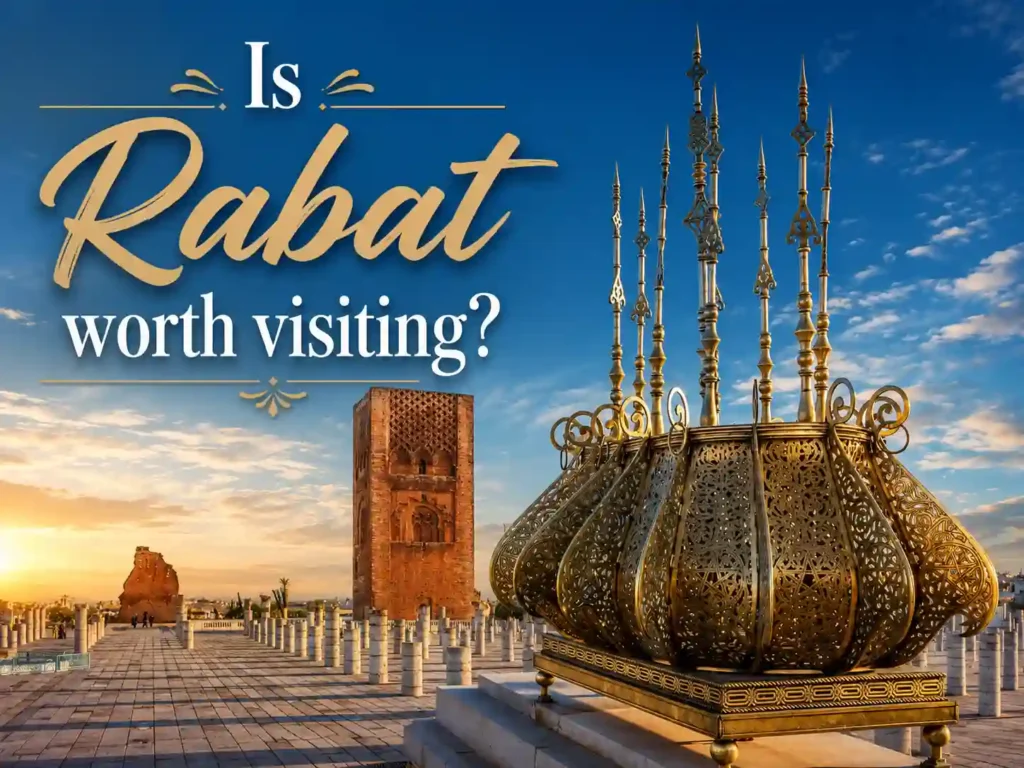
When planning a comprehensive Morocco travel guide or mapping out your ultimate Rabat itinerary, many international travelers immediately focus on destinations like Marrakech or the northern blue city, frequently overlooking the country’s magnificent coastal political hub. This often leads to the common question: Is Rabat worth visiting? The definitive answer is an overwhelming yes! As the thriving Moroccan capital city, Rabat delivers an exceptionally harmonious blend of ancient imperial heritage and vibrant contemporary life.
When you visit Rabat, Morocco, you step into a remarkably clean, peaceful, and culturally rich environment set right along the scenic Atlantic coastline. Whether you are looking to explore iconic Rabat attractions like the majestic Hassan Tower, wander through the picturesque blue-and-white alleys of the Kasbah of the Udayas, uncover the fascinating medieval ruins at Chellah Rabat, or simply experience the authentic daily rhythm of the local Rabat medina, this coastal gem offers a refreshing alternative to the overwhelming crowds found elsewhere. Dive into our complete Rabat travel guide to discover why exploring Rabat and its surrounding historical treasures deserves a prominent place on your upcoming North African travel itinerary.
Table of Contents
Why Visit Rabat?
Rabat stands out as one of North Africa’s most rewarding destinations, offering an exceptionally clean, peaceful, and well-organized urban environment that sets it apart from many other bustling Moroccan hubs. For travelers seeking to experience authentic history and vibrant daily culture without navigating massive, overwhelming crowds, the country’s coastal political center provides an ideal atmosphere.
Key advantages and highlights of choosing this destination include:
Exceptional Cleanliness and Calm: The city boasts impeccably maintained streets, quiet neighborhoods, and a relaxed ambiance that makes walking and exploring exceptionally pleasant.
Rich Historic Monuments: Home to world-class architectural landmarks and UNESCO World Heritage sites that reflect centuries of royal and imperial heritage.
Stunning Atlantic Coastline: Beautiful ocean views, refreshing sea breezes, and scenic coastal paths that offer a wonderful contrast to inland destinations.
Charming Traditional Medina: A peaceful, authentic old shopping quarter where visitors can browse traditional crafts without high-pressure sales tactics.
Modern Infrastructure: Features a seamless, efficient modern tram system and well-paved roads that make getting around effortless for international tourists.
Diverse Dining Scene: Excellent local and international restaurants ranging from traditional seaside cafes to fine dining establishments.
Top Things to Do in Rabat
Rabat is packed with historical wonders, stunning architecture, and coastal beauty. Here are the essential landmarks and activities you must include on your journey:
Visit Hassan Tower: This is one of Rabat’s most famous and iconic landmarks. Built in the 12th century, this majestic unfinished minaret stands proudly as a historic symbol of the city’s grand imperial past.
Explore the Kasbah of the Udayas: Step inside a breathtaking fortress featuring picturesque blue-and-white streets that overlook the Atlantic Ocean. Wander through its narrow, historic alleys and discover tranquil traditional gardens and stunning coastal viewpoints.
Visit the Mausoleum of Mohammed V: Located just next to the Hassan Tower, this magnificent royal mausoleum is celebrated as one of Morocco’s finest architectural masterpieces and stands as a deeply revered national monument.
Wander Around Rabat Medina: Much smaller, calmer, and more relaxed than the bustling medinas found in Marrakech or Fes, this old quarter allows visitors to comfortably shop for handmade crafts, traditional carpets, delicate ceramics, aromatic spices, and unique souvenirs.
Relax at Rabat Beach: The city’s scenic Atlantic coastline offers a wonderful seaside escape that is ideal for peaceful coastal walks, surfing sessions, watching breathtaking sunsets, or simply unwinding by the sea.
Discover Chellah: Step back in time at this ancient Roman and medieval archaeological site. It features fascinating historic ruins, lush overgrowing gardens, and quiet, peaceful walking paths rich with history.
Best Time to Visit Rabat
Planning your trip during the optimal season ensures the most comfortable and enjoyable sightseeing experience across the capital:
Spring (March–May): Widely considered one of the best times to visit, offering blooming gardens, comfortable daytime temperatures, and ideal weather for walking outdoors.
Autumn (September–November): Features mild, pleasant climates and smaller crowds, making it perfect for exploring historic monuments and coastal paths at a relaxed pace.
Mild Year-Round Climate: Thanks to its pleasant Atlantic weather, sightseeing remains comfortable throughout most months of the year, avoiding extreme summer heat waves found in inland regions.
Is Rabat Safe?
Rabat is widely recognized as one of the safest cities in Morocco, providing a secure and welcoming environment for all types of travelers.
Key safety advantages include:
Clean and Well-Lit Streets: The city’s organized urban planning and well-maintained public spaces contribute to a secure feel, whether you are walking during the day or evening.
Modern Infrastructure: Reliable public transport, clear signage, and a smooth modern tram system make navigating the capital straightforward and stress-free.
Relaxed Atmosphere: Unlike some high-pressure tourist hubs, Rabat offers a calm, laid-back vibe where visitors can explore comfortably without constant hassle.
Ideal for All Travelers: Thanks to its peaceful nature and high security standards, it is an exceptional destination for solo travelers, couples, and families alike.
How Many Days Should You Spend in Rabat?
Deciding on the right duration for your stay depends on your travel style and how deeply you want to immerse yourself in the city’s offerings:
1 to 2 Days (Ideal Duration): A stay of one to two days is more than enough time to explore the city’s main attractions, iconic monuments, and coastal highlights comfortably.
Extended Stays: If you deeply enjoy spending time in museums, uncovering deep historical layers, or taking long, relaxing coastal walks by the Atlantic, you may easily want to extend your stay to three days or longer.
Practical Travel Tips for Exploring Rabat
Maximizing your experience in Morocco’s capital goes beyond just visiting monuments; understanding local logistics and cultural nuances ensures a smooth and memorable journey:
Getting Around the City: Rabat features an exceptionally efficient and modern tram network that connects major neighborhoods, train stations, and key landmarks quickly and affordably. Official red petit taxis are also readily available for short urban trips; just ensure the driver uses the meter.
Navigating Money and Currency: The local currency is the Moroccan Dirham (MAD). While major hotels, upscale restaurants, and modern supermarkets accept international credit cards, carrying cash is essential for small purchases in the medina, local artisan shops, and traditional cafes. ATMs are widely accessible across the city.
Language and Communication: Arabic is the official language, and Moroccan Darija is spoken locally. However, French is widely used in business, administration, and upscale hospitality, while English is increasingly spoken by younger locals, shopkeepers, and staff in tourist-facing areas.
Cultural Etiquette and Dress Code: While Rabat is a modern, progressive coastal city, dressing modestly, covering shoulders and knees, is appreciated, especially when visiting religious sites or walking through traditional quarters like the medina. Always ask for permission before taking photos of local artisans or residents.
Where to Stay and Local Food Culture in Rabat
Finding the right neighborhood to stay in and discovering the local culinary scene will completely elevate your Moroccan capital experience:
Best Neighborhoods for Accommodation: Choosing where to stay depends entirely on the vibe you prefer. Staying near the historical Medina or close to the Kasbah of the Udayas puts you right next to ancient landmarks and stunning ocean views. Alternatively, the modern Ville Nouvelle district offers wide French-colonial avenues, great cafes, upscale hotels, and seamless access to the tram system.
Traditional Moroccan Cuisine: Rabat offers an incredible food culture that blends coastal freshness with traditional flavors. Make sure to try classic Moroccan dishes like rich slow-cooked tagines, savory couscous, and pastilla. Because it’s a coastal city, you can also enjoy exceptionally fresh seafood caught straight from the Atlantic Ocean daily.
Local Cafes and Street Food: The city has a vibrant cafe culture where locals gather to drink sweet Moroccan mint tea or coffee. Exploring smaller local spots allows you to taste delicious street snacks, freshly baked breads, and traditional pastries without breaking your budget.
Frequently Asked Questions
Is Rabat worth visiting?
Yes, absolutely! Rabat combines rich history, stunning imperial architecture, peaceful gardens, and a relaxed Atlantic coastline, making it one of the most rewarding and stress-free cities to explore in Morocco.
Is Rabat better than Casablanca?
Rabat is much quieter, cleaner, and richer in historic heritage, while Casablanca is larger, faster-paced, and more modern. Both offer completely different experiences depending on what kind of trip you want.
What is Rabat famous for?
Rabat is famous for iconic landmarks like the Hassan Tower, the blue-and-white Kasbah of the Udayas, the grand Mausoleum of Mohammed V, the ancient Roman ruins of Chellah, and its UNESCO-listed historic center.
Can you visit Rabat in one day?
Yes, you can see the main highlights in a full-day itinerary. However, staying overnight allows you to explore the city at a much more relaxed pace without feeling rushed.
What is the best way to get around Rabat?
Rabat is extremely easy to navigate using its modern, clean, and efficient tram system, which connects the city center, train stations, and key neighborhoods. For shorter trips, official red petit taxis are widely available and affordable (just make sure the driver turns on the meter).
Is Rabat a good destination for families and solo travelers?
Yes, Rabat is one of the best cities in Morocco for both solo travelers and families. Its peaceful atmosphere, low crime rate, clean streets, and lack of aggressive tourist hassle make exploring very comfortable and safe.
What language is spoken in Rabat?
Arabic is the official language, and Moroccan Arabic (Darija) is spoken locally. French is also widely used in business, administration, and upscale restaurants, while English is increasingly understood by younger locals and people working in tourism.
Do I need cash, or can I use cards in Rabat?
While major hotels, supermarkets, and upscale restaurants accept international credit cards, having cash (Moroccan Dirhams) is essential. You will need cash for small purchases in the medina, local artisan shops, tipping, and paying for traditional cafes or taxis.
What is the dress code like in Rabat?
Rabat is a relatively modern and progressive coastal capital, but it is still a conservative Muslim country at heart. Dressing modestly—covering your shoulders and knees, is recommended, especially when walking through traditional neighborhoods like the medina or visiting religious sites.
Conclusion
If you have been wondering whether Morocco’s political hub deserves a spot on your travel schedule, the answer is a resounding yes. Rabat delivers a refreshing, clean, and peaceful escape that contrasts wonderfully with the chaotic energy found in other major destinations. From wandering through the historic blue-and-white alleys of the Kasbah of the Udayas and marveling at the majestic Hassan Tower to enjoying fresh Atlantic seafood and relaxing by the coast, this capital city offers a deeply rewarding experience.
Whether you are planning a quick day trip or a relaxing multi-day stay, exploring Rabat’s rich heritage, stunning architecture, and welcoming atmosphere is guaranteed to make your Moroccan journey truly unforgettable.

I’m Lahcen Saadi from the Exploring Morocco Trips team. We are local guides dedicated to crafting authentic and exceptional Moroccan experiences.
Whether you are planning your first trip to Morocco and need expert advice, or you are a travel professional looking to collaborate on unique itineraries, we are ready to help.
- 2 Days Desert tours From Marrakech
- 3 Days Desert tour From Marrakech to Merzouga
- 3 Days Desert tour From Marrakech to Fes
- 4 Days Desert tour From Marrakech to Merzouga
- 4 Days Desert tour From Marrakech to Fes
- 5 Days Desert tour From Marrakech to Merzouga
- 5 Days Desert tour From Marrakech to Fes
- 6 Days Desert tour From Marrakech to Casablanca
- 7 Days Morocco tour from Marrakech
- 8 Days Morocco tour from Marrakech
- 8 Days Morocco tour from Marrakech with Imperial Cities
- 9 Days Morocco tour from Marrakech
- 10 Days Morocco tour from Marrakech
- 12 Days Morocco tour from Marrakech
- 14 Days Morocco tour from Marrakech
- 2 Days Desert tour From Fes to Merzouga
- 2 Days Desert tour From Fes to Marrakech
- 3 Days Desert tour From Fes to Merzouga
- 3 Days Desert tour From Fes to Marrakech
- 4 Days Desert tour From Fes to Marrakech
- 5 Days Desert tour From Fes to Marrakech
- 6 Days Desert tour From Fes to Marrakech
- 7 Days Morocco tour from Fes
- 4 Days Morocco tour from Casablanca
- 5 Days Morocco tour from Casablanca
- 6 Days Morocco tour from Casablanca
- 7 Days Morocco tour from Casablanca
- 8 Days Morocco tour from Casablanca
- 9 Days Morocco tour from Casablanca
- 10 Days Morocco tour from Casablanca
- 11 Days Morocco tour from Casablanca
- 12 Days Morocco tour from Casablanca
- 14 Days Morocco tour from Casablanca