
Is Tangier Safe? An Honest Guide for Travelers
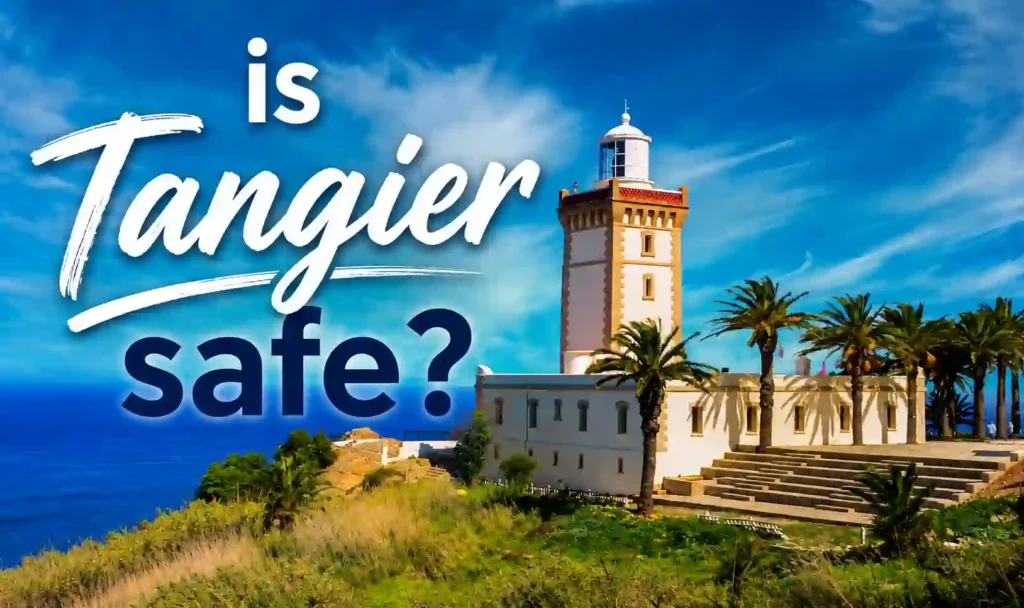
Tangier has a reputation problem that doesn’t quite match reality anymore. Old guidebooks and secondhand stories still paint it as a gritty port city best avoided, but anyone who’s actually walked through it recently will tell you a different story. Sitting where the Atlantic meets the Mediterranean, with Spain visible across the water on a clear day, Tangier has spent the last decade cleaning itself up, and today it’s one of the most comfortable Moroccan cities for a first-time visitor to explore.
This guide gives you a straight answer to the question that keeps coming up before people book: is Tangier actually safe? We will go through what real risks look like, which neighborhoods to stick to, whether it’s safe at night, what solo and female travelers should know, common scams, and how Tangier fits into a bigger Morocco trip that might include a proper desert excursion.
Table of Contents
Is Tangier Safe? The Short Answer
Yes. Tangier is generally a low-risk destination for tourists, and most trips here go completely smoothly. Violent crime against visitors is rare, and the government has put real effort into tourism safety over the past several years, including a noticeably stronger police presence and CCTV coverage around the medina, the port, and the main tourist areas.
The real, everyday concerns in Tangier are smaller than most people expect: pickpocketing in crowded spots, taxi drivers who try to skip the meter, and the occasional overly persistent “guide” near the medina gates. None of this is unique to Tangier, it’s the same kind of thing you’d watch out for in any busy port city or tourist hub anywhere in the world.
What Kind of Risks Should You Actually Expect?
Violent crime is low and rarely, if ever, targets tourists. Petty theft is the most realistic issue, especially pickpocketing in crowded medina lanes, on public transport, and around the port area, where tight spaces and distracted travelers make easy targets. Scams tend to involve unofficial “guides” offering unsolicited tours, or taxi drivers quoting one price and trying to push for more once you’ve arrived. Traffic can also be a bit chaotic near the port and main boulevards, so crossing streets with a bit of extra caution is worth it.
None of these amount to anything dangerous in the traditional sense, more a case of small hassles that are completely avoidable once you know what to expect.
Best Neighborhoods to Stay In
Where you base yourself shapes a lot of how comfortable your Tangier trip feels. A handful of areas consistently come up as the safest and most convenient for visitors:
- Ville Nouvelle: The modern part of the city, with wide boulevards, cafés, and a noticeably European feel. A popular choice for a first stay in Tangier.
- Kasbah: The historic hilltop quarter above the medina, quieter and considered one of the most secure, atmospheric places to stay.
- Corniche and Malabata: Tangier’s seafront stretch, known for its promenade, restaurants, and beaches, and generally comfortable to walk in the evening thanks to steady foot traffic.
- Medina (for a short stay): Worth experiencing for its winding lanes and traditional architecture, though many travelers prefer to base themselves just outside it for a bit more quiet at night.
Hotels and riads in these areas commonly offer round-the-clock security, which adds an extra layer of comfort, particularly for solo travelers.
Is Tangier Safe at Night?
Generally, yes, in the right places. The Corniche, Malabata, the Kasbah, and central Ville Nouvelle stay lively into the evening, with plenty of people out at restaurants and seaside cafés, which naturally makes these areas feel comfortable after dark. As with most cities, quieter side streets and less familiar neighborhoods are better avoided late at night, and taking a taxi rather than walking long distances is a simple, sensible habit once the sun goes down.
Is Tangier Safe for Solo and Female Travelers?
Yes, and many solo travelers, including women, describe Tangier as noticeably more relaxed than busier cities like Marrakech. The visible police presence in tourist areas helps, and most solo travelers feel comfortable exploring the medina, the Corniche, and the city center during the day without issue.
Solo women may occasionally get some unwanted attention or comments, particularly in busy public spaces, but this tends to be verbal rather than threatening. Dressing modestly, staying in well-reviewed accommodation, and sticking to busy, well-lit areas after dark all help make the experience smoother. Booking a licensed guide for your first walk through the medina is also a genuinely useful way to ease into the city, especially if it’s your first stop in Morocco.
Is Tangier Safe for Families with Kids?
Tangier is generally a comfortable, manageable destination for families. The Corniche area is particularly family-friendly, with wide promenades, beach access, and plenty of restaurants that work well for kids, while the calmer pace compared to Marrakech or Fes makes it easier to navigate with a stroller or young children in tow.
A few things make family travel smoother here: sidewalks in Ville Nouvelle and along the Corniche are wider and easier to manage than the narrow medina lanes, and there’s less of the sensory overload that can overwhelm younger travelers in busier cities. The medina is still worth a visit as a family, just plan for shorter visits during the busiest hours and keep a close eye on kids in the more crowded lanes near the entrances, where foot traffic bunches up.
Health and Medical Safety in Tangier
Tangier has decent medical infrastructure by Moroccan standards, with several private clinics and hospitals in the Ville Nouvelle equipped to handle most traveler health concerns, from minor injuries to more serious issues. Pharmacies are easy to find throughout the city and are generally well-stocked, with pharmacists often able to help directly with minor ailments without needing a doctor’s visit.
Tap water is treated but many travelers still prefer bottled water, which is cheap and widely available. As with anywhere in Morocco, travel insurance that covers medical treatment is worth having, and it’s smart to know the location of the nearest private clinic to wherever you’re staying, just as a precaution rather than an expectation of needing it.
Money, ATMs, and Safety Tips for Handling Cash in Tangier
ATMs are widely available throughout Ville Nouvelle and near the main tourist areas, and using ones attached to bank branches rather than standalone street machines is generally the safer choice. Withdrawing cash during daylight hours in busy areas is a simple habit that reduces risk even further.
Credit cards are accepted at most hotels, larger restaurants, and shops catering to tourists, but smaller vendors, taxis, and medina shops often expect cash, so it’s worth carrying a reasonable amount of dirhams in smaller denominations for everyday spending. Keeping the bulk of your cash and your passport in your hotel safe, and carrying only what you need for the day, is one of the easiest ways to avoid becoming a target for petty theft.
Common Scams to Watch For
A few situations show up repeatedly in traveler reports, and knowing about them ahead of time takes most of the sting out:
- Unofficial guides near medina entrances, offering directions or a tour for a fee. A polite decline and continuing to walk usually ends it.
- Taxi fare disputes, where a driver either refuses to use the meter or agrees on a price and then pushes for more later. Agreeing on a fare clearly before getting in, or using a trusted ride app, avoids this entirely.
- Distraction techniques in crowded areas, sometimes used to lift a phone or wallet while your attention is elsewhere. Keeping bags zipped and valuables out of easy reach handles this well.
Getting Around Tangier Safely
Official blue petit taxis are the standard way to get around the city, and it’s worth insisting on the meter every time or agreeing on a price before you get in. Ride-hailing apps offer a more predictable, no-negotiation alternative, particularly useful after dark. If you’re arriving by ferry from Spain, Tangier’s port is well-monitored and secure, and getting from the port into the city center is straightforward by taxi.
Tangier is also well connected to the rest of Morocco by high-speed train, making it easy to continue on to Rabat or Casablanca, or to take a day trip up to Chefchaouen or nearby Tetouan if your itinerary allows.
Tangier vs Other Moroccan Cities: How Does It Compare on Safety?
Travelers often ask how Tangier stacks up against Morocco’s other major cities when it comes to safety, and the honest answer is that it holds its own quite well:
- Tangier vs Marrakech: Tangier tends to feel calmer and less overwhelming, with fewer aggressive touts around the main tourist areas compared to Marrakech’s busier souks and squares.
- Tangier vs Casablanca: Both are coastal, modern-feeling cities, but Tangier’s smaller size makes it easier to get oriented quickly, while Casablanca’s larger scale means more spread-out neighborhoods to navigate.
- Tangier vs Fes: Fes has a denser, more maze-like medina that can feel disorienting for first-timers, whereas Tangier’s medina is more compact and easier to explore independently.
None of these comparisons suggest any city is unsafe, they’re more about which pace and layout suits your travel style, and Tangier generally ranks as one of the more approachable options for first-time visitors to Morocco.
Best Time to Visit Tangier for a Comfortable, Safe Trip
Tangier’s coastal location gives it a milder climate than inland cities like Marrakech or Fes, which affects both comfort and safety in practical ways. Spring and autumn bring pleasant temperatures that make walking around the city and medina genuinely enjoyable, while summer can get busy with both tourists and ferry traffic from Spain, meaning a bit more crowding in the port area and popular streets.
Winter is mild but can bring rain and stronger Atlantic winds, which is worth keeping in mind if your plans include the beaches along the Corniche. Traveling outside the peak summer crowds generally makes for a calmer, easier-to-navigate experience overall, with shorter lines and less congestion around the main sights.
Practical Safety Tips for Visiting Tangier
- Keep valuables secure in crowded places, particularly in medina lanes, on public transport, and around the port.
- Agree on taxi fares upfront or insist on the meter, since fare disputes are one of the more common tourist frustrations here.
- Stick to well-lit, busy streets at night, and use a taxi rather than walking long distances after dark.
- Consider a licensed guide for your first medina visit, especially if Tangier is your first stop in Morocco.
- Book accommodation in the Ville Nouvelle, Kasbah, or along the Corniche for the most comfortable, secure stay.
- Save the tourist police number before you arrive. Saying “tourist police” is often enough to get help even across a language barrier.
- Keep your passport and larger sums of cash in your hotel safe rather than carrying everything with you around the city.
Is Tangier a Good First Stop in Morocco?
For a lot of first-time visitors, yes. Tangier tends to feel smaller, easier to navigate, and more relaxed than Marrakech or Fes, which makes it a genuinely comfortable place to ease into the country before heading further south. Its blend of Arab, Berber, and European influences, along with its coastal setting and easy train connections, make it a solid starting point for a wider Morocco itinerary.
How Tangier Fits Into a Bigger Morocco Trip
Most travelers use Tangier as either an arrival point, particularly if coming by ferry from Spain, or as a stop before heading deeper into the country toward the imperial cities and eventually the Sahara. If you’re planning a fuller route, our Morocco itineraries page breaks down options of different lengths to help you map out where Tangier fits best.
If a desert excursion is part of your plan, Tangier desert tours let you head straight from the city toward the Sahara without backtracking through Marrakech first. Depending on your route, Marrakech desert tours, Fes desert tours, and Ouarzazate desert tours are also worth comparing, and our full Morocco desert tours page covers everything we offer across different starting cities and trip lengths.
If you’re not sure how to connect Tangier with the rest of your Morocco trip, or want help building a route that starts safely and comfortably in the north before heading toward the mountains and desert, feel free to get in touch with our team. We help travelers put together routes like this regularly and are happy to talk through what would work best for you.
Frequently Asked Questions About Tangier Safety
Is Tangier safe to visit right now?
Yes, Tangier is generally considered safe for tourists, with most visitors having trouble-free trips. The main concerns are petty crime and minor scams rather than violent crime, which remains rare against visitors.
What is the safest area to stay in Tangier?
The Ville Nouvelle, the Kasbah, and the Corniche/Malabata seafront area are consistently recommended as the safest, most comfortable choices for tourists, often with hotels offering round-the-clock security.
Is it safe to walk around Tangier at night?
In well-lit, busy areas like the Corniche, Malabata, and central Ville Nouvelle, yes. As with most cities, it’s best to avoid quiet, unfamiliar streets after dark and take a taxi for longer distances.
Is Tangier safe for solo female travelers?
Generally yes, and many describe it as more relaxed than busier cities like Marrakech. Dressing modestly, staying aware of surroundings, and choosing well-reviewed accommodation all help ensure a comfortable stay.
Is Tangier safe for families traveling with children?
Yes, particularly around the Corniche and Ville Nouvelle, where wide sidewalks and a calmer pace make it easier to manage with kids compared to busier medinas elsewhere in Morocco.
What's the most common safety issue in Tangier?
Pickpocketing in crowded areas like the medina, public transport, and the port, along with occasional taxi fare disputes, are the most common issues tourists encounter, far more than any violent crime concern.
Is Tangier a good first stop for visiting Morocco?
Yes, for a lot of first-time visitors. It tends to feel smaller and more relaxed than Marrakech or Fes, making it an easier place to get comfortable before heading further into the country.
Should I hire a guide for the Tangier medina?
It’s a good idea, especially for your first visit. A licensed guide handles orientation, deals with everything, and helps you get a feel for the medina quickly and comfortably.
Can I combine Tangier with a Sahara Desert trip?
Yes. Multi-day desert tours run directly from Tangier, letting you head toward the Sahara without needing to backtrack through Marrakech first.
Final Thoughts
Tangier’s old reputation as a rough, best-avoided port city is well out of date. Today it’s a city that rewards a bit of basic street smarts with a genuinely rich, comfortable travel experience, historic medina lanes, a modern seafront, and a cultural mix you don’t quite get anywhere else in Morocco. Stick to the well-established neighborhoods, keep an eye on your belongings in crowded spots, and Tangier is every bit as visitable as any other major coastal city, with the added bonus of being one of the easier places in the country for a first-time visitor to find their footing.
If you are planning a Morocco trip that starts or passes through Tangier and want help building out the rest of your itinerary, including a desert excursion, reach out to us and we’ll help you put together a route that fits your travel style.

I’m Lahcen Saadi from the Exploring Morocco Trips team. We are local guides dedicated to crafting authentic and exceptional Moroccan experiences.
Whether you are planning your first trip to Morocco and need expert advice, or you are a travel professional looking to collaborate on unique itineraries, we are ready to help.
- 2 Days Desert tours From Marrakech
- 3 Days Desert tour From Marrakech to Merzouga
- 3 Days Desert tour From Marrakech to Fes
- 4 Days Desert tour From Marrakech to Merzouga
- 4 Days Desert tour From Marrakech to Fes
- 5 Days Desert tour From Marrakech to Merzouga
- 5 Days Desert tour From Marrakech to Fes
- 6 Days Desert tour From Marrakech to Casablanca
- 7 Days Morocco tour from Marrakech
- 8 Days Morocco tour from Marrakech
- 8 Days Morocco tour from Marrakech with Imperial Cities
- 9 Days Morocco tour from Marrakech
- 10 Days Morocco tour from Marrakech
- 12 Days Morocco tour from Marrakech
- 14 Days Morocco tour from Marrakech
- 2 Days Desert tour From Fes to Merzouga
- 2 Days Desert tour From Fes to Marrakech
- 3 Days Desert tour From Fes to Merzouga
- 3 Days Desert tour From Fes to Marrakech
- 4 Days Desert tour From Fes to Marrakech
- 5 Days Desert tour From Fes to Marrakech
- 6 Days Desert tour From Fes to Marrakech
- 7 Days Morocco tour from Fes
- 4 Days Morocco tour from Casablanca
- 5 Days Morocco tour from Casablanca
- 6 Days Morocco tour from Casablanca
- 7 Days Morocco tour from Casablanca
- 8 Days Morocco tour from Casablanca
- 9 Days Morocco tour from Casablanca
- 10 Days Morocco tour from Casablanca
- 11 Days Morocco tour from Casablanca
- 12 Days Morocco tour from Casablanca
- 14 Days Morocco tour from Casablanca