
Kasbah Ait Ben Haddou: Morocco's Ancient Desert Fortress
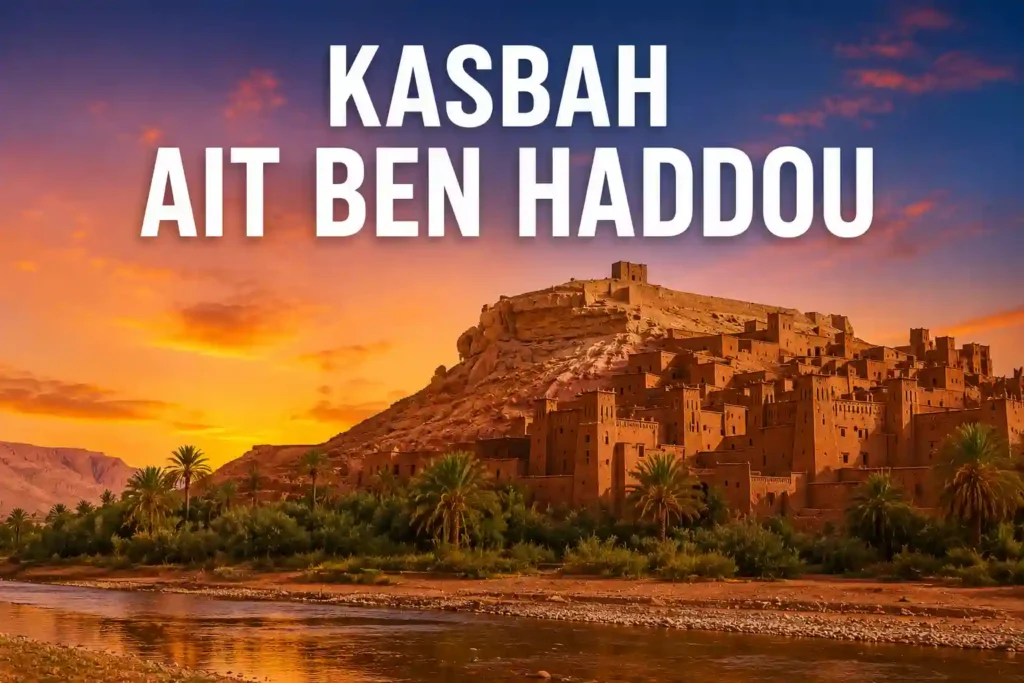
Welcome to one of Morocco’s most mesmerizing landmarks! Nestled along the sun-drenched slopes of the High Atlas Mountains, Kasbah Ait Ben Haddou stands as a breathtaking testament to centuries of history and traditional Berber architecture. This iconic mud-brick masterpiece is more than just a cluster of ancient walls; it is a vivid portal into the past, where time seems to have stood still amidst the desert winds.
Whether you are a history enthusiast, a cinema lover seeking out legendary filming locations, or a traveler chasing the authentic spirit of North Africa, Ait Ben Haddou offers an experience like no other. As a UNESCO World Heritage Site, it captures the essence of Morocco’s cultural heritage and provides a stunning backdrop that has captivated visitors and filmmakers from all corners of the globe for decades. Join us as we explore everything you need to know about visiting this Moroccan jewel and why it remains an essential stop on any journey through the desert landscape.
Table of Contents: Kasbah Ait Ben Haddou
What Is Kasbah Ait Ben Haddou?
Kasbah Ait Ben Haddou is a magnificent traditional earthen clay fortress, known locally as a “ksar,” which is a group of dwellings surrounded by high defensive walls. Located in the Souss-Massa-Drâa region of Morocco, it stands as a prime example of southern Moroccan earthen architecture.
-
UNESCO World Heritage Site: Recognized for its outstanding universal value, it was inscribed on the UNESCO World Heritage list in 1987, highlighting its status as an architectural jewel of the pre-Saharan era.
-
A Must-Visit Attraction: It is widely considered one of Morocco’s top cultural attractions, drawing thousands of travelers who are eager to walk through its historic, labyrinthine streets and experience a true slice of Moroccan heritage.
Where Is Kasbah Ait Ben Haddou?
Kasbah Ait Ben Haddou is strategically positioned in the foothills of the High Atlas Mountains, serving as a gateway between the lush valleys and the vast Sahara Desert.
-
Location near Ouarzazate: The site is situated approximately 30 kilometers northwest of Ouarzazate, making it an easily accessible stop for those already visiting the “Hollywood of Africa.”
-
Distance from Marrakech: It lies roughly 180 kilometers from Marrakech. The drive is a spectacular journey that takes you across the Tizi n’Tichka pass, offering some of the most dramatic mountain scenery in Morocco.
-
How to get there: Most travelers reach the ksar by private vehicle, organized tours, or rented cars. The journey is well-marked, and the proximity to major transit routes ensures that it is a convenient addition to any itinerary traveling between Marrakech and the southern desert regions.
The History of Kasbah Ait Ben Haddou
The history of Kasbah Ait Ben Haddou is deeply intertwined with the prosperity of the ancient trade routes that once connected Sub-Saharan Africa with the markets of Marrakech and beyond.
-
Origins of the Kasbah: While the current structures mostly date back to the 17th century, the site has been settled for much longer, serving as a fortified village for tribes navigating the challenging desert terrain.
-
Role on Ancient Caravan Routes: As a vital stop for trans-Saharan caravans carrying gold, salt, and spices, the ksar provided a secure environment for traders to rest and conduct business.
-
UNESCO World Heritage Status: Its preservation reflects centuries of traditional building techniques, earning it its prestigious status in 1987 as a cultural treasure of Morocco.
-
Restoration and Preservation: Through ongoing efforts involving both local communities and international organizations, the earthen walls and intricate architectural details continue to be maintained, ensuring that this historic legacy remains standing for future generations to admire.
Why Is Ait Ben Haddou Famous?
Kasbah Ait Ben Haddou is not only a historical treasure; it is a global cultural icon, recognized for its unique aesthetic and cinematic legacy.
-
Stunning Mud-Brick Architecture: The site is a masterpiece of Moroccan earthen architecture, showcasing traditional techniques where clay, straw, and stone are used to create massive, fortified structures that withstand the desert elements.
-
Hollywood Movie Location: Often referred to as a “natural film studio,” the dramatic landscape and authentic ancient atmosphere have attracted filmmakers for decades.
-
Game of Thrones Filming Site: Its fame reached new heights after being featured as the city of Yunkai in the hit series Game of Thrones, cementing its status as a must-see for pop-culture enthusiasts.
-
Beautiful Desert Landscape: The juxtaposition of the rugged, ochre-colored walls against the backdrop of palm trees, the Ounila River, and the Atlas Mountains creates a visual experience that is truly unforgettable for every photographer and traveler.
Top Things to Do at Kasbah Ait Ben Haddou
Visiting this ancient ksar is an immersive experience that allows you to step back in time. Here are the best ways to spend your time:
-
Walk Through the Ancient Village: Wander through the maze of narrow, winding alleyways to discover hidden architectural details, traditional doorways, and the unique layout of a historic Berber village.
-
Climb to the Hilltop Granary: For the best view in the house, hike up to the old granary at the very top of the hill. It offers a stunning 360-degree panorama of the surrounding desert landscape and the Ounila Valley.
-
Visit Local Artisan Shops: The lower parts of the village are home to talented local artists. You can browse and purchase authentic hand-painted canvases, traditional Berber rugs, and intricate pottery, directly supporting the local community.
-
Enjoy Panoramic Views: Take a moment to stand across the riverbed and admire the full scale of the fortress. It is the best spot to capture the iconic image of the earthen walls reflecting the golden desert light.
-
Take Incredible Photos: With its unique architecture and dramatic shadows, the kasbah is a photographer’s paradise. Whether you are using a professional camera or your smartphone, the opportunities for capturing breathtaking shots are endless.
Best Time to Visit Ait Ben Haddou
Choosing the right time for your trip ensures you can explore the site comfortably while avoiding extreme desert heat.
-
Spring (March to May): This is widely considered the best time to visit. The weather is pleasantly mild, and the surrounding landscape is vibrant and green.
-
Autumn (September to November): Another ideal window, offering cooler temperatures and perfect conditions for walking through the village and hiking up to the granary.
-
Winter (December to February): While the days are usually clear and sunny, temperatures can drop significantly at night, so packing layers is essential for your comfort.
-
Summer (June to August): It can be extremely hot during these months, with intense sun exposure. If you must visit in summer, plan your arrival for the early morning to beat the midday heat.
Entrance Fees & Opening Hours
Planning your logistics ahead of time will help you make the most of your visit to this historic site.
-
Ticket Information: While entry to the exterior of the ksar is generally free, there is often a small entry fee required to access specific interior areas or museums within the village walls.
-
Local Guide Options: Hiring a local guide is highly recommended to fully appreciate the history, architecture, and stories behind the site; they can be found easily at the entrance and offer their services for a negotiated fee.
-
Estimated Visiting Time: Most travelers spend between 1 to 2 hours exploring the village, walking the narrow streets, and hiking to the top for the panoramic views.
Travel Tips
To make your visit to Kasbah Ait Ben Haddou as enjoyable as possible, keep these practical tips in mind:
-
Wear comfortable shoes: The ground is uneven, and the climb to the top of the village involves walking on steep, rocky paths.
-
Bring water: The desert climate can be dehydrating, especially during the climb, so ensure you have enough water with you.
-
Visit early morning or late afternoon: These times offer the most comfortable temperatures and the best lighting for photography while helping you avoid the largest crowds.
-
Carry cash for local crafts: Many artisans sell beautiful handmade items within the kasbah, and carrying small amounts of local cash will make your purchases much easier.
-
Respect local residents: While the site is a major tourist attraction, it remains a home for several families; please be mindful of their privacy and ask for permission before taking photos of people or their homes.
Nearby Attractions
Kasbah Ait Ben Haddou is situated in a region rich with history and natural beauty. If you are exploring the area, these nearby sites are well worth adding to your itinerary:
-
Ouarzazate: Known as the gateway to the Sahara and the “Hollywood of Africa,” this city is a hub for film studios and desert excursions.
-
Atlas Film Studios: Located just outside Ouarzazate, these studios are among the largest in the world and have hosted the filming of numerous iconic movies and series.
-
Taourirt Kasbah: A stunning, well-preserved historical residence in the heart of Ouarzazate that offers a glimpse into the opulent lifestyle of the former Glaoui rulers.
-
Fint Oasis: A hidden lush paradise tucked away in a rocky landscape, providing a serene escape and a unique contrast to the surrounding desert.
-
High Atlas Mountains: This majestic mountain range offers incredible trekking opportunities, scenic drives through the Tizi n’Tichka pass, and breathtaking views.
-
Skoura Oasis: A vast palm grove known for its historic kasbahs, including the famous Kasbah Amridil, offering a peaceful experience amidst a sea of palm trees.
The Architectural Magic of Ait Ben Haddou
Beyond its fame as a filming location, Kasbah Ait Ben Haddou represents a sophisticated engineering marvel adapted to the harsh environment of southern Morocco.
-
Earth as a Building Material: The entire structure is built primarily from “tabia,” a mixture of clay, sand, and straw. This traditional material provides natural insulation, keeping the interiors cool during the sweltering desert days and warm during the chilly nights.
-
Defensive Design: The high, thick walls were not just for living; they were designed for security. The cluster of houses is densely packed to provide shade for the alleyways and to create a unified fortress wall that could protect the inhabitants from external threats during the era of caravan trade.
-
The Significance of the Granary: The “Agadir” or communal granary located at the top of the village was the heart of the community’s survival. It served as a secure place to store grain and valuables, ensuring the village could sustain itself during times of drought or siege.
-
Living Heritage: What makes this site truly unique compared to other abandoned ruins is that a few families still reside within the walls. This living connection helps maintain the traditional way of life and ensures the site remains a vibrant part of the local culture rather than just a museum.
-
Sustainable Adaptation: The design of the ksar showcases how ancient civilizations successfully adapted to desert life without modern technology, utilizing the natural terrain and locally available resources to build a legacy that has endured for centuries.
Frequently Asked Questions
Is Kasbah Ait Ben Haddou worth visiting?
Yes, it is widely considered one of Morocco’s most essential cultural experiences due to its unique history and stunning architecture.
How long should I spend there?
Most visitors find that 1 to 2 hours is the perfect amount of time to wander through the streets, hike to the top, and soak in the views.
Can you stay overnight?
Yes, there are several charming guesthouses and hotels located just outside the walls of the ksar, offering a wonderful opportunity to experience the desert atmosphere at night.
Is there an entrance fee?
While exploring the exterior and the village streets is free, there may be a small fee charged by local families to enter specific private homes or museums inside the walls.
What movies were filmed here?
The site has provided the backdrop for countless famous films and series, including Gladiator, Lawrence of Arabia, The Mummy, and the popular Game of Thrones series.
How far is Ait Ben Haddou from Marrakech?
It is approximately 180 kilometers away, which usually translates to a 3 to 4-hour scenic drive across the High Atlas Mountains.
Is it better to hire a guide or explore on my own?
While exploring on your own is possible, hiring a local guide is highly recommended. A guide will provide historical context, explain the unique building techniques, and help you navigate the labyrinth of alleyways, ensuring you don’t miss the best viewpoints or interesting architectural details.
What is the best way to get from Ouarzazate to Ait Ben Haddou?
The most convenient way is by private taxi or a pre-arranged tour. Many travelers also choose to rent a car, which allows for more flexibility and the opportunity to stop at scenic spots along the road.
Is it possible to visit on a day trip from Marrakech?
Yes, many tour operators offer full-day excursions from Marrakech. Please note that the round trip involves about 6 to 8 hours of driving, so it makes for a long but very rewarding day.
Are there facilities for food and drinks?
Yes, there are several restaurants and cafés located near the riverbank facing the kasbah. They offer a great opportunity to enjoy a traditional Moroccan lunch with a direct view of the fortress.
Is the site stroller or wheelchair accessible?
Unfortunately, due to the historic nature of the ksar, the narrow, steep, and uneven terrain makes it challenging for strollers or wheelchairs to navigate the interior village.
Conclusion
Kasbah Ait Ben Haddou is undoubtedly one of Morocco’s most iconic historical sites, perfectly combining a rich, multi-layered history, breathtaking earthen architecture, and a cinematic fame that continues to draw visitors from every corner of the world. Standing before its imposing walls, you aren’t just visiting a monument; you are witnessing the living legacy of a desert culture that has defied time itself.
Whether you are planning a quick day trip from Marrakech or embarking on an unforgettable, multi-day Sahara Desert adventure, this UNESCO World Heritage treasure is a destination you simply cannot miss.
Ready to start your journey? If you want to experience the magic of the desert in comfort and style, we at Exploring Morocco Trips organize professional, tailor-made excursions that will take you straight to the heart of these incredible wonders. Let us handle the logistics so you can focus on making memories. Contact us today to plan your next Moroccan adventure!

I’m Lahcen Saadi from the Exploring Morocco Trips team. We are local guides dedicated to crafting authentic and exceptional Moroccan experiences.
Whether you are planning your first trip to Morocco and need expert advice, or you are a travel professional looking to collaborate on unique itineraries, we are ready to help.
- 2 Days Desert tours From Marrakech
- 3 Days Desert tour From Marrakech to Merzouga
- 3 Days Desert tour From Marrakech to Fes
- 4 Days Desert tour From Marrakech to Merzouga
- 4 Days Desert tour From Marrakech to Fes
- 5 Days Desert tour From Marrakech to Merzouga
- 5 Days Desert tour From Marrakech to Fes
- 6 Days Desert tour From Marrakech to Casablanca
- 7 Days Morocco tour from Marrakech
- 8 Days Morocco tour from Marrakech
- 8 Days Morocco tour from Marrakech with Imperial Cities
- 9 Days Morocco tour from Marrakech
- 10 Days Morocco tour from Marrakech
- 12 Days Morocco tour from Marrakech
- 14 Days Morocco tour from Marrakech
- 2 Days Desert tour From Fes to Merzouga
- 2 Days Desert tour From Fes to Marrakech
- 3 Days Desert tour From Fes to Merzouga
- 3 Days Desert tour From Fes to Marrakech
- 4 Days Desert tour From Fes to Marrakech
- 5 Days Desert tour From Fes to Marrakech
- 6 Days Desert tour From Fes to Marrakech
- 7 Days Morocco tour from Fes
- 4 Days Morocco tour from Casablanca
- 5 Days Morocco tour from Casablanca
- 6 Days Morocco tour from Casablanca
- 7 Days Morocco tour from Casablanca
- 8 Days Morocco tour from Casablanca
- 9 Days Morocco tour from Casablanca
- 10 Days Morocco tour from Casablanca
- 11 Days Morocco tour from Casablanca
- 12 Days Morocco tour from Casablanca
- 14 Days Morocco tour from Casablanca