
Fes Travel Guide: Top Things to Do and Explore in the Medina of Fes
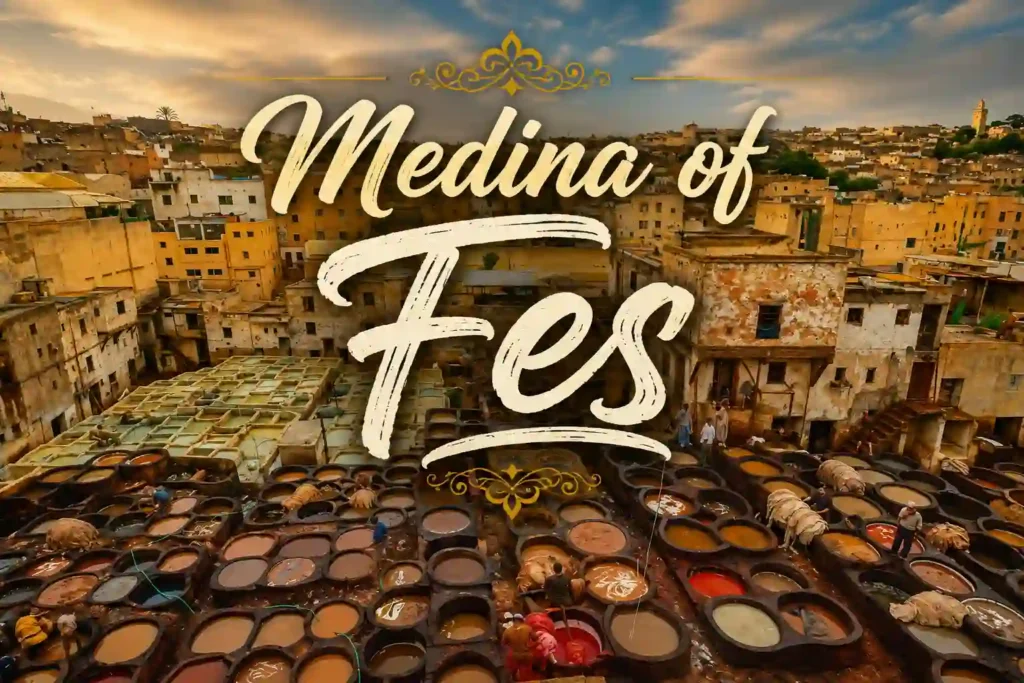
Welcome to the Medina of Fes, standing proudly as one of Morocco’s most magnificent cultural treasures and recognized worldwide as the largest contiguous car-free urban area in existence. Founded over 1,200 years ago, this breathtaking UNESCO World Heritage Site serves as a living, breathing museum of medieval Islamic architecture, ancient traditions, and vibrant daily Moroccan life. When you plan your journey to visit Fes Morocco, passing through its legendary gates feels precisely like stepping straight back in time into a world untouched by modern vehicle traffic.
As you navigate the vast, mesmerizing labyrinth of the historic Medina of Fes, you will be completely surrounded by thousands of narrow alleys, ancient stone walls, and bustling artisan workshops where local craftsmen still forge, weave, and dye goods using authentic, centuries-old techniques. Whether you are actively searching for the best things to do in Fes, mapping out your dream vacation with a detailed Morocco travel guide, or eager to check off legendary Fes attractions—such as the world-famous Chouara Tanneries and the striking, colorful Bab Bou Jeloud, the ancient Fes Medina guarantees an extraordinary, immersive adventure deep inside the historic quarters of Fes el Bali.
Table of Contents
What Is the Medina of Fes?
The Medina of Fes, also widely celebrated as Fes el Bali, serves as the historic heart, soul, and foundational core of the magnificent city of Fes. It stands as a sprawling, ancient urban center that has remained completely active, inhabited, and vibrant for centuries. Within its protective historic bounds, you will discover thousands of narrow, winding alleys, ancient mud-brick and stone buildings, traditional open-air markets, and bustling artisan workshops that continue to operate precisely as they did many generations ago. As an unmatched architectural marvel, this timeless district defines the essence of Fes Morocco and remains a primary highlight within any comprehensive Morocco travel guide for visitors exploring top Fes attractions.
Top Things to Do in the Medina of Fes
Visit the Famous Chouara Tanneries: The Chouara Tanneries are one of the most iconic attractions in Fes. Watch craftsmen use centuries-old techniques to dye leather in colorful stone vats.
Explore the Traditional Souks: The lively markets offer everything from handmade carpets and leather goods to ceramics, spices, jewelry, and traditional Moroccan clothing.
Discover Al Quaraouiyine: Founded in 859 AD, Al Quaraouiyine is recognized as one of the oldest continuously operating universities in the world and remains one of Morocco’s most important cultural landmarks.
Admire Bab Bou Jeloud: Known as the Blue Gate, Bab Bou Jeloud is the main entrance to the Medina and one of the most photographed landmarks in Fes.
Visit Historic Madrasas: Beautiful Islamic schools such as Bou Inania Madrasa showcase stunning Moroccan craftsmanship, carved cedar wood, marble, and colorful zellige tilework.
Explore the Traditional Souks
Wandering through the traditional souks of the medina offers an immersive journey into the vibrant daily commerce and artisanal heritage of Morocco. These lively, bustling open-air markets form an intricate maze of alleyways where merchants have traded their wares for centuries. As you explore these vibrant stalls, you will discover an incredible variety of authentic goods, ranging from intricate handmade carpets and premium leather products to colorful hand-painted ceramics, fragrant spices, sparkling traditional jewelry, and beautiful Moroccan clothing. Every corner of the market presents an opportunity to witness master craftsmen at work and find unique, handcrafted treasures to remember your journey.
Visit the Famous Chouara Tanneries
Stepping up to the vibrant stone balconies overlooking the Chouara Tanneries provides a remarkable window into centuries-old artisanal traditions that have been preserved for generations. As one of the most iconic and photographed attractions in Fes, this historic site invites visitors to watch local leather craftsmen at work. You can observe workers using ancient methods to treat, soften, and dye raw hides inside a vast array of colorful stone vats filled with natural pigments and ingredients. The surrounding leather shops also offer an extensive selection of high-quality jackets, bags, and shoes crafted right on-site.
Discover Al Quaraouiyine
Founded in 859 AD by Fatima al-Fihri, Al Quaraouiyine stands proudly as a monumental achievement in Islamic history and education. It is officially recognized by UNESCO and the Guinness World Records as the oldest continuously operating university in the world. Beyond its academic legacy, the complex features stunning architecture with intricate plasterwork, carved wood, and gorgeous courtyards. While non-Muslim visitors cannot enter the prayer hall, peering inside through the magnificent doorways reveals a breathtaking sanctuary of knowledge and spirituality that remains a vital cultural landmark in Morocco.
Admire Bab Bou Jeloud
Often referred to as the Blue Gate, Bab Bou Jeloud serves as the grand western entrance to the medina and stands as one of the most iconic, highly photographed landmarks in the city. This magnificent gate features stunning tripartite arches decorated with traditional blue ceramic tiles on the exterior, representing the color of Fes—and vibrant green tilework on the interior, which represents Islam. Passing through this historic gateway immediately plunges visitors from the modern streets into the bustling, sensory-rich labyrinth of the ancient old town.
Visit Historic Madrasas
Stepping inside the historic Islamic schools of the medina offers a profound look into medieval Moroccan scholarship, theology, and master craftsmanship. Foremost among them is the magnificent Bou Inania Madrasa, an architectural masterpiece where visitors can admire towering walls covered in intricate carved cedar wood, delicate stucco plasterwork, polished marble, and vibrant, geometric zellige tilework. Unlike many other religious buildings, this historic madrasa welcomes non-Muslim visitors into its stunning central courtyard, allowing everyone to appreciate the brilliant detail and serene beauty of Marinid architecture.
Taste Traditional Fassi Cuisine
Indulging in traditional Fassi cuisine is an essential, unforgettable part of any journey through the ancient medina, offering a rich culinary heritage shaped by centuries of diverse cultural influences, imperial history, and secret family recipes passed down through generations. While navigating the bustling streets, hidden food stalls, and atmospheric rooftop restaurants of the old town, be sure to savor these iconic local specialties and dishes:
Chicken Pastilla: A masterclass in sweet and savory flavors, this traditional Moroccan pie features layers of paper-thin, flaky pastry encasing a rich filling of spiced chicken, toasted almonds, and aromatic herbs, all lightly dusted with powdered sugar and cinnamon.
Beef Tagine: Slow-cooked to absolute perfection inside a traditional conical clay pot, this savory masterpiece combines tender beef with aromatic spices, seasonal vegetables, sweet prunes, or preserved lemons, allowing the rich flavors to meld together over hours of gentle simmering.
Couscous: As a beloved national staple, authentic Fassi couscous is hand-rolled and meticulously steam-cooked until it achieves a wonderfully light and fluffy texture, typically served piled high with a hearty arrangement of garden-fresh vegetables and tender meat.
Harira Soup: This hearty, nourishing traditional soup combines a rich tomato base with lentils, chickpeas, tender pieces of meat, fresh herbs, and fragrant spices, often served warm during evenings or special occasions to comfort the soul.
Moroccan Bread: Freshly baked daily in neighborhood communal wood-fired ovens, traditional round flatbreads feature a delightfully crisp golden crust and a soft, airy interior that serves as the ultimate accompaniment to scoop up tagines and stews.
Mint Tea: Affectionately known as Moroccan whiskey, this quintessential hospitality drink blends crisp green tea with handfuls of fresh spearmint leaves and sweet sugar, poured gracefully from a height to create a frothy, refreshing masterpiece.
Moroccan Pastries: Conclude your culinary exploration with an assortment of delicate, honey-drenched sweets, such as almond-filled kaab el ghزال (gazelle horns), crisp sesame treats, and pastries bursting with regional nuts and orange blossom water.
Best Time to Visit Medina of Fes
Planning your trip during the ideal season ensures comfortable weather and a much more enjoyable experience as you navigate the lively streets of the old town. The best seasons to explore the medina are:
Spring (March–May) During these spring months, the weather is pleasantly warm and inviting, making it ideal for walking through open-air markets and historic outdoor landmarks.
Autumn (September–November) The autumn months bring mild, comfortable temperatures after the intense heat of summer, creating the perfect climate for exploring narrow alleyways and historic sites at a relaxed pace.
Helpful Travel Tips
Wear comfortable walking shoes. The ancient streets consist of uneven cobblestones, stone steps, and winding paths. Sturdy footwear is essential for navigating the old town comfortably.
Carry cash for shopping. While some larger artisan shops accept cards, small vendors, street food stalls, and local craftsmen rely heavily on cash, particularly Moroccan Dirhams.
Hire a local guide if it’s your first visit. Navigating the maze-like alleys can be disorienting. A licensed local guide will help you discover hidden gems, share deep historical context, and ensure you do not get lost.
Respect local customs when visiting religious sites. Dress modestly by covering your shoulders and knees, and be mindful that certain active mosques and religious sanctuaries are restricted to Muslim visitors.
Bargaining is common in the souks. Hagging is a friendly, customary part of local market culture. Approach price negotiations with a smile, politeness, and a sense of fun to secure a fair deal.
Frequently Asked Questions
Is it easy to get lost in the Medina of Fes?
Yes, the vast maze of thousands of winding alleys can be disorienting for first-time visitors. Hiring a licensed local guide or using offline mapping tools is highly recommended to help you navigate comfortably.
Are cars allowed inside the medina?
No, the historic quarter is completely car-free, making walking and traditional carts the primary methods for transporting goods and people through the narrow streets.
What should I wear when visiting?
It is best to dress modestly out of respect for local traditions, ensuring your shoulders and knees are covered, especially when visiting religious sites or traditional neighborhoods.
Can non-Muslims enter the mosques and religious schools?
While active mosques are generally restricted to Muslims, historic landmarks and cultural sites like the Bou Inania Madrasa welcome non-Muslim visitors to explore their stunning courtyards and architecture.
What currency is accepted in the souks?
Moroccan Dirhams are the standard currency used by local vendors and artisans. It is always practical to carry cash, as smaller shops and street food stalls do not accept credit cards.
How many days do I need to explore Fes?
Spending 2 to 3 days in Fes is ideal. This allows you to spend one full day wandering through the historic old town, visiting major artisan quarters and tanneries, and additional time to explore surrounding viewpoints, royal palaces, and nearby day-trip locations.
Can I take photographs inside the artisan workshops and tanneries?
Yes, photography is generally welcome, especially at panoramic viewpoints overlooking the tanneries. However, it is always polite to ask for permission before taking close-up photos of local artisans, vendors, or individuals working in the souks.
Are English and French widely spoken in the medina?
Yes, while Moroccan Arabic (Darija) is the primary local language, French is widely spoken throughout the city due to historical ties. In addition, most shopkeepers, guides, and hospitality staff in tourist areas speak good English.
What is the best way to handle tipping in Fes?
Tipping is a customary way to show appreciation for good service in Morocco. It is helpful to carry small cash denominations (such as 5 or 10 dirham coins) to tip local guides, restaurant servers, and attendants who watch over parked vehicles or assist with luggage.
Can I ship large purchases home directly from the souks?
Yes, many established carpet shops, ceramic studios, and leather merchants in the medina offer secure international shipping services. They handle professional packing, customs paperwork, and delivery straight to your home address abroad.
Conclusion
Stepping into the Medina of Fes is like traveling back in time, offering an unforgettable sensory adventure filled with rich history, stunning architecture, and vibrant artisan culture. Whether you find yourself mesmerized by the colorful vats of the ancient tanneries, marveling at the intricate tilework of historic madrasas, or savoring the comforting spices of a traditional tagine, every corner of this magnificent old town reveals a new wonder. Plan your journey, embrace the lively energy of the souks, and let the timeless magic of Fes leave an indelible mark on your Moroccan adventure.

I’m Lahcen Saadi from the Exploring Morocco Trips team. We are local guides dedicated to crafting authentic and exceptional Moroccan experiences.
Whether you are planning your first trip to Morocco and need expert advice, or you are a travel professional looking to collaborate on unique itineraries, we are ready to help.
- 2 Days Desert tours From Marrakech
- 3 Days Desert tour From Marrakech to Merzouga
- 3 Days Desert tour From Marrakech to Fes
- 4 Days Desert tour From Marrakech to Merzouga
- 4 Days Desert tour From Marrakech to Fes
- 5 Days Desert tour From Marrakech to Merzouga
- 5 Days Desert tour From Marrakech to Fes
- 6 Days Desert tour From Marrakech to Casablanca
- 7 Days Morocco tour from Marrakech
- 8 Days Morocco tour from Marrakech
- 8 Days Morocco tour from Marrakech with Imperial Cities
- 9 Days Morocco tour from Marrakech
- 10 Days Morocco tour from Marrakech
- 12 Days Morocco tour from Marrakech
- 14 Days Morocco tour from Marrakech
- 2 Days Desert tour From Fes to Merzouga
- 2 Days Desert tour From Fes to Marrakech
- 3 Days Desert tour From Fes to Merzouga
- 3 Days Desert tour From Fes to Marrakech
- 4 Days Desert tour From Fes to Marrakech
- 5 Days Desert tour From Fes to Marrakech
- 6 Days Desert tour From Fes to Marrakech
- 7 Days Morocco tour from Fes
- 4 Days Morocco tour from Casablanca
- 5 Days Morocco tour from Casablanca
- 6 Days Morocco tour from Casablanca
- 7 Days Morocco tour from Casablanca
- 8 Days Morocco tour from Casablanca
- 9 Days Morocco tour from Casablanca
- 10 Days Morocco tour from Casablanca
- 11 Days Morocco tour from Casablanca
- 12 Days Morocco tour from Casablanca
- 14 Days Morocco tour from Casablanca