Is Morocco Safe to Visit in 2026? Complete Travel Safety Guide
Planning a trip to Morocco in 2026? Many travelers ask questions such as “Is Morocco safe?”, “Is Morocco a safe country to visit?”, or “Is it safe to travel to Morocco right now?”
Morocco is one of the most visited destinations in North Africa, attracting millions of tourists every year thanks to its rich culture, historic cities, diverse landscapes, and warm hospitality. Understanding safety conditions before traveling helps ensure a smooth, enjoyable, and stress-free experience.
This complete guide covers safety in Morocco for different traveler profiles, including women, solo travelers, families, Americans, British tourists, and minority groups, along with city-specific advice, transportation safety, food safety, Health Concerns and Medical Safety, and cultural dos and don’ts.
General Safety in Morocco
Morocco is considered a relatively safe country for tourists. Violent crime against visitors is rare, especially in popular tourist destinations. However, like many travel hotspots worldwide, petty crimes such as pickpocketing, bag snatching, and tourist scams may occur, particularly in crowded areas like medinas, markets, and public transportation hubs.
Police presence is strong in tourist areas, and the Moroccan government invests heavily in tourism security. Travelers who stay alert, respect local customs, and follow basic safety rules usually experience no serious issues.
Key Safety Tips:
- Keep valuables secure and use anti-theft bags.
- Avoid poorly lit streets late at night.
- Be cautious of overly persistent vendors or unofficial guides.
- Use reputable accommodations and transport services.
Table 1: General Safety Overview
| Safety Aspect | Level of Risk | Tips |
|---|---|---|
| Violent Crime | Low | Normal Precautions |
| Petty Theft | Medium | Keep bags close, avoid large cash |
| Scams | Low | Confirm prices, stay alert |
| Natural Hazards | Low | Watch for heat, sun, and rough terrain |
Safety for Americans
Many travelers ask: “Is Morocco safe for Americans?” or “How safe is Morocco for US tourists?”
Morocco has a long-standing diplomatic relationship with the United States. American tourists are welcomed and commonly seen throughout the country. Tourist infrastructure is well-developed, especially in cities like Marrakech, Fes, Casablanca, and Agadir.
American travelers are advised to register with the Smart Traveler Enrollment Program (STEP) to receive updates, safety alerts, and emergency assistance if needed.
Table 2: American-Specific Safety Considerations
| Topic | Recommendation |
|---|---|
| Embassy Services | US Embassy in Rabat |
| Emergency Numbers | 112 (general), 19 (police) |
| Cultural Awareness | Respect local customs |
| Travel Alerts | Check STEP before travel |
Safety for Women and Solo Travelers
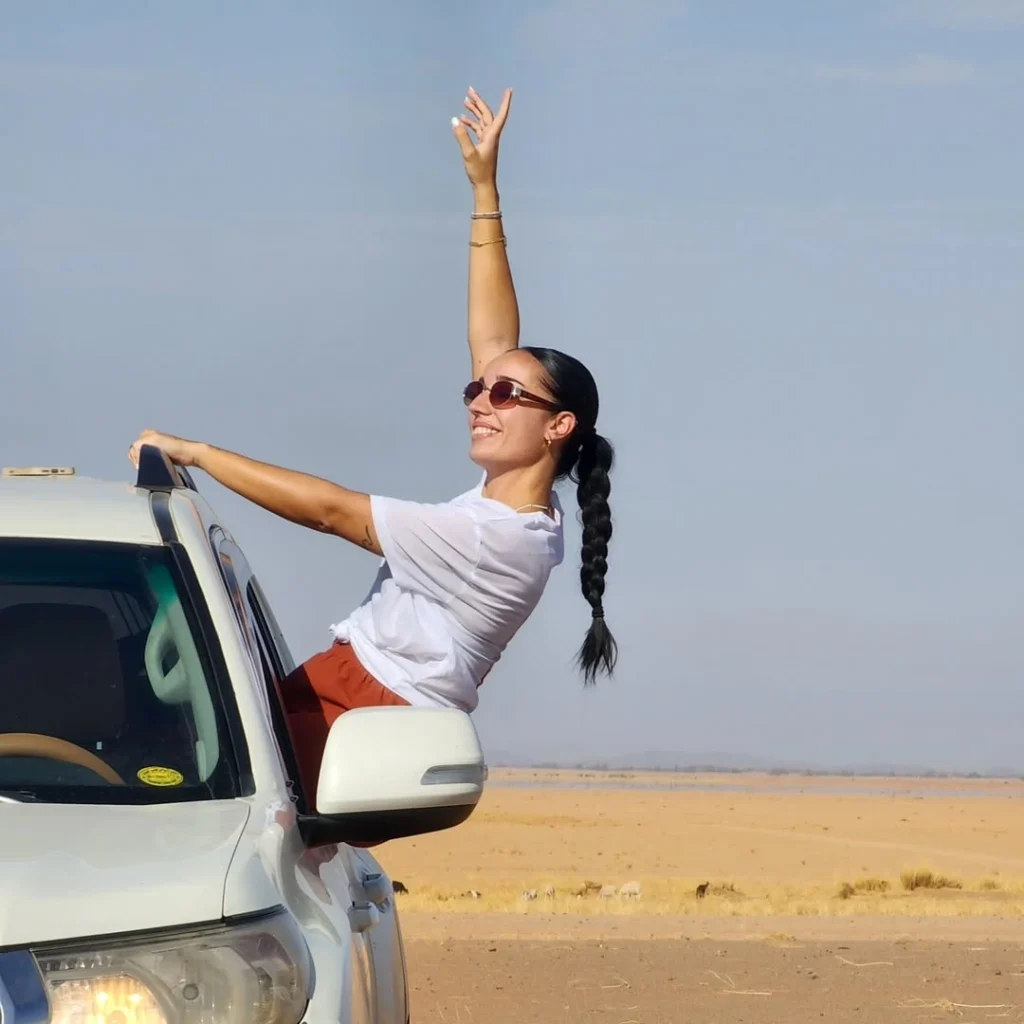
Common questions include “Is Morocco safe for solo female travelers?” and “Is it safe to travel alone in Morocco?”
Yes, Morocco is safe for women, including solo travelers, when basic precautions are followed. Moroccan society is conservative, and modest dress helps reduce unwanted attention. Many women travel alone in Morocco every year without issues.
Pregnant travelers can also visit Morocco safely by avoiding strenuous activities, extreme heat, and long drives without breaks.
Table 3: Safety Tips for Women Travelers
| Aspect | Advice |
|---|---|
| Accommodation | Choose well-reviewed hotels or riads |
| Transportation | Use licensed taxis or Careem |
| Clothing | Cover shoulders and knees |
| Behavior | Avoid public displays of affection |
Safety for Religious or Minority Groups
Travelers often ask “Is Morocco safe for Christians?”, “Is Morocco safe for Jews?”, or “Is it safe to be gay in Morocco?”
Morocco is religiously tolerant and home to historic Jewish and Christian communities. Synagogues, churches, and religious sites are generally safe to visit. LGBTQ+ travelers should exercise discretion, as Morocco is socially conservative and public displays of affection are discouraged.
Table 4: Safety for Minority Groups
| Group | Safety Level | Tips |
|---|---|---|
| LGBTQ+ | Moderate | Be discreet, avoid PDA |
| Jewish | High | Respect traditions |
| Christian | High | Dress modestly |
City-Specific Safety in Morocco
Table 5: Major Cities Safety Overview
| City | Common Concerns | Tips |
|---|---|---|
| Marrakech | Scams, pickpocketing | Stay alert in medina |
| Casablanca | Busy city | Avoid dark areas at night |
| Fes | Narrow streets | Keep belongings secure |
| Tangier | Tourist scams | Use licensed guides |
| Agadir | Very safe | Standard precautions |
| Essaouira | Relaxed | Low crime |
Transportation and Driving Safety in Morocco

Understanding transportation safety in Morocco is essential for a smooth and enjoyable journey through this vibrant country. Morocco offers a variety of transportation options, including driving, public transport, taxis, ride-sharing services, and air travel.
Driving in Morocco: What to Expect
Many travelers ask, “Is it safe to drive in Morocco?” or “Is driving in Morocco safe?” Driving can be an exciting way to explore, but it requires awareness of local road conditions and driving habits. Some also wonder, “How safe is driving in Morocco?” or “Is it safe to drive around Morocco?” The answer is yes, with caution and preparation.
Self-Driving Tips and Road Conditions
For those asking, “Is it safe to self drive in Morocco?” Be ready for a mix of road conditions—from well-maintained highways to rough rural roads. GPS can be unreliable in remote areas, so always keep a map handy.
Traffic Rules and Local Driving Habits
Moroccan traffic rules are similar to Europe, but local driving habits can be aggressive. Be patient, especially in crowded cities like Marrakech and Casablanca. Observing local customs and driving defensively improves safety.
Public Transportation Safety
Train Travel Safety
“Is it safe to travel by train in Morocco?” Yes, train travel is comfortable and secure. The national railway company (ONCF) operates modern trains with excellent safety records.
Bus and Shared Transport Safety
Buses and shared taxis (grands taxis) are common and generally safe. Be mindful of your belongings in crowded conditions.
Taxis, Ride-Sharing, and Rental Cars
For shorter trips, taxis and ride-sharing apps like Careem and inDrive are convenient and widely used by both tourists and locals in Morocco. Travelers often ask, “Is Careem safe in Morocco?” and “Is inDrive safe in Morocco?” The answer is yes, as long as you verify the driver and vehicle details before starting your trip and agree on the fare in advance. Rental cars offer greater flexibility for exploring the countryside and remote areas at your own pace.
Air Travel and Air Maroc Safety
Many travelers wonder, “Is Air Morocco safe?” Royal Air Maroc, the national carrier, provides safe and reliable flights within Morocco and internationally. Always check the latest safety advisories before flying.
Summary Table 6: Transportation Safety
| Transport Mode | Safety Considerations |
|---|---|
| Driving | Variable road conditions, aggressive local driving habits |
| Public Transport | Generally safe, beware of pickpocketing |
| Taxis/Ride-Sharing | Use licensed services, verify driver details |
| Air Travel | Check safety advisories, use reputable airlines |
By following these tips and being aware of local conditions, you can enjoy a safe and comfortable travel experience in Morocco across all modes of transport.
Traveling Between Cities in Morocco with a Tour Agency
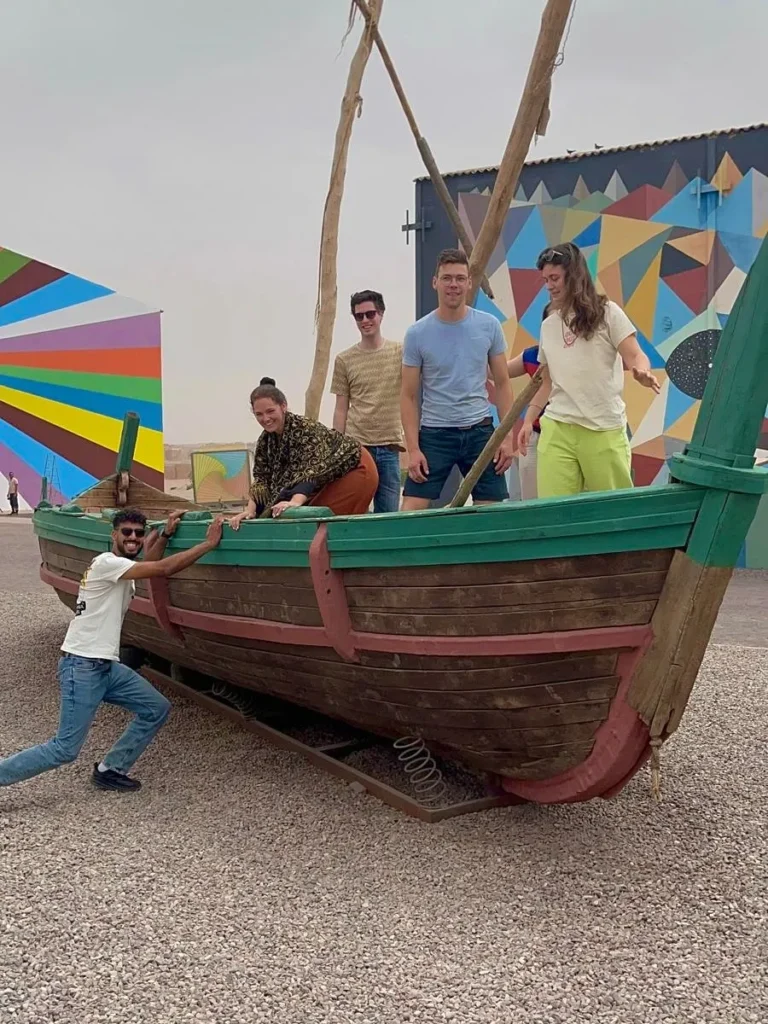
In addition to individual transportation options, booking a Moroccan tour with a licensed travel agency is one of the safest and most comfortable ways to travel between cities or explore Morocco in depth. Trusted agencies such as Exploring Morocco Trips offer well-organized tours that include comfortable transportation, professional drivers, and leisure activities, making travel smooth and stress-free especially for first-time visitors.
These tours are carefully designed to cover Morocco’s top destinations while ensuring safety, convenience, and an authentic travel experience.
Popular Morocco Tours Starting from Casablanca:
These itineraries are ideal for discovering imperial cities, the Moroccan Sahara Desert, coastal towns, and the Atlas Mountains in one balanced journey.
Best-Selling Tours Starting from Marrakech:
If your trip begins in Marrakech, you can choose from some of the most popular and best-selling tours that combine culture, nature, and desert experiences:
Tours Starting from Fes:
For travelers starting their journey in Fes, several flexible options are available, suitable for short and medium-length trips:
Why Book a Guided Tour in Morocco?
- Safe and reliable transportation between cities
- Professional local drivers familiar with Moroccan roads
- Time-saving and cost-effective travel planning
- Organized leisure activities and cultural experiences
- Ideal for families, solo travelers, and first-time visitors
Choosing Exploring Morocco Trips allows you to travel across Morocco with confidence, comfort, and peace of mind while enjoying a well-structured itinerary tailored to your preferences.
Food and Drink Safety
Many travelers ask, “Is Moroccan food safe?” or “Is tap water safe in Morocco?”
When traveling to Morocco, understanding the nuances of food and water safety is crucial for a healthy and enjoyable trip. Morocco’s rich culinary landscape is a significant part of its appeal, with a blend of traditional and modern dishes. However, like many travel destinations, there are considerations to be taken into account to ensure that your dining experiences are both safe and enjoyable.
Tap Water and Drinking Considerations
In Morocco, it’s generally advised to avoid drinking tap water. While the tap water in some larger cities like Marrakech and Rabat is considered relatively safe, it’s still recommended to stick to bottled or filtered water to minimize the risk of waterborne illnesses. Always check the seal on bottled water to ensure it’s been properly purified.
Street Food Safety Tips
Street food is a vibrant part of Moroccan culture, offering delicious and affordable options. To enjoy street food safely, opt for stalls or vendors that are popular with locals and have a high turnover of food. Be cautious with raw or undercooked foods, and ensure that any fruits or vegetables are properly washed or peeled.
Restaurant Hygiene and Food Standards
When dining at restaurants, look for establishments that are well-maintained and have a good reputation. While many restaurants in tourist areas adhere to high hygiene standards, it’s always a good idea to observe the cleanliness of the dining area and how food is handled.
Safety of Moroccan Mint Tea and Coffee
Moroccan mint tea is a staple, and coffee is also widely consumed. Generally, these beverages are safe as they are made with boiled water. However, it’s essential to be mindful of the water quality used in their preparation.
Eating Salads and Raw Foods
Raw foods, including salads, can pose a risk if not handled properly. It’s advisable to avoid raw or unpeeled vegetables unless you’re confident in their safety. When in doubt, cooked foods are a safer option.
Health Concerns and Medical Safety
Understanding the health concerns and medical safety in Morocco is crucial for travelers to mitigate potential risks. Morocco’s diverse climate and geography can pose various health challenges, ranging from infectious diseases to issues related to its healthcare infrastructure.
Recommended Vaccinations
Before traveling to Morocco, it’s essential to consult with a healthcare provider about recommended vaccinations. Routine vaccinations such as MMR, DTaP, and polio should be up to date. Additionally, vaccinations for Hepatitis A and Typhoid are often recommended due to the risk of contaminated food and water. Depending on the time of year and your travel plans, a vaccination for Meningitis may also be advised.
Key Vaccinations to Consider:
- Hepatitis A
- Typhoid
- Meningitis (seasonal)
- Rabies (if planning to spend time around animals or engage in outdoor activities)
Common Illnesses and Prevention
Travelers to Morocco should be aware of common illnesses such as traveler’s diarrhea, which can be caused by consuming contaminated food or water. Preventive measures include drinking bottled or filtered water, avoiding undercooked food, and practicing good hygiene. Other illnesses such as Zika and Dengue fever can be prevented by avoiding mosquito bites through the use of insect repellents and wearing protective clothing.
- Drink bottled or filtered water
- Avoid undercooked or raw foods
- Use insect repellent to prevent mosquito-borne illnesses
Accessing Medical Care in Morocco
Morocco has a relatively well-developed healthcare system, especially in major cities like Marrakech and Casablanca. However, the quality of care can vary, and facilities may not always meet the standards expected by international travelers. In case of a medical emergency, it’s crucial to have travel insurance that covers medical evacuations. For non-emergency situations, private clinics in tourist areas often provide good care, and some medical staff may speak English.
By being informed about the health concerns and taking necessary precautions, travelers can significantly reduce their risk of encountering medical issues during their trip to Morocco.
Product Safety (Argan Oil & Cosmetics)

Authentic Moroccan argan oil is safe when purchased from certified cooperatives or reputable brands. Always check labels and certifications such as ISO 16128.
Digital Safety and Communication in Morocco
Travelers to Morocco should be aware of the country’s digital environment to stay safe online. Knowing how internet access, censorship, and phone services work will help you stay connected while minimizing risks.
Internet Access and Censorship
Morocco has improved its internet infrastructure. Many cafes and restaurants in cities like Marrakech and Casablanca and Rabat offer Wi-Fi. However, be careful when using public networks—avoid logging into sensitive accounts on unsecured connections.
Some websites or social media platforms may be blocked. A VPN can help access them, but make sure using it is legal in Morocco.
Phone Service and Staying Connected
Phone coverage is generally good, especially in cities. You can buy a local SIM card or rent a portable Wi-Fi hotspot. Major providers include Maroc Telecom, Orange, and Inwi.
Tips for staying connected:
- Check that your phone works on Moroccan networks.
- Buy a local SIM for cheaper calls and data.
- Use messaging apps like WhatsApp or Telegram for international calls
By understanding Morocco’s digital environment, you can enjoy a safer and more connected travel experience..
Conclusion
Morocco is a safe and rewarding destination in 2026. Whether you are traveling as a solo woman, a family, an American, a British tourist, or part of a minority group, preparation and cultural awareness are the keys to a successful journey. By respecting traditions, staying informed, and following basic safety advice, you can explore Morocco with confidence and peace of mind.
The safest journeys are built on preparation, respect, and awareness.
FAQs | Frequently Asked Questions
Is Morocco safe to visit in 2026?
Yes, Morocco is generally safe for tourists, with low rates of violent crime. Petty theft and scams can occur, especially in crowded areas.
Is Morocco safe for Americans?
Yes, Morocco is safe for American travelers. Register with the Smart Traveler Enrollment Program (STEP) and follow local safety advice.
Is Morocco safe for British tourists?
Yes, Morocco is generally safe for British tourists, especially in major tourist cities like Marrakech, Fes, and Agadir.
- Be cautious of pickpocketing and scams in crowded areas.
- It is recommended to register your trip on the British Embassy website for safety tips and updates.
- The Moroccan government maintains security in tourist cities and popular rural areas.
Is Morocco safe for family holidays?
Yes, Morocco is a safe and family-friendly destination. Many families travel across the country every year without any issues, especially in popular cities like Marrakech, Fes, Agadir, and along routes to the Sahara. Tourist areas are well-secured, accommodations are used to hosting families, and Moroccan culture naturally welcomes children.
Evidence from real experience:
- Morocco receives millions of visitors annually, many of them families, and family tours are among the most popular travel options.
- Among the most chosen tours for families is the 10 days tour from Casablanca, which includes visits to major cities, traditional villages, the Atlas Mountains, and the desert with comfortable accommodations suitable for both parents and children.
- Hotels, riads, and desert camps offer family rooms, child-friendly meals, and safe transportation.
- In daily life, children are highly respected in Moroccan society, and locals often provide extra help to families.
In short: by following basic safety measures (choosing reputable hotels, guided tours, and avoiding wandering alone at night), Morocco offers a safe, warm, and culturally rich family holiday experience.
Is Morocco safe for solo female travelers?
Yes, but dress modestly, stay in secure accommodations, and avoid walking alone at night.
How should female tourists dress in Morocco?
- Modest clothing is advised: cover shoulders and knees at minimum.
- Long dresses, loose pants, or traditional djellabas are suitable.
- Very short or see-through clothes may attract unwanted attention, especially outside hotels or tourist areas.
- When visiting mosques or religious sites, women are required to cover their heads.
Can females wear shorts in Morocco?
- It is better to avoid very short shorts in public areas, especially outside hotels and tourist spots.
- If wearing shorts in tourist areas, make sure they are of an appropriate length and maintain polite behavior.
- The best options are long skirts or light pants to avoid any embarrassment.
Is Marrakech safe?
Marrakech is generally considered safe, but as with any crowded city, it’s essential to be aware of pickpocketing and scams.
What not to do in Marrakech?
- Do not behave disrespectfully in the markets (medinas) or religious sites.
- Avoid walking alone in dark streets at night.
- Don’t overpay; negotiate politely when buying items.
- Do not take photos of people without their permission, especially in traditional markets and rural areas.
- Avoid eating from unknown street vendors to prevent hygiene issues.
What should I avoid in Morocco?
- Avoid speaking loudly or arguing with vendors.
- Do not show disrespect for religious sites and local traditions.
- Avoid walking alone in dark streets or non-tourist areas.
- Avoid showing excessive signs of wealth (expensive watches, jewelry).
- Be cautious with food and water to prevent health issues.
Do tourists have to wear hijab in Morocco?
No, tourists are not required to wear a hijab.
- However, modest clothing is advised to avoid attracting attention and out of cultural respect.
- When visiting mosques or religious sites, it is recommended for women to cover their heads.
Are Moroccans friendly to tourists?
Yes, most Moroccans are friendly and welcoming to tourists.
- Many speak French and Arabic, and some also speak English.
- However, always be respectful of local customs and traditions to avoid misunderstandings.
- A simple smile and greeting quickly earn local goodwill.
What not to do as a tourist in Morocco?
- Do not ignore religious and cultural traditions.
- Do not touch or photograph people or farmers without permission.
- Avoid aggressive or disrespectful behavior toward vendors or locals.
- Avoid heated political discussions or publicly criticizing the government.
- Do not ignore personal safety warnings, especially in crowded or nighttime areas.
Is $1000 a lot in Morocco?
Yes, $1000 is approximately 10,000 Moroccan Dirhams, which is a large amount relative to daily living costs in Morocco.
- Hotel, food, and transportation costs are relatively low compared to Western countries.
- You can travel in luxury with this amount, or travel economically for several weeks.
Can you drink alcohol in Morocco?
Yes, alcohol is allowed in hotels, restaurants, bars, and some nightclubs.
- Drinking in public or during Ramadan is not allowed out of respect for local customs
- Alcohol can be purchased from licensed stores, and prices are generally higher than in Western countries.
Is Egypt or Morocco safer?
Overall, Morocco is considered safer for tourists than Egypt, especially in terms of daily travel comfort and freedom of movement.
Logical evidence:
- Morocco relies heavily on tourism, so security is very visible in tourist cities such as Marrakech, Fes, Chefchaouen, and Agadir.
- Travelers in Morocco generally move around more freely, walk in old medinas, travel between cities, and explore rural and desert areas without strict security procedures.
- In Egypt, some tourist areas require heavier security presence or organized travel, which can reduce the feeling of ease for visitors.
- Issues in Morocco are usually minor (pickpocketing or persistent vendors), while concerns in Egypt can be more sensitive in certain regions.
Conclusion:
Both countries are safe to visit, but Morocco often offers a stronger sense of safety and flexibility, especially for first-time travelers, solo travelers, and women.
Is Morocco safe from ISIS?
Yes. Morocco is considered safe from ISIS, and this is supported by its own security record and long-standing counterterrorism system, not external sources.
Why this is credible:
- Proactive intelligence: Morocco relies on prevention, not reaction. Security services monitor threats early, dismantling cells before any attack occurs.
- Zero-tolerance enforcement: Extremist networks are broken up through arrests and prosecutions under strict anti-terror laws.
- Religious governance: Mosques and religious education are supervised nationwide, reducing radical influence at its roots.
- Border and city security: Tourist areas, transport hubs, and borders are tightly controlled and continuously monitored.
- Track record: Morocco has maintained years of stability with no ISIS-led attacks targeting tourists, which is the strongest practical proof.
Bottom line:
Morocco’s safety is not theoretical—it’s demonstrated by consistent prevention, strong institutions, and a clean record in protecting residents and visitors.