
Morocco Travel Tips for Americans: The Ultimate Local Guide
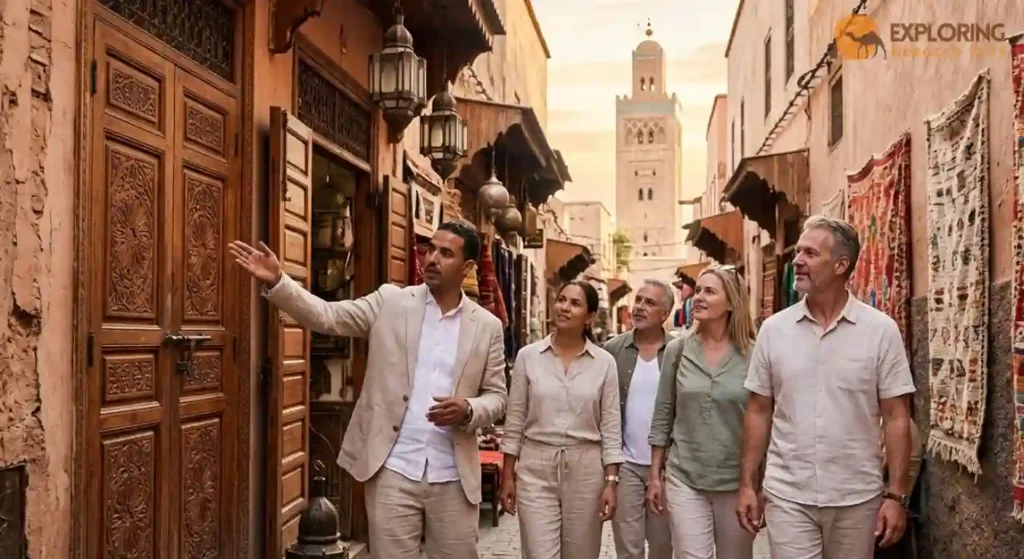
Planning a trip across the Atlantic to a country filled with ancient maze-like medinas, sweeping Saharan sand dunes, and vibrant spices is incredibly exciting. For many American travelers, stepping off the plane in Morocco is a thrilling experience, but it can also feel like entering a completely different world. The intense energy of the souks, the unique cultural norms, language shifts, and navigating local infrastructure are a massive departure from a domestic road trip or a standard European vacation.
As local travel experts who design and lead private journeys for international visitors every single day, we know exactly what catches US travelers off guard. It is completely normal to feel a little overwhelmed by the logistics of planning a trip here. Whether you are trying to figure out how to navigate a cash-heavy economy, decode train schedules between major hubs, manage cultural expectations, or simply ensure your electronics stay charged, having real-world, firsthand insights makes all the difference.
We have built this comprehensive guide specifically to bridge that gap for US citizens. Instead of generic, surface-level advice, we are breaking down the essential, practical logistics, deep cultural nuances, and insider transit secrets you actually need. Our goal is to help you bypass common tourist pitfalls, respect local traditions, and transform potential travel stress into a smooth, authentic, and unforgettable Moroccan adventure.
Table of Contents: Morocco Travel Advice for American Citizens

Essential Logistics, Money, and Tech Setup
1. Passport Rules and Entry Requirements
For citizens of the United States, entry into Morocco is very straightforward. You do not need a tourist visa for stays under 90 days. When you arrive at major entry hubs like Casablanca (CMN) or Marrakech (RAK), immigration officers will simply review your documents and stamp your passport.
However, there is one critical rule that frequently catches American travelers off guard: your US passport must be valid for at least 6 months beyond your date of entry, and it must have at least one completely blank page for the entry stamp. If your passport expires in five months, airlines may deny you boarding at your US gate, or border control may turn you back. Always check your expiration date before booking flights.
2. Cash vs. Card: Navigating the Moroccan Economy
In the United States, running out the door with nothing but Apple Pay or a single credit card is standard practice. In Morocco, relying entirely on plastic will disrupt your travel plans. The Moroccan Dirham (MAD) is a tightly regulated currency, and the local economy remains heavily cash-based.
Where Cards Work: Premium hotels, high-end riads, upscale restaurants, and major supermarkets in cities like Casablanca or Rabat accept international credit cards (Visa and Mastercard are preferred; American Express is rarely accepted).
Where Cash is Mandatory: Traditional souks, local street food stalls, small cafes, public taxis, tipping, and entrance fees to historical sites require cash.
ATM and Tipping Strategy: Do not exchange large sums of USD at the airport counters, as they offer low exchange rates. Instead, use local bank ATMs (such as Attijariwafa Bank or BMCE) upon arrival to withdraw Dirhams directly. Keep small denominations (10, 20, and 50 Dirham notes) handy for daily purchases and standard tipping.
3. Tech Prep: Staying Connected and Powered Up
Keeping your phone connected and your devices charged is essential for accessing maps, translation tools, and digital itineraries.
Electricity and Plugs: Morocco uses Type C and Type E electrical outlets running on a standard 220V voltage and 50Hz frequency. US outlets use Type A and B (110V). You will need a standard European adapter plug. Most modern American smartphones, laptops, and camera chargers are dual-voltage and handle 220V automatically, but always check the fine print on your power bricks to avoid frying your electronics.
Mobile Data (SIM Cards): While major US carriers offer international roaming passes, they can be slow and expensive. For seamless navigation, buy a local prepaid SIM card at the airport or a local kiosk. The top network providers are Maroc Telecom (which offers the most extensive coverage, especially if you plan to travel toward the desert dunes) and Orange. For a few dollars, you can get a physical SIM or eSIM loaded with plenty of data to keep you connected throughout your journey.

Transportation, Trains, and City Taxis
Navigating from point A to point B in Morocco is an adventure in itself. While the country is highly connected, the transit systems operate under entirely different rules than the subways, highways, or rideshare grids you might be used to in the United States. To keep your journey seamless, you need to understand the country’s dual-tier train network and the strict etiquette of local taxis.
1. Navigating Morocco by Rail: The ONCF Passenger System
Moving between major urban centers in Morocco is highly efficient thanks to our national rail infrastructure managed by the ONCF. When engineering a travel route connecting the coast to the interior imperial centers, routing clients via the train network is one of the most reliable and relaxing logistics setups available.
Al Boraq Fleet (High-Speed Corridors): Operating primarily along our northern Atlantic corridor, this modern flagship line connects the port city of Tangier down to Casablanca Voyageurs with intermediate stops at Rabat Agdal. Traveling at an operating speed of 320 km/h, it condenses a massive overland distance into roughly two hours. It features climate-controlled cabins, reliable scheduling, individual power plugs, and broad panoramic windows.
Al Atlas Line (Standard Regional Routes): To head deeper inland toward the historic streets of Fes or south into the lively hubs of Marrakech, your itinerary will feature the Al Atlas regional trains. While traveling at standard transit speeds, these routes give passengers an immersive front-row view of Morocco’s shifting geographical terrain, from rolling green fields to rocky plains.
Local Booking Architecture and Seating Advice: While ticket offices and automated payment machines exist inside all main terminals, popular schedules can fill up quickly with domestic commuters. Secure tickets ahead of time on the centralized digital portal (oncf-voyages.ma). For international guests used to spacious seating, we strictly recommend booking First Class cabins. The minimal fare upgrade ensures a reserved seat assignment within a quiet, semi-private compartment with structured overhead shelving to store your heavy luggage securely. Local Note: Retain your physical or mobile ticket barcode throughout the entire journey, as automated exit turnstiles require a final scan to let you leave the platform area.
2. Understanding Urban Transit: Distinguishing Local Taxis
Stepping directly outside any primary transport terminal or international airport immediately brings you to rows of brightly painted city vehicles. Local taxi regulations across Morocco rely on a strict dual classification framework based on geographic boundaries and vehicle capacity.
Petit Taxis (Intra-City Transits): These small hatchback vehicles are strictly limited to operating within their specific city boundaries. Each municipality maintains an easily identifiable color identity—such as deep red in Casablanca, sky blue in Rabat, and bright ochre yellow in Marrakech. They possess a strict regulatory capacity limit of 3 passengers maximum.
Operational Rules for City Cabs: The primary detail to monitor upon entering a vehicle is the taximeter dashboard display (locally called the compteur). Professional drivers should engage this tracking system immediately upon departure. If a driver insists on negotiating a flat fee at popular hubs like Marrakech or outside main gates, politely refuse the arrangement, exit the vehicle, and flag down an oncoming driver along a main avenue. Additionally, understand that intra-city drivers are legally permitted to pause and pick up secondary commuters traveling along the same urban vector, with each party billed separately according to their respective meter readings.
Grand Taxis (Cross-Border Routes): Comprising larger sedans or multi-passenger vans, these vehicles are authorized to travel across city limits to outlying rural areas, adjacent towns, or distant desert trailheads. You have the flexibility to purchase an individual seat allocation on a shared communal route or financially cover all available seats to secure the vehicle as a private, direct point-to-point transfer.

Cultural Etiquette, Dress Codes, and Haggling in the Souks
Stepping into Morocco’s historic medinas means entering spaces governed by centuries-old social traditions, deep-rooted hospitality, and distinct cultural rhythms. For American travelers used to straightforward retail interactions and highly casual Western dress codes, navigating these social dynamics can feel unfamiliar. Understanding local expectations ensures you move through the country with confidence and respect.
1. Wardrobe Expectations and Respectful Dressing
Morocco is a deeply traditional and predominantly Muslim country. While major cosmopolitan hubs like Casablanca, Rabat, and Marrakech are highly accustomed to international tourism, dressing modestly is a foundational sign of cultural respect.
The General Standard: For both men and women, the golden rule is to keep your shoulders and knees covered when exploring public spaces, historic monuments, and traditional neighborhoods. Loose, breathable fabrics like linen, lightweight cotton, and long maxi dresses or trousers are ideal, they keep you cool under the North African sun while respecting local norms.
Varying by Location: Your wardrobe flexibility depends heavily on your immediate surroundings. Inside modern beach resorts, high-end hotel pools, or European-style restaurants in Casablanca, Western styles are perfectly normal. However, when entering ancient medinas, rural villages, or remote desert regions, revealing clothing can draw unwanted attention.
Sacred Spaces: Religious sites, with the prominent exception of the magnificent Hassan II Mosque in Casablanca, which welcomes non-Muslim visitors for scheduled guided architectural tours, are strictly closed to non-Muslims. When visiting the exterior of any sacred building, ensure your attire is conservative.
2. The Art of the Medina Marketplace: Mastering the Souks
For many US travelers used to fixed price tags and barcode scanning, shopping in a Moroccan souk can feel intense. In our culture, commercial exchange is not a rigid financial transaction; it is a lively, social interaction based on negotiation.
Shift Your Perspective: Haggling is not a confrontation or an argument, it is a traditional conversation. Approach the process with a smile, lighthearted humor, and patience. Shopkeepers enjoy the banter, and showing a friendly, relaxed attitude will always yield better results than acting aggressive or overly detached.
The Valuation Strategy: When you spot an item you love, whether it is a hand-woven Berber rug, artisanal leather goods, or intricately carved lanterns, never accept the first price quoted by the merchant. As a professional local baseline, politely counter with roughly one-third to one-half of their initial ask, and slowly work your way toward a mutually agreeable middle ground.
The Power of Walking Away: Always establish a maximum price in your head before the negotiation begins. If the shopkeeper refuses to meet a reasonable price, simply offer a polite thank you (“Shukran“) and walk away. More often than not, they will call you back to accept your last offer. If they do not, you will likely find the exact same item just a few stalls down.
3. Photography and Daily Social Interactions
Capturing memories of your journey through your camera lens is natural, but managing public photography requires care.
Ask Before You Snap: Always seek explicit verbal or physical permission before taking portraits of local individuals, stall owners, or artisans at work. A simple smile and asking “S’il vous plaît?” or pointing to your camera goes a long way. If someone declines or shakes their head, respect their privacy and lower your device.
Street Performers and Working Animals: In high-traffic tourist plazas, such as the famous Jemaa el-Fnaa in Marrakech, individuals displaying monkeys, snakes, or traditional costumes will demand significant cash payments if you photograph them. Be fully prepared to hand over a small tip ($10$ to $20$ Dirhams) if you intentionally take a photo of their setup.

Culinary Traditions, Safe Dining Practices, and Hydration
Exploring Morocco’s rich, spice-infused culinary landscape is one of the most rewarding aspects of any itinerary. From slow-simmered stews to fragrant street foods, our traditional kitchen is deeply rooted in hospitality and fresh, seasonal ingredients. For American travelers used to strict Western food industry regulations and different water processing systems, keeping your digestive system happy requires a few practical strategies.
1. Embracing the Local Menu: Must-Try Traditional Dishes
Moroccan food is an artistic blend of Mediterranean, Amazigh (Berber), and Arab culinary influences. When dining out or staying at a traditional riad, skip the standard continental options and dive into authentic regional specialties.
The Tagine: Named after the conical clay vessel it is slow-cooked in, this staple dish features tender meats (lamb, beef, or chicken) combined with seasonal vegetables, olives, and preserved lemons, or sweet elements like prunes and almonds. The unique design of the pot locks in moisture, resulting in incredibly rich, flavorful stews.
Couscous: Traditionally served on Fridays (the holy day in Islam), this labor-intensive dish features a mountain of steamed semolina grains topped with a rich broth of seven different vegetables and tender meat. It is a dish meant for community sharing and deep connection.
Pastilla (Bastilla): A stunning sweet-and-savory pastry made of paper-thin layers of flaky warka dough. It is traditionally stuffed with spiced shredded pigeon or chicken, almonds, sugar, and cinnamon, dusted with powdered sugar on top. It is an extraordinary celebration dish you should absolutely try.
2. Street Food Safety and Smart Dining Habits
Eating street food is an incredible way to experience local life, but it pays to be observant. You do not need to avoid night markets or street stalls—you just need to know how to pick the right ones.
Look for High Turnover: The golden rule of street food globally applies perfectly here. Follow the local crowds. Stalls crowded with local families and neighborhood residents mean the ingredients are exceptionally fresh, moving quickly, and cooked at high heat right in front of you.
Mind the Raw Ingredients: In casual street markets, it is wise to skip raw, unpeeled fruits and raw salads if you are worried about sensitive digestion. Instead, focus on fully cooked, piping hot items like grilled skewers (brochettes), fresh-baked flatbreads, and hot bowls of seasoned chickpea or snail broth. Peel thick-skinned fruits like oranges, bananas, and prickly pears yourself.
Traditional Hand Hygiene: In local eateries, you will often eat tagine or couscous using pieces of fresh bread instead of forks and knives. Always use your right hand for eating, as the left hand is traditionally reserved for personal hygiene in Muslim cultures. Wash your hands thoroughly before sitting down, or carry a small bottle of hand sanitizer in your day pack.
3. Hydration and Navigating the Water Supply
Staying properly hydrated while walking through sunny coastal avenues or hot inland medinas is crucial for your energy levels.
Stick to Bottled Water: While tap water in major cities like Casablanca, Rabat, and Marrakech undergoes treatment and is generally safe for locals, it contains a different balance of minerals than what American digestive tracts are accustomed to. To avoid any potential stomach irritation or travel fatigue, strictly use bottled water for drinking. Highly reliable and widely available local brands include Sidi Ali, Ain Saiss, and Sidi Harazem.
Brush and Rinse Wisely: For ultra-sensitive stomachs, consider using bottled water even when brushing your teeth, and keep your mouth closed while showering.
Ice and Hot Drinks: In premium hotels and established tourist restaurants, ice cubes are made from filtered water and are perfectly safe. In very rustic or remote village stalls, it is best to skip the ice. Fortunately, our national beverage, traditional Moroccan Mint Tea (locally known as “Berber Whiskey”), is made by boiling water with fresh mint leaves and green tea, making it completely safe and incredibly refreshing to drink at any time of day.
Accommodation Styles and Local Tipping Etiquette
Where you choose to rest your head at night and how you handle financial gratuities are two elements that heavily shape your daily travel experience. For American visitors accustomed to uniform corporate hotel chains and rigid, percentage-based tipping structures back home, Morocco offers a refreshing, yet structurally different, approach to lodging and hospitality.
1. Selecting Your Base: Historic Riads vs. Modern Hotels
Morocco offers an incredible contrast in accommodations, allowing you to mix classic luxury with immersive historical stays.
The Authentic Riad Experience: A riad (derived from the Arabic word for garden) is a traditional Moroccan house or palace characterized by an inward-focused design. They feature a blank, inconspicuous exterior wall facing the medina street, opening up into a stunning, peaceful central courtyard oasis complete with fountains, orange trees, and intricate tilework (zellige).
What to Expect inside a Riad: Riads offer an incredibly intimate, boutique hospitality experience, often featuring only 5 to 10 uniquely decorated rooms. Because they are located deep inside ancient vehicle-free medinas, they provide unparalleled historic atmosphere and personalized service. However, keep in mind that their historic architecture means they lack elevators, rooms may feature unique layouts, and sound can echo across the open courtyard.
Modern Luxury Hotels: In the new city districts (Ville Nouvelle) of Casablanca, Rabat, or Marrakech, you will find expansive, western-style five-star resorts and familiar international boutique brands. These properties offer predictable modern amenities like large elevators, expansive fitness centers, sprawling outdoor pools, and direct vehicle drop-offs right at the lobby doors.
The Expert Recommendation: To get the absolute best of both worlds, we recommend a hybrid strategy. Utilize modern luxury hotels for smooth business transit or coastal relaxation in hubs like Casablanca, and transition to authentic, premium riads when exploring the historic heart of imperial cities like Fes or Marrakech.
2. Demystifying Gratuity: The Moroccan Tipping Culture
In the United States, tipping is heavily institutionalized, with rigid, expected percentages (15% to 20%) automatically added to mental calculations. In Morocco, tipping, known locally as pourboire, is deeply appreciated and culturally customary, but it functions as a fluid gesture of gratitude for good service rather than a mandatory percentage fee.
Carry Small Denominations: Because tipping is a frequent, daily occurrence, it is critical to always keep a steady supply of small coins (5 and 10 Dirham coins) handy in your pocket. Tipping with large 100 or 200 Dirham notes is impractical for daily interactions.
A Practical Daily Tipping Breakdown:
Cafes and Casual Eateries: Rounding up to the nearest change or leaving a 5 to 10 Dirham coin on the table for a round of drinks is standard practice.
Sit-Down Restaurants: Leaving around 10% of the total bill in cash is highly customary for good service. Avoid trying to add a tip to a credit card slip, as the funds rarely reach the floor staff; always leave cash tips directly.
Hotel Baggage Porters: 10 to 20 Dirhams for assisting with heavy luggage up traditional riad stairs is standard.
Riad Housekeeping: 20 to 50 Dirhams per day left in the room at the end of your stay is a wonderful way to thank the internal hospitality team.
Public Taxi Drivers: Rounding up to the nearest 5 or 10 Dirhams on a metered fare is highly appreciated (e.g., if the meter reads 16 MAD, handing the driver 20 MAD).
Private Tour Drivers and Specialized Local Guides: For dedicated drivers leading multi-day overland tours, a benchmark of 150 to 250 Dirhams per day from the group is standard. For specialized local city guides leading half-day or full-day walking excursions, 100 to 200 Dirhams is a respectful tip for their expertise.

Morocco Travel Tips for Women
Morocco is an incredibly rewarding, visually stunning destination for women travelers. Whether you are traveling solo, with a group of friends, or on a curated private journey, you will experience the warmth, hospitality, and rich traditions that define our culture.
Because gender roles and social dynamics in North Africa can differ significantly from those in the United States, navigating public spaces requires a unique blend of cultural awareness and practical confidence. Knowing what to expect and how to handle daily social interactions ensures a smooth, empowering, and respectful experience.
1. Navigating Public Spaces and Male Attention
In Moroccan culture, the street and public cafes are traditionally male-dominated spaces, while homes and courtyards are the centers of family and private life.
Understanding Street Chatter: As an American woman walking through busy medina lanes or near transit hubs, you will likely experience lingering looks, persistent invitations to enter shops, or passing comments like “Beautiful,” “Welcome to Morocco,” or “Gazelle.” It is important to know that while this street attention can feel constant and tiring, it is very rarely physically aggressive or dangerous.
The Best Response Strategy: The most effective tool in your travel kit is a confident, neutral posture. If someone calls out to you, the local standard is to simply ignore it entirely. Maintain your stride, keep your eyes forward, and do not make eye contact or respond, as even a polite smile or an explanation can be misinterpreted as an invitation to keep talking.
The Firm Refusal: If a street vendor or an unofficial guide becomes overly persistent, a firm, polite, and clear “No, thank you” (or the French “Non, merci“) accompanied by a decisive hand gesture (holding your palm out) will immediately signal that you are a savvy traveler who is not to be bothered.
2. Wardrobe Strategies for Confidence and Comfort
As discussed in our etiquette section, your wardrobe choices double as a shield of respect and a highly effective way to minimize unwanted attention.
Blending with the Environment: When you are inside modern beach resorts, high-end hotel pools, or European-style lounges in downtown Casablanca, you can wear standard Western attire comfortably. However, inside ancient medinas and traditional neighborhoods, opting for loose-fitting, conservative clothing is your best approach.
The Ideal Medina Outfit: Flowing maxi skirts, wide-leg linen trousers, loose-fitting cotton tunics, and shirts that fully cover your collarbones and upper arms are perfect. They keep you cool under the sun while ensuring you fit seamlessly into the local landscape.
Carry a Lightweight Scarf: Always keep a lightweight cotton or pashmina scarf packed in your day bag. While you do not need to cover your hair when walking down the street, having a scarf handy is incredibly useful for draping over your shoulders if you enter a more conservative area or want to protect yourself from the afternoon sun.
3. Smart Social Strategies and Group Dynamics
The “Husband” Strategy: If you are traveling solo or with a female friend and find a conversation with a stranger or an over-eager merchant becoming too personal, it is entirely acceptable to casually mention your “husband” waiting for you back at the hotel or meeting you shortly. In a traditional society, stating that you are married instantly shifts the dynamic and halts further personal questioning.
Choosing Your Social Spaces: If you want to grab a coffee or relax, look for modern, European-style cafes, pastry shops (pâtisseries), or rooftop restaurants inside the medina, which attract a diverse mix of local families, women, and tourists. Traditional street-side cafes are almost exclusively frequented by local men watching sports or socializing.
Opting for Premium Guardrails: For many American women visiting North Africa for the first time, booking an organized private tour with an established local agency provides an invaluable layer of security and peace of mind. Having a dedicated professional driver and expert local guides means you can navigate the maze-like alleys, coordinate intercity transits, and communicate across language barriers seamlessly, allowing you to focus entirely on the beauty and magic of Morocco without any of the stress.
Take the Leap – Experience the Magic of Morocco with Confidence
There is a big difference between reading about a destination and actually feeling the soft Saharan sand beneath your feet, hearing the evening call to prayer echo across an ancient city skyline, or sharing a warm, authentic laugh with a local artisan over a steaming glass of mint tea. Morocco is not just a place you look at—it is a place you fully experience with all your senses.
It is completely natural for American travelers to feel a bit hesitant when stepping outside their comfort zone to visit North Africa. Navigating different languages, intricate transportation networks, and complex medina layouts can feel like a daunting task to plan on your own. But those minor logistics should never stand between you and the journey of a lifetime.
That is exactly why we are here. At Exploring Morocco Trips, we specialize in transforming potential travel anxiety into a seamless, high-end, and deeply authentic adventure.
Why Discerning Travelers Choose Our Local Team:
Tailor-Made Private Itineraries: No cookie-cutter tour buses or rigid group schedules. We design your custom route entirely around your unique personal interests, walking pace, and preferred travel style.
Premium Door-to-Door Logistics: From the moment you land at the airport to the day you wave goodbye, you will travel in a private, climate-controlled luxury vehicle with a dedicated professional driver who handles every mile of the road perfectly.
Handpicked Luxury Lodging: We connect you with the most exceptional accommodations in the country, matching top-tier modern luxury hotels with private, hidden historic riads that offer unrivaled local charm and flawless hospitality.
Trusted Local Guidance: Our expert city guides don’t just show you landmarks, they bridge the cultural gap, open closed doors, help you navigate the bustling souks with complete ease, and introduce you to the true soul of our beautiful country.
Morocco is ready to welcome you with open arms, legendary hospitality, and unforgettable landscapes that will inspire you for decades to come. Don’t let the planning details hold you back from discovering the magic.
[Contact the team at Exploring Morocco Trips today], and let us handle all the complex logistics behind the scenes while you focus entirely on making memories that last a lifetime!

Your Local Experts
I’m Lahcen Saadi from the Exploring Morocco Trips team. We are local guides dedicated to crafting authentic and exceptional Moroccan experiences.
Whether you are planning your first trip to Morocco and need expert advice, or you are a travel professional looking to collaborate on unique itineraries, we are ready to help.
Plan Your Trip: Click any destination to see more
Best Morocco tours
- 3 Days Desert tour From Marrakech to Merzouga
- 3 Days Desert tour From Marrakech to Fes
- 3 Days Desert tour From Fes to Marrakech
- 4 Days Desert tour From Marrakech to Merzouga
- 4 Days Desert tour From Marrakech to Fes
- 4 Days Desert tour From Fes to Marrakech
- 5 Days Desert tour From Marrakech to Merzouga
- 5 Days Desert tour From Fes to Marrakech
Grand Morocco tours
- 7 Days Morocco tour from Marrakech
- 7 Days Morocco tour from Fes
- 7 Days Morocco tour from Casablanca
- 8 Days Morocco tour from Marrakech
- 8 Days Morocco tour from Casablanca
- 9 Days Morocco tour from Marrakech
- 9 Days Morocco tour from Casablanca
- 10 Days Morocco tour from Casablanca
- 12 Days Morocco tour from Casablanca
- 14 Days Morocco tour from Casablanca