
Olive Oil from Morocco Desert: Origin, Benefits & Where to Buy Authentic Moroccan Olive Oil
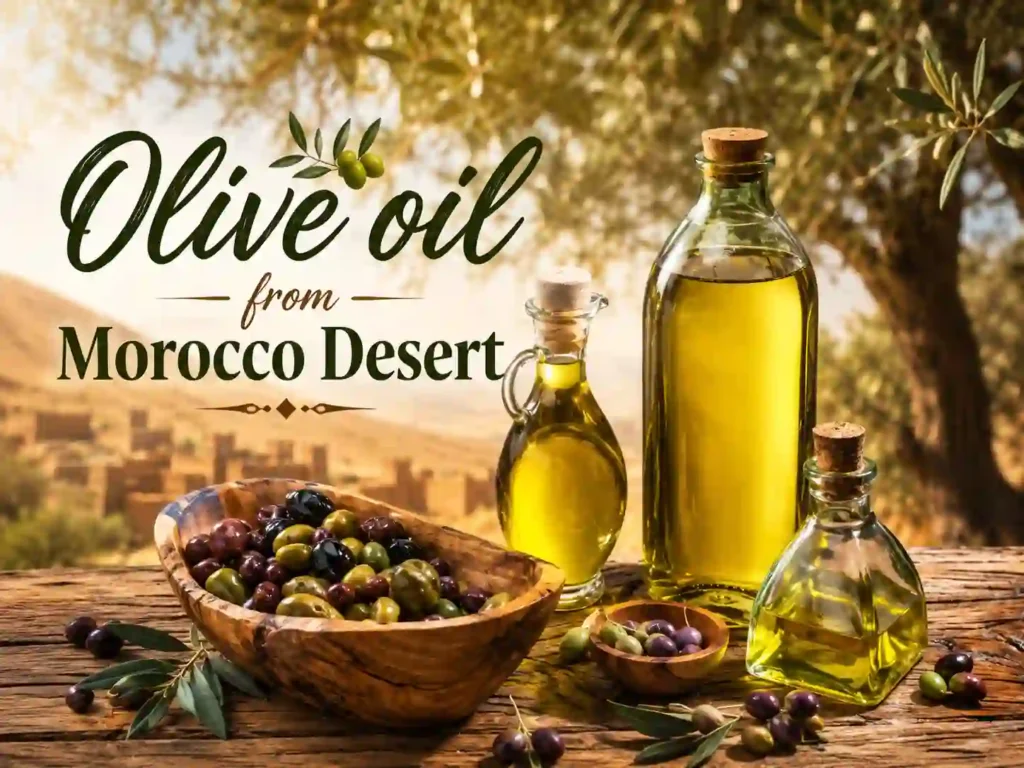
Morocco is globally renowned for its high-quality liquid gold, but did you know that the journey of extra virgin olive oil in Morocco extends far beyond the northern hills? Many travelers exploring the golden dunes are surprised to find that the arid regions bordering the Sahara are also home to thriving olive groves. Whether you are looking for the best olive oil Morocco has to offer or searching for authentic organic Moroccan olive oil to take home, the desert fringes provide a unique and traditional experience.
In this guide, we explore the truth about olive oil from Morocco’s desert, how the unique climate creates a distinct flavor, and where you can buy olive oil in Morocco during your next adventure. Discover why this ancient craft is an essential part of the Moroccan olive oil culture and how desert olive oil Morocco production continues to flourish in the heart of the oasis regions.
Table of Contents: Olive Oil from Morocco Desert
Is There Olive Oil from the Morocco Desert?
Many visitors are surprised to discover that the golden elixir of Morocco can indeed be found in the sun-drenched landscapes near the Sahara. To be clear, olive trees do not grow directly in the shifting sands of the Sahara dunes themselves. Instead, this high-quality oil is cultivated in the fertile fringes and lush oases that skirt the desert.
Regions such as Drâa-Tafilalet, Tata, Ouarzazate, Tinghir, and Errachidia have developed unique agricultural systems over centuries. These areas rely on ancient water management techniques to sustain vibrant olive groves despite the extreme climate. By farming in these oasis environments, local producers create an olive oil that captures the unique terroir of the pre-Saharan landscape, offering a flavor profile distinct from the oils produced in other regions.
Where Is Moroccan Olive Oil Produced?
Moroccan olive oil production is a widespread tradition, with distinct regions contributing to the country’s global reputation for quality:
Drâa-Tafilalet: Known for its resilient trees that thrive in the desert transition zones, producing robust and flavor-intense oils.
Ouarzazate and Oasis Areas: Home to traditional groves that utilize sustainable irrigation, often managed by local cooperatives.
Marrakech-Safi: A major hub where traditional farming meets modern, large-scale production, known for its high-yield and consistent quality.
Fès-Meknès: Historically the heart of Moroccan olive production, these regions benefit from optimal rainfall and rich soil, setting the standard for the country’s olive oil output.
Why Moroccan Olive Oil Is Famous Worldwide
The global reputation of Moroccan olive oil is built on a legacy that spans thousands of years. It isn’t just a culinary ingredient; it is a cultural cornerstone that has gained international recognition for several reasons:
Rich, Distinctive Flavor: The unique Mediterranean-Sahara transition climate gives the oil a complex flavor profile, often characterized by a fruity aroma and a slightly peppery finish that olive oil connoisseurs cherish.
Traditional Production: Many small-scale producers in the Moroccan olive farms still use time-honored techniques, ensuring that the fruit is handled with care from tree to bottle.
Organic Farming: Because the desert fringes are far from industrial pollution and many local farmers rely on traditional, low-intervention methods, much of the organic Moroccan olive oil produced here is naturally free from synthetic pesticides.
International Awards: Moroccan brands frequently take home top prizes at global olive oil competitions, proving that the quality of Morocco olive oil rivals, and often exceeds, the best oils from Europe.
Can Olive Trees Grow Near the Sahara Desert?
It might seem contradictory that such a lush, oil-rich fruit can grow near a landscape as arid as the Sahara, but the answer lies in the resilience of the olive tree (Olea europaea).
Climate Adaptation: The olive tree is incredibly hardy, capable of surviving high temperatures and extended droughts. The harsh sun actually helps in developing a higher concentration of polyphenols, which contributes to the oil’s health benefits.
Irrigation Techniques: Survival in the desert fringes is made possible by the “Khettara” system—an ancient, sustainable method of underground water channels—and modern drip irrigation that delivers water directly to the roots.
Oasis Farming: Oases act as microclimates. By planting olive trees under the canopy of date palms, farmers provide shade that protects the young trees from the scorching desert heat, fostering a symbiotic agricultural ecosystem.
Sustainable Agriculture: Local farmers have practiced sustainable agriculture for centuries, working with the desert environment rather than against it, ensuring that olive groves remain productive for generations.
How Moroccan Olive Oil Is Made
The transformation from fruit to liquid gold in Moroccan olive farms follows a precise process that prioritizes freshness and quality. Whether in a large facility or a traditional village cooperative, the steps remain focused on preserving the oil’s integrity:
Harvesting: The olives are hand-picked at the optimal time to ensure the balance between oil yield and flavor. Hand-picking prevents bruising, which is crucial for producing high-quality extra virgin olive oil Morocco.
Cold Pressing: Within hours of harvest, the olives are crushed and pressed at low temperatures. By avoiding high heat, the producers ensure that the oil retains its nutritional value, natural antioxidants, and authentic taste.
Filtration: Once pressed, the oil is carefully filtered or left to decant naturally to remove any sediment or organic matter, ensuring a clear and shelf-stable product.
Bottling: The final product is stored in dark, airtight bottles to protect it from light and oxygen, which is a key practice for maintaining the superior quality of desert olive oil Morocco.
Health Benefits of Moroccan Olive Oil
Beyond its delicious taste, Moroccan olive oil is celebrated worldwide as a health-promoting superfood. Incorporating it into your daily diet offers significant benefits:
Healthy Fats: It is rich in monounsaturated fatty acids, particularly oleic acid, which is known for its ability to support metabolic health.
Powerful Antioxidants: The oil is packed with polyphenols and Vitamin E, which help protect the body against oxidative stress and support healthy skin and hair.
Heart Health: Regular consumption is widely associated with improved cardiovascular health, helping to manage cholesterol levels and reduce blood pressure.
Anti-inflammatory Properties: Natural compounds found in high-quality organic Moroccan olive oil act as gentle, natural anti-inflammatories, contributing to overall wellness and longevity.
How to Identify Authentic Moroccan Olive Oil
When you are looking to buy the best olive oil in Morocco, it is important to know what to look for so you can distinguish the real deal from diluted or low-quality alternatives:
Extra Virgin Label: Always look for “Extra Virgin” on the label. This means the oil is extracted via cold pressing without chemical refinement, preserving the highest possible nutrient content.
Cold-Pressed: Authentic Moroccan olive oil should be labeled as “cold-pressed.” This is the gold standard for maintaining flavor and health properties.
Check the Origin: A reputable product will clearly state the region of origin (e.g., Ouarzazate or the wider Drâa-Tafilalet region). If it’s from a specific Moroccan olive farm, even better.
Color and Taste: While color can vary from golden yellow to deep green, the taste should be fresh, fruity, and slightly peppery. If it tastes rancid or has no scent, it is likely not authentic.
Trusted Local Producers: When in doubt, buy from local cooperatives or established vendors. Supporting these producers not only ensures you get an authentic desert olive oil Morocco experience but also helps sustain the local economy.
Olive Oil and Moroccan Cuisine
In Morocco, olive oil is not just a condiment; it is the lifeblood of the kitchen. It is deeply ingrained in the culinary heritage and is used in almost every household:
Tagines: It serves as the base for many slow-cooked tagines, adding depth and richness to the meat and vegetables.
Salads: A generous drizzle of extra virgin olive oil is the classic finish for Moroccan tomato, onion, and pepper salads.
Fresh Bread: One of the simplest and most delicious ways to enjoy it is dipping warm, freshly baked khobz (traditional bread) into a bowl of olive oil, often served with a pinch of salt or cumin at breakfast.
Couscous: It is often drizzled over couscous before serving to enhance the aroma of the steamed grains and the accompanying vegetables.
Can Tourists Buy Olive Oil in Morocco?
Yes, absolutely! Bringing a bottle of Moroccan olive oil back home is one of the best ways to keep a taste of your trip alive. Here are some tips for tourists looking to purchase:
Local Cooperatives: These are often the best places to buy. They are transparent about their production, usually family-run, and ensure that the money directly supports the local farmers.
Traditional Markets (Souks): You will find plenty of olive oil here. Always ask for a taste test before buying. A good vendor will be proud to show you the quality of their product.
Farms: If you are on a tour, don’t hesitate to ask if you can visit a local farm. Buying directly from the Moroccan olive farms is a unique experience and guarantees you are getting the freshest oil.
Airport Shopping Tips: If you forget to buy it during your travels, the airport shops offer high-quality, pre-packaged bottles that are travel-friendly. However, try to buy from local sources whenever possible for a more authentic, artisanal product.
Best Places to Buy Olive Oil Near the Moroccan Desert
If you are exploring the desert regions, you are in a prime spot to find some of the most unique, sun-ripened olive oils. Keep an eye out in these areas:
Ouarzazate: Known as the “Gateway to the Desert,” it is a hub for high-quality regional products, including some of the best olive oils from nearby valleys.
Skoura Oasis: Famous for its vast palm groves, this area also has beautiful, centuries-old olive trees. The oil produced here has a distinct, rich profile.
Errachidia: As a major regional center, you will find well-established cooperatives here that sell pure, unadulterated oil.
Tinghir: Located near the stunning Todra Gorge, the farmers here produce excellent oil, often harvested from small, traditional family plots.
Zagora: This is one of the southernmost points for quality production. The oil here is highly prized for its resilience and intense flavor, reflecting the unique environment of the Draa Valley.
Frequently Asked Questions
Is olive oil produced in the Moroccan desert?
While olive trees don’t grow in the sand dunes themselves, olive oil from Morocco’s desert regions is definitely real. It is produced in the fertile oases and valleys (like the Drâa-Tafilalet region) that border the Sahara, where traditional irrigation makes farming possible.
Is Moroccan olive oil good quality?
Yes, it is world-class. Morocco is one of the top olive oil producers globally. Its unique climate and traditional methods, especially in the southern oases, produce an organic Moroccan olive oil that is highly valued for its rich flavor and high antioxidant content.
Can you buy olive oil during a desert tour?
Definitely! Most desert tours include stops at local cooperatives or workshops. This is actually the best time to buy, as you can taste the best olive oil Morocco offers directly from the source and support the local families who produce it.
What is the best Moroccan olive oil?
The “best” oil often comes from small-scale, traditional Moroccan olive farms that practice cold pressing. Look for “Extra Virgin” labels and choose oils from renowned regions like Ouarzazate or the Skoura Oasis for an authentic experience.
Is Moroccan olive oil organic?
Many traditional producers in the southern regions follow natural, low-intervention farming practices that are essentially organic. When buying, look for cooperatives that emphasize traditional, chemical-free methods to ensure you are getting pure organic Moroccan olive oil.
How should I store Moroccan olive oil to keep it fresh?
To maintain the quality of your extra virgin olive oil from Morocco, store it in a cool, dark place away from direct sunlight and heat sources. Always keep the bottle tightly sealed to prevent oxidation. Glass bottles or stainless steel containers are better than plastic.
What is the difference between green and black olives in Morocco?
The difference is primarily the harvest time. Green olives are harvested earlier, often resulting in a more robust, “grassy,” and peppery oil. Black olives are harvested later when fully ripe, producing a smoother, milder, and more delicate oil. Both are used to produce Moroccan olive oil, and the blend often depends on the specific region and tradition.
Can I take olive oil on a plane?
Yes, but with restrictions. Because it is a liquid, you must pack it in your checked luggage. Make sure it is sealed tightly and wrapped well (in bubble wrap or a plastic bag) to prevent any leaks during the flight. Do not try to carry large bottles through security in your hand luggage.
Why is some Moroccan olive oil more expensive than others?
Price usually reflects the production process and the volume. Small-batch, hand-harvested, cold-pressed organic Moroccan olive oil from a local cooperative will naturally cost more than mass-produced oils. You are paying for the artisanal quality, sustainable practices, and the labor-intensive effort that goes into every bottle.
Does the desert climate affect the health benefits of the oil?
Yes, in a positive way! Research suggests that trees growing under stress, such as high heat and limited water, often produce olives with higher concentrations of antioxidants and polyphenols. This makes desert olive oil an exceptionally healthy choice.
Are there different grades of Moroccan olive oil?
Yes. While “Extra Virgin” is the highest quality, you may also find “Virgin” olive oil, which has a slightly higher acidity level. It is still pure, but the flavor profile is less intense. Always check the label for “Extra Virgin” if you are looking for the absolute best quality for raw consumption, such as in salads or for dipping bread.
Conclusion: Taste the Essence of the Moroccan Desert
From the sun-drenched oases of the south to your own kitchen table, Moroccan olive oil is more than just an ingredient; it is a story of resilience, tradition, and the unique terroir of our beautiful country. Whether you are planning a trip to explore the Moroccan olive farms firsthand or simply looking to experience the rich, authentic flavors of the desert olive oil Morocco, you are choosing a product that is as healthy as it is delicious.
Next time you find yourself traveling through the desert region, take a moment to visit a local cooperative, meet the farmers, and taste the difference that traditional, sustainable cultivation makes. You aren’t just buying a bottle of oil; you are supporting a legacy that has thrived for centuries in the heart of Morocco.
Ready to explore the real Morocco? If you’re planning your next adventure to the desert, don’t miss out on visiting our local landscapes. Contact us today to plan your custom tour, and we will make sure your journey includes the best local experiences, including tasting the finest organic Moroccan olive oil right at the source!

I’m Lahcen Saadi from the Exploring Morocco Trips team. We are local guides dedicated to crafting authentic and exceptional Moroccan experiences.
Whether you are planning your first trip to Morocco and need expert advice, or you are a travel professional looking to collaborate on unique itineraries, we are ready to help.
- 2 Days Desert tours From Marrakech
- 3 Days Desert tour From Marrakech to Merzouga
- 3 Days Desert tour From Marrakech to Fes
- 4 Days Desert tour From Marrakech to Merzouga
- 4 Days Desert tour From Marrakech to Fes
- 5 Days Desert tour From Marrakech to Merzouga
- 5 Days Desert tour From Marrakech to Fes
- 6 Days Desert tour From Marrakech to Casablanca
- 7 Days Morocco tour from Marrakech
- 8 Days Morocco tour from Marrakech
- 8 Days Morocco tour from Marrakech with Imperial Cities
- 9 Days Morocco tour from Marrakech
- 10 Days Morocco tour from Marrakech
- 12 Days Morocco tour from Marrakech
- 14 Days Morocco tour from Marrakech
- 2 Days Desert tour From Fes to Merzouga
- 2 Days Desert tour From Fes to Marrakech
- 3 Days Desert tour From Fes to Merzouga
- 3 Days Desert tour From Fes to Marrakech
- 4 Days Desert tour From Fes to Marrakech
- 5 Days Desert tour From Fes to Marrakech
- 6 Days Desert tour From Fes to Marrakech
- 7 Days Morocco tour from Fes
- 4 Days Morocco tour from Casablanca
- 5 Days Morocco tour from Casablanca
- 6 Days Morocco tour from Casablanca
- 7 Days Morocco tour from Casablanca
- 8 Days Morocco tour from Casablanca
- 9 Days Morocco tour from Casablanca
- 10 Days Morocco tour from Casablanca
- 11 Days Morocco tour from Casablanca
- 12 Days Morocco tour from Casablanca
- 14 Days Morocco tour from Casablanca