
Ramadan in Morocco: A Traveler's Guide to the Holy Month
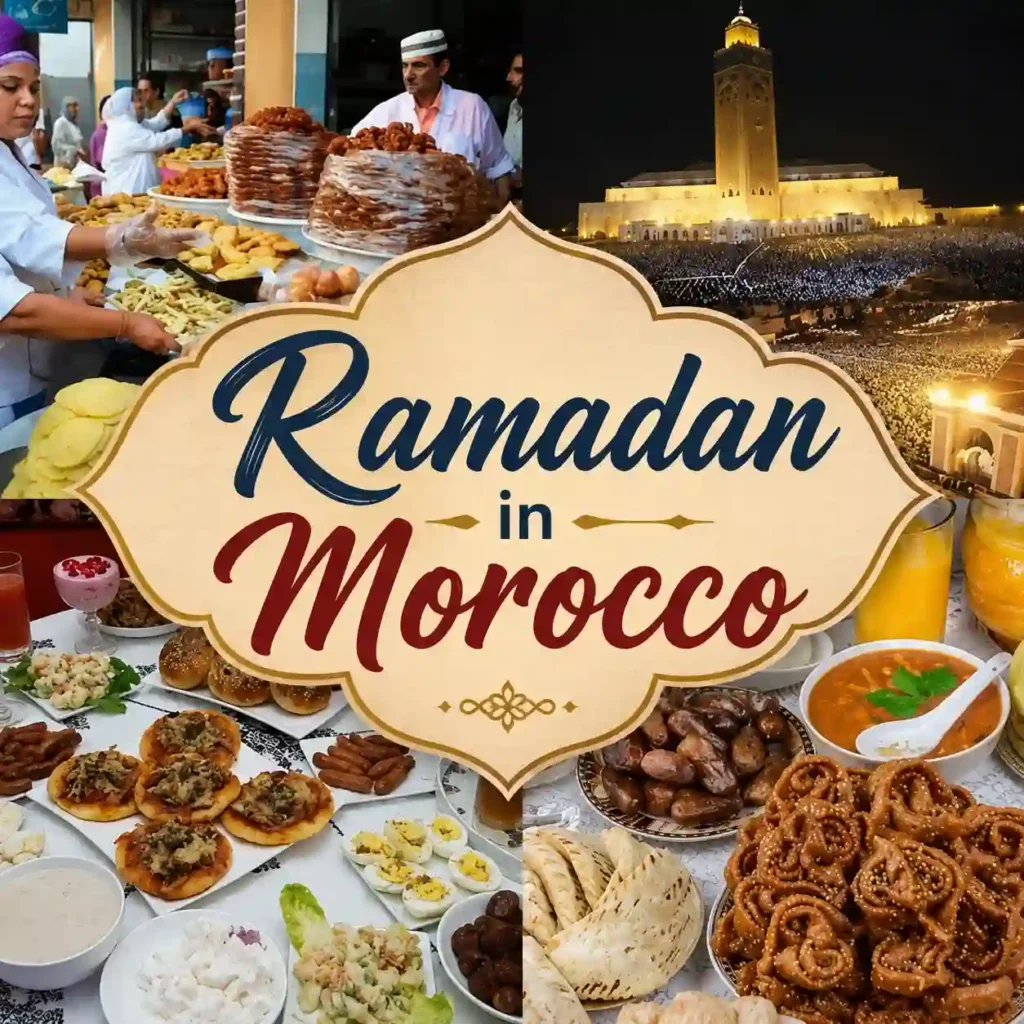
If you have ever wondered what it feels like to walk through a Moroccan medina just as the sun starts to dip and the whole city holds its breath waiting for the call to prayer, then you already have a small taste of what Ramadan in Morocco is about. It’s not just a religious event tucked away in mosques it spills into the streets, the kitchens, the markets, and honestly, into every corner of daily life. For a traveler, visiting Morocco during Ramadan can be one of the most memorable trips you’ll ever take, as long as you know what to expect.
In this guide, we’ll walk you through what Ramadan actually looks like on the ground in Morocco, when it happens, how it affects your travel plans, what Moroccans eat during this month, what you should and shouldn’t do out of respect, and why despite what some guidebooks might tell you this can actually be one of the best times of the year to explore the country.
Table of Contents
What Is Ramadan and Why It Matters So Much in Morocco
Ramadan is the ninth month of the Islamic lunar calendar, and it’s a time when Muslims practice fast from dawn until sunset no food, no water, not even a sip of coffee during daylight hours. But in Morocco, Ramadan is far more than fasting. It’s a shift in the rhythm of the entire country. Shops that usually open at 9am might not open until 10 or 11. Streets that are usually buzzing at noon go quiet, almost sleepy. Then, as the sun gets low, something changes completely. People rush home, the smell of harira soup and msemen fills the air, and cities that were half-asleep an hour earlier suddenly wake up with energy that lasts well into the night.
When is Ramadan in Morocco?
This is probably the first question on every traveler’s mind, and it has a slightly tricky answer: Ramadan doesn’t fall on a fixed date. Since it follows the Islamic (Hijri) lunar calendar rather than the regular Gregorian calendar, the month moves backward by roughly 10 to 11 days every year. That means Ramadan can land in the middle of summer one year and shift into spring or winter a few years later, slowly rotating through all four seasons over time.
In Morocco specifically, the exact start date is confirmed only once the religious authorities officially sight the new crescent moon, usually announced the evening before Ramadan begins. So if you’re planning a trip, don’t rely on a date you saw somewhere months in advance — always check closer to your travel dates, since the beginning of the month can shift by a day depending on the moon sighting.
A simple way to keep track is to search “Ramadan calendar” a few months before you travel, or just ask your riad host or tour operator once you’re closer to your trip Moroccans always know exactly where things stand.
When Does Ramadan End in Morocco?
Ramadan lasts either 29 or 30 days, again depending on the lunar cycle and the moon sighting, and it ends with one of the most joyful days on the Moroccan calendar: Eid al-Fitr. The night before Eid is sometimes called “the night of doubt” (laylat al-shakk) in some communities, because families wait to hear whether the moon has been sighted to confirm the fast is officially over.
Once Eid is announced, the mood in Morocco flips almost overnight, literally. Streets that were calm during the day suddenly filled with families in new clothes, children get small gifts of money from relatives, sweets get passed around neighborhoods, and everyone heads out for visits, big lunches, and celebrations that usually last a couple of days. If your trip lines up with Eid, expect a livelier, more festive Morocco than you’d see on a regular day, though also expect some shops, banks, and smaller businesses to close for the holiday.
Daily Life During Ramadan: What You will Actually See
The Quiet Mornings
Mornings during Ramadan are noticeably slower. Many restaurants and cafés stay closed until the afternoon, and some smaller shops in the medinas open later than usual. If you’re an early riser hoping to grab breakfast at a local spot, you might need to plan ahead hotel breakfasts and a handful of tourist-focused cafés will still be running for non-fasting visitors.
The Magic Hour: Iftar
Around 15-20 minutes before sunset, you’ll start noticing something interesting the streets begin to empty out. People are heading home, or gathering at a café or family table, waiting for the sound of the cannon shot or the call to prayer that signals it’s time to break the fast. This moment is called ftour (iftar), and it’s genuinely beautiful to witness.
Nighttime Comes Alive
Once the fast is broken, the country transforms. Streets fill up again, shops reopen, and cafés stay busy until well past midnight. In cities like Marrakech, Fes, and Chefchaouen, the medinas take on a completely different energy after dark during Ramadan it’s lively, social, and full of life in a way that daytime simply isn’t during this month.
Moroccan Food During Ramadan
If there is one thing that makes Ramadan in Morocco unforgettable, it’s the food. The whole country seems to run on the countdown to iftar, and the table that gets set once the fast breaks is unlike any other meal you’ll have during your trip. Here’s what usually ends up on it:
- Harira: a warm, hearty tomato and lentil soup, thickened slightly with flour and finished with fresh herbs and a squeeze of lemon. This is practically the symbol of Ramadan in Morocco, and almost every household has its own family recipe.
- Dates and milk: the traditional way the fast is first broken, often eaten in the seconds right after the call to prayer, before anything else touches the table.
- Chebakia: a sesame and honey pastry shaped like a flower, fried until crisp and then soaked in warm honey. It’s incredibly sweet and sticky, and it practically defines the taste of Ramadan for most Moroccans.
- Msemen and harcha: square, layered flatbreads and a semolina griddle bread, usually served with honey, butter, or amlou, a rich spread made from almonds, argan oil, and honey.
- Briouates: small, crispy triangular or cylindrical pastries filled with spiced meat, cheese, or seafood, fried until golden.
- Hard-boiled eggs and dried fruits: often placed on the table almost as a ritual, alongside dates, figs, and almonds.
- Fresh juices: avocado juice, orange juice, and almond milk are common favorites, especially after a full day without water.
After iftar, families often take a short break before eating a lighter second meal later in the evening, and then a final meal before dawn called suhoor, which usually includes something simple and filling to help get through the next day of fasting.
If you are staying in a riad or guesthouse, ask your host if you can try a home-cooked iftar many families and hosts are happy to share this experience with travelers, and it’s honestly one of the warmest ways to understand Moroccan hospitality up close.
Does Ramadan Affect Tourists in Morocco?
Yes, but probably not in the way you’re imagining, and definitely not in a way that should stop you from visiting. Ramadan changes the pace of the country more than it changes what’s available to you as a visitor. Here’s what actually shifts:
- Opening hours move around. Restaurants, shops, banks, and even some tourist attractions may open later in the morning and close earlier in the afternoon, then reopen again after iftar.
- Public transport and taxis can be trickier right around iftar time. Everyone is trying to get home before sunset, so traffic tends to spike in the hour before, and things go quiet right after.
- Tour guides and drivers may be fast. This doesn’t affect the quality of your trip, but meal stops, rest breaks, and timing of activities are usually planned around sunset out of consideration for the local team working with you.
- The atmosphere itself changes. Daytime feels calm and quieter, almost like the whole country is holding its breath, while nighttime becomes noticeably livelier and more social than usual.
None of this makes travel harder, it just makes it different, and honestly, a lot of visitors find that Ramadan adds a layer of cultural depth to their trip that they wouldn’t have experienced otherwise.
Can Tourists Eat During Ramadan in Morocco?
This is one of the most common questions we get, and the short answer is yes. Tourists and non-Muslims are not expected or required to fast in Morocco. Hotels, riads, and restaurants that cater to travelers generally stay open throughout the day and serve food and drinks as normal.
That said, there’s an unspoken rule of courtesy worth following: try to avoid eating, drinking, or smoking openly in the street or in public squares during daylight hours. It’s not against the law, and nobody is going to stop you, but it’s simply respectful toward people who are fasting around you. Eating inside a restaurant, your hotel room, or a private space is completely fine and normal, even in smaller towns.
In bigger cities and tourist hubs like Marrakech, Fes, or Chefchaouen, you’ll find plenty of restaurants that stay open all day specifically because they’re used to serving visitors. If you’re heading into smaller villages or more rural areas, it’s worth packing some snacks or checking with your guide ahead of time, since options can be more limited there.
Tips for Travelers Visiting Morocco During Ramadan
Be mindful of eating and drinking in public. As mentioned above, it’s respectful to keep it low-key and out of sight when possible, even though it’s not required by law.
Expect slower service and adjusted hours. Government offices, banks, and some tour operators may run shorter hours. If you’re booking activities like a desert excursion, it’s worth confirming timings in advance since schedules often shift around iftar.
Dress a little more modestly. This is generally good practice in Morocco anyway, but during Ramadan, covering shoulders and knees shows extra respect for the spirit of the month.
Don’t skip the night markets. Ramadan nights in Morocco are honestly underrated. Squares like Jemaa el-Fnaa in Marrakech get even busier after iftar, with food stalls, storytellers, and music picking up well into the evening.
Book desert trips with flexibility in mind. A Sahara trip during Ramadan is still absolutely doable and often stunningly peaceful, since fewer crowds are on the road. Just know that your guides and drivers may be fasting, so meal stops and rest breaks are usually timed around sunset.
Carry water and snacks discreetly if you’re out and about. This makes it easy to stay comfortable without drawing attention to yourself in more traditional neighborhoods.
Is Ramadan a Good Time to Visit Morocco?
Honestly, yes, if you go in with the right mindset. Daytime in the big cities can feel quieter than usual, but the nights more than make up for it. You also get to witness a side of Moroccan culture that most visitors never see: the community spirit, the generosity of iftar, and a country that comes together every single evening in a way that’s genuinely moving to witness as an outsider.
It’s also a great time to experience the desert differently. A night under the stars in the Sahara during Ramadan has its own kind of stillness; the sky feels even bigger when the whole world around you has slowed down. If a desert trip is on your list, our team can help you plan one that fits around Ramadan timings comfortably, whether you are starting from Marrakech , Fes , Ouarzazate , or Tangier . We also run broader Morocco desert tours that combine the Sahara with stops in the Atlas Mountains and along the way to the south.
If you would rather see more of the country beyond the desert, take a look at our full Morocco itineraries; they are built to work around any time of year, Ramadan included.
Best Cities to Visit in Morocco During Ramadan
Not every city feels the same during Ramadan, and picking the right stops can really shape how you experience the month. Here’s a quick rundown of where the atmosphere really shines:
Marrakech: The medina here goes through the biggest transformation of any Moroccan city. Jemaa el-Fnaa square is calm than usual during the day, then explodes with food stalls, orange juice carts, drummers, and storytellers once iftar hits. If you want the most dramatic before-and-after feeling of Ramadan, Marrakech is the place.
Fes: Fes has a more traditional, slower pace year-round, and Ramadan only deepens that feeling. The old medina, Fes el Bali, has a spiritual, almost timeless quality after sunset, with the smell of harira drifting out of narrow alleyways and families gathering in centuries-old homes. It’s a quieter, more intimate version of Ramadan compared to Marrakech.
Chefchaouen: The blue city takes on a peaceful, almost dreamlike quality during Ramadan. It’s smaller and calmer than Marrakech or Fes to begin with, so the shift between day and night feels gentler, but no less special, especially with the blue walls catching the evening light right around iftar.
Essaouira: This coastal city keeps a laid-back, breezy energy even during Ramadan. The seafood stalls along the port adjust their hours around the fast, and the evening walks along the ramparts as the sun sets over the Atlantic are hard to beat.
Ouarzazate and the desert gateway towns: These towns, along with Merzouga further southeast, take on a different rhythm altogether, shaped as much by the desert as by the holy month. More on that below.
Ramadan in Marrakech vs Fes: What's the Difference?
Since these two cities are the most commonly compared, it’s worth breaking down exactly how they differ during Ramadan:
- Pace of daily life: Marrakech feels like a city holding its breath during the day, then bursting with noise, music, and street food once the sun sets. Fes, on the other hand, stays gentler and more reserved even after iftar, with its energy concentrated more around family homes and mosques than public squares.
- Where the action happens: In Marrakech, it’s Jemaa el-Fnaa and the surrounding souks that come alive at night. In Fes, the experience is more spread out through the medina’s residential alleys, with less of a single central gathering point.
- Tourist infrastructure: Marrakech has more restaurants and cafés set up specifically for travelers who want to eat during the day, simply because it sees more visitors year-round. Fes requires a bit more planning if you want daytime meals, though hotel restaurants still cover you.
- Overall feeling: Marrakech during Ramadan feels festive and energetic, almost theatrical after dark. Fes feels more spiritual and traditional, giving you a quieter, deeper look into how Ramadan is actually lived by Moroccan families.
Neither city is the “better” choice it really depends on whether you’re after the lively, social side of Ramadan or the calm, more reflective one. Many travelers actually combine both on the same trip, since they’re only a few hours apart.
Experiencing Ramadan in the Sahara: Merzouga and the Desert
Merzouga, the gateway to the Erg Chebbi dunes, offers one of the most unique ways to experience Ramadan in Morocco. Out here, away from the noise of the cities, the fast takes on a different rhythm entirely, shaped by the openness of the desert and the slower pace of life in the small villages that dot the edge of the Sahara.
Camel treks toward the dunes are often timed so that the ride happens either in the cooler hours before sunset or after iftar, once guides and camel handlers have broken their fast. Watching the sun go down over Erg Chebbi during Ramadan, right as the call to prayer echoes faintly from a nearby village, is truly one of the most memorable moments you can have in Morocco.
Once you reach camp, iftar in the desert is a simple but special affair dates, harira, and mint tea shared around a fire under a sky that’s usually completely free of light pollution, followed by drumming and music that often continues later into the night than usual, since everyone’s energy picks up after the fast breaks.
If a Sahara experience during Ramadan sounds like something you want to build into your trip, Merzouga is included in several of our desert routes, including trips departing from Marrakech and Fes , both of which wind through the Atlas Mountains before reaching the dunes.
Ramadan Etiquette Tips for Female Travelers
Female travelers visiting Morocco during Ramadan generally have the same experience as any other visitor, but a few small habits go a long way in blending respectfully into daily life during this month:
- Dressing modestly matters a bit more during Ramadan, so packing clothing that covers shoulders and knees is a good idea, even in warmer weather.
- Public displays of affection are best avoided year-round in Morocco, and this becomes even more noticeable during the reflective, family-oriented atmosphere of Ramadan.
- If you’re invited to a family iftar, it’s common courtesy to bring a small gift, such as dates or pastries, and to follow your host’s lead on when to start eating.
- Solo female travelers will generally find Ramadan evenings safe and lively in tourist areas, though it’s still smart to stick to well-lit, busy streets late at night, just as you would anywhere else.
Photography Tips During Ramadan
Ramadan offers some incredible photo opportunities, but a little awareness goes a long way:
- The hour right before and after iftar is magic for photography golden light, empty streets turning into filled ones, food stalls lighting up. It’s one of the best windows of the whole day for photos.
- Always ask before photographing people, especially during private moments like breaking the fast or praying. Most Moroccans are welcoming, but it’s a matter of basic respect, particularly during a religious month.
- Mosques are usually off-limits to non-Muslims for interior photography, though the exteriors, especially at night when they’re lit up, make for beautiful shots.
- Night markets and souks come alive with color and movement after iftar, making them one of the richest spots for street photography during Ramadan.
Eid al-Fitr: The Celebration After the Fast
At the end of Ramadan comes Eid al-Fitr, a joyful holiday marking the end of the month of fasting. Families gather, new clothes come out, sweets are shared between neighbors, and the whole country shifts into celebration mode for a couple of days. If your trip happens to overlap with Eid, expect some shops and offices to close entirely, but also expect an atmosphere that’s warm, festive, and full of Moroccan hospitality at its finest.
Frequently Asked Questions About Ramadan in Morocco
When is Ramadan in Morocco?
Ramadan follows the Islamic lunar calendar, so it shifts earlier by about 10-11 days every year and moves through all seasons over time. The exact start date is confirmed by moon sighting the night before it begins, so it’s best to check closer to your travel dates.
When does Ramadan end in Morocco?
Ramadan lasts 29 or 30 days and ends with Eid al-Fitr, a multi-day celebration marked by family gatherings, new clothes, and festive meals across the country.
Can tourists eat during Ramadan in Morocco?
Yes. Tourists are not required to fast, and restaurants catering to travelers generally stay open throughout the day. It’s simply courteous to avoid eating or drinking openly in public spaces like the street.
Does Ramadan affect tourists in Morocco?
It mostly affects the pace of things shop hours shift, traffic spikes right before iftar, and the daytime feels calm while nights become livelier. It doesn’t stop you from enjoying your trip, it just changes the rhythm of it.
Are restaurants open during Ramadan in Morocco?
Many restaurants that serve tourists remain open throughout the day, though some local, non-touristy spots may only open closer to iftar. Hotel restaurants are almost always a safe bet.
Is it okay to travel to the Sahara Desert during Ramadan?
Absolutely. Desert tours run as normal during Ramadan, and many travelers find it a particularly peaceful time to visit, with quieter camps and a slower pace overall.
Do shops and souks close during Ramadan?
Some shops open later in the morning and may close briefly around iftar time, but they typically reopen and stay open late into the evening once the fast is broken.
What should I wear in Morocco during Ramadan?
Modest clothing is appreciated year-round in Morocco, but it’s especially respectful during Ramadan. Covering shoulders and knees is a simple way to show consideration for local customs.
What food is eaten during Ramadan in Morocco?
Harira soup, dates, chebakia, msemen, briouates, and fresh juices are the staples of the iftar table, with lighter meals and suhoor rounding out the rest of the fasting day.
Final Thoughts
Visiting Morocco during Ramadan is not a compromise it’s a completely different way to experience the country, and for many travelers, it ends up being the most memorable part of their trip. The daytime calm, the evening bursts of energy, the smell of harira drifting through the medina streets, the generosity of a shared iftar table these are things you simply don’t get to witness any other time of year.
If you are planning a trip around Ramadan and want help putting together an itinerary, a desert excursion, or just some honest advice on timing everything right, feel free to get in touch with us . We are always happy to help travelers experience Morocco the way it’s really meant to be seen.

I’m Lahcen Saadi from the Exploring Morocco Trips team. We are local guides dedicated to crafting authentic and exceptional Moroccan experiences.
Whether you are planning your first trip to Morocco and need expert advice, or you are a travel professional looking to collaborate on unique itineraries, we are ready to help.
- 2 Days Desert tours From Marrakech
- 3 Days Desert tour From Marrakech to Merzouga
- 3 Days Desert tour From Marrakech to Fes
- 4 Days Desert tour From Marrakech to Merzouga
- 4 Days Desert tour From Marrakech to Fes
- 5 Days Desert tour From Marrakech to Merzouga
- 5 Days Desert tour From Marrakech to Fes
- 6 Days Desert tour From Marrakech to Casablanca
- 7 Days Morocco tour from Marrakech
- 8 Days Morocco tour from Marrakech
- 8 Days Morocco tour from Marrakech with Imperial Cities
- 9 Days Morocco tour from Marrakech
- 10 Days Morocco tour from Marrakech
- 12 Days Morocco tour from Marrakech
- 14 Days Morocco tour from Marrakech
- 2 Days Desert tour From Fes to Merzouga
- 2 Days Desert tour From Fes to Marrakech
- 3 Days Desert tour From Fes to Merzouga
- 3 Days Desert tour From Fes to Marrakech
- 4 Days Desert tour From Fes to Marrakech
- 5 Days Desert tour From Fes to Marrakech
- 6 Days Desert tour From Fes to Marrakech
- 7 Days Morocco tour from Fes
- 4 Days Morocco tour from Casablanca
- 5 Days Morocco tour from Casablanca
- 6 Days Morocco tour from Casablanca
- 7 Days Morocco tour from Casablanca
- 8 Days Morocco tour from Casablanca
- 9 Days Morocco tour from Casablanca
- 10 Days Morocco tour from Casablanca
- 11 Days Morocco tour from Casablanca
- 12 Days Morocco tour from Casablanca
- 14 Days Morocco tour from Casablanca