
Rivers in the Desert: Do Rivers Really Exist in Deserts?
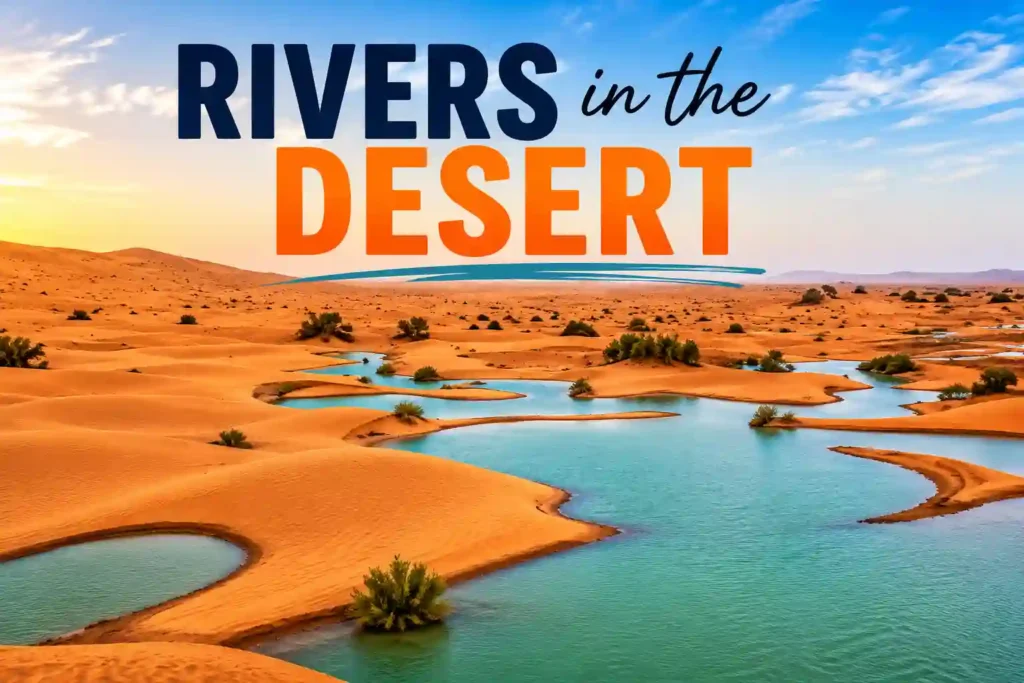
When most people think of desert landscapes, they often imagine endless, parched sand dunes with no water in sight. However, rivers in the desert do exist, serving as vital lifelines that sustain biodiversity, support agriculture, and provide resources for local communities. While these desert rivers face extreme evaporation and harsh conditions, they are remarkable natural features that shape the environment. From the majestic Draa River Morocco to the life-giving waters of the Ziz Valley and the wider Sahara oasis systems, these waterways are essential for survival. In this guide, you will discover how these resilient rivers in Morocco and other desert water sources survive in arid regions, explore the incredible wildlife they support, and learn why every oasis in the desert relies on these hidden paths of water to thrive amidst the vast Sahara desert environment.
Table of Contents: Rivers Exist in the sahara Desert
Can Rivers Exist in the Desert?
Rivers can indeed exist in the desert, often defying the odds of the surrounding arid environment through specific hydrological processes:
Formation: These rivers often originate in distant mountain ranges where rainfall and snowmelt provide a constant water supply that flows into the arid lowlands.
Seasonal vs. Permanent: Many desert water sources are ephemeral, meaning they only flow during specific rainy seasons, while others are permanent rivers that maintain flow throughout the year despite the heat.
Underground Water Sources: A significant portion of desert river systems is fed by aquifers, where water travels beneath the surface to support life in otherwise dry zones.
Mountain Snowmelt: In many parts of the world, melting snow from high-altitude peaks acts as the primary driver for feeding rivers that wind through desert terrain.
Famous Rivers Found in Deserts
Several iconic rivers demonstrate how water can transform a dry landscape into a thriving corridor:
Draa River (Morocco): As one of the most significant rivers in Morocco, the Draa flows through beautiful palm groves and dramatic desert landscapes. It is essential for the livelihoods of local villages and plays a critical role in supporting traditional agriculture. The river acts as the lifeblood for the communities living along its banks, maintaining the delicate ecological balance in the region.
Nile River: Crossing the vast Sahara Desert, this river is a legendary example of a water source that supports millions of people in Egypt and Sudan. Its annual flooding patterns historically revolutionized ancient civilization and continue to be the primary source of irrigation and water supply for vast populations today.
Colorado River: Flowing through arid regions in the United States, it is world-famous for its geological impact, most notably for shaping the Grand Canyon over millennia. It serves as a vital water artery for several states, providing electricity through hydroelectric dams and sustaining urban growth in otherwise parched environments.
Rivers in the Moroccan Desert
In southern Morocco, the interplay between water and land creates pockets of fertility that make human life possible:
Draa Valley: This region is a testament to the power of the Draa River in Morocco, where lush vegetation thrives in stark contrast to the surrounding desert.
Palm Groves: These iconic greenery-filled areas are nurtured by river water, providing essential shade and economic stability for the local population.
Traditional Irrigation: Local communities utilize historic irrigation systems, such as the khettara (an underground canal system), to manage and distribute water efficiently across their crops.
Desert Farming: These river-fed areas allow for the cultivation of dates, grains, and vegetables, forming the backbone of the local desert economy.
Why Are Rivers Important in Deserts?
Rivers serve as the primary backbone of desert ecosystems, performing several essential functions that allow life to flourish in arid zones:
Drinking Water: They provide the most critical resource for humans, livestock, and nomadic populations in remote, water-scarce regions.
Agriculture: They enable sustainable farming of dates, grains, and vegetables in areas that would otherwise be completely barren.
Wildlife Habitats: These river systems offer a vital sanctuary and a permanent source of hydration for diverse species that cannot survive in the open desert.
Tourism: Many travelers visit these regions specifically to experience the unique, lush beauty of a green oasis in the desert, which supports the local tourism economy.
Oasis Formation: Rivers facilitate the growth of extensive palm groves, which serve as the physical and ecological foundation for a thriving desert oasis.
Wildlife Around Desert Rivers
The areas surrounding Morocco desert rivers are surprisingly biodiverse, acting as vibrant corridors that create a sanctuary for a wide variety of wildlife:
Birds and Insects: The proximity to water creates a vital hub for various migratory birds, providing a resting place during their long journeys. Additionally, these areas host a diverse array of desert insects that thrive in the lush vegetation supported by the river, forming a critical base for the local food chain.
Fish and Frogs: Permanent river sections and natural pools provide essential aquatic environments for resilient fish species and amphibians. These creatures manage to survive in these hidden, protected settings, often remaining isolated in pools when river levels recede during the hotter months.
Mammals and Reptiles: Larger animals, including desert foxes and camels, frequently congregate near these life-giving water sources to hunt, graze, and stay hydrated. Various species of reptiles are also commonly found here, taking advantage of the cooler microclimates and the availability of prey in an otherwise harsh, arid environment.
Desert Oases and Rivers
The relationship between surface rivers, underground water, and oases is a delicate and essential hydrological cycle that sustains life in the desert:
The Connection: In many arid regions, rivers function as the primary recharge source for groundwater aquifers. As river water seeps into the sandy soil, it moves horizontally beneath the surface, creating hidden reservoirs of moisture.
Creating the Oasis: When this underground water encounters geological barriers or reaches natural depressions in the terrain, it is forced to the surface, forming a spring or a well-fed oasis.
The Palm Grove Ecosystem: These oases become fertile micro-climates, shielded by dense, towering palm groves. The trees provide necessary shade that reduces ground-level evaporation, allowing for the growth of secondary crops beneath them, such as dates, alfalfa, and pomegranates.
Best Places in Morocco to See Desert Rivers
For travelers looking to witness the beauty of water in the desert, these locations are essential stops to experience the life-giving power of nature:
Draa Valley: Often described as the longest and most impressive palm-lined valley in Morocco, it offers a stunning, long-stretching landscape where the river winds through ancient kasbahs and lush green groves.
Tinghir Oasis: Nestled near the spectacular Todra Gorge, this oasis is a breathtaking area known for its vibrant greenery, which contrasts sharply with the rugged, arid mountain backdrop.
Ziz Valley: A picturesque and expansive region where the Ziz River system carves a winding path of life through the desert, creating one of the most significant and beautiful palm-filled valleys in the country.
Merzouga Oasis: An iconic destination located on the edge of the Erg Chebbi dunes, where the desert landscape meets the potential of underground water resources and small, life-sustaining pools that surprise many visitors.
Frequently Asked Questions
Are there rivers in the Sahara Desert?
Yes, although the Sahara is vast and largely arid, rivers like the Nile and regional waterways in Morocco, such as those found in the Draa Valley, play a crucial role in sustaining life throughout various Sahara oasis systems.
What is the longest river in Morocco?
The Draa River is recognized as Morocco’s longest river, acting as a vital lifeline that sustains palm groves and traditional agriculture across southern desert landscapes.
Why don't most deserts have rivers?
Most deserts lack permanent rivers due to extremely high evaporation rates and a general absence of consistent mountain runoff, which is required to feed and maintain river flow.
Can rivers dry up?
Yes, many desert rivers are ephemeral or seasonal; they may flow vigorously after rain or snowmelt but can dry up completely during periods of intense heat and prolonged drought.
Are desert rivers safe to visit?
Yes, visiting these areas is generally safe, especially when traveling with reputable local guides who possess the knowledge to navigate the unique terrain and hydrological conditions of these desert environments.
How do local communities manage water in the desert?
In regions like the Draa Valley, local communities have used traditional systems for centuries, such as khettaras (underground irrigation canals) to minimize evaporation and ensure water reaches their crops. These systems are essential for maintaining sustainable agriculture in arid conditions.
Can you find fish in desert rivers?
Yes, despite the harsh environment, permanent pools and stable river sections in desert areas can support specialized, hardy species of fish and amphibians that have adapted to these isolated water bodies.
Why are palm groves so common near desert rivers?
Palm trees are perfectly adapted to the high water tables found near desert rivers and oases. They provide essential shade, which protects smaller crops from the intense sun and reduces the rate of ground-level moisture evaporation.
Is the water in desert rivers safe to drink?
While these rivers provide life-sustaining water, the water itself is not typically safe for consumption by travelers without proper filtration or purification, due to potential natural contaminants or livestock activity upstream.
How do desert rivers affect tourism?
Desert rivers act as major tourist attractions because they transform barren, dry landscapes into lush, green corridors. Areas like the Ziz Valley and Draa Valley attract travelers looking for scenic beauty, traditional culture, and unique desert trekking experiences.
Conclusion
Although deserts are famously known for their dry, desolate landscapes, rivers in the desert are essential, life-giving lifelines that make human and animal existence possible in some of the world’s harshest environments. In Morocco, iconic desert rivers such as the Draa and Ziz create a stunning, vibrant contrast by forming lush, green valleys, expansive palm groves, and unforgettable scenery that continue to attract travelers from around the world.
Beyond their immediate visual beauty, these waterways serve as the silent architects of history and culture. For centuries, they have dictated the routes of ancient trade caravans and the locations of fortified kasbahs, shaping the socio-economic identity of southern Morocco. As we face global climate challenges, the protection of these fragile desert water sources becomes increasingly important. By preserving these corridors, we not only safeguard the biodiversity that depends on them and the traditional agriculture that sustains local villages but also honor the wisdom of ancestral irrigation methods that have balanced human needs with nature for generations. Understanding these remarkable natural wonders provides a deeper appreciation for the delicate harmony between water and the resilient spirit of the desert, ensuring these hidden pathways continue to thrive as vibrant centers of life in an ever-changing world.
Ready to experience these hidden gems for yourself? Join Exploring Morocco Trips and let us guide you on an unforgettable trip to discover the breathtaking beauty of the desert, the serenity of our lush valleys, and the authentic spirit of Morocco. Whether you are looking for adventure or tranquility, we organize professional, tailor-made tours to help you explore the very best of our desert landscapes.

I’m Lahcen Saadi from the Exploring Morocco Trips team. We are local guides dedicated to crafting authentic and exceptional Moroccan experiences.
Whether you are planning your first trip to Morocco and need expert advice, or you are a travel professional looking to collaborate on unique itineraries, we are ready to help.
- 2 Days Desert tours From Marrakech
- 3 Days Desert tour From Marrakech to Merzouga
- 3 Days Desert tour From Marrakech to Fes
- 4 Days Desert tour From Marrakech to Merzouga
- 4 Days Desert tour From Marrakech to Fes
- 5 Days Desert tour From Marrakech to Merzouga
- 5 Days Desert tour From Marrakech to Fes
- 6 Days Desert tour From Marrakech to Casablanca
- 7 Days Morocco tour from Marrakech
- 8 Days Morocco tour from Marrakech
- 8 Days Morocco tour from Marrakech with Imperial Cities
- 9 Days Morocco tour from Marrakech
- 10 Days Morocco tour from Marrakech
- 12 Days Morocco tour from Marrakech
- 14 Days Morocco tour from Marrakech
- 2 Days Desert tour From Fes to Merzouga
- 2 Days Desert tour From Fes to Marrakech
- 3 Days Desert tour From Fes to Merzouga
- 3 Days Desert tour From Fes to Marrakech
- 4 Days Desert tour From Fes to Marrakech
- 5 Days Desert tour From Fes to Marrakech
- 6 Days Desert tour From Fes to Marrakech
- 7 Days Morocco tour from Fes
- 4 Days Morocco tour from Casablanca
- 5 Days Morocco tour from Casablanca
- 6 Days Morocco tour from Casablanca
- 7 Days Morocco tour from Casablanca
- 8 Days Morocco tour from Casablanca
- 9 Days Morocco tour from Casablanca
- 10 Days Morocco tour from Casablanca
- 11 Days Morocco tour from Casablanca
- 12 Days Morocco tour from Casablanca
- 14 Days Morocco tour from Casablanca