
Taghazout, Morocco: The Complete Guide to Morocco's Favorite Surf Village
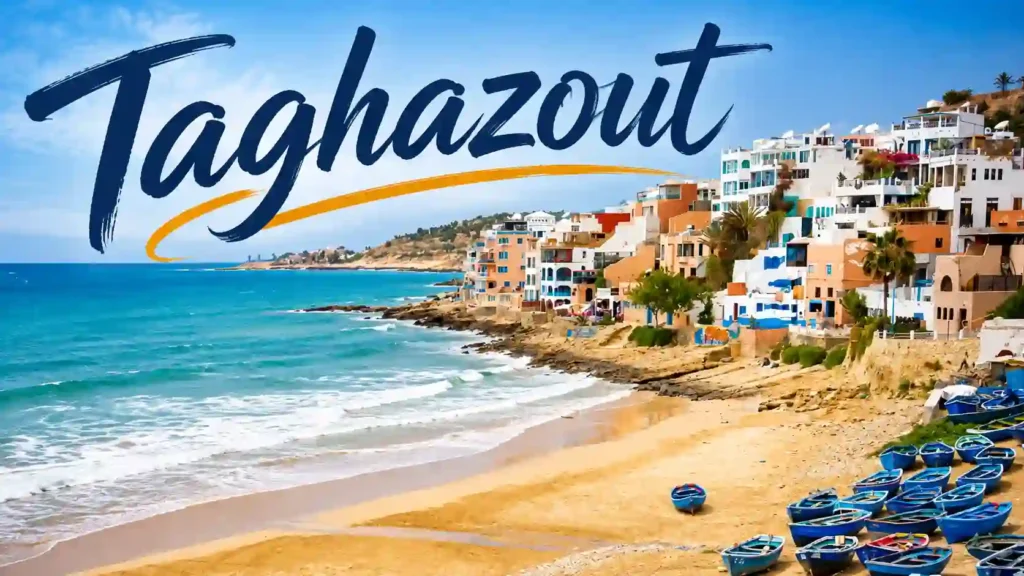
If you have spent any time scrolling travel videos lately, chances are you’ve seen a golden sunset over a wave-lined beach with someone’s caption reading something like “found paradise in Morocco.” That’s almost always Taghazout. What used to be a quiet fishing village north of Agadir has slowly turned into one of the most talked-about spots on Morocco’s Atlantic coast, and honestly, it earns the hype.
Taghazout isn’t a place you visit for a checklist of monuments. It’s a place you visit to slow down. People come for a week and end up staying three. In this guide, we’ll walk through everything you actually need to know before you go: where Taghazout is, when to visit, what to do, where to stay, what it costs, and the little details that make the difference between an okay trip and a great one.
Table of Contents
Where Is Taghazout, Exactly?
Taghazout sits on Morocco’s southwestern Atlantic coast, about 19 kilometers (roughly a 25-minute drive) north of Agadir, tucked against the foothills where the Atlas Mountains meet the ocean. It’s small. You can walk from one end of the village to the other in about fifteen minutes. But that size is part of the charm; everything feels close, walkable, and easy to figure out within a day or two.
The village still has its roots as a traditional fishing community. Every morning, blue and white boats head out early, and the same colors show up on the walls of the houses lining the main street. It’s a nice contrast to the surf shops, smoothie bowls, and co-working cafés that have popped up around them.
Why Everyone's Talking About Taghazout
The short answer: surfing. Taghazout has some of the most consistent waves in Africa, and it’s become known as something of a surf capital for the continent. But that’s really only half the story now. Over the past several years, it’s also grown into a hub for yoga retreats, wellness stays, and digital nomads looking for decent wifi, cheap living, and a slower pace of life.
What makes it work is the mix of people. You’ll meet total beginners taking their first surf lesson right next to seasoned surfers who’ve been coming back every winter for a decade. It’s laid-back in a way that feels genuine rather than curated for Instagram, even if Instagram is exactly how a lot of people find out about it.
Best Time to Visit Taghazout
This really depends on what you are after.
October to April is peak surf season. The Atlantic swells are bigger and more consistent, which is what draws intermediate and advanced surfers to spots like Anchor Point. Winters here are mild rather than cold, so you’re not sacrificing comfort for good waves.
June to September brings calmer water and warmer temperatures, generally around 25°C. This is a better window if you’re a beginner, if you just want to swim and relax, or if big swells aren’t your thing.
If you’re chasing fewer crowds, spring and late autumn tend to be a sweet spot decent weather, manageable waves, and a village that doesn’t feel packed. Christmas and New Year’s, on the other hand, get genuinely busy, so plan and book ahead if you’re traveling then.
The Best Things to Do in Taghazout
Surf, Even If You have Never Tried
Taghazout has waves for every skill level, which is rare. Here’s the rough breakdown:
- Anchor Point – The most famous break in the village and one of the best right-hand point breaks in Morocco. Long, fast rides, but it suits intermediate to advanced surfers and can get crowded.
- Hash Point – A bit more forgiving than Anchor Point while still offering length and consistency.
- Panoramas Beach – Where most beginners end up. Smaller, more manageable waves, with surf schools right on the sand.
- Devil’s Rock and Banana Point – Good beginner-friendly spots with gentler breaks.
- Boilers and Killer Point – For the more experienced crowd chasing bigger, cleaner barrels.
Board and wetsuit rental is everywhere, and lessons are affordable compared to most other surf destinations in the world. If you have never stood on a board before, Taghazout is genuinely one of the easiest places to learn.
Watch the Sunset From Anchor Point
Even if you don’t surf, make your way to Anchor Point in the evening. Watching the sun drop into the Atlantic while surfers catch last-light waves is one of those simple moments that ends up being everyone’s favorite memory of the trip.
Take a Day Trip to Paradise Valley
About 45 minutes inland, Paradise Valley is a palm-lined oasis with natural pools and small waterfalls carved into the rock. It’s a nice break from the beach. Bring a swimsuit and good shoes, since some of the trail down to the pools is rocky.
Try Yoga or a Hammam
Between the surf camps, plenty of spots now offer daily yoga sessions, often on rooftop terraces overlooking the ocean. Pair that with a traditional hammam, and you’ve got a solid recovery day after a few sessions in the water.
Wander the Village and Coastal Walk
Taghazout’s narrow streets are worth a slow wander through small shops, murals, cafés, and locals going about their day. There’s also a pleasant walk along the coast to the neighboring village of Tamraght if you want a change of scenery.
Day Trip to Agadir
If you want a bigger city fix, Agadir is about 30 minutes south, with a long beach promenade, a souk for shopping, and a Kasbah offering panoramic views over the bay.
Where to Stay in Taghazout
Accommodation ranges widely depending on your budget and what kind of trip you’re after.
- Surf camps and hostels – The most common choice, especially for solo travelers. Many include breakfast, some surf lessons, and a built-in social scene, which makes meeting people easy.
- Co-living and coworking stays – Popular with digital nomads, usually with longer minimum stays (around 10 days), shared workspaces, and communal meals.
- Apartments – A good middle ground if you want more privacy but still want to be close to the village center.
- Boutique and luxury hotels – Fewer in number but available if you’d rather have more comfort, often just outside the village or along the coast toward Anza Beach.
Prices here are noticeably lower than similar surf destinations in Europe, which is part of why people end up extending their trip.
How Much Does a Trip to Taghazout Cost?
Taghazout is one of the more budget-friendly beach destinations you’ll find. Hostel beds and simple guesthouses are inexpensive, street food and local restaurants won’t put much of a dent in your budget, and surf lessons are reasonably priced compared to most other well-known surf towns. That said, prices creep up during peak season (October to April), and around the holidays, so it’s worth booking accommodation early if you’re traveling then.
Where to Eat in Taghazout
Food here is simple, fresh, and usually cheap. Small local spots along the main street serve tagines, grilled fish, and couscous on Fridays, often for just a few dollars a plate. Because Taghazout is a fishing village at heart, the seafood is a highlight; grilled sardines and calamari straight off the boats are hard to beat.
Alongside the traditional restaurants, you’ll also find a growing number of cafés catering to the surf and wellness crowd: smoothie bowls, avocado toast, fresh juices, and good coffee. A few rooftop spots are worth seeking out just for the view over the bay at sunset. If you want something more upscale, a short drive to Agadir opens up more variety, including seafood restaurants right on the marina.
How to Get to Taghazout
Most visitors fly into Agadir–Al Massira Airport, which has regular international connections, especially from Europe. From the airport, it’s about a 30 to 40-minute drive to Taghazout by taxi, private transfer, or rental car.
If you’re already traveling around Morocco, buses and grand taxis connect Agadir to Taghazout fairly easily and cheaply, though a private transfer is more convenient if you’re arriving with surfboards or a lot of luggage. Some travelers also arrive overland from Marrakech or Essaouira, which takes a few hours by car or bus but can be a scenic way to see more of the country on the way in.
Nearby Beaches Worth Exploring
Taghazout is surrounded by a string of beaches, each with its own personality:
- Tamraght – A short walk or drive south, with a slightly quieter vibe and its own surf breaks.
- Anza Beach – A bit further along, known for good surf houses and a more local feel.
- Imsouane – About an hour north, famous for one of the longest right-hand waves in the world. A popular day trip for surfers wanting something different from the main Taghazout breaks.
- Aourir (Banana Village) – Just south of Taghazout, known for its beach and a large weekly souk worth visiting if your timing lines up.
Practical Tips Before You Go
- Tap water isn’t safe to drink. Stick to bottled water, which is cheap and available everywhere.
- Watch your belongings on the beach. Don’t leave valuables unattended while you’re out in the water.
- Roads can be rough after dark. Street lighting is limited outside the main village, so be cautious driving at night.
- Dress code is relatively relaxed. Compared to bigger cities like Marrakech or Fes, Taghazout is more casual, though it’s still respectful to cover up a bit once you’re away from the beach.
- Getting around is easiest on foot within the village, with taxis or rental cars for day trips to Agadir or Paradise Valley.
Frequently Asked Questions about Taghazout Morocco
Is Taghazout worth visiting?
Yes. Even with its small size, Taghazout easily fills five to ten days between surfing, beach time, yoga, day trips to Paradise Valley, and simply enjoying the slower pace of village life.
How do I get to Taghazout?
The easiest route is flying into Agadir’s airport, then taking a taxi or private transfer for the roughly 25-minute drive north to the village.
Is Taghazout good for beginner surfers?
Definitely. Spots like Panoramas Beach and Banana Point offer gentle, manageable waves, and there are plenty of surf schools offering lessons for first-timers.
Is tap water safe to drink in Taghazout?
No, it’s best to stick with bottled water, which is widely available and inexpensive.
What's the best time of year to visit?
October to April brings the best surf conditions, while June to September offers warmer, calmer water that’s better suited to beginners and swimmers.
Is Taghazout expensive?
Not particularly. It’s one of the more affordable surf and beach destinations, especially compared to similar spots in Europe, though prices rise during peak season and holidays.
Can I visit Taghazout without surfing?
Absolutely. Between the beaches, yoga, hammams, Paradise Valley, and the village itself, there’s plenty to enjoy even if you never touch a surfboard.
Is Taghazout safe for solo travelers?
Generally, yes. It has a relaxed, welcoming atmosphere and attracts a lot of solo travelers, though the usual common-sense precautions (like not leaving valuables unattended) still apply.
Conclusion
Taghazout isn’t trying to impress you with grand monuments or big-city energy, and that’s exactly the point. It’s a place built around a slower rhythm, waves in the morning, a wander through the village in the afternoon, and a sunset that somehow never gets old. Whether you’re coming purely for the surf, a yoga reset, or just a break from routine, it’s easy to see why so many people plan for a few days and end up staying much longer.
If you’re mapping out a bigger Morocco itinerary, Taghazout pairs really well with a few days in Agadir or a longer loop through the south. But even on its own, it’s more than worth the trip.

I’m Lahcen Saadi from the Exploring Morocco Trips team. We are local guides dedicated to crafting authentic and exceptional Moroccan experiences.
Whether you are planning your first trip to Morocco and need expert advice, or you are a travel professional looking to collaborate on unique itineraries, we are ready to help.
- 2 Days Desert tours From Marrakech
- 3 Days Desert tour From Marrakech to Merzouga
- 3 Days Desert tour From Marrakech to Fes
- 4 Days Desert tour From Marrakech to Merzouga
- 4 Days Desert tour From Marrakech to Fes
- 5 Days Desert tour From Marrakech to Merzouga
- 5 Days Desert tour From Marrakech to Fes
- 6 Days Desert tour From Marrakech to Casablanca
- 7 Days Morocco tour from Marrakech
- 8 Days Morocco tour from Marrakech
- 8 Days Morocco tour from Marrakech with Imperial Cities
- 9 Days Morocco tour from Marrakech
- 10 Days Morocco tour from Marrakech
- 12 Days Morocco tour from Marrakech
- 14 Days Morocco tour from Marrakech
- 2 Days Desert tour From Fes to Merzouga
- 2 Days Desert tour From Fes to Marrakech
- 3 Days Desert tour From Fes to Merzouga
- 3 Days Desert tour From Fes to Marrakech
- 4 Days Desert tour From Fes to Marrakech
- 5 Days Desert tour From Fes to Marrakech
- 6 Days Desert tour From Fes to Marrakech
- 7 Days Morocco tour from Fes
- 4 Days Morocco tour from Casablanca
- 5 Days Morocco tour from Casablanca
- 6 Days Morocco tour from Casablanca
- 7 Days Morocco tour from Casablanca
- 8 Days Morocco tour from Casablanca
- 9 Days Morocco tour from Casablanca
- 10 Days Morocco tour from Casablanca
- 11 Days Morocco tour from Casablanca
- 12 Days Morocco tour from Casablanca
- 14 Days Morocco tour from Casablanca