
The Camel in the Desert: The Ship of the Sahara
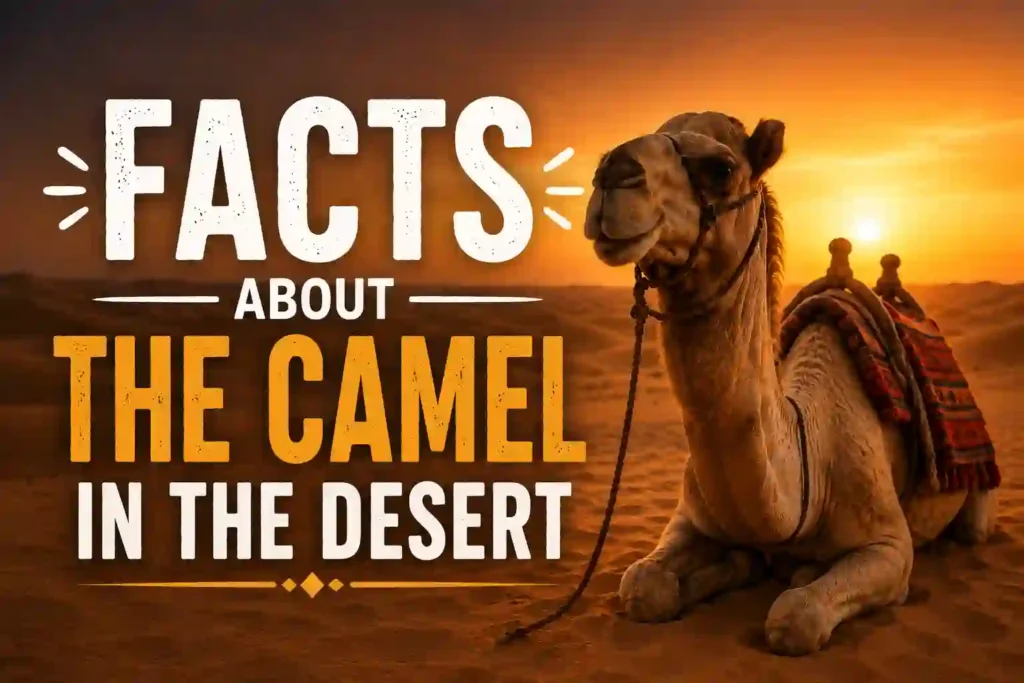
When you think of the vast, golden expanse of the Sahara, one iconic silhouette immediately comes to mind: the camel in the desert. For centuries, this resilient creature has been the undisputed symbol of the Sahara Desert, serving as the heartbeat of nomadic life and the primary bridge between distant settlements in Morocco. Often referred to as the “ship of the desert,” the camel has played an essential role in survival, trade, and exploration across the shifting dunes of North Africa. Today, while their role has evolved, the tradition of camel trekking in Morocco remains a timeless journey, offering travelers an authentic connection to the ancient rhythms of this legendary landscape. Whether you are seeking a quiet moment at dawn or a grand camel desert adventure, understanding the profound history of the Sahara camel is the first step in truly appreciating the magic of your Morocco camel tour.
Table of Contents: The Camel in the Desert
Why Is the Camel Called the Ship of the Desert?
The title “ship of the desert” is more than just a poetic name; it is a testament to the desert camel’s extraordinary ability to navigate the most challenging environments on Earth. Just as a ship relies on its design to traverse the vast, unpredictable ocean, the camel is biologically engineered to cross the endless sea of sand that characterizes the camel in Sahara Desert landscapes.
-
Adapted to harsh desert conditions: Their bodies are perfectly evolved to withstand extreme temperature fluctuations, allowing them to remain active even when the sun is at its most intense.
-
Can travel long distances: Much like a vessel carrying cargo across a sea, these animals can cover massive distances over several days, making them the most reliable form of transport in ancient and modern trans-Saharan journeys.
-
Stores fat in its hump: Contrary to popular belief, the hump does not store water, but rather concentrated fat. This unique camel fact explains how they can sustain their energy levels and survive for extended periods without needing a regular food source.
-
Can survive with little water: Their ability to conserve hydration is legendary; a camel can go for long periods without drinking, and when water finally becomes available, they can rehydrate rapidly without suffering from the effects of dehydration.
Camels in the Moroccan Sahara
The presence of the Sahara camel is deeply woven into the cultural fabric of Morocco, particularly in regions like Merzouga, where the golden dunes meet the sky. For generations, these animals have been far more than just beasts of burden; they have been faithful companions to the Berber people, enabling communities to thrive in an environment that would otherwise be inhospitable.
-
Importance in Merzouga: In the gateway to the Erg Chebbi dunes, the camel remains a vital part of local identity, connecting modern tourism with the historic lifestyle of the desert.
-
Traditional Berber transportation: Historically, these resilient animals were essential for moving goods, water, and families across the arid terrain, serving as the primary lifeline for nomadic trade routes.
-
Tourism and camel trekking: Today, the traditional practice of traveling by camel has transformed into a premier camel riding in Morocco experience, allowing visitors to traverse the dunes just as the caravans of the past once did.
-
Cultural significance: Beyond their utility, camels are deeply respected symbols of desert resilience and heritage, often featured in local stories, music, and the proud traditions of the Berber tribes.
Camel Trekking in Merzouga
Embarking on a camel ride in Merzouga is widely considered the quintessential Saharan experience. As you sway gently atop these majestic animals, you are transported away from the modern world and into the heart of the Erg Chebbi dunes. Whether you are seeking a peaceful start to your day or a magical conclusion to your desert adventure, Merzouga camel trekking offers unmatched perspectives.
-
Sunrise camel rides: Start your morning early to witness the sun cresting over the horizon, painting the sands in shades of violet, gold, and deep orange, an unforgettable moment for any camel desert adventure.
-
Sunset camel rides: As the day cools, a sunset trek is the perfect way to watch the shadows lengthen across the dunes, creating a dramatic, ever-changing landscape that is truly breathtaking.
-
Overnight desert camp experience: Many of our guests choose to ride into the heart of the dunes to spend the night in a luxury camp, combining the adventure of a Morocco camel tour with the comfort of traditional hospitality under a canopy of stars.
-
Photography opportunities: With the iconic silhouette of the desert camel against the rolling backdrop of the Sahara, every stop during your trek provides a world-class opportunity for photography.
Amazing Facts About Desert Camels
The camel in the Sahara Desert environments possesses truly remarkable biological traits that have fascinated travelers and scientists for centuries. Learning these camel facts gives you a deeper appreciation for the animal that makes your Morocco camel tour possible.
-
Camels can go days without drinking: Thanks to their efficient metabolism and ability to draw moisture from their food, they are unmatched in their ability to survive long, arid treks.
-
Their long eyelashes protect them from blowing sand: These specialized lashes act as a natural filter, keeping fine desert dust and sand out of their eyes during windy conditions.
-
Wide feet help them walk on soft sand: Unlike hooved animals that might sink, a camel’s large, padded feet act like natural snowshoes, allowing them to glide effortlessly over loose, shifting dunes.
-
They can carry heavy loads across the desert: Historically known for their strength, these animals were the backbone of trade, capable of transporting significant weight across vast, inhospitable stretches of land.
-
They are gentle and intelligent animals: Despite their imposing size, camels are remarkably calm and possess a high level of intelligence, making them reliable and steady partners for a camel desert adventure.
What Do Camels Eat?
The Sahara camel is an incredibly resilient herbivore, capable of thriving on vegetation that most other animals would find completely unappealing or even inedible. Their ability to forage in arid environments is a key reason they are the perfect companions for a camel desert adventure.
-
Desert shrubs: They frequently feed on tough, woody desert shrubs that are highly resistant to drought.
-
Dry grass: Even when vegetation appears completely dried out and lacking in nutrients, the desert camel can extract energy from it effectively.
-
Leaves: They possess strong, prehensile lips that allow them to strip leaves from bushes with ease, even from plants that grow in sparse areas.
-
Thorny plants: Their mouth lining is incredibly thick and tough, allowing them to chew on thorny, spiky plants without injury, a unique dietary adaptation that keeps them nourished during a Morocco camel tour.
How Long Do Camels Live?
The average lifespan of a Sahara camel is typically between 40 to 50 years. Their longevity is a direct result of their remarkable evolutionary adaptations, which allow them to remain healthy even in the harshest conditions of the desert.
-
Environmental Impact: Camels living in their natural, arid habitats are often incredibly hardy, as their systems are perfectly calibrated for the desert.
-
Quality of Care: For animals involved in camel trekking in Morocco, their lifespan is often positively influenced by the dedicated care, nutrition, and veterinary attention provided by their human companions.
-
Natural Resilience: Their ability to efficiently process limited water and forage allows them to avoid many of the health stresses that would shorten the lives of other animals in similar environments.
Camel Riding Tips
To ensure your camel desert adventure is as comfortable and enjoyable as possible, we recommend keeping these helpful tips in mind when embarking on your camel riding in Morocco:
-
Wear comfortable clothes: Loose-fitting, breathable long pants are ideal for your camel ride in Merzouga to prevent chafing against the saddle.
-
Bring sunglasses and sunscreen: The desert sun is intense, and the reflection off the sand makes protective eyewear and high-SPF sunscreen essential for your camel trekking in Morocco.
-
Hold the saddle while the camel stands up and sits down: This is the most important safety tip for a Morocco camel tour; lean backward when the camel stands up and forward when it sits down to maintain your balance.
-
Carry water: Always stay hydrated during your journey, as the dry air of the Sahara camel habitat can cause rapid fluid loss.
-
Follow your guide’s instructions: Your local guide is an expert at handling the desert camel and will ensure your safety throughout the entire trek.
Best Places for Camel Riding in Morocco
While the Sahara camel is iconic across the nation, certain regions provide a truly transformative experience for anyone seeking a camel desert adventure. Each destination offers a unique landscape and a different perspective on the beauty of the Moroccan wilderness.
-
Merzouga (Erg Chebbi): Renowned as the premier destination for a camel ride, Merzouga features the highest dunes in the country, providing the most dramatic backdrop for Merzouga camel trekking.
-
Zagora: Often called the gateway to the southern desert, this area is perfect for those who want a classic, slightly more accessible camel desert adventure closer to the Draa Valley.
-
Agafay Desert: Located near Marrakech, this stony, moon-like landscape provides a unique alternative to the sandy dunes, offering a quick but unforgettable camel riding in Morocco experience for those with limited time.
-
M’Hamid El Ghizlane: Known for its more remote and wild atmosphere, this destination offers a deeper, more authentic escape into the vastness of the Sahara for travelers looking to get off the beaten path during their Morocco camel tour.
Frequently Asked Questions
Are camels friendly?
Yes, the desert camel is generally very docile and accustomed to human interaction, making them ideal partners for your camel desert adventure.
Is camel riding safe?
Absolutely. Camel riding in Morocco is conducted by experienced guides who ensure both your safety and the well-being of the animal throughout your camel trekking in Morocco.
How long is a camel trek?
Treks can range from a short one-hour excursion to multi-day expeditions, depending on the specific Morocco camel tour itinerary you choose.
What should I wear for a camel ride?
It is best to wear long, comfortable trousers to protect your legs, along with sunglasses, sunscreen, and a hat to stay protected during your Merzouga camel trekking.
Is camel trekking suitable for children?
Yes, it is a fantastic family activity; however, we recommend that younger children ride accompanied by a parent or guide during the camel desert adventure for extra security.
Do I need previous experience to go on a camel trek?
No, you do not need any prior experience to enjoy a camel desert adventure. Your local guide will lead the way and provide all the necessary instructions to ensure your camel riding in Morocco is comfortable and stress-free.
What is the best time of year for camel trekking?
While the desert can be visited year-round, the cooler months between October and April are generally the most pleasant for a Morocco camel tour, offering mild daytime temperatures perfect for exploring.
Are the camels well-cared for?
Yes, the camels used for Merzouga camel trekking are highly valued by their owners and are treated with care and respect as part of the local desert culture.
Can I bring my camera or phone on the camel?
Absolutely, you are encouraged to bring your camera to capture the stunning scenery, but ensure your gear is secure, as the camel in Sahara Desert landscapes can be bumpy during the ride.
Is water provided during the trek?
Typically, your Morocco camel tour organizer will ensure that adequate water is packed for your journey, though it is always a good idea to carry your own supply for convenience during your camel desert adventure.
Is it difficult to get on and off a camel?
While it may feel different at first, your guide will assist you, and with the simple technique of holding the saddle firmly as the desert camel moves, most travelers find it quite straightforward.
How does the climate affect the camel ride?
During your camel desert adventure, the guide will monitor weather conditions to ensure the trek is comfortable, often timing the ride to avoid the peak heat of the afternoon sun.
Are there different types of camel treks?
Yes, whether you want a brief sunset photo session or a comprehensive Morocco camel tour that includes camping under the stars, there are varied options to suit your personal schedule.
Should I tip my camel guide?
While tipping is entirely at your discretion, it is a kind gesture to show appreciation for your guide’s expertise in navigating the camel in Sahara Desert terrain and ensuring a safe journey.
Can I feed the camels during the tour?
It is best to consult with your guide before feeding the animals, as they have specific dietary needs and are usually well-fed by their caretakers as part of the local camel riding in Morocco culture.
Conclusion:
In the end, the desert camel is far more than just an iconic animal of the Sahara; it is a living symbol of Morocco’s rich desert heritage and a central figure in the history of the region. Whether you are seeking a peaceful sunrise trek or an exhilarating camel desert adventure across the golden dunes, these intelligent and resilient creatures offer an unmatched way to connect with the majestic landscapes of the Sahara. A camel trek in Morocco experience allows you to slow down, disconnect from the modern world, and embrace the ancient rhythms of the desert. As you plan your next Morocco camel tour, remember that every moment spent with a camel in the Sahara Desert is an opportunity to create lifelong memories in one of the world’s most enchanting destinations.

I’m Lahcen Saadi from the Exploring Morocco Trips team. We are local guides dedicated to crafting authentic and exceptional Moroccan experiences.
Whether you are planning your first trip to Morocco and need expert advice, or you are a travel professional looking to collaborate on unique itineraries, we are ready to help.
- 2 Days Desert tours From Marrakech
- 3 Days Desert tour From Marrakech to Merzouga
- 3 Days Desert tour From Marrakech to Fes
- 4 Days Desert tour From Marrakech to Merzouga
- 4 Days Desert tour From Marrakech to Fes
- 5 Days Desert tour From Marrakech to Merzouga
- 5 Days Desert tour From Marrakech to Fes
- 6 Days Desert tour From Marrakech to Casablanca
- 7 Days Morocco tour from Marrakech
- 8 Days Morocco tour from Marrakech
- 8 Days Morocco tour from Marrakech with Imperial Cities
- 9 Days Morocco tour from Marrakech
- 10 Days Morocco tour from Marrakech
- 12 Days Morocco tour from Marrakech
- 14 Days Morocco tour from Marrakech
- 2 Days Desert tour From Fes to Merzouga
- 2 Days Desert tour From Fes to Marrakech
- 3 Days Desert tour From Fes to Merzouga
- 3 Days Desert tour From Fes to Marrakech
- 4 Days Desert tour From Fes to Marrakech
- 5 Days Desert tour From Fes to Marrakech
- 6 Days Desert tour From Fes to Marrakech
- 7 Days Morocco tour from Fes
- 4 Days Morocco tour from Casablanca
- 5 Days Morocco tour from Casablanca
- 6 Days Morocco tour from Casablanca
- 7 Days Morocco tour from Casablanca
- 8 Days Morocco tour from Casablanca
- 9 Days Morocco tour from Casablanca
- 10 Days Morocco tour from Casablanca
- 11 Days Morocco tour from Casablanca
- 12 Days Morocco tour from Casablanca
- 14 Days Morocco tour from Casablanca