
Things to Do in Tetouan: The Complete Travel Guide
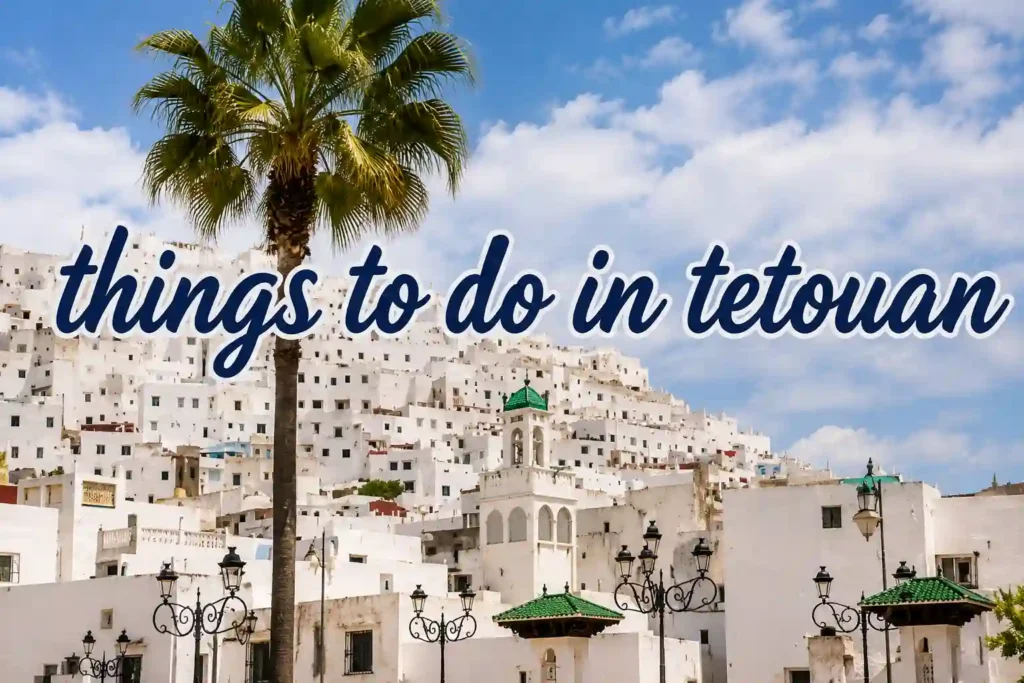
If you want to experience an authentic side of North Africa far away from the massive tourist crowds, discovering the vibrant culture and historic wonders of Tetouan, Morocco is an absolute must. Positioned where the dramatic peaks of the Rif Mountains meet the warm waters of the Mediterranean Sea, this captivating destination stands out in any travel guide for its unique Spanish-Andalusian architecture and deep-rooted traditions. Getting lost in the winding alleys of the magnificent Medina of Tetouan, a celebrated UNESCO landmark, lets you step directly into a living museum of whitewashed walls and skilled artisan workshops. Whether you are compiling a list of top attractions, seeking out hidden places to visit, or organizing a day of sightseeing, this comprehensive guide will help you plan your itinerary. Uncover why exploring the traditional old town, relaxing near Martil Beach, and experiencing the best things to do in Tetouan make this city a true highlight of northern Morocco travel.
Table of Contents
Explore the Medina of Tetouan
The Medina of Tetouan is a crown jewel of the city and a proud UNESCO World Heritage Site, widely recognized as one of the best-preserved and most authentic old quarters in all of Morocco. Stepping through its historic gates is like stepping straight into a living museum of Spanish-Andalusian history and culture.
Architectural Heritage: Unlike other Moroccan medinas, the old town heavily reflects its deep Andalusian roots, featuring stunning whitewashed buildings, wrought-iron balconies, green tile accents, and unique artistic influences brought by refugees from medieval Spain.
Bustling Souks and Markets: The narrow, winding alleys are divided into specialized traditional quarters and local markets where local artisans continue to practice centuries-old crafts, including weaving, leatherwork, woodwork, and metal smithing.
Authentic Local Life: As you wander through the vibrant public squares and quiet residential lanes, you will experience a remarkably authentic, slow-paced slice of everyday life far removed from heavy commercial tourism.
Visit the Royal Palace
Located prominently at Hassan II Square, the Royal Palace stands as one of Tetouan’s most significant and grand architectural landmarks, serving as the official royal residence when members of the Moroccan royal family visit the city.
Magnificent Gates: While general visitors and tourists are not permitted to enter the interior grounds of the palace, the monumental, intricately decorated gates are a major sight to behold. They showcase masterful Moroccan craftsmanship, detailed brass work, and traditional zellige tile designs.
Surrounding Square: The palace opens directly onto the vibrant atmosphere of Hassan II Square, making the surrounding area a popular gathering spot for locals and an exceptional location for capturing memorable photographs of the city’s royal heritage.
Walk Around Hassan II Square
Serving as the bustling heart of modern Tetouan, Hassan II Square is the vibrant meeting point where the historic charm of the old town seamlessly transitions into the elegant Spanish-influenced new district.
Lively Atmosphere: The square is constantly buzzing with energy, making it an ideal spot to sit at an outdoor café, sip a traditional glass of mint tea, and watch local daily life unfold.
Spanish Colonial Architecture: Surrounding the plaza, you will notice striking 20th-century buildings featuring distinct Spanish-colonial design elements, wide pedestrian walkways, and graceful arcades that reflect the city’s unique dual heritage.
Central Hub: Positioned right next to the Royal Palace and acting as the main gateway to the Medina, walking around this square is an essential starting point for navigating the city and soaking in its contrasting architectural styles.
Discover the Archaeological Museum
Located near the majestic Ensanche district, the Archaeological Museum of Tetouan is a must-visit destination for history enthusiasts looking to dive deep into northern Morocco’s ancient past.
Fascinating Roman Artifacts: The museum houses an impressive collection of historical relics uncovered from major regional archaeological sites, most notably the nearby ancient Roman ruins of Lixus.
Ancient Mosaics and Coins: Visitors can admire well-preserved Roman floor mosaics, ancient pottery, old currency, stone inscriptions, and historical tools that illustrate centuries of trade and settlement.
Cultural Heritage: Beyond the Roman era, the exhibits offer a comprehensive look at the pre-Islamic and Punic history of northern Morocco, making it a fantastic educational stop during your city exploration.
Visit the Ethnographic Museum
Housed inside one of the historic fortified bastions of the old wall, specifically Bab Oqla, the Ethnographic Museum offers a fascinating window into the traditional customs, daily life, and cultural heritage of northern Morocco.
Cultural Exhibits: The museum displays a rich collection of traditional Moroccan artifacts, including elaborate bridal attire, regional garments, handcrafted jewelry, and historical household items.
Traditional Ceremonies: Visitors can explore detailed recreations of local celebrations and traditional life, highlighting the unique Spanish-Andalusian heritage that defines the region.
Historic Setting: Located right within an authentic 19th-century fortification, the venue itself provides a unique architectural experience alongside panoramic views overlooking parts of the surrounding area.
Relax at Martil Beach
Located just a short drive from the city center, Martil Beach is a popular coastal escape known for its wide stretches of golden sand and refreshing Mediterranean waters, making it a favorite spot for both locals and travelers looking to unwind.
- Scenic Promenade: The vibrant beachfront features a lively pedestrian boardwalk lined with palm trees, outdoor cafés, and restaurants where you can enjoy fresh seafood while taking in the ocean views.
- Family-Friendly Vibe: Reviewers note that the shore is great for relaxing afternoon strolls, catching the sea breeze, and enjoying a peaceful atmosphere away from the busier city streets.
Shop in the Traditional Souks
Wandering through the traditional souks of the old town offers an immersive shopping experience where you can browse authentic, handcrafted goods made by local artisans using centuries-old techniques.
Handmade Products: The bustling market stalls are packed with a wide variety of local treasures, ranging from genuine leather goods and hand-woven carpets to colorful pottery, traditional clothing, intricate jewelry, and fragrant spices.
Artisanal Souvenirs: It is the ultimate place to find unique, high-quality keepsakes while directly supporting regional craftspeople who take immense pride in preserving their ancestral trades.
Taste Traditional Tetouani Cuisine
Exploring the culinary scene is an essential part of your journey, as the local gastronomy blends traditional Moroccan flavors with unique Mediterranean and Andalusian influences.
Local Specialties: Be sure to sample iconic regional favorites, including aromatic chicken tagines, slow-cooked couscous, savory-sweet pastilla, freshly baked Moroccan bread, and an endless supply of sweet mint tea.
Fresh Coastal Catch: Because the city sits right near the sea, you can also enjoy incredible, freshly caught Mediterranean seafood at local eateries throughout the area.
Explore the Rif Mountains
Framing the city with their dramatic, sweeping peaks, the Rif Mountains offer an incredible natural backdrop and open up endless opportunities for outdoor adventures just beyond the urban center.
Scenic Landscapes: The rugged mountain terrain features breathtaking vistas, lush green valleys, and winding roads that provide a striking contrast to the nearby blue Mediterranean coast.
Outdoor Adventures: It is an ideal setting for day trips, hiking excursions, and nature photography, allowing travelers to experience the wilder, untouched landscapes of northern Morocco.
Best Time to Visit Tetouan
Choosing the right time to visit depends heavily on what kind of experience you are looking for, as the city enjoys a pleasant Mediterranean climate with warm summers and mild winters.
Spring (April to June): Widely considered the absolute best time to visit. The weather is comfortably warm, the surrounding Rif Mountains and landscapes are lush and green, and you can explore comfortably before the peak summer heat arrives.
Summer (July to August): This is the peak season for coastal tourism, especially with locals and travelers flocking to nearby Martil Beach. Expect vibrant energy and warmer temperatures, but also larger crowds and higher accommodation demand.
Autumn (September to November): Another fantastic window to explore. The intense summer heat cools down into crisp, pleasant days, making it ideal for sightseeing and hiking without the heavy crowds.
Winter (December to March): Winters are generally mild compared to Europe, though this is the rainier season. While sightseeing is still entirely possible, mountain areas can get chilly, and coastal spots will be much quieter.
Where to Stay in Tetouan
Finding the right place to stay can greatly enhance your travel experience, with options ranging from historic boutique accommodations to modern coastal resorts.
Traditional Riads in the Medina: For an authentic cultural immersion, staying inside a restored traditional riad within the old town lets you experience classic Andalusian architecture, interior courtyards, and personalized hospitality just steps away from the main souks.
Modern Hotels in the Ensanche (New Town): If you prefer contemporary comforts, easy vehicle access, and proximity to European-style cafes and broad boulevards, the Spanish colonial district offers great modern hotel options.
Beachfront Rentals in Martil: For travelers focusing on a relaxing seaside getaway, staying near the coast provides immediate access to sandy shores, ocean-view promenades, and vibrant local eateries.
Frequently Asked Questions
Is Tetouan worth visiting?
Yes, absolutely. Tetouan offers a uniquely authentic Moroccan experience compared to busier tourist hubs. Its distinction as a UNESCO World Heritage Site, paired with its rare Spanish-Andalusian architecture, vibrant arts scene, and proximity to both the Rif Mountains and Martil Beach, makes it a fascinating cultural destination.
How many days do I need in Tetouan?
Most travelers find that 2 to 3 days is the ideal amount of time. This gives you enough time to explore the old town’s souks, visit the local museums, check out the Royal Palace, and spend a relaxing afternoon at the nearby coast or foothills.
How do I get to Tetouan?
Tetouan is easily accessible by road via comfortable grand taxis or buses from major northern hubs like Tangier, Chefchaouen, and Rabat. The city is also served by Tetouan’s Sania Ramel Airport, and many travelers fly into Tangier’s Ibn Battouta Airport and take a scenic one-hour drive over.
Is Tetouan safe for tourists?
Yes, Tetouan is generally a safe and welcoming city for travelers. Standard travel precautions apply, such as keeping an eye on your belongings in crowded market areas and being respectful of local customs and traditions.
What language is spoken in Tetouan?
As is standard across most of Morocco, active mosques are generally restricted to Muslims only. However, visitors can deeply admire the stunning exterior architecture, intricate tilework, and grand entryways from the courtyards and surrounding streets.
Can non-Muslims enter the mosques in Tetouan?
The primary local language is Moroccan Arabic (Darija). Due to the city’s unique historical ties and proximity to Europe, Spanish is also widely spoken and understood by many local residents and merchants, alongside French and a growing amount of English in tourism sectors.
Is Tetouan easy to explore on foot?
Yes, the old town is entirely pedestrian-friendly because the narrow, winding alleys are closed to cars and motorbikes. Comfortable walking shoes are recommended to navigate the cobblestone streets, steps, and slopes. For traveling between the historic center and nearby coastal spots like Martil, local taxis and buses are readily available.
What currency is used in Tetouan, and are cards widely accepted?
The local currency is the Moroccan Dirham (MAD). While larger hotels, upscale restaurants, and modern shops accept credit or debit cards, it is essential to carry cash (dirhams) for shopping in the traditional souks, riding taxis, and paying at smaller local cafés or street food stalls.
Conclusion: Why Tetouan Deserves a Spot on Your Morocco Itinerary
Tetouan is a captivating destination where history, culture, and breathtaking natural landscapes blend together seamlessly. From wandering through the UNESCO-listed alleyways of the ancient old town and marveling at its unique Spanish-Andalusian architecture to relaxing by the Mediterranean shores of Martil and exploring the rugged trails of the nearby mountains, this northern gem offers an authentic Moroccan experience unlike anywhere else.
Whether you are planning a quick weekend getaway or adding it as a special stop on a broader northern tour, Tetouan promises unforgettable sights, rich traditions, and a warm, welcoming atmosphere that will stay with you long after you leave.

I’m Lahcen Saadi from the Exploring Morocco Trips team. We are local guides dedicated to crafting authentic and exceptional Moroccan experiences.
Whether you are planning your first trip to Morocco and need expert advice, or you are a travel professional looking to collaborate on unique itineraries, we are ready to help.
- 2 Days Desert tours From Marrakech
- 3 Days Desert tour From Marrakech to Merzouga
- 3 Days Desert tour From Marrakech to Fes
- 4 Days Desert tour From Marrakech to Merzouga
- 4 Days Desert tour From Marrakech to Fes
- 5 Days Desert tour From Marrakech to Merzouga
- 5 Days Desert tour From Marrakech to Fes
- 6 Days Desert tour From Marrakech to Casablanca
- 7 Days Morocco tour from Marrakech
- 8 Days Morocco tour from Marrakech
- 8 Days Morocco tour from Marrakech with Imperial Cities
- 9 Days Morocco tour from Marrakech
- 10 Days Morocco tour from Marrakech
- 12 Days Morocco tour from Marrakech
- 14 Days Morocco tour from Marrakech
- 2 Days Desert tour From Fes to Merzouga
- 2 Days Desert tour From Fes to Marrakech
- 3 Days Desert tour From Fes to Merzouga
- 3 Days Desert tour From Fes to Marrakech
- 4 Days Desert tour From Fes to Marrakech
- 5 Days Desert tour From Fes to Marrakech
- 6 Days Desert tour From Fes to Marrakech
- 7 Days Morocco tour from Fes
- 4 Days Morocco tour from Casablanca
- 5 Days Morocco tour from Casablanca
- 6 Days Morocco tour from Casablanca
- 7 Days Morocco tour from Casablanca
- 8 Days Morocco tour from Casablanca
- 9 Days Morocco tour from Casablanca
- 10 Days Morocco tour from Casablanca
- 11 Days Morocco tour from Casablanca
- 12 Days Morocco tour from Casablanca
- 14 Days Morocco tour from Casablanca