
The Ultimate Guide: Travel to Morocco from Japan
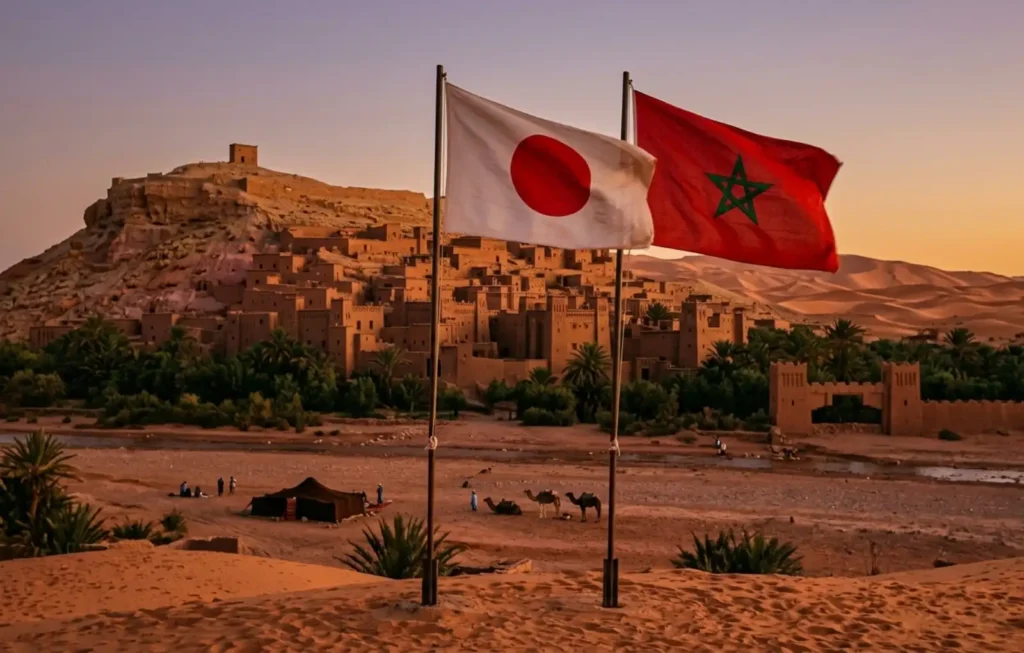
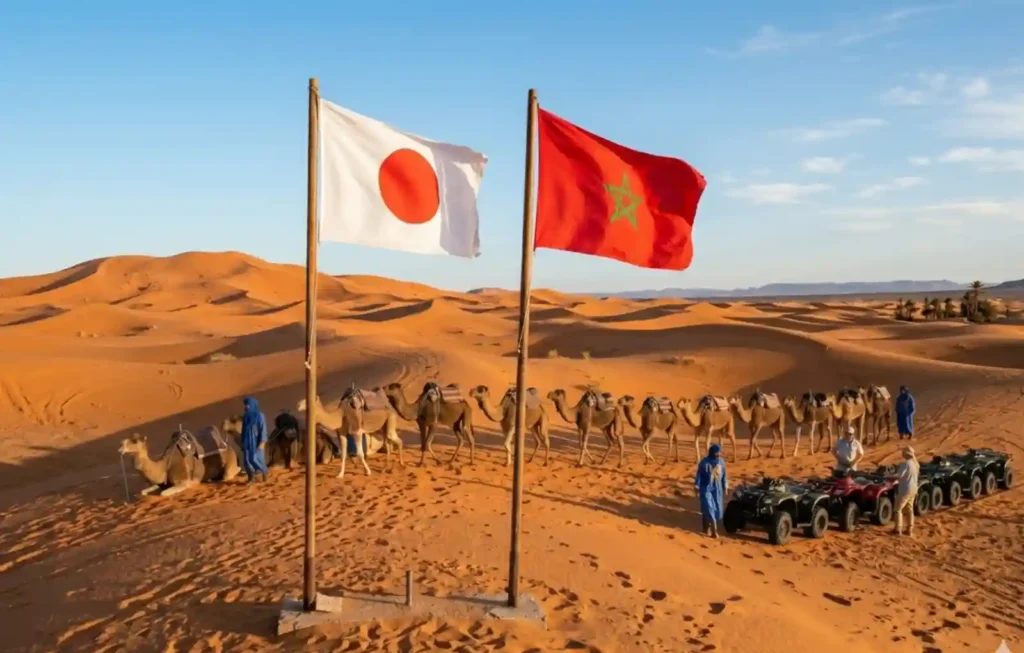
Morocco is a land where the ancient world meets the vibrant colors of the modern day. For travelers coming from the Land of the Rising Sun, the “Land of the Setting Sun” (Al-Maghrib) offers a sensory experience unlike any other. From the blue streets of Chefchaouen to the golden dunes of the Sahara, this guide covers every detail you need to plan your journey.
Table of Contents: Travel from Japan to Morocco
10 Things You Should Know Before You Travel to Morocco
Before you pack your bags, here are the essential “insider” facts that will make your trip smoother and more enjoyable.
- Drink Bottled Water Only: To keep your stomach happy, avoid tap water and ice cubes in street drinks. Stick to sealed bottled water.
- Friday is Holy: Friday is the day of prayer. Many shops and local markets may close in the afternoon, but it is also the best day to find authentic Friday Couscous in local restaurants.
- Cash is King: While hotels take cards, you will need Moroccan Dirhams (MAD) for almost everything else—taxis, street food, and souk treasures.
- Tipping (Gris): Small tips are a part of the culture. Rounding up your taxi fare or leaving 10–20 Dirhams at a café is standard.
- Download Offline Maps: The Medinas (old cities) of Fes and Marrakech are like labyrinths. GPS can be unreliable, so download offline maps like Maps.me or Google Maps.
- The “No” is Final: If a vendor is too persistent, a polite but firm “La, Shukran” (No, thank you) with a smile and continued walking is the best approach.
- Alcohol is Limited: Morocco is a Muslim country. Alcohol is served in many hotels and licensed bars, but it is not sold in regular supermarkets or small shops.
- Pharmacy Power: Moroccan pharmacies are excellent. If you have a minor ailment (upset stomach or sun headache), the pharmacists are highly trained and can provide over-the-counter help.
- Toilet Paper: In public restrooms, it’s a good idea to carry your own small pack of tissues, as toilet paper isn’t always provided.
- Ask Before Photos: Moroccans are very private. Always ask “S’il vous plaît?” before taking a photo of a person or their shop stall.
Essential Travel Logistics
Can I travel to Morocco from Japan now?
The short answer is: Yes! Morocco is fully open to international tourism. Flights are operating regularly, and the tourism infrastructure, from luxury riads to desert camps, is well-prepared to welcome Japanese visitors.
Do Japanese need a visa for Morocco?
One of the best parts about planning this trip is the ease of entry. Japanese citizens do not need a visa for Morocco for stays of up to 90 days. You simply need:
- A valid passport with at least six months of validity remaining.
- A blank page in your passport for the entry stamp.
- Pro Tip: Keep a digital or printed copy of your return flight and your first hotel booking to show immigration officers if asked.
Flight Routes: Japan to Morocco
Traveling from Tokyo or Osaka to North Africa is a long-haul journey, but with the right planning, it is quite manageable. Since there are no direct flights, most travelers opt for a one-stop connection through major international hubs:
- Via Middle East: Emirates (Dubai), Qatar Airways (Doha), or Etihad (Abu Dhabi). These are popular for high service standards and smooth connections into Casablanca (CMN).
- Via Europe: Air France (Paris), Lufthansa (Frankfurt), or Turkish Airlines (Istanbul).
- Duration: Expect a total travel time of 20 to 24 hours, including layovers.
Cultural Wisdom for Japanese Travelers
Moroccan culture is deeply rooted in hospitality, but it operates differently than Japan’s reserved social norms.
Social Style Comparison
| Feature | Japan | Morocco |
| Punctuality | Extremely strict. | More relaxed (“Inshallah” time). |
| Communication | Indirect and quiet. | Direct, expressive, and passionate. |
| Personal Space | Valued and maintained. | Closer; social touch is common. |
| Tea Culture | Formal Matcha ceremony. | Sweet Mint Tea (The “Whiskey of the Desert”). |
The “Left Hand” Rule
In Morocco, the left hand is traditionally used for personal hygiene. To show respect:
- Always use your right hand to shake hands, give money, or eat communal food like couscous.
The Mint Tea Ritual
If a shopkeeper or a local host offers you tea, it is a sign of welcome. It is polite to accept at least one glass. You will notice the tea is poured from a height to create “bubbles” on top. This is a sign of a good pour!
Respect and Dress Code
Morocco is a conservative country. While cities like Marrakech are liberal, modesty is appreciated:
- Men: Avoid walking around shirtless or in very short shorts.
- Women: Covering shoulders and knees is recommended. A light scarf is a perfect accessory for both sun protection and entering rural areas.
Exploring the Sahara: Morocco Desert Trips
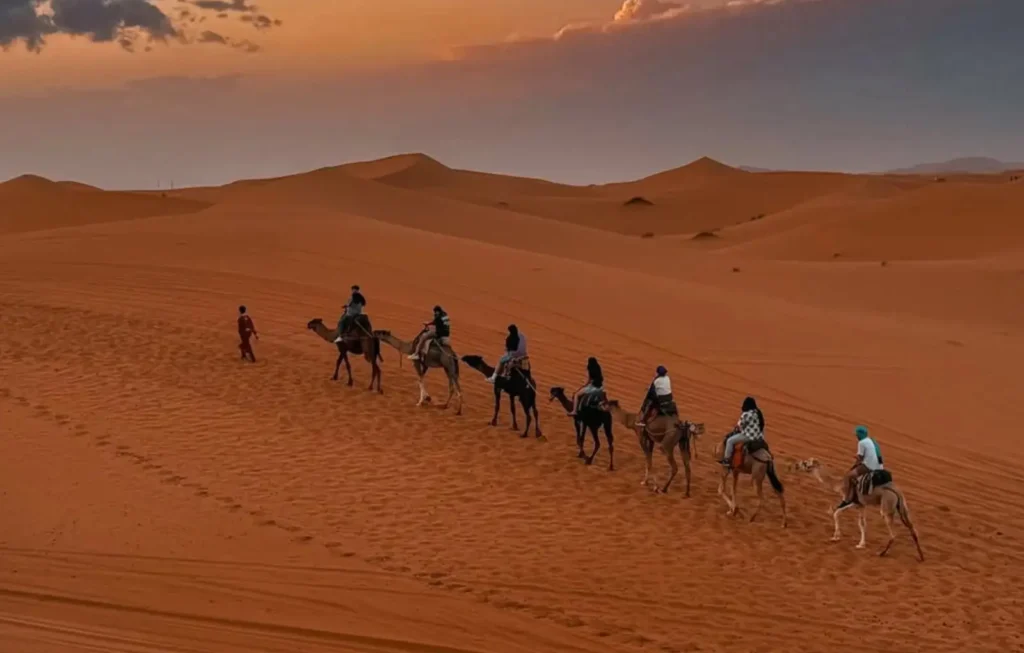
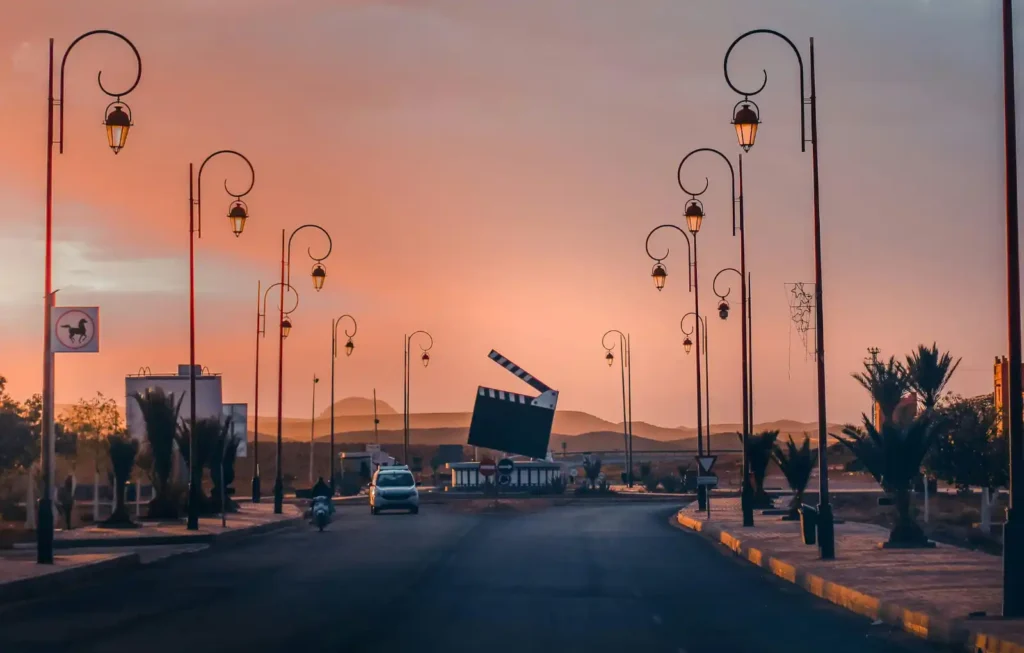
For many Japanese travelers, the Sahara Desert is the highlight of the entire Moroccan experience. The silence of the dunes and the clarity of the starlit sky provide a profound contrast to the bustling streets of Tokyo.
Merzouga vs. Zagora
When booking Morocco Desert Trips, you generally choose between two main regions:
- Erg Chebbi (Merzouga): Known for the iconic, high orange dunes. This is the “postcard” Sahara. It requires a longer drive but offers the most authentic desert scenery.
- Erg Chigaga (Zagora): More rugged and wild. It’s closer to Marrakech, but the dunes are shorter and more spread out.
Marrakech Desert Trips
Marrakech is the most popular starting point for Sahara adventures.
- 3 Day Desert Tour: This is the standard “must-do.” You cross the High Atlas Mountains, visit the UNESCO site of Ait Ben Haddou, and stay overnight in the Dades Valley before reaching Merzouga.
- Agafay Desert: If you are short on time, the Agafay Desert is just 45 minutes from Marrakech. It is a “stone desert” with luxury glamping and camel rides against the backdrop of the Atlas Mountains.
Navigating the Kingdom: Transportation
The Al Boraq High-Speed Train
Japan is famous for its Shinkansen, and Morocco has its own version: Al Boraq. This high-speed rail connects Tangier to Casablanca in just 2 hours.
- Booking: Use the ONCF website or app.
- Tip: Book “First Class” for extra luggage space and guaranteed comfort.
Taxis and Buses
- Petit Taxis: Small cars for city travel. Each city has its own color (Red in Casablanca, Blue in Rabat, Tan in Marrakech).
- CTM and Supratours: These are the “VIP” intercity buses. They are air-conditioned, safe, and follow fixed schedules.
Best Morocco Itineraries for Japanese Travelers
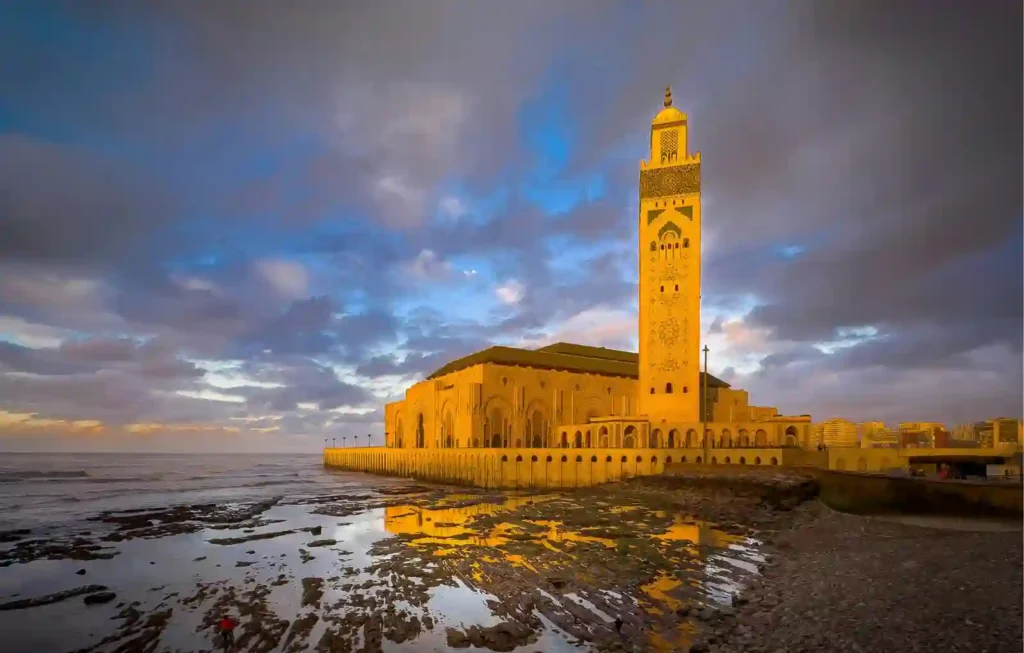
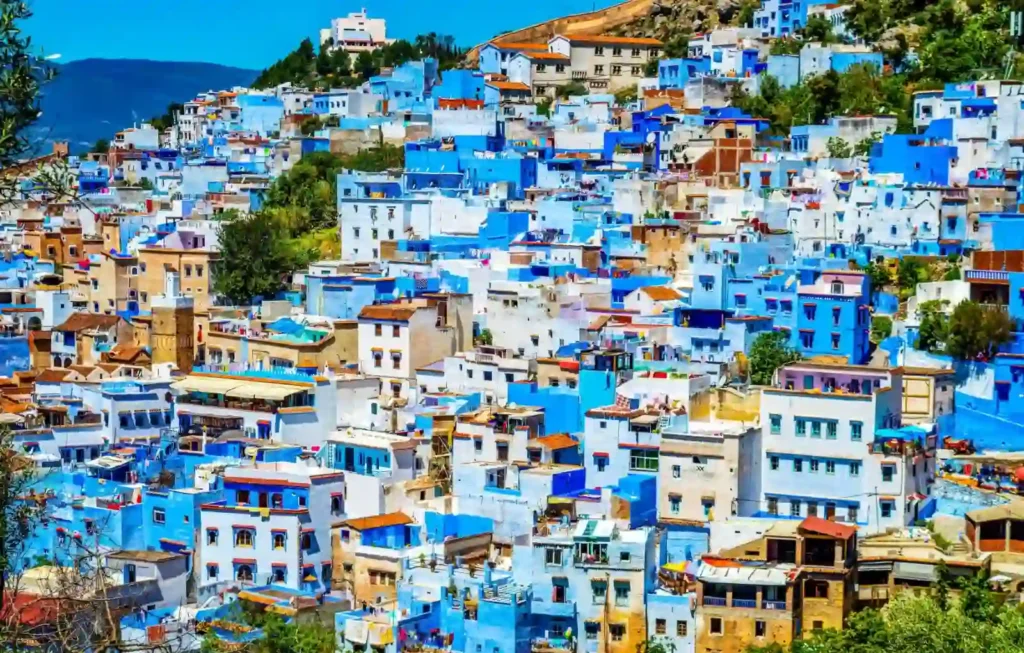
Choosing a Morocco itinerary depends on how much time you want to spend exploring.
| Duration | Trip Type | Highlights |
| Morocco itinerary 6 Days | The Desert Quick-Scan | Route: Casablanca → Fes → Merzouga → Marrakech. Includes Hassan II Mosque, Fes Medina, and a luxury Sahara camp. |
| Morocco itinerary 7 Days | The Imperial North | Route: Marrakech → Sahara Desert → Fes → Chefchaouen → Tangier. Connects the dunes with the famous “Blue City.” |
| Morocco itinerary 8 Days | The Atlas Adventure | Route: Casablanca → Rabat → Chefchaouen → Fes → Merzouga → Marrakech. A complete circle of the four Imperial Cities. |
| Morocco itinerary 10 Days | The Ultimate Balance | Route: Casablanca → North Cities → Sahara → Marrakech. The perfect mix of history, blue alleys, and desert adventure. |
| Morocco itinerary 12 Days | The Grand Kingdom | Route: Comprehensive tour from Casablanca including the North, the deep Sahara, and the Atlantic Coast (Essaouira). |
Shopping: Bringing a Piece of Morocco Home
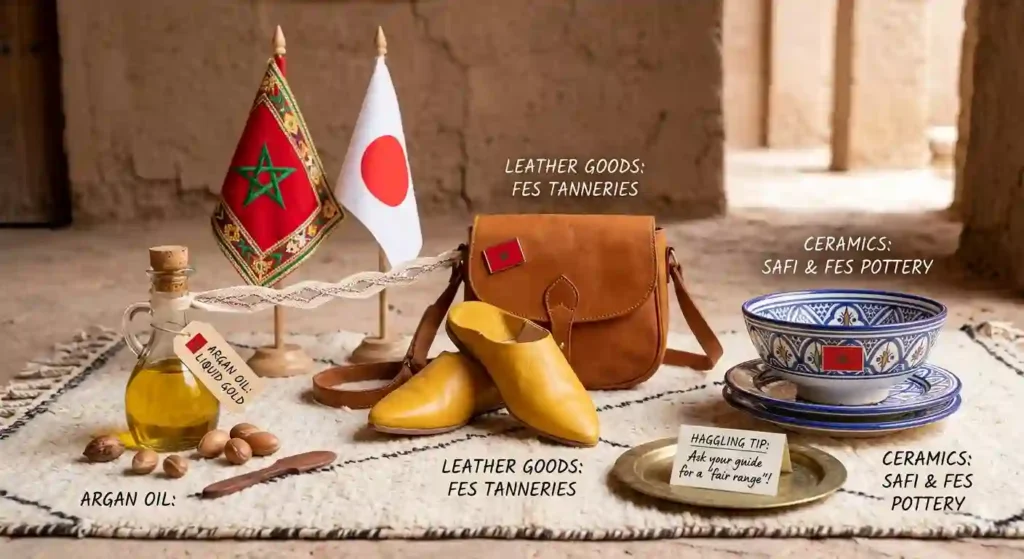
Japanese travelers often appreciate the high-quality craftsmanship found in the souks.
- Argan Oil: Known as “Liquid Gold.” Ensure you buy from reputable cooperatives to get 100% pure oil.
- Leather Goods: Fes is world-famous for its tanneries. Look for handmade bags and the traditional “Babouche” slippers.
- Ceramics: Safi and Fes are the centers for blue-and-white pottery.
- Haggling Tip: If you aren’t sure of the price, ask your tour guide or Riad manager for a “fair range” before you go shopping.
Practical Information: Weather, Money & Safety
When to Go
- Spring (March–May): Best weather; green landscapes.
- Autumn (Sept–Nov): Pleasant temperatures for desert trekking.
- Winter (Dec–Feb): Beautiful snow on the Atlas, but the desert gets very cold at night.
Money and Connectivity
- Currency: Moroccan Dirham (MAD). $1 USD ≈ 10 MAD. Morocco is a cash-based society; you will need cash for souks and small cafes.
- SIM Cards: Pick one up at the airport arrival hall. 10GB of data is approximately 100 MAD (approx. 1,500 JPY).
- Health: Do not drink tap water. Stick to bottled brands like Sidi Ali.
Essential Packing & Photo Tips
Packing List
- Slip-on Shoes: Easy for entering Riads or homes.
- Portable Power Bank: Crucial for long drives and desert camping.
- Hydration Salts: The Sahara heat is much drier than Japan’s humidity.
Top 5 “Must-Take” Photos
- The Blue Walls: Any alleyway in Chefchaouen.
- The Sahara Sunset: High atop a dune in Merzouga.
- The Tannery: The colorful leather dye vats in Fes.
- The Koutoubia: The iconic minaret in Marrakech.
- Ait Ben Haddou: The clay city that looks like a movie set.
Frequently Asked Questions: Japan to Morocco
Do I need a visa for a Morocco itinerary if I am traveling from Japan?
No, Japanese citizens do not need a visa for tourism in Morocco for stays up to 90 days. You only need a valid passport with at least six months of validity and one blank page for your entry stamp.
What is the best way to travel to Morocco from Japan?
Since there are no direct flights, the most popular routes are via the Middle East (Emirates, Qatar Airways, or Etihad) or Europe (Air France, Lufthansa, or Turkish Airlines). Total travel time usually ranges between 20 to 24 hours.
Is it safe for Japanese tourists to visit the Sahara Desert?
Yes, it is very safe. Our Morocco Desert Trips are led by experienced local guides. For the most authentic experience, we recommend the 3 Day Merzouga Desert Tour, which includes luxury camping and professional transport.
Can I start a desert tour from Marrakech or Fes?
Absolutely! At Exploring Morocco Trips, our best-selling desert tours are flexible. You can start your 3-day adventure in Marrakech and end in Fes, or vice versa, allowing you to see the most of the country without backtracking.
What should I wear when traveling to Morocco from Japan?
Morocco is a conservative country. While you don’t need to cover everything in big cities, it is respectful to keep shoulders and knees covered. We recommend light, breathable fabrics and a scarf for sun protection in the Sahara.
Is it easy to find Japanese food or familiar comforts in Morocco?
While Japanese restaurants are found in Casablanca and Marrakech, we recommend embracing the local “Mint Tea Ritual” and trying a traditional Friday Couscous. Moroccan hospitality is very warm, similar to the spirit of Omotenashi.
How do I handle money and payments in Morocco?
Morocco is a cash-based society. While riads and large shops accept credit cards, you will need Moroccan Dirhams (MAD) for souks, taxis, and small cafes. You can easily exchange JPY or USD at the airport or use local ATMs.
Can I drink tap water in Morocco?
No, you should only drink bottled water (like the brand Sidi Ali or Bahia, or Sidi Hrazm) to keep your stomach happy. Avoid ice cubes in street drinks and always ensure your bottled water is sealed when purchased.
Conclusion: Your Next Adventure to Travel to Morocco from Japan
The journey to travel to Morocco from Japan is a transition between two worlds that share a deep respect for tradition and hospitality. Whether the goal is to explore the winding alleys of ancient medinas or find quiet in the vast Sahara dunes, the Japan to Morocco route offers a rich sensory experience that is truly unique.
To ensure a seamless journey, many travelers find that relying on well-planned itineraries helps bridge the logistical gaps, from the initial arrival at Casablanca airport to the final night in a desert camp. Having these details organized beforehand allows for a focus on the experience itself, ensuring comfortable transportation and the best routes connecting Marrakech, Fes, and Chefchaouen.
Planning Your Japan to Morocco Itinerary
There are several ways to structure a visit depending on the available time:
- Morocco Desert Trips: Departing from Marrakech or Fes for an authentic nomadic experience.
- Grand Morocco Itineraries: programs covering the Kingdom from North to South.
- Tailored Coordination: Flexible routes designed specifically for those who travel to Morocco from Japan.
Accessing these experiences and their details is as simple as reaching out for a suggested itinerary and a personalized quote for the trip.