
What Not to Eat in Marrakech: Food Safety Tips for Travelers
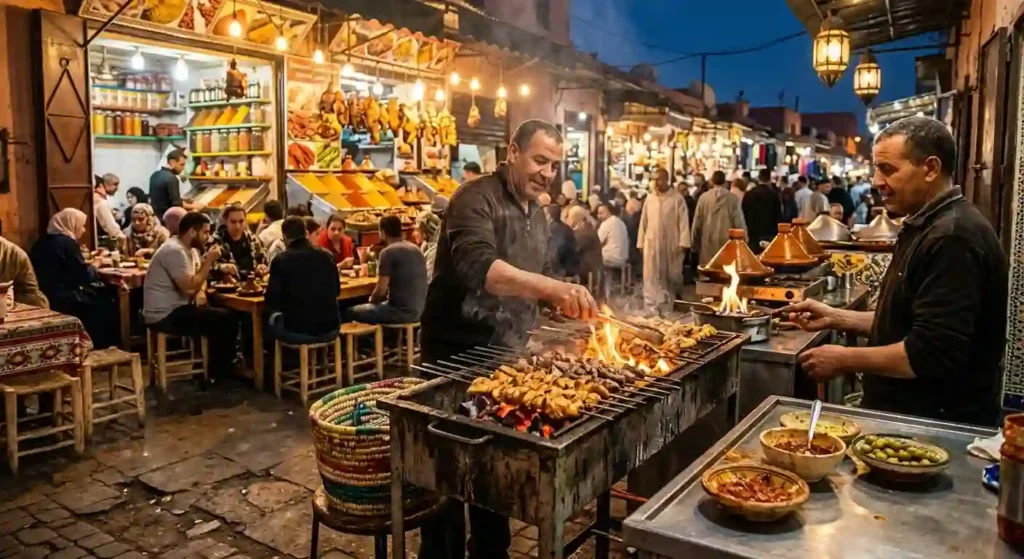
Marrakech is a true paradise for food lovers. From the smoky open-air food stalls of Jemaa el-Fnaa to the fragrant tagines served on panoramic rooftops, the city offers an incredible culinary journey that forms a huge part of the Moroccan experience. The vibrant spices, rich traditions, and diverse dishes make exploring the local food scene one of the most exciting things to do in Marrakech.
However, while the local cuisine is delicious, tourists need to take certain food safety precautions to ensure their trip isn’t interrupted by an upset stomach. Adjusting to a new country’s culinary environment takes time, and being mindful of what you consume is key to staying healthy. This guide on what not to eat in Marrakech will help you navigate the food stalls and restaurants safely so you can enjoy the city’s flavors with absolute peace of mind.
Table of Contents: what not to eat in Marrakech
Avoid Unwashed Fruits and Vegetables
When it comes to understanding what not to eat in Marrakech, fresh salads from unknown or questionable places should be at the top of your list. While Moroccan salads are incredibly flavorful, smaller, budget stalls or unverified street vendors might wash their ingredients in untreated tap water, which can easily cause digestive issues for international travelers who aren’t accustomed to the local microflora.
To enjoy the fresh produce of Morocco safely, keep these simple guidelines in mind:
Skip the salads at unknown spots: Stick to cooked salads like Zaalouk (cooked eggplant) or Taktouka (cooked tomatoes and peppers) if you are doubtful about a restaurant’s water hygiene.
Peel it or wash it yourself: When buying fresh fruit from local markets, always ensure they are thoroughly washed with safe water or peeled completely before eating.
Stick to thick-skinned fruits: Bananas, oranges, and prickly pears are excellent choices because their thick protective skins shield the edible part from external contamination.
Be Careful with Street Food That Has Been Sitting Out
Street food is a major highlight of Marrakech, but timing and temperature are everything. One of the primary causes of food poisoning for travelers is eating meat or prepared dishes that have been sitting out in the open air for hours, exposed to the warm Moroccan sun and ambient dust.
To protect your stomach while still enjoying the bustling food stalls, always avoid meat that is no longer steaming hot. If a kebab or piece of meat has been pre-cooked and left cooling on a counter rather than being grilled fresh to order, pass on it. Always choose busy stalls with high turnover where you can visually see the food being cooked directly over the fire right in front of you, this ensures the heat kills off any unwanted bacteria.
Avoid Tap Water
One of the most important rules for travelers trying to figure out what not to eat in Marrakech or rather, what not to drink, is to strictly avoid tap water. While the municipal water in Marrakech is treated and generally safe for the local population, it contains a different balance of minerals and bacteria strains than what international visitors are used to. Drinking it straight can easily lead to “traveler’s diarrhea” and disrupt your vacation.
To stay perfectly hydrated and safe during your walks around the red city, always choose bottled water. It is widely available in every small grocery shop (hanout) and café across Marrakech, and it is very affordable. Just make sure that when you purchase a water bottle, the plastic seal on the cap is fully intact to guarantee it hasn’t been refilled.
Watch Out for Ice Cubes
Following the tap water rule, you must also be highly cautious with ice cubes in your drinks. Many travelers forget that ice cubes are often made directly from local tap water. When these cubes melt into your refreshing beverage, they can introduce the exact same untreated bacteria into your system.
When ordering drinks at local cafés, traditional juice stalls, or budget restaurants, it is always safest to ask for your beverages without ice (“bla tlej”). If you are dining at high-end restaurants, luxury hotels, or reputable Riads, they usually use filtered water or commercially manufactured safe ice, but when in doubt, skipping the ice completely is the smartest move for your stomach.
Be Cautious with Raw or Undercooked Meat
Moroccan cuisine is famous for its grilled meats and savory skewers, but you should always exercise caution with raw or undercooked dishes. Eating undercooked meat carries a high risk of foodborne illnesses, making it a critical point when discussing what not to eat in Marrakech.
Pay extra attention to these three high-risk categories:
Kebabs and Skewers: When ordering beef, lamb, or turkey skewers at street food stalls, always make sure they are left on the hot charcoal grill until they are thoroughly cooked through and steaming hot, rather than rare in the middle.
Seafood: Marrakech is an inland desert city, meaning fresh seafood has to be transported from coastal towns like Essaouira or Safi. Unless you are dining at a reputable specialty restaurant, avoid raw or lightly cooked seafood dishes at standard street stalls.
Eggs: Ensure that breakfast eggs, omelets, or eggs added to traditional dishes are completely cooked and firm, avoiding runny yolks at budget stalls.

Think Twice Before Drinking Fresh Juice from Unhygienic Stalls
Marrakech is famous for its freshly squeezed orange juice stalls, especially the iconic rows of vendors lining Jemaa el-Fnaa square. While drinking a cold glass of fresh juice is highly popular, it can sometimes be a hotspot for bacteria if you choose the wrong stall.
To enjoy your fresh juice safely without any stomach issues, pay attention to these hygiene factors:
Check the glasses: Some budget stalls wash their glass cups quickly in a bucket of stagnant tap water instead of using running water or clean, single-use disposable cups. Always ask for your juice in a disposable plastic cup to be safe.
Watch out for added water or ice: Make sure the vendor squeezes the fruit directly into your cup right in front of you, without diluting it with local tap water or adding unverified ice cubes to stretch the portion.
Look at the stall cleanliness: Choose stalls that look clean, have running water setups, and are busy with a high volume of customers.
Avoid Seafood from Questionable Sources
When considering what not to eat in Marrakech, you should be particularly cautious with seafood. Because Marrakech is located inland, deep in the interior of Morocco, seafood must be transported from coastal cities like Essaouira or Agadir. If it is not transported or stored under strict refrigeration, it can spoil very quickly in the inland heat.
Unless you are dining at a high-end specialty seafood restaurant or a well-known, reputable establishment with excellent reviews, it is best to avoid fish, shrimp, and shellfish at standard street stalls or small neighborhood diners. Sticking to land-based meats like chicken, beef, and lamb is a much safer option when exploring the local food scene.
Foods That Are Generally Safe to Eat in Marrakech
Fortunately, avoiding food poisoning doesn’t mean you have to miss out on the incredible flavors of Moroccan cuisine. There are plenty of delicious options that are thoroughly cooked at high temperatures, making them generally safe for any traveler’s stomach:
Tajine: Because tagines are slow-cooked for hours inside sealed clay pots over intense heat, any harmful bacteria are completely destroyed. They are always a reliable, steaming-hot choice.
Couscous: This iconic Friday dish is thoroughly steamed over boiling broth, ensuring it is perfectly hygienic and safe to eat.
Pastilla: This savory-sweet pastry is baked completely inside a hot oven until the layers of dough and meat filling are crisp and thoroughly cooked.
Grilled Meats: As long as you see the skewers or kefta being placed directly onto hot, blazing charcoal grills and served straight to your plate, they are a fantastic option.
Freshly Cooked Street Food: Dishes like Harira soup or steaming bowls of B’stilla served at highly popular local stalls are safe because they are kept at boiling or cooking temperatures throughout the evening.
How to Avoid Food Poisoning in Marrakech
Preventing stomach issues comes down to practicing smart dining habits while exploring the red city. By following a few simple guidelines, you can safely enjoy the incredible culinary landscape without any worries:
Drink bottled water: Always use sealed bottled water for drinking and even for brushing your teeth.
Eat where locals eat: Look for street food stalls and traditional restaurants that are crowded with Moroccan families and locals. A high turnover of local customers is the best guarantee that the food is fresh, clean, and safe.
Check online reviews: Before sitting down at a tourist-focused restaurant, quickly check platforms like TripAdvisor or Google Maps to read recent feedback from other travelers regarding food quality and hygiene.
Wash hands regularly: The bustling streets of Marrakech can be dusty. Always wash your hands thoroughly with soap before eating, or carry a small bottle of hand sanitizer with you while exploring the souks.
Frequently Asked Questions
Is street food safe in Marrakech?
Yes, street food is generally safe and incredibly delicious, provided you choose busy stalls with high customer turnover where you can watch your food being cooked fresh over hot grills or boiling pots. Avoid any pre-cooked food that has been sitting out at room temperature.
Can tourists drink tap water in Marrakech?
It is highly recommended that tourists avoid drinking local tap water. While it is treated and safe for residents, the local mineral balance can easily upset an international traveler’s stomach. Stick to sealed bottled water throughout your trip.
Is Moroccan food spicy?
Moroccan cuisine is highly flavorful and aromatic, packed with spices like cumin, cinnamon, saffron, and ginger, but it is rarely hot or spicy-hot. If you prefer a spicy kick, you can always ask for Harissa (a hot chili paste) on the side.
What should I do if I get food poisoning in Marrakech?
If you experience an upset stomach, stay well-hydrated by drinking plenty of bottled water or electrolyte solutions. Pharmacies are widely available across Marrakech, and local pharmacists are highly trained to recommend effective over-the-counter remedies for traveler’s diarrhea. If symptoms persist, consult your Riad manager to arrange a quick visit from a local doctor.
Is it safe to eat raw street snails (B'bouch) in Marrakech?
Yes, local snail soup stalls are generally safe because the snails are boiled thoroughly for hours f chi broths packed with traditional herbs and spices. To be absolutely safe, pick a highly popular stall in Jemaa el-Fnaa where you see a big crowd of locals enjoying it.
Can I eat ice cream or gelato from local shops in Marrakech?
Yes, eating ice cream from established, modern cafés, popular tourist spots, or well-known brands is perfectly fine. Just avoid buying unbranded ice pops or unpackaged ice cream from small street vendors who might be using tap water or low-grade refrigeration.
Are upscale restaurants completely safe from food poisoning?
While high-end restaurants and luxury Riads maintain very strict hygiene standards and use filtered water, food poisoning can occasionally happen anywhere due to sudden changes f l-diet dyalk or food sensitivities. Always trust your senses—if something doesn’t look, smell, or taste right, don’t hesitate to send it back.
Is it safe to eat mint tea and traditional Moroccan sweets?
Absolutely! Moroccan mint tea is completely safe because the water is boiled completely to a high temperature during preparation. Local cookies like Chebakia or Kaab el Ghazal (Gazelle Horns) are baked or fried thoroughly, making them perfectly safe and delicious to enjoy.

Conclusion: Enjoy Marrakech’s Food Scene Safely
Marrakech is undoubtedly one of the most exciting culinary destinations in the world. From smoking grills and rich, slow-cooked tagines to sweet pastries and refreshing mint tea, exploring the local food culture is an unforgettable experience that you shouldn’t miss.
While the risk of food poisoning or an upset stomach can happen anywhere you travel, following basic food safety rules makes all the difference. By simply sticking to bottled water, choosing busy food stalls with a high turnover of local customers, ensuring your meats are thoroughly cooked, and being mindful of raw produce, you can fully protect your health. Use these practical safety tips to navigate the vibrant street food stalls and beautiful rooftop restaurants of the red city with total confidence, leaving you free to enjoy every single bite of your Moroccan adventure!

I’m Lahcen Saadi from the Exploring Morocco Trips team. We are local guides dedicated to crafting authentic and exceptional Moroccan experiences.
Whether you are planning your first trip to Morocco and need expert advice, or you are a travel professional looking to collaborate on unique itineraries, we are ready to help.
- 3 Days Desert tour From Marrakech to Merzouga
- 3 Days Desert tour From Marrakech to Fes
- 3 Days Desert tour From Fes to Marrakech
- 4 Days Desert tour From Marrakech to Merzouga
- 4 Days Desert tour From Marrakech to Fes
- 4 Days Desert tour From Fes to Marrakech
- 5 Days Desert tour From Marrakech to Merzouga
- 5 Days Desert tour From Fes to Marrakech
- 7 Days Morocco tour from Marrakech
- 7 Days Morocco tour from Fes
- 7 Days Morocco tour from Casablanca
- 8 Days Morocco tour from Marrakech
- 8 Days Morocco tour from Casablanca
- 9 Days Morocco tour from Marrakech
- 9 Days Morocco tour from Casablanca
- 10 Days Morocco tour from Casablanca
- 12 Days Morocco tour from Casablanca
- 14 Days Morocco tour from Casablanca