
What to Avoid in Marrakech: Essential Tips for First-Time Visitors
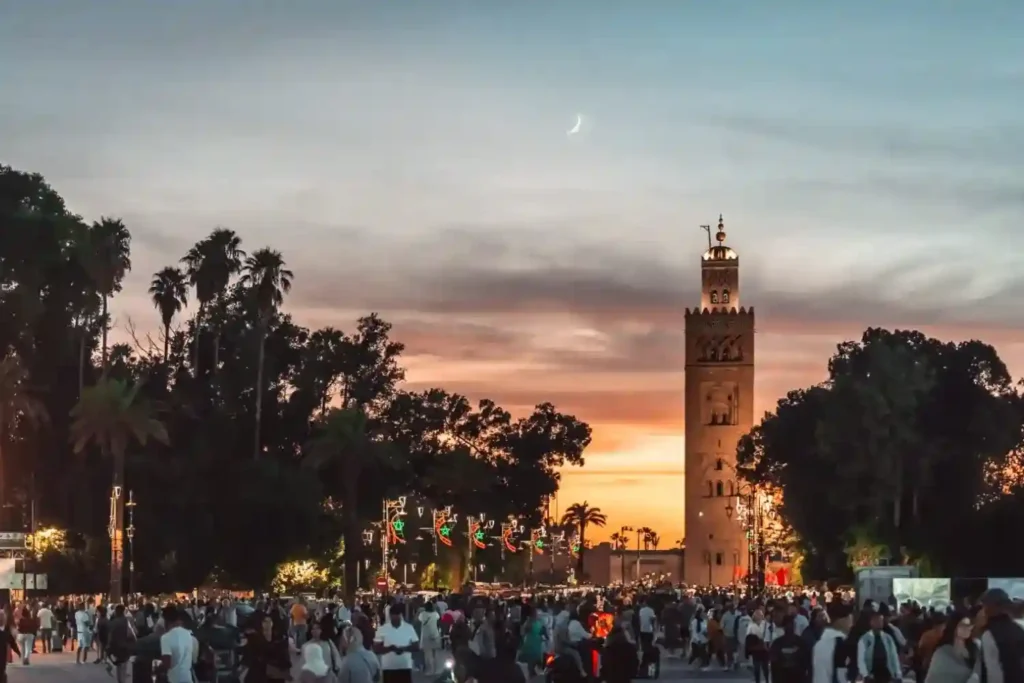
Marrakech is a city like no other. Filled with the scent of exotic spices, the vibrant colors of bustling souks, and the breathtaking architecture of ancient palaces, it is easily one of the best destinations in Morocco. Millions of travelers flock to the Red City every year to experience its rich history, unique culture, and world-class hospitality.
However, because Marrakech is so lively and fast-paced, it can sometimes feel overwhelming for first-time visitors. While it is a deeply rewarding place to explore, there are certain local customs, hidden costs, and common tourist traps that you need to be aware of. Knowing what to avoid in Marrakech before you arrive is the best way to ensure your holiday goes smoothly. In this comprehensive guide, we will share essential Marrakech travel tips, outline common Marrakech tourist scams, and highlight the top mistakes to avoid in Marrakech so you can navigate the city like a pro.
Table of Contents: What to Avoid in Marrakech
Why It’s Important to Know What to Avoid in Marrakech
As we mentioned, Marrakech is widely celebrated as one of the best destinations in Morocco, offering an incredible blend of sensory experiences that you cannot find anywhere else in the world. From the magical energy of Jemaa el-Fnaa square at sunset to the peaceful courtyards of traditional Riads, it is a city that captures the heart of every traveler.
However, because the layout of the ancient Medina is a labyrinth and the local commerce is highly dynamic, small things can easily create a bad experience if you don’t know them beforehand. A simple misunderstanding over a taxi fare, a pushy street vendor, or walking down the wrong alley can quickly turn a dream vacation into a stressful day. By learning these essential Marrakech safety tips and cultural norms, you will protect your budget, respect the local community, and enjoy an authentic, stress-free Moroccan adventure.
Avoid Following Unofficial Tour Guides
When wandering around the narrow alleys of the ancient Medina, you will frequently be approached by locals offering to show you around or lead you to a specific landmark. While many are just trying to be friendly, it is crucial to avoid following these unofficial tour guides, often known locally as “faux guides”.
Faux Guides in the Medina: These unregistered guides usually hang around busy tourist spots or crossroads. They might promise to take you to a secret festival, a hidden viewpoint, or a special market. However, their main goal is usually to lead you into specific shops where they receive a high commission on anything you buy, or they will demand an unexpectedly large fee once you reach the destination.
How to Identify a Licensed Guide: Official, licensed tour guides in Morocco go through rigorous training and are registered with the Ministry of Tourism. To make it easy to spot the difference, look at this quick breakdown:
| Licensed Tour Guides | Faux Guides (Unofficial) |
| Wear an official Ministry of Tourism badge (usually a round metal medallion on a lanyard). | Do not have any official identification or badge. |
| Have fixed, transparent daily or half-day rates. | Demand arbitrary tips or pressure you into specific shops. |
| Booked through reputable agencies, hotels, or official tourist offices. | Approach you randomly on the street or at Medina entrance points. |
Don't Forget to Negotiate Prices
Bargaining is a deeply rooted part of Moroccan culture, especially in commercial hubs. If you accept the first price you are given without negotiating, you will easily make one of the biggest mistakes to avoid in Marrakech.
The Souks: Inside the markets, prices are rarely marked on items. Vendors expect you to haggle. A good rule of thumb is to counter with roughly half or a third of their initial price and work your way to a fair middle ground where both parties are happy.
Taxis: Always negotiate the price before you step inside a taxi, or politely ask the driver to turn on the meter (the compteur). If they refuse to use the meter, state your agreed price clearly before sitting down.
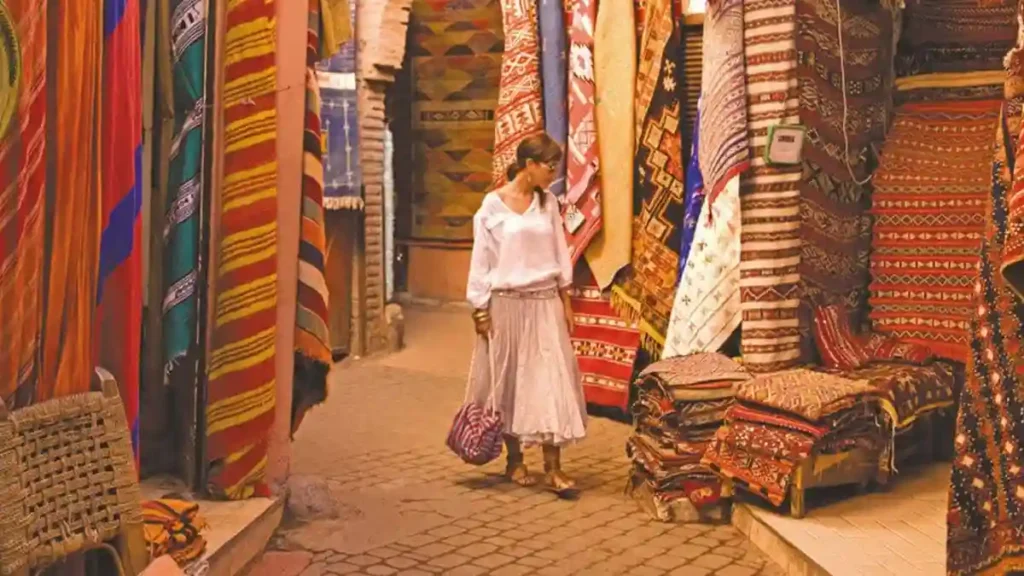
Souvenirs: Whether you are buying leather poufs, beautiful berber rugs, argan oil, or spices, take your time. Walking away gently often results in the shopkeeper lowering the price to meet your budget.
Avoid Taking Photos Without Permission
Marrakech is incredibly photogenic, but capturing memories requires cultural awareness. Taking photos of people without asking is one of the top things not to do in Marrakech.
The People: Locals in the Medina often value their privacy. Always ask for permission before pointing your camera at someone, especially women or elderly residents.
The Artisans: If you want to photograph a craftsman weaving a rug or shaping pottery, ask first. It is polite to buy a small item or offer a small tip ($1 to $2) as a thank you for their time.
Street Performers: In Jemaa el-Fnaa square, you will see snake charmers, monkey handlers, and musicians. If you take a picture of them—even from a distance—they will immediately approach you demanding a significant fee. Always agree on the photo price beforehand to avoid an aggressive confrontation.
Be Careful with Street Scams
Like any world-class tourist hub, the Red City has its share of tricks designed to target newcomers. Being aware of common Marrakech tourist scams will keep your trip completely stress-free.
Here is a quick breakdown of the most common street setups you will encounter in the Medina:
| The Scam | How It Works | How to Handle It |
| “This road is closed” | A young man tells you the street or your Riad is closed due to a festival or construction to redirect you to a specific shop. | Ignore them, say “No thank you”, and rely entirely on your offline maps (like Maps.me). |
| “I can show you the way” | Someone walks ahead of you pretending to be helpful, then demands a heavy cash tip once you arrive. | Politely but firmly refuse the help immediately. Say you know the way. |
| Overpriced Services | Henna tattoo artists or street vendors put something on you without asking, then demand payment. | Keep your hands to your side and do not accept “free gifts” or sudden services. |
Avoid Drinking Tap Water If You Have a Sensitive Stomach
Staying hydrated is one of the most important Marrakech travel tips, especially during the warmer months when the city gets quite hot. However, you need to be smart about your water sources.
Bottled Water: While the tap water in Marrakech is generally safe for locals, it contains different mineral balances than what international travelers are used to. If you have a sensitive stomach, stick completely to bottled water for drinking and brushing your teeth to avoid ruining your holiday with an upset stomach.
Hydration Tips: Always check that the seal on your bottled water is intact before opening it. Additionally, consider avoiding ice cubes in casual street stalls and make sure to drink plenty of fluids throughout the day while walking in the sun.
Don't Wear Inappropriate Clothing in Conservative Areas
Morocco is a modern yet culturally conservative country. While Marrakech is very accustomed to tourists, dressing respectfully is highly appreciated and will help you avoid unwanted attention.
Respect Local Culture: When exploring historical sites, religious landmarks, and the traditional streets of the Medina, it is best to avoid overly revealing clothing. Dressing modestly shows respect for the local heritage and religious values.
Practical Clothing Advice: For both men and women, keeping your shoulders and knees covered is a great rule of thumb. Lightweight, breathable fabrics like linen or loose cotton are perfect, they keep you cool in the Moroccan heat while remaining culturally respectful.
Avoid Empty or Poorly Lit Areas Late at Night
Marrakech is generally very safe, but practicing common-sense safety measures is essential when navigating any major city after dark.
Safety Tips: The main squares and busy commercial streets of the Medina stay active and vibrant until very late. However, the smaller, residential side alleys can become completely empty and dimly lit after the shops close. Avoid walking alone down these quiet alleys late at night; stick to the main, well-populated thoroughfares.
Best Areas to Stay: If you enjoy late-night dining or exploring after dark, choose a Riad located near the main gates of the Medina (like Bab Doukkala or Kennaria) or stay in the modern district of Gueliz. These areas offer easier access to brightly lit streets and readily available transport.
Be Careful with Horse Carriages and Taxi Prices
Getting around the city is easy, but transportation is where many travelers encounter unexpected costs if they don’t follow basic Marrakech safety tips.
Agree on Price First: Whether you are taking a horse-drawn carriage (Calèche) near Jemaa el-Fnaa or a small city taxi (Petit Taxi), never start the journey until the final price is explicitly settled.
Use Official Taxis: Always look for the official city taxis and ensure you understand the standard expectations before getting in:
| Transport Type | Standard Practice | What to Avoid |
| Petit Taxi (Small City Taxis) | Demand that the driver turns on the meter (compteur). | Accepting a high, flat rate without the meter running. |
| Grand Taxi (Large Shared Taxis) | Used for longer distances with fixed rates per seat. | Paying for the whole car unless you explicitly want a private ride. |
| Horse Carriages (Calèches) | Negotiate a fixed price for the entire ride/hour before boarding. | Getting in based on a vague “we will settle it later” promise. |
Avoid Buying Fake or Low-Quality Souvenirs
The markets of Marrakech are filled with gorgeous treasures, but not everything that glitters is authentic. Avoiding mass-produced or low-quality imitations is key to bringing home true Moroccan craftsmanship.
How to Identify Authentic Moroccan Products: When shopping for famous items like Argan oil, look for certified organic seals, as cheap bottles sold on the street are often mixed with regular cooking oil. For leather goods, real Moroccan leather has a distinct, natural scent; if it smells strongly of plastic or chemicals, it is likely synthetic.
Buy Directly from Artisans: To get the best quality, try to buy directly from the workshops where you can see the artisans practicing their trade. This ensures your money directly supports local families and guarantees you are getting a genuine, handmade piece.
Don't Rush Your Visit
One of the biggest mistakes to avoid in Marrakech is trying to see everything in a single, fast-paced day. Marrakech is a city that demands to be savored slowly.
Marrakech Deserves to Be Explored: The city’s charm lies in its hidden details—the quiet inner courtyards of museums, the architectural beauty of the Ben Youssef Medersa, and the slow transformation of Jemaa el-Fnaa as day turns to night. Packing your schedule too tightly will only lead to travel burnout.
Enjoy the Culture and Atmosphere: Give yourself permission to get lost in the Medina, sit down at a rooftop café, and just watch the world go by over a hot glass of Moroccan mint tea. Slowing down your pace is the best way to truly connect with the vibrant spirit and warm hospitality of the Red City.
Is Marrakech Safe for Tourists?
General Safety Overview: Yes, Marrakech is generally a very safe city for international travelers. Violent crime is extremely rare. The vast majority of locals are incredibly welcoming, hospitable, and proud to share their culture. Your main focus should simply be staying aware of your surroundings, avoiding petty pickpocketing in crowded areas, and knowing how to handle pushy street vendors.
Solo Travelers: Solo travelers, including solo female travelers, can enjoy an amazing time in Marrakech. While you may encounter occasional catcalling or persistent street vendors in the Medina, ignoring them completely or giving a firm, polite “No, thank you” (or “La, Shukran”) is highly effective. Stick to populated streets and avoid walking alone at night.
Families and Couples: Marrakech is a fantastic destination for couples and families. Moroccans deeply respect family structures and are incredibly warm toward children. By choosing a well-reviewed Riad and arranging authorized transport, families and couples can enjoy a seamless and memorable holiday.

Frequently Asked Questions
What is the biggest tourist scam in Marrakech?
The most common tourist scam is the “closed road” or “helpful stranger” trick. Young men in the Medina will tell you that a street, square, or landmark is closed for a local festival, then offer to guide you somewhere else, only to lead you to a specific rug or spice shop for a commission, or demand a heavy cash tip for their unwanted help.
Is Marrakech safe at night?
Yes, Marrakech is safe at night, particularly around major, well-populated areas like Jemaa el-Fnaa square and the modern Gueliz district. However, the narrow residential side alleys of the old Medina become very quiet and dimly lit after the shops close. It is best to avoid walking down empty alleys alone late at night.
Can tourists drink tap water in Marrakech?
While tap water is treated and generally safe for locals, it contains a different mineral balance that can upset sensitive tourist stomachs. To avoid getting sick on your vacation, it is highly recommended to stick entirely to sealed bottled water for drinking.
Is bargaining expected in Marrakech?
Absolutely! Bargaining is a traditional part of Moroccan commerce. Inside the souks and when hiring unmetered taxis, negotiating is completely expected. Always counter the initial offer with a lower price and find a fair, friendly middle ground where both you and the vendor are happy.
What should tourists wear in Marrakech?
Tourists should wear respectful, modest clothing, especially when exploring conservative or historic areas. While you don’t need to be completely covered, keeping your shoulders and knees covered is a good rule of thumb for both men and women. Loose, lightweight fabrics like linen are ideal for staying cool while respecting local culture.
Is it safe to eat street food in Marrakech?
Yes, eating street food is a highlight of visiting Marrakech, especially in Jemaa el-Fnaa. To avoid stomach issues, choose stalls that are packed with local Moroccan families, ensure the meat is cooked fresh right in front of you, and stick to hot, freshly prepared dishes rather than precooked food that has been sitting out.
Can I use my credit card everywhere in Marrakech?
No, Marrakech is still very much a cash-based city, especially inside the traditional Medina. While luxury hotels, modern restaurants in Gueliz, and large tourist shops accept credit cards, you will absolutely need Moroccan Dirhams (MAD) for small street stalls, souk vendors, taxis, and tipping.
Conclusion
Marrakech is a magical, vibrant city that offers an unforgettable sensory adventure. While the bustling energy of the Medina, the persistent street vendors, and the labyrinth of narrow alleys can feel a bit overwhelming at first, knowing what to avoid in Marrakech makes all the difference. By staying aware of common Marrakech tourist scams, bargaining with a friendly smile, dressing respectfully, and taking your time to savor the local atmosphere, you can easily avoid the most common travel mistakes and enjoy a seamless, authentic Moroccan holiday.
The Red City is incredibly rewarding when you navigate it with the right insider knowledge. Don’t let a few minor details hold you back from exploring the beautiful palaces, vibrant souks, and stunning rooftop views that make this city world-famous.
Plan Your Best Morocco Adventure
Want to experience the magic of Marrakech and the breathtaking dunes of the Sahara desert completely stress-free? Let our expert local guides handle all the details for you!
Discover our premium, fully tailored itineraries: From custom Marrakech city tours to unforgettable desert camping trips, we ensure an authentic, safe, and premium travel experience.
Get in touch today: Contact us to start planning your dream Moroccan holiday with trusted local professionals who know the country best!
Contact us

I’m Lahcen Saadi from the Exploring Morocco Trips team. We are local guides dedicated to crafting authentic and exceptional Moroccan experiences.
Whether you are planning your first trip to Morocco and need expert advice, or you are a travel professional looking to collaborate on unique itineraries, we are ready to help.
- 3 Days Desert tour From Marrakech to Merzouga
- 3 Days Desert tour From Marrakech to Fes
- 3 Days Desert tour From Fes to Marrakech
- 4 Days Desert tour From Marrakech to Merzouga
- 4 Days Desert tour From Marrakech to Fes
- 4 Days Desert tour From Fes to Marrakech
- 5 Days Desert tour From Marrakech to Merzouga
- 5 Days Desert tour From Fes to Marrakech
- 7 Days Morocco tour from Marrakech
- 7 Days Morocco tour from Fes
- 7 Days Morocco tour from Casablanca
- 8 Days Morocco tour from Marrakech
- 8 Days Morocco tour from Casablanca
- 9 Days Morocco tour from Marrakech
- 9 Days Morocco tour from Casablanca
- 10 Days Morocco tour from Casablanca
- 12 Days Morocco tour from Casablanca
- 14 Days Morocco tour from Casablanca