
Where Is the Sahara Desert in Morocco? The Ultimate Guide to the Geography of Silence
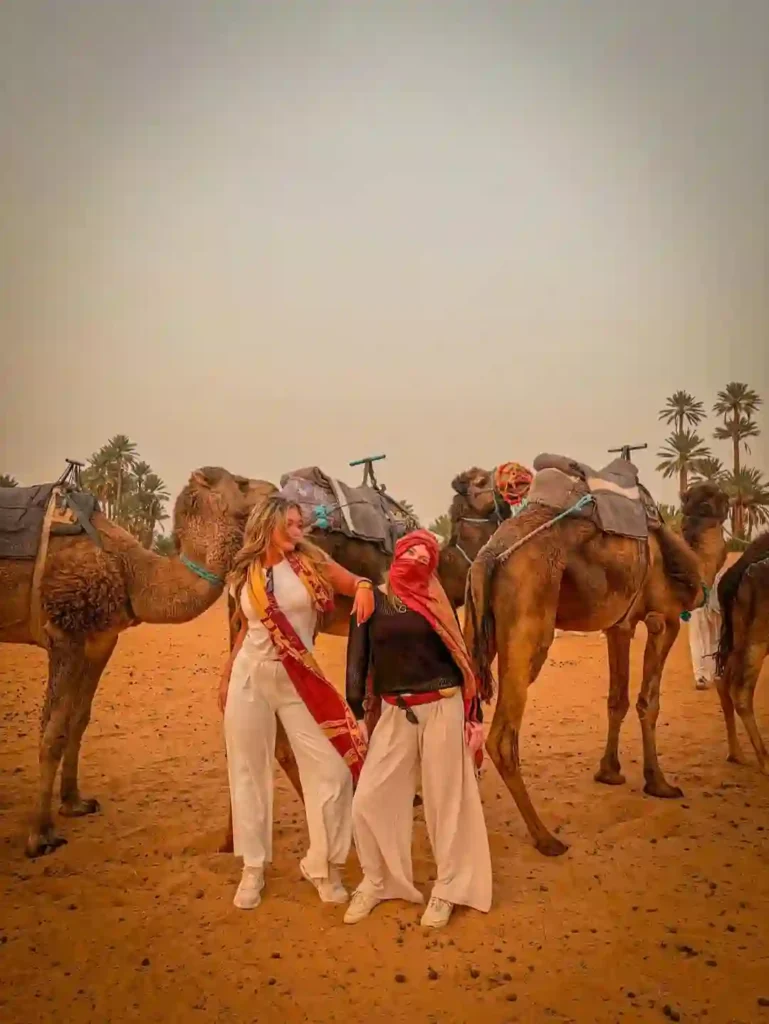
For travelers across the globe, the word “Sahara” conjures a universal, breathtaking image: endless horizons of sweeping golden sand dunes, isolated camel caravans silhouetted against a setting sun, and nights spent under an impossibly bright blanket of desert stars. It represents the ultimate escape into what local nomads beautifully call the “geography of silence.”
If you are planning an adventure to North Africa, you likely already know that Morocco offers the safest, most accessible, and culturally rich gateway to this legendary wilderness. But if you look closely at a standard world map, you won’t see a giant sign pointing to a single desert gate.
So, where is the Sahara Desert in Morocco?
Many first-time visitors are surprised to learn that the desert is not a single, uniform sandbox sitting just outside major imperial hubs like Marrakech or Casablanca. Instead, Morocco occupies the rugged northwestern edge of this 9-million-square-kilometer desert system. To experience the authentic, towering sand dunes you see in magazines, you must cross the mighty Atlas mountain ranges and head deep into the southeastern borderlands.
Let’s break down the exact geography, the distinct dune fields, and the realistic logistics so you can plan a flawless journey into the sands.
Table of Contents: The Sahara Desert in morocco
Understanding Erg Chebbi and Erg Chigaga
When answering where is the Sahara Desert in Morocco, you must understand that the desert landscape transitions through various phases—from rocky black stone plateaus (reg) to dry riverbeds (wadis). However, when travelers look for the majestic, towering orange sand dunes, they are looking for an Erg.
In Morocco, there are two major, distinct sand dune fields located in the southeastern Drâa-Tafilalet and Souss-Massa regions along the Algerian border. They offer completely different experiences and require different logistical planning.
1. Erg Chebbi: The Accessible Wonders of Merzouga
If you have ever seen a spectacular photograph of massive, perfectly formed orange sand dunes in Morocco, you are almost certainly looking at Erg Chebbi.
-
The Exact Location: Erg Chebbi is situated in the far southeastern corner of Morocco, running parallel to the border. The main gateway to these dunes is the small desert village of Merzouga, which sits right at the edge of the sands. Nearby, the bustling oasis town of Erfoud serves as the administrative and logistical capital of the region.
-
The Scale: This compact dune field spans roughly 28 kilometers from north to south and up to 7 kilometers wide. What makes Erg Chebbi legendary is its sheer altitude; some of individual crests rise over 150 meters from the desert floor.
-
The Logistics: Erg Chebbi is highly favored by premium travelers because of its exceptional accessibility. A paved asphalt road runs directly to the perimeter of the dunes. This means you can drive a standard vehicle right to the edge of the sand, transition seamlessly onto a camel or a private 4×4 vehicle, and reach high-end, luxury desert camps with running water, private en-suite bathrooms, and fine dining within minutes.
2. Erg Chigaga: The Wild and Remote Wilderness
For travelers seeking a rugged, completely untamed expedition far away from civilian infrastructure, the answer lies further southwest.
-
The Exact Location: Erg Chigaga is located in the rural province of Zagora. The final outposts of civilization before the sand begins are the traditional villages of M’hamid El Ghizlane and Foum Zguid.
-
The Scale: Erg Chigaga is actually the largest sand sea in Morocco, sprawling across an immense area of roughly 40 kilometers. While the dunes are more spread out and slightly lower on average than those of Erg Chebbi, the surrounding territory is incredibly vast and desolate.
-
The Logistics: Unlike Merzouga, there are absolutely no paved roads leading to Erg Chigaga. Reaching these remote dunes requires an intensive, bumpy two-hour off-road journey through harsh stone plains and dried salt flats in a dedicated, high-clearance 4×4 vehicle. The camps here are generally more rustic and spread out, making it the perfect destination for hardcore adventurers who want to experience the raw, uninterrupted isolation of the old nomadic trails.
The Truth About Marrakech "Desert" Trips (Agafay vs. The Real Sahara)
When researching where is the Sahara Desert in Morocco, many travelers stumble across alluring advertisements online for “Sahara Day Trips from Marrakech.” As a local operator handling these routes daily, it is our duty to share a critical piece of geographical truth: It is physically impossible to visit the real Sahara Desert on a one-day trip from Marrakech.
To ensure your expectations match reality, you need to understand the difference between the stone plains right outside Marrakech and the actual sand seas of the deep south.
The Agafay Desert: The Convenient Stone Illusion
Located just 40 kilometers southwest of Marrakech, the Agafay Desert has exploded in popularity over recent years.
-
The Reality: Agafay is a barren, arid landscape made of light-colored clay hills, gravel, and stone plateaus. It contains absolutely no sand dunes. It is a rocky desert (reg), not a sand desert (erg).
-
The Best Use Case: Agafay is an excellent option for travelers who are on a tight timeline, spending only 3 or 4 days in Marrakech, and want a quick taste of open space. You can easily take a 45-minute drive from your Medina riad to enjoy a sunset camel ride, ride quad bikes through the canyons, and dine under a traditional tent with the snow-capped High Atlas Mountains framing the background. It is beautiful and highly stylized, but it is not the Sahara.
The Spatial Reality: Why the Sahara Takes Time
The true Sahara Desert (Erg Chebbi or Erg Chigaga) sits hundreds of kilometers away on the other side of North Africa’s highest mountain peaks.
To reach the golden dunes of Merzouga from Marrakech, you have to drive roughly 560 kilometers. This is not a straight highway trip; the route forces you to navigate the winding, switchback mountain roads of the Tizi n’Tichka pass, descend into the rocky Ouarzazate valleys, and cut through the massive Todra Gorges before finally hitting the open desert flats.
This drive takes a minimum of 8 to 9 hours of pure driving time, without factoring in stops for lunch, photos, or refueling.
Any tour company promising a “Sahara day trip” from Marrakech is actually driving you to Agafay, or leaving you trapped inside a minibus for 18 hours straight just to look at the sand for ten minutes in the dark. To experience the real Sahara comfortably, you must dedicate a minimum of 3 days and 2 nights to your itinerary.

Real Drive Times, Routes, and Scenic Stopovers
Because the true Sahara Desert is safely tucked behind major geographical boundaries, getting there is an adventure in its own right. As a premier agency, we always tell our clients: the journey is just as breathtaking as the destination. Whether you start your journey in the south or the north, there are two distinct, well-maintained highway routes that bring you straight to the gateway town of Merzouga.
Route 1: The Imperial Way from Fes to Merzouga (The Quickest Run)
If your itinerary starts in the ancient spiritual heart of Fes, you are looking at an incredibly scenic 7 to 8-hour direct drive covering roughly 470 kilometers down the N13 highway.
Instead of rushing straight through, the ultimate professional itinerary pauses at these crucial local milestones:
-
Ifrane: Your very first stop just over an hour outside of Fes. Perched in the Middle Atlas Mountains, it is famously known as the “Switzerland of Morocco” because of its alpine chalet-style architecture, clean cedar forests, and cool mountain air.
-
Azrou Forest: A beautiful stretch of ancient trees where you can stop briefly to spot and feed the local wild Barbary Macaque monkeys.
-
Midelt: Nestled right in the high plains between the Middle and High Atlas chains, this town is the agricultural “Apple Capital” of Morocco and serves as the perfect mid-way lunch oasis.
-
The Ziz Valley: As you descend the mountains, the landscape shifts dramatically. You will look down from panoramic viewpoints onto the sweeping Ziz Gorge—a breathtaking canyon carved out by a meandering river and lined with millions of lush green date palm trees stretching out into the dry flats.
-
Erfoud: Known worldwide as the “Gate of the Sahara,” this bustling desert outpost is famous for its massive fossilized marble quarries and traditional date markets. It is the final major administrative hub before the sands.
-
Rissani: The absolute last town before the open dunes. Rissani is culturally rich and famous for its sprawling, authentic nomadic souk. While passing through, trying a slice of Medfouna (the legendary local “Berber stuffed pizza” packed with spices, meat, and almonds) is a mandatory culinary ritual.
Route 2: The Caravan Trail from Marrakech to Merzouga (3 Days desert trip)
For travelers starting in Marrakech, the route spans over 560 winding kilometers. Because it forces you over the towering Tizi n’Tichka Pass (the highest paved road pass in North Africa at 2,260 meters), it requires a more deliberate, multi-day pace.
To experience this correctly, a standard premium itinerary breaks the long drive into spectacular historical stages:
-
Ksar Ait Benhaddou: A striking, UNESCO World Heritage-listed earthen fortress made of traditional red clay mud-brick. It has served as the cinematic backdrop for Hollywood epics like Gladiator, The Mummy, and Game of Thrones.
-
Ouarzazate: Widely nicknamed “The Door of the Desert,” this city connects the mountains to the river valleys and houses the massive Atlas Film Studios.
-
Dades Valley & Todra Gorges: A spectacular canyon route famous for its dramatic, twisting mountain switchbacks and towering, 400-meter-high red limestone cliff walls that flank the narrow mountain river. After navigating this rugged terrain, you will exit the mountain valleys into Erfoud and Rissani, making your final, smooth approach into Merzouga just as the sun begins to melt into deep orange tones.

Best Times to Visit, Packing Secrets, and Your Desert Summary
Now that you know exactly where is the Sahara Desert in Morocco and how to get there, the final step is ensuring you arrive during the right season and with the correct gear. The desert is a beautiful land of extremes, and a little local preparation goes a long way.
The Best Seasonal Windows to Visit the Sands
Because of its unique inland geographical position, weather in the Sahara shifts dramatically throughout the year.
-
The Perfect Windows (Spring & Autumn): The absolute prime months to plan your desert excursion are from March to May and from September to November. During these periods, daytime temperatures are warm and pleasant (ranging from 24°C to 30°C), making outdoor activities like camel trekking, quad biking, and sandboarding incredibly comfortable.
-
The Winter Reality (December to February): Winter offers beautiful, crisp blue skies during the day. However, many travelers are shocked by the extreme temperature drops at night. Once the sun dips below the horizon, temperatures can plumet down to 0°C or lower. If you travel in winter, make sure your agency books a premium luxury camp equipped with heating systems and heavy wool blankets.
-
The Summer Warning (June to August): Unless you are highly resilient to intense heat, avoid the deep desert in peak summer. Temperatures in Merzouga regularly spike past 45°C during the afternoon, causing most camps to pause operations or limit outdoor activities for safety.
Nomad Packing Secrets for a Flawless Trip
When heading into the sand seas, traditional heavy vacation suitcases should stay locked securely in your private driver’s vehicle. Pack a small, flexible overnight backpack with these distinct local essentials:
-
Loose, Layered Clothing: Bring light linen or cotton clothes for the sunny afternoon, but always pack a heavy fleece, windbreaker, or jacket for the sudden drop in night temperatures.
-
A High-Quality Scarf (Tagelmust): Do not rely on baseball caps; buy a traditional cotton scarf locally in Rissani or Merzouga. Your guide will teach you how to wrap it like a nomad to completely shield your eyes, face, and hair from unexpected desert wind gusts.
-
Camera Protection: The fine, silken dust of Erg Chebbi can instantly ruin delicate mechanical lenses and phone charging ports. Bring simple ziplock bags or a dedicated dust-proof cover to protect your tech gear when you are not actively shooting photos.
-
Sturdy closed-toe shoes: Sand gets incredibly hot under the afternoon sun, and walking up steep ridges requires stable footwear. Save the flip-flops strictly for inside your luxury camp tent.
At-A-Glance: The Moroccan Sahara Breakdown
| Feature / Detail | Erg Chebbi (Merzouga) | Erg Chigaga (Zagora) |
| Primary Landscape | Towering, bright orange sand dunes | Vast, rugged, wild sand sea and stone plains |
| Accessibility | High (Paved asphalt road directly to the edge) | Remote (Requires 2+ hours of rugged off-road 4×4 driving) |
| Maximum Dune Height | Over 150 meters | Around 60 meters |
| Travel Vibe | Luxurious, comfortable, highly accessible | Wild, traditional, deeply isolated expedition |
| Best Starting Hubs | Fes (7-8 hour drive) or Marrakech (3-day route) | Marrakech or Ouarzazate via Zagora |
Whether you choose the soaring, golden peaks of Erg Chebbi or the remote, untamed trails of Erg Chigaga, venturing into the true Moroccan Sahara is a transformative experience. By planning a dedicated multi-day itinerary and bypassing the rocky visual illusions close to the cities, you will witness the raw, unforgettable grandeur of the largest hot desert on earth.

Sahara Desert Frequently Asked Questions (FAQ)
When planning a massive journey across the Atlas Mountains to the edge of the dunes, our clients naturally have a lot of practical questions. Here are the exact, unfiltered realities straight from our local desert guides to help you finalize your plans.
Is there a desert near Marrakech?
Can you do a day trip to the Sahara Desert from Marrakech?
How far is the Sahara Desert from Fes?
Which is better: Erg Chebbi or Erg Chigaga?
Does it get cold in the Moroccan desert?
What is the closest airport to the Sahara Desert in Morocco?
Are there bathrooms in the Sahara Desert camps?
Can you drive a regular car into the sand dunes?
Is there internet or phone reception in the desert?
Do I need a sleeping bag for a Morocco desert tour?
Can you visit the Sahara Desert during Ramadan?
What should you wear for a camel ride?
Is the water in the desert camps safe to drink?

Your Local Experts
I’m Lahcen Saadi from the Exploring Morocco Trips team. We are local guides dedicated to crafting authentic and exceptional Moroccan experiences.
Whether you are planning your first trip to Morocco and need expert advice, or you are a travel professional looking to collaborate on unique itineraries, we are ready to help.
Plan Your Trip: Click any destination to see more
Best Morocco tours
- 3 Days Desert tour From Marrakech to Merzouga
- 3 Days Desert tour From Marrakech to Fes
- 3 Days Desert tour From Fes to Marrakech
- 4 Days Desert tour From Marrakech to Merzouga
- 4 Days Desert tour From Marrakech to Fes
- 4 Days Desert tour From Fes to Marrakech
- 5 Days Desert tour From Marrakech to Merzouga
- 5 Days Desert tour From Fes to Marrakech
Grand Morocco tours
- 7 Days Morocco tour from Marrakech
- 7 Days Morocco tour from Fes
- 7 Days Morocco tour from Casablanca
- 8 Days Morocco tour from Marrakech
- 8 Days Morocco tour from Casablanca
- 9 Days Morocco tour from Marrakech
- 9 Days Morocco tour from Casablanca
- 10 Days Morocco tour from Casablanca
- 12 Days Morocco tour from Casablanca
- 14 Days Morocco tour from Casablanca