
Who Are the Berbers? Exploring Morocco’s Indigenous People
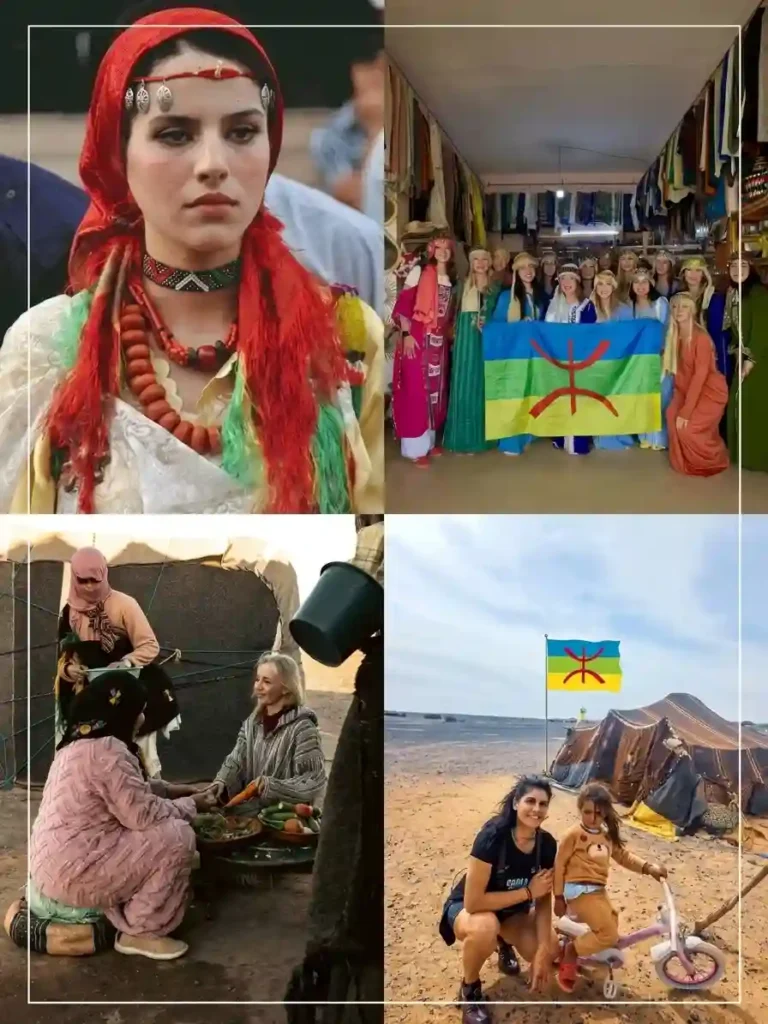
When you plan a trip to North Africa, one word you will encounter constantly is “Berber.” From the majestic peaks of the Atlas Mountains to the golden dunes of the Sahara Desert, the influence of this ancient community is woven into every corner of the region. But who are the Berbers, and what makes their heritage so unique?
As the indigenous people of Morocco and the wider North African coast, the Berbers possess a vibrant history that stretches back thousands of years, long before the arrival of modern borders or outside civilizations. Today, exploring Berber culture and learning about their fascinating customs has become an essential part of any authentic travel experience. In this ultimate guide, we will dive deep into Berber history, look at their ancient roots, and explore the rich Berber traditions that continue to shape the soul of modern Morocco.
Table of Contents: Who are the Berbers
Who Are the Berbers?
To truly understand the identity of North Africa, you must first ask: who are the Berbers? Known natively as the Amazigh people (plural: Imazighen), they are the original, indigenous inhabitants of a vast geographic region stretching from the Atlantic Ocean to the Siwa Oasis in Egypt.
Who They Are and Where They Live: The Imazighen are an ethnolinguistic group with a proud, resilient heritage. Today, millions of Amazigh individuals live across North Africa, with the largest populations beautifully preserved in the mountains, valleys, and desert regions of Morocco and Algeria.
Why They Are Called Amazigh Today: While the world has historically referred to them as “Berbers”, a term derived from the Latin word barbarus used by ancient Romans, the people proudly call themselves Imazighen, which translates magnificently to “free people” or “noble men.” In recent decades, there has been a massive, successful movement to reclaim this native name globally, shining a proper light on their true identity and ancestral pride.
The Origins of the Berber People
The roots of the Amazigh people run deeper than written records. Their presence in North Africa represents one of the oldest continuous human civilizations in the world.
History Before the Arabs: Long before the Arab-Islamic expansions reached North Africa in the 7th century, the Imazighen had already established thriving societies, complex trade networks, and distinct cultural practices across the region.
Thousands of Years in North Africa: Archeological evidence shows that the ancestors of modern Berbers have inhabited the North African continent for over 10,000 years. They successfully managed their lands, developed farming techniques, and preserved their distinct way of life through multiple eras.
Encounters with Ancient Civilizations: Throughout Berber history, this resilient community interacted with, traded with, and sometimes fought against the greatest empires of antiquity. From the seafaring Phoenicians and Carthaginians to the mighty Roman Empire and ancient Egyptians, the Berbers fiercely guarded their independence while absorbing and adapting trade elements from surrounding Mediterranean civilizations.
Where Do Berbers Live Today?
While national borders have changed over the centuries, the ancestral homeland of the Amazigh people, historically known as Tamazgha—remains vibrant. Today, millions of Berbers live across several North African nations, preserving their distinct heritage in both remote rural regions and major modern cities.
Morocco: This is home to the largest Amazigh population in the world. From the rugged High Atlas Mountains to the valleys of the south, Berber culture is deeply embedded in the identity of the entire kingdom.
Other North African Nations: Beyond Morocco, large and active Amazigh communities live across the continent.
Here is a quick overview of where the Berber communities live today:
| Country | Key Berber Regions & Communities |
| Morocco | Rif Mountains, Middle & High Atlas, Souss Valley, and the Sahara desert. |
| Algeria | Kabylie region, Aurès Mountains, and the Saharan Tuareg communities. |
| Tunisia | Small, beautifully preserved villages in the southern mountains (like Matmata). |
| Libya | Nafusa Mountains and western coastal towns. |
| Mauritania | Nomadic groups and communities in the northern desert tracts. |

The Amazigh Languages
One of the strongest pillars of Berber identity is their unique linguistic heritage. The Berber language, natively called Tamazight, belongs to the Afroasiatic language family and is entirely independent of Arabic. It is spoken in several regional dialects across North Africa.
Main Dialects: * Tashelhit (Tachelhit): Spoken widely in southwest Morocco, including the High Atlas, Anti-Atlas, and Souss Valley.
Tamazight (Central Atlas): Spoken primarily by the communities inhabiting the Middle Atlas Mountains.
Tarifit: The main dialect spoken by the proud communities of the northern Rif Mountains.
Taqbaylit (Kabyle): Spoken by the large Amazigh population in the Kabylie region of Algeria.
An Official Language in Morocco: For generations, Tamazight was primarily an oral language passed down through storytelling. However, in a historic move for cultural preservation, Morocco officially recognized Tamazight as an official state language alongside Arabic in its constitution. Today, it is taught in schools, used on official government signs, and celebrated openly on national television.
Berber Culture and Traditions
The core of Berber culture is rooted f l-ard (the land), family loyalty, and a deep-seated respect for community hospitality. These time-tested Berber traditions have beautifully survived for generations.
Family and Community Life: Amazigh society is traditionally structured around close-knit tribal lines. Major decisions are historically made by a council of elders (Agraw). Cooperation is essential; whether harvesting crops in a mountain valley or constructing a home, the community works together as a singular unit.
Traditional Clothing: Clothing is a brilliant display of cultural identity and geography. In the cold Atlas Mountains, you will see men and women wearing heavy woven wool capes or hooded robes called Djellabas. For festive occasions, Amazigh women wear breathtaking, colorful dresses adorned with intricate embroidery, massive silver jewelry, and amber necklaces that carry deep symbolic protections.
Music and Dance: Music is the heartbeat of Amazigh celebrations. Traditional dances like the Ahidous (a collective dance where men and women form a circle or line) or the Ahwash feature rhythmic frame drums (Bendirs), poetic chanting, and synchronized clapping that can last late into the night.
Festivals and Celebrations: Throughout Morocco, major cultural events mark the Amazigh calendar. From the Imilchil Marriage Festival in the High Atlas to celebrating Yennayer (the Amazigh New Year in mid-January), these celebrations showcase a vibrant living culture that travelers absolutely adore.
Berber Architecture
The architecture of the indigenous people of Morocco is a masterful blend of functionality, defense, and natural harmony. Using local materials like mud, clay, and straw, they created structures that perfectly regulate indoor temperatures against the harsh North African climate.
Kasbahs: These are massive, fortified homes or small castles built by wealthy families or tribal leaders. They feature tall mud-brick walls, defensive corner towers, and beautifully chiseled geometric patterns at the top.
Ksour (Plural of Ksar): A Ksar is a completely fortified collective village. Inside its grand protective walls, you will find homes, collective granaries (Agadirs), mosques, and marketplaces connected by a network of cool, shaded alleyways.
Mountain Villages: In the Atlas Mountains, Berber villages are ingeniously stacked into the hillsides. The flat roof of one mud-and-stone house frequently serves as the front courtyard for the home directly above it.
Famous Architectural Examples
Aït Benhaddou: Located along the ancient trade route between Marrakech and the Sahara desert, this UNESCO World Heritage site is the most famous example of a traditional earthen Ksar in Morocco. Its breathtaking clay architecture has been featured in major global movies like Gladiator and Kingdom of Heaven.
Atlas Mountains Villages: Scattered across the Ourika Valley, Imlil, and the Ameln Valley, these quiet settlements show how beautifully the Imazighen adapt their living structures to the high, rugged mountain slopes.

Berber Food and Cuisine
Moroccan gastronomy is world-famous, and much of its foundational flavor comes directly from ancient Berber traditions. Amazigh cuisine is hearty, wholesome, and deeply tied to the earth, relying on fresh, locally sourced ingredients like olive oil, barley, vegetables, and aromatic mountain herbs.
When exploring the country, you must try these iconic, traditional dishes:
Couscous: Traditionally prepared on Fridays and during major celebrations, Couscous consists of tiny, steamed granules of semolina topped with a rich variety of seasonal vegetables and tender meat. It is a communal dish, traditionally eaten with the hands from a large shared clay platter.
Tagine: Named after the iconic conical clay pot it is cooked in, a Tagine is a slow-cooked, savory stew. The uniquely shaped lid forces steam to condense and drip back into the food, keeping ingredients like lamb, beef, or chicken incredibly tender alongside slow-cooked vegetables, prunes, or olives.
Amlou: A true Moroccan delicacy originating from the southwest Souss valley, Amlou is a rich, energetic dip made by grinding roasted almonds, mixing them with pure argan oil, and sweetening the blend with pure wild honey. It is commonly served for breakfast with warm, freshly baked bread.
Berbers and the Sahara Desert
The story of the Amazigh people is inextricably linked to the sweeping golden dunes of the world’s largest hot desert. For centuries, specialized Saharan Berber tribes—most notably the Tuareg and the Ait Atta, mastered the art of survival in one of the earth’s harshest environments.
Nomadic Traditions: Many desert Berbers lived as true nomads, moving across vast expanses of sand and stone with their families and livestock in search of fresh grazing pastures and hidden water oases. They lived in portable tents woven from tough camel and goat hair.
Camel Caravans: The Berbers were the ultimate masters of the trans-Saharan trade routes. Leading massive camel caravans that stretched for miles, they transported highly valuable goods like gold, salt, ivory, and exotic spices across North Africa, connecting remote sub-Saharan regions with bustling Mediterranean ports.
Desert Life Today: While many families have transitioned to a settled lifestyle in oasis towns like Erfoud or Merzouga to participate in sustainable tourism, their connection to the desert remains unbroken. Today, they proudly share their ancestral knowledge of the dunes, traditional starry-night music, and deep desert navigation with travelers from all over the world.
The Difference Between Berbers and Arabs
When looking at the history of North Africa, travelers often wonder about the distinction between the Berber and Arab populations. Understanding this relationship is a wonderful way to appreciate the rich, multi-layered identity of modern Morocco.
Origins: The Amazigh people are the indigenous, native inhabitants of North Africa, having lived in the region for over 10,000 years. The Arabs arrived later, moving into North Africa from the Arabian Peninsula starting in the 7th century during the Islamic expansions, bringing with them a new language and culture.
Language: Language is the clearest differentiator. The Berbers speak Tamazight, an independent Afroasiatic language with its own unique structure and grammar. The Arab population speaks Arabic, which belongs to a different linguistic branch. In Morocco, these languages beautifully fused over time to create Darija (Moroccan Arabic), which combines Arabic vocabulary with heavy Berber grammatical influences.
Cultural Influences: Over many centuries, the two cultures deeply intertwined through shared faith and shared history. Today, most Moroccans share a beautiful blend of both Arab and Berber ancestries, creating a unified society where indigenous traditions and Arab-Islamic heritage coexist in perfect harmony.
Berber Symbols and Identity
The visual identity of the Amazigh people is highly distinct, characterized by specific ancient geometric symbols, a unique alphabet, and a beautiful flag that represents their vast ancestral territory.
The Amazigh Flag: Created to symbolize the unity of the Imazighen, the flag consists of three horizontal stripes: blue (representing the vast Atlantic Ocean and Mediterranean Sea), green (representing the fertile valleys and majestic mountains), and yellow (representing the golden sands of the Sahara Desert).
The Tifinagh Alphabet: Unlike many ancient languages that were lost to time, the Berber script, known as Tifinagh, has survived for millennia. It is a striking, geometric alphabet found carved into ancient desert rocks across North Africa. Today, it is used on official Moroccan state documents, road signs, and school textbooks.
The Yaz Symbol (ⵣ): Located prominently in the center of the Amazigh flag, the Tifinagh letter “Yaz” (ⵣ) represents the sound of the letter “Z.” Beyond linguistics, it is the ultimate symbol of Berber identity, visually illustrating a free person standing proudly with their arms raised toward the sky, unconquered and resilient.

Berber Heritage in Modern Morocco
Today, the ancient heritage of the indigenous people of Morocco is not just a chapter in a history book—it is a living, breathing part of the nation’s identity. Morocco has made incredible strides in celebrating and preserving its foundational roots.
Language Preservation: With Tamazight recognized as an official state language, it is integrated into the national educational system, public administration, and media, ensuring future generations remain connected to their mother tongue.
Arts and Crafts: The global demand for authentic Moroccan design has placed a brilliant spotlight on Amazigh craftsmanship. Beautiful hand-woven Berber carpets, handmade silver jewelry, and traditional pottery are celebrated worldwide, keeping ancient artistic techniques alive.
Tourism and Cultural Experiences: Sustainable tourism plays a massive role in heritage preservation. By welcoming international travelers into their communities, Amazigh families can financially support their villages while proudly acting as cultural ambassadors for their country.
Can Visitors Experience Berber Culture in Morocco?
Absolutely! Experiencing Berber culture firsthand is one of the most enriching parts of any trip to Morocco. There are several incredible regions where you can immerse yourself in their traditions responsibly:
The Atlas Mountains: Take a trekking trip through the High Atlas or Middle Atlas valleys. Staying in a traditional mud-and-stone village guest house (Gîte) allows you to share meals with local families and experience their legendary mountain hospitality.
The Sahara Desert: Travel south toward the massive dunes of Merzouga or Erg Chigaga. Spending a night in a desert camp, listening to traditional Saharan drum music around a campfire, and riding camels alongside experienced desert guides is an unforgettable experience.
Traditional Villages: Visit beautifully preserved historical locations like the Ksar of Aït Benhaddou or the quiet, winding alleys of Taliouine (the heart of Morocco’s saffron harvest).
Local Markets: Explore the weekly rural markets (Souks) held in mountain towns like Asni or Amizmiz, where Berber farmers and craftsmen gather from remote hillsides to trade livestock, fresh produce, and handmade goods.

Frequently Asked Questions
Are Berbers Arab?
No, Berbers and Arabs belong to distinct ethnic and linguistic groups. The Berbers (Imazighen) are the native, indigenous inhabitants of North Africa. The Arabs arrived later in the 7th century. Over generations, the two cultures deeply intertwined, creating the beautiful, unified Moroccan identity we see today.
What language do Berbers speak?
They speak Tamazight, an independent language with its own distinct grammatical structure and its own ancient geometric alphabet called Tifinagh. It is spoken in various regional dialects like Tashelhit, Tarifit, and Central Atlas Tamazight.
Are Berbers native to Morocco?
Yes, the Berbers are the true indigenous people of Morocco and the wider North African coast, with an established history in the region that stretches back over 10,000 years.
What religion do Berbers follow?
Today, the vast majority of the Amazigh population across North Africa follows Islam. Historically, before the arrival of Islam in the 7th century, Berber communities practiced local animist beliefs, and large populations had also adopted Judaism and Christianity.
Can tourists visit Berber villages?
Yes! Visiting Berber villages is highly encouraged and safe. Whether you arrange a guided day trip into the Atlas Mountains or book an overnight stay in a traditional desert camp, local communities are world-famous for their incredible warmth, tea ceremonies, and hospitality.
Conclusion
The story of the Amazigh people is a beautiful testament to resilience, cultural pride, and deep harmony with nature. From the ancient earthen walls of Aït Benhaddou to the rhythmic beating of frame drums under a starlit Saharan sky, Berber culture remains the true foundation of Moroccan identity. Understanding who are the Berbers allows travelers to see beyond the surface, transforming a simple holiday into a deeply meaningful cultural exchange.
When you visit Morocco, you aren’t just exploring beautiful landscapes, you are stepping into a living, breathing history that has been proudly preserved for over ten thousand years by the “free people” of North Africa.
Experience Authentic Berber Hospitality with Us
Ready to journey beyond the ordinary and explore the true heart of Amazigh heritage completely stress-free? Let our expert local team guide you on an unforgettable adventure!
Tailored Cultural Itineraries: From immersive trekking tours through traditional Atlas Mountain villages to premium camel treks and overnight stays in the golden dunes of the Sahara Desert.
Real Local Connections: Travel safely with trusted local guides who will introduce you to authentic family hospitality, traditional cuisine, and the timeless secrets of the desert and mountains.
Start Planning Today: Contact us to design your custom, premium Moroccan tour today!
Contact us

I’m Lahcen Saadi from the Exploring Morocco Trips team. We are local guides dedicated to crafting authentic and exceptional Moroccan experiences.
Whether you are planning your first trip to Morocco and need expert advice, or you are a travel professional looking to collaborate on unique itineraries, we are ready to help.
- 3 Days Desert tour From Marrakech to Merzouga
- 3 Days Desert tour From Marrakech to Fes
- 3 Days Desert tour From Fes to Marrakech
- 4 Days Desert tour From Marrakech to Merzouga
- 4 Days Desert tour From Marrakech to Fes
- 4 Days Desert tour From Fes to Marrakech
- 5 Days Desert tour From Marrakech to Merzouga
- 5 Days Desert tour From Fes to Marrakech
- 7 Days Morocco tour from Marrakech
- 7 Days Morocco tour from Fes
- 7 Days Morocco tour from Casablanca
- 8 Days Morocco tour from Marrakech
- 8 Days Morocco tour from Casablanca
- 9 Days Morocco tour from Marrakech
- 9 Days Morocco tour from Casablanca
- 10 Days Morocco tour from Casablanca
- 12 Days Morocco tour from Casablanca
- 14 Days Morocco tour from Casablanca