
Moroccan Couscous Recipe: The Complete Easy Guide
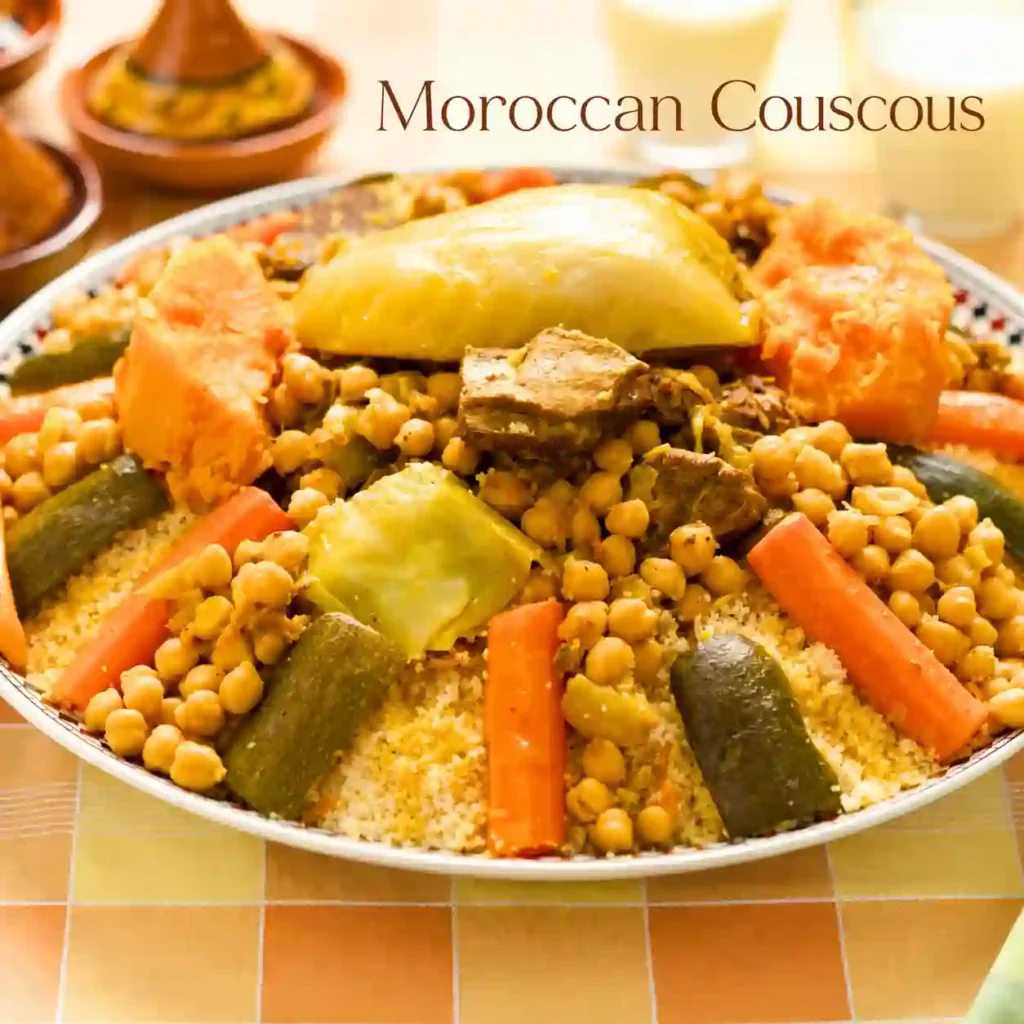
Couscous is one of the most loved dishes in Morocco, and for good reason. It’s light, comforting, full of flavor, and it brings families together every Friday across the country. But there’s a big difference between the couscous you might buy in a box at the store and the real thing made the traditional Moroccan way, steamed slowly, three separate times, until every tiny grain is light and fluffy.
This guide walks you through everything, from the true traditional method to a quick version you can make on a weeknight, plus the spice blend, popular variations, and simple tips so your couscous comes out fluffy every single time instead of sticky or clumpy.
What Is Moroccan Couscous
Couscous is made from semolina, which is a flour milled from durum wheat. The tiny grains are traditionally rolled by hand, then steamed until light and fluffy, and served with a rich, spiced stew of vegetables and meat poured over the top. In Morocco, couscous isn’t just a side dish. It’s often the main event of a Friday family lunch, and it carries real cultural weight as a symbol of sharing and togetherness.
The most famous version is called couscous with seven vegetables, sometimes named Couscous Bidaoui after the Casablanca style. Despite the name, the number of vegetables can vary. Common choices include carrots, pumpkin, zucchini, turnips, cabbage, and chickpeas, all simmered together in a flavorful broth with lamb, beef, or chicken.
Traditional vs. Quick Couscous: What’s the Difference
There are two very different ways to make Moroccan couscous, and it helps to know which one you’re aiming for before you start.
| Method | Time Needed | Result |
|---|---|---|
| Traditional steaming (couscoussier) | About 1 to 2 hours, steamed three times | Extremely light and fluffy, the authentic texture |
| Quick method (boiling water) | About 15 to 20 minutes | Good and tasty, but slightly less fluffy than the traditional method |
If you’re short on time, the quick method still produces a genuinely tasty dish. But if you want to experience couscous the way it’s made in Moroccan homes, the traditional steaming method is worth trying at least once.
Ingredients for Authentic Moroccan Couscous With Seven Vegetables
| Ingredient | Amount |
|---|---|
| Medium couscous | 500g (about 1 pack) |
| Lamb, beef, or chicken, cut into pieces | 500g to 750g |
| Onions, chopped | 2 large |
| Carrots, peeled and halved | 3 to 4 |
| Turnips, peeled and quartered | 2 |
| Zucchini, halved | 2 |
| Cabbage, cut into wedges | A quarter head |
| Pumpkin or squash, cut into chunks | 300g |
| Chickpeas, soaked overnight | 1 cup |
| Tomatoes, chopped | 2 |
| Tomato paste | 1 tablespoon |
| Ginger, turmeric, and black pepper | 1 teaspoon each |
| Saffron threads | A small pinch |
| Fresh cilantro and parsley, tied together | 1 small bunch |
| Olive oil | 3 tablespoons |
| Butter or smen (Moroccan preserved butter) | 2 tablespoons |
| Salt | To taste |
How to Make Traditional Moroccan Couscous
This is the real, slow method used by Moroccan families, using a couscoussier, which is a special two part steaming pot. If you don’t have one, a metal colander set over a pot works as a substitute.
- Start the stew. In the bottom of the couscoussier, heat olive oil and brown the meat with the onions, ginger, turmeric, saffron, salt, and pepper.
- Add the vegetables and water. Add tomatoes, tomato paste, and enough water to cover everything. Bring to a boil, then reduce to a simmer.
- Prepare the couscous grains. While the stew simmers, place dry couscous in a large bowl. Sprinkle with a small amount of water and a teaspoon of salt, then rub the grains between your palms with a little oil to separate them and prevent clumping.
- First steaming. Place the couscous in the top part of the couscoussier over the simmering stew. Once steam rises through the grains, steam for about 10 minutes.
- Fluff and rest. Empty the couscous back into the bowl. Sprinkle with a little cool water and rub it between your hands again to break up any clumps, letting it cool slightly as you work.
- Second steaming. Return the couscous to the steamer and repeat the steaming process for another 10 minutes.
- Add the harder vegetables to the stew. While the couscous steams the second time, add carrots, turnips, and chickpeas to the simmering stew, since these take longer to cook.
- Third steaming and final fluff. Steam the couscous one last time, then transfer it back to the bowl. This time, rub in a tablespoon of butter or smen along with a little more salt, fluffing well until light and separated.
- Finish the stew. Add the quicker cooking vegetables, like zucchini, cabbage, and pumpkin, to the stew during this final stage, and simmer until everything is tender.
- Serve. Mound the fluffy couscous on a large platter, arrange the meat in the center, surround it with the vegetables, and ladle the flavorful broth generously over the top.
Quick Easy Moroccan Couscous Recipe
If you don’t have time for the full traditional method, this version still delivers great flavor in under 30 minutes.
- Sauté the aromatics. Heat olive oil in a saucepan and cook chopped onion, garlic, and your spice blend until fragrant, about 2 minutes.
- Add liquid and bring to a boil. Pour in broth or water using a 1 to 1 ratio with your couscous (for example, 1.5 cups broth for 1.5 cups couscous), then bring it to a boil.
- Add the couscous. Stir in the dry couscous, then immediately remove the pot from the heat.
- Cover and rest. Cover the pot and let it sit for about 5 to 7 minutes, allowing the couscous to fully absorb the liquid.
- Fluff with a fork. Once the liquid is absorbed, fluff the couscous gently with a fork to separate the grains.
- Add your mix ins. Stir in raisins, chickpeas, toasted almonds or pine nuts, and fresh herbs like parsley or mint.
- Serve warm. Enjoy on its own as a side, or top with roasted vegetables, grilled chicken, or a meatball tagine.
The Spice Blend for Moroccan Couscous
A good spice blend is what separates a plain bowl of couscous from something genuinely flavorful. Here’s a simple homemade blend you can use for either method above.
| Spice | Amount |
|---|---|
| Ground cumin | 1 teaspoon |
| Ground ginger | 1 teaspoon |
| Ground turmeric | 1 teaspoon |
| Ground cinnamon | Half a teaspoon |
| Ground black pepper | Half a teaspoon |
| Cayenne pepper (optional, for heat) | A pinch |
| Saffron threads (optional, for color and aroma) | A small pinch |
Toast whole spices briefly in a dry pan before grinding if you want a deeper, more aromatic flavor, then store any extra blend in an airtight container for future use.
Popular Additions and Variations
Couscous is flexible, and different households add their own personal touches. Some of the most popular variations include:
- Sweet couscous with raisins and almonds, a favorite for special occasions, mixing golden raisins, toasted almonds, and a touch of cinnamon into the fluffed grains.
- Vegetarian couscous, skipping the meat entirely and relying on a rich vegetable broth along with chickpeas for protein.
- Chicken couscous, a lighter alternative to lamb or beef, often paired with the same seven vegetable base.
- Couscous Tfaya, topped with a sweet caramelized onion and raisin sauce, often served alongside chicken.
- Simplified stovetop couscous, using broth, herbs, and a handful of add ins for a quick weeknight side dish.
Tips for Fluffy Couscous Every Time
- Don’t drown the couscous. Too much liquid is the most common reason couscous turns out sticky instead of fluffy. Stick close to a 1 to 1 ratio of liquid to couscous for the quick method.
- Always rub in a little oil or butter first. This coats the grains and helps keep them separate as they cook.
- Give it time to rest, covered. Whether steaming or using the quick method, resting time lets the grains fully absorb moisture evenly.
- Fluff with a fork, not a spoon. A fork naturally separates the grains, while a spoon tends to mash them together.
- Rub the grains between your hands if using the traditional method. This breaks up clumps far better than stirring alone.
What to Serve With Moroccan Couscous
Couscous pairs naturally with almost any Moroccan main dish. Some classic pairings include:
- A rich meat and vegetable stew, ladled directly over the couscous
- Grilled or roasted chicken
- A meatball or kefta tagine
- Roasted vegetables tossed in the same warm spice blend
- A simple side salad with tomatoes, cucumber, and fresh herbs
How to Store and Reheat Leftover Couscous
Leftover couscous keeps well in an airtight container in the refrigerator for up to 4 days. If you’re planning to store it in advance, it’s best to leave out fresh herbs like mint or parsley until you’re ready to serve, adding them fresh on top of the reheated leftovers instead. To reheat, sprinkle the couscous with a small splash of water or broth, then warm it gently in a covered pan or microwave, fluffing with a fork once heated through.
Common Mistakes When Making Couscous
- Using too much liquid. This is the single biggest cause of gluey, clumped couscous.
- Skipping the resting step. Removing the lid too early interrupts the steaming process and leaves some grains undercooked.
- Not fluffing enough. A few quick stirs isn’t the same as properly fluffing with a fork, which is what gives couscous its light, separated texture.
- Adding delicate herbs too early. Fresh mint or parsley added before storage can wilt and lose flavor, so it’s better to add them just before serving.
- Giving up after one dense batch. Even experienced cooks sometimes get the ratio wrong on the first try. Adjusting the liquid slightly next time usually fixes it.
Moroccan Couscous vs. Israeli (Pearl) Couscous
These two are often confused, but they’re actually quite different. Moroccan couscous is made of tiny, fine grains of semolina, light enough to steam quickly and fluff easily. Israeli couscous, also called pearl couscous, is made of larger, round pasta shaped pearls that are toasted before cooking, giving it a chewier bite and a nuttier flavor. If a recipe calls for Moroccan couscous, using pearl couscous instead will change both the texture and the cooking time significantly, so it’s worth checking the package before you buy.
How Couscous Is Traditionally Rolled by Hand
In many Moroccan households, especially in rural areas, couscous is still made completely from scratch rather than bought in a box. Semolina flour is mixed with a small amount of water and rolled by hand into tiny grains, a slow, skilled process usually done by the women of the household, often together as a shared, social task. The hand-rolled grains are then sun-dried before being stored or cooked. While most home cooks today rely on store-bought couscous for convenience, this hand-rolling tradition is still practiced and passed down in many families, and it’s considered a mark of real culinary skill.
Moroccan Couscous Nutrition Facts
Couscous is a good source of energy, since it’s primarily made of carbohydrates from durum wheat semolina. A typical serving also provides a modest amount of plant based protein and small amounts of fiber, especially in whole wheat versions. Because a traditional Moroccan couscous meal is loaded with vegetables and chickpeas, the overall dish tends to be well balanced, combining carbohydrates, plant protein, and vitamins from the vegetables all in one plate. Adding lean meat like chicken further rounds out the meal with additional protein.
Where to Buy Authentic Moroccan Couscous
Most grocery stores carry a basic instant couscous, but for a more authentic result, look for these options:
- Middle Eastern or North African grocery stores, which often carry higher quality, less processed couscous.
- Medium grain couscous, labeled specifically for steaming, rather than the very fine instant variety.
- Whole wheat couscous, a slightly heartier option with more fiber, sold in most well stocked supermarkets.
- Moroccan spice shops or online specialty retailers, which sometimes sell traditional hand rolled couscous alongside spice blends.
If you’re in Morocco itself, local markets and grocery stores sell several grades of couscous, and shopkeepers are usually happy to recommend the right one for a specific recipe if you ask.
Best Occasions to Serve Moroccan Couscous
While couscous is most associated with Friday family lunches in Morocco, it also shows up at other important moments. It’s a common dish at weddings and large family gatherings, since it’s easy to prepare in big batches and naturally invites everyone to share from the same large platter. It also appears during religious holidays and celebrations, often dressed up with extra dried fruit, nuts, or a special sauce like the sweet caramelized onion topping used in Couscous Tfaya. Outside of Morocco, it works well as a comforting centerpiece for any dinner where you want to bring people together around one shared dish.
Frequently Asked Questions About Moroccan Couscous
What is Moroccan couscous made of? It’s made from semolina, a flour milled from durum wheat, formed into tiny grains that are traditionally steamed until light and fluffy.
Is couscous the same as pasta? Not exactly. While both are made from durum wheat, couscous is made of tiny steamed grains rather than shaped and boiled dough, giving it a completely different texture.
Is couscous gluten free? No. Since couscous is made from wheat, it contains gluten and isn’t suitable for people avoiding gluten.
How do I keep couscous from being sticky? Stick to a roughly 1 to 1 ratio of liquid to couscous, add a little oil or butter before cooking, and always fluff with a fork rather than stirring heavily.
What vegetables go in traditional Moroccan couscous? The classic seven vegetable version typically includes carrots, turnips, zucchini, cabbage, pumpkin, chickpeas, and onions, though the exact mix varies by household.
Can I make Moroccan couscous vegetarian? Yes. Simply skip the meat and use a well seasoned vegetable broth, relying on chickpeas for protein and heartiness.
Why is couscous traditionally eaten on Fridays in Morocco? Friday is the day of communal prayer in Morocco, and couscous became the traditional dish for the family meal that follows, making it one of the most important weekly traditions in Moroccan households.
Final Thoughts
Moroccan couscous is proof that a humble grain, steamed with patience and topped with a rich, spiced stew, can become one of the most comforting dishes in the world. Whether you take the time for the full traditional method or lean on the quick stovetop version on a busy night, the goal is always the same: light, fluffy grains that soak up every bit of flavor from what’s poured over them.
Taste Real Moroccan Couscous on a Trip With Exploring Morocco Trips
Reading a recipe is one thing, but nothing compares to sitting down to a real Friday couscous meal in Morocco itself, often shared straight from the same large dish with a local family or on one of our tours.
- Morocco desert tours covering the full range of routes and food experiences across the country.
- Marrakech desert tours for travelers starting in Marrakech.
- Fes desert tours for a route through the imperial cities and beyond.
- Ouarzazate desert tours for a shorter path into the south.
- Tangier desert tours for trips starting in the north.
Not sure which route fits your trip best? Check our Morocco itineraries page, or contact us and we’ll help you plan a trip that includes the food experiences you actually want to try.