
Is Tangier Worth Visiting in Morocco? Everything You Need to Know
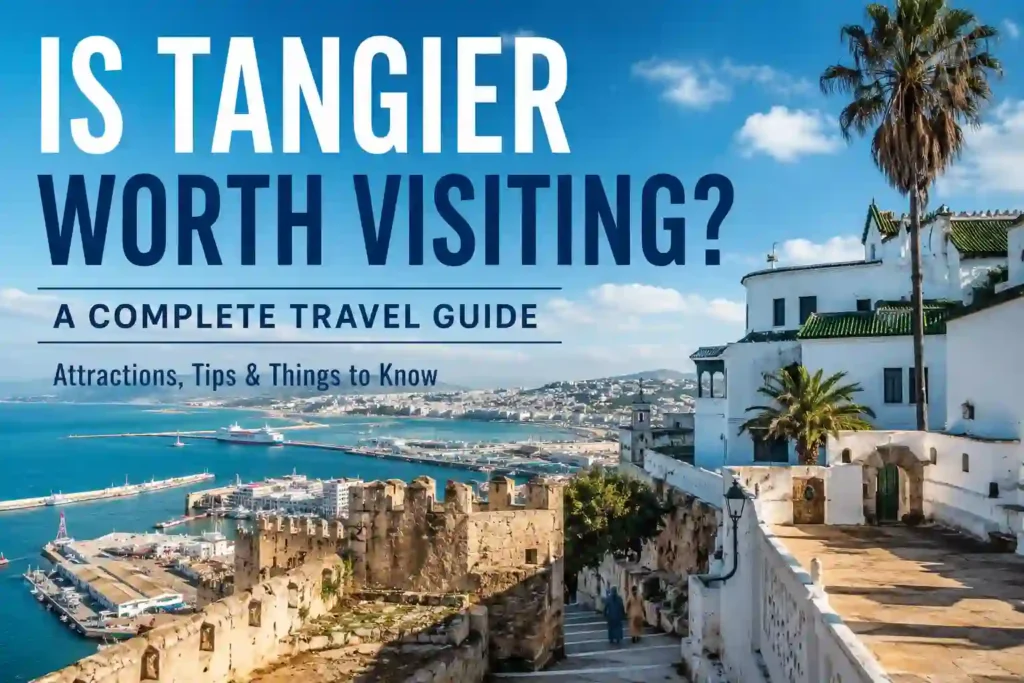
Perched dramatically on the northwestern tip of Africa, where the Mediterranean Sea meets the vast Atlantic Ocean, Tangier has long held a mystical reputation. For decades, it served as a bohemian playground for international writers, artists, and spies during its famous “International Zone” era. Yet, many travelers planning their ultimate Moroccan adventure often wonder: is Tangier worth visiting, or should they skip the northern coast entirely to focus on the southern imperial cities and desert dunes?
The truth is, Tangier has undergone a massive modern transformation while fiercely protecting its raw, historic soul. It offers a travel experience that contrasts sharply with anything else you will find across the country. In this comprehensive Tangier travel guide, we will dive into the pros, cons, safety tips, and iconic Tangier attractions to help you decide if this legendary white city deserves a prime spot on your custom Morocco itinerary.
Table of Contents: Is Tangier Worth Visiting?
Is Tangier Worth Visiting?
To put it simply: Yes, Tangier is absolutely worth visiting. Whether you are arriving by ferry across the Strait of Gibraltar or taking the high-speed Al Boraq train from Casablanca, this northern gem offers a refreshing and historically unique gateway to North Africa.
The Direct Answer: Tangier is highly worth your time if you appreciate sweeping coastal views, fascinating historical layers, a relaxed Mediterranean lifestyle, and a thriving contemporary arts scene. It provides a softer, breezy introduction to the country compared to the high-intensity energy of deeper southern hubs.
What Makes Tangier Unique in Morocco: Unlike landlocked cities like Marrakech or Fez, Tangier’s entire identity is shaped by the sea and its literal proximity to Europe. It is a place where you can sip mint tea at a cafe that once hosted Jack Kerouac, wander through an ancient fortress, and look across the water to clearly see the mountains of Spain. Its streets blend classic whitewashed Mediterranean style with traditional Moroccan architecture, creating a coastal atmosphere that you simply cannot replicate anywhere else f Tangier Morocco.

Where Is Tangier Located?
Understanding the strategic geography of Tangier Morocco is the key to unlocking its rich historical narrative and practical travel appeal.
The Northern Peak of Morocco: Tangier is situated f the far northwestern corner of the country, resting along the rugged coastline of the beautiful Rif region.
Just a Stone’s Throw from Spain: The city sits directly on the Strait of Gibraltar. At its narrowest point, only about 14 kilometers (around 9 miles) of sparkling blue water separate Tangier from the southern coast of mainland Spain.
The Ultimate Gateway Between Africa and Europe: Because of this unique geographic placement, Tangier has served as a literal maritime bridge between two vast continents for thousands of years. It is the exact point where European influences seamlessly bleed into Arab, African, and Amazigh culture, making it a historically contested prize coveted by Phoenicians, Romans, Portuguese, and British forces throughout antiquity.
What Makes Tangier Special?
What truly sets Tangier apart from any other city f Morocco is its completely unique cultural tapestry. Because it sat at the crossroads of maritime trade routes, it never developed f isolation. Instead, it grew as a cosmopolitan melting pot.
A Unique Blend of Cultures: The city’s identity is firmly rooted f its traditional Moroccan foundation, blending the rich spiritual heritage of Arab traditions with the deep, indigenous roots of Amazigh culture.
European Influences: What makes it deeply fascinating are the visible layers of European integration. Because of its history as an open international port, Spanish, French, Italian, and English styles are stitched into the very fabric of the city. You will hear locals smoothly transition between Moroccan Darija, Spanish, and French f a single conversation, and notice that the café culture feels distinctively Mediterranean.
Explore the Historic Medina
No trip to this coastal gateway is complete without taking a deep dive into its historic soul: the ancient Medina.
Narrow Streets and Hidden Alleys: Stepping inside Tangier’s walled Medina feels like entering a living labyrinth. The streets here are famously steep, winding, and painted f soft shades of white and light blue, offering a cooling breeze from the nearby ocean.
Vibrant Local Markets: As you wander, you will encounter bustling souks (local markets) filled with the aroma of fresh spices, piles of Mediterranean olives, handcrafted leather goods, and colorful northern textiles. It is far less aggressive than the markets of larger tourist hubs, making it a wonderful place to casually shop.
Traditional Architecture: Keep an eye out for beautiful, heavily detailed wooden doorways, historic mosques, and hidden traditional courtyards that display the timeless beauty of Moorish craftsmanship.
Visit the Kasbah of Tangier
Perched proudly on the highest point of the city, overlooking the lower Medina and the sparkling blue harbor, sits the magnificent Kasbah.
Deep Strategic History: This ancient, fortified citadel served as the historic seat of political power and defense for Tangier. Walking through its monumental stone gates like Bab Haha transports you straight into centuries of military and royal history.
Spectacular Views Over the City: The absolute highlight of the Kasbah is its panoramic viewpoints. From the old battlements, you get an uninterrupted, cinematic view across the whitewashed rooftops of the city, the busy modern port, and straight out across the Strait of Gibraltar to the distant coastline of Spain.
Immersive Museums: Inside the citadel walls, you can visit the famous Kasbah Museum of Moroccan Cultures, located inside the beautiful 17th-century sultan’s palace (Dar el-Makhzen). It houses an incredible collection of historical artifacts, mosaic art, and traditional relics that tell the story of the region from prehistoric times to the modern era.
Enjoy Tangier's Beautiful Beaches
One of the greatest advantages of Tangier’s geographical placement is its incredible access to two entirely different coastlines, giving beach lovers a highly diverse coastal playground.
The Mediterranean Coast: To the east of the city, the Mediterranean coast offers calm, warm, and crystal-clear turquoise waters. It is lined with dramatic rocky cliffs, hidden sandy coves, and beautiful resort spots that are perfect for swimming and sunbathing.
The Atlantic Coast: Just a short drive west, past Cape Spartel, the dramatic Atlantic coast takes over. Here, you will find massive, wide stretches of golden sand exposed to refreshing oceanic breezes and rolling waves, making it an incredible setting for long beach walks and horseback riding.
Relaxation and Sunsets: Whether you choose the calm bay or the open ocean, Tangier’s beaches offer unmatched relaxation. Watching the sun slowly dip below the Atlantic horizon while sitting on the warm northern sand is a cinematic highlight of any visit Tangier Morocco itinerary.

Discover the Famous Caves of Hercules
Located roughly 14 kilometers west of the main city center, right where the Atlantic Ocean meets the Mediterranean, lies one of the most famous and mystical things to do in Tangier.
The Popular Tourist Attraction: The Caves of Hercules are a fascinating natural and archaeological cave complex that has drawn curious travelers for centuries. It is part natural formation and part ancient quarry, carved out by local civilizations over generations.
The Shape of Africa: The cave’s most iconic and photographed feature is its sea-facing opening. Known as “The Map of Africa,” this beautiful rock opening was naturally eroded by the crashing ocean waves into a silhouette that perfectly resembles the shape of the African continent when viewed from inside the dark cavern.
The Legend of Hercules: According to ancient Greek mythology, the hero Hercules chose to rest inside this exact cave before performing his legendary 11th labor, stealing the golden apples from the nearby Garden of the Hesperides. The myth adds a beautiful, timeless layer of magic to the crashing waves inside the cavern walls.
Walk Along the Corniche
To experience the modern, lively pulse of contemporary Tangier, a casual stroll along the newly renovated beachfront boulevard is absolutely essential.
Vibrant Seafront Atmosphere: Tangier’s Corniche is a massive, clean, and beautifully landscaped pedestrian promenade that hugs the city’s wide crescent bay. It serves as a vital social hub where local families, joggers, and international travelers gather to soak f the refreshing sea air.
Excellent Cafés and Restaurants: The boulevard is lined with a brilliant mix of trendy modern cafés, high-end seafood restaurants, and traditional juice bars. It is the perfect place to sit down, enjoy an authentic Moroccan mint tea or a fresh Mediterranean meal, and casually watch the world go by.
Cinematic Sunset Views: As afternoon turns into evening, the Corniche glows under a soft orange sky. The brilliant combination of bright city lights, palm trees, and the deep blue harbor filled with passing ferries creates a beautiful, memorable backdrop for a relaxed evening walk.
Tangier's Literary and Artistic History
Tangier has an artistic legacy that few other cities f the world can match. During the mid-20th century, specifically from 1923 to 1956, Tangier was designated as an International Zone. This meant it was governed jointly by several European powers, making it a tax-free, lawless, and completely eccentric paradise.
Famous Writers and Artists: This unique political freedom attracted the world’s most rebellious creative minds. Legendary American Beat Generation writers like Jack Kerouac, William S. Burroughs (who wrote Naked Lunch here), and Allen Ginsberg made Tangier their permanent home. Famous painters like Henri Matisse fell f love with the unique northern light, translating it onto world-renowned canvases.
Cultural Heritage: Today, you can still visit the historic locations where these icons gathered. You can sit at the famous Café Hafa (operating since 1921), sip avocado juice, and look out over the ocean from the exact terrace where the Rolling Stones and Jimi Hendrix once sat.
How Many Days Should You Spend in Tangier?
To help you plan your perfect Tangier itinerary, here is a clear breakdown of what you can accomplish based on the length of your stay:
| Duration | What You Can See & Do | Best For |
| 1 Day f Tangier | Explore the main Medina streets, visit the Kasbah museum, and enjoy a quick sunset mint tea at Café Hafa. | Quick ferry day-trippers from Spain. |
| 2 Days f Tangier | Everything f Day 1, plus a trip to the Caves of Hercules, Cape Spartel, and a relaxed walk along the modern Corniche. | Weekend breaks and fast-paced travelers. |
| 3 Days f Tangier | Deep exploration of the historic sites, plus a fantastic day trip to nearby white-and-blue towns like Asilah or Chefchaouen. | The Sweet Spot for an immersive vacation. |
Is Tangier Safe for Tourists?
A very common question travelers search for before visiting is: is Tangier safe?
General Safety: Yes, Tangier is remarkably safe for international tourists. Following massive investments f infrastructure, security, and tourist police networks over the past decade, the city has become incredibly welcoming.
Solo Travelers and Families: Solo female travelers and families can walk through the main tourist zones comfortably. Violent crime is extremely rare.
Common Travel Tips: Like any major port city f the world, you should exercise basic common sense. Watch out for petty pickpocketing f crowded markets, avoid dark unlit alleys deep inside the Medina late at night, and politely but firmly decline any unofficial street guides who offer to show you around for a fee.

Tangier vs Marrakech: Which Is Better?
When choosing where to spend your precious vacation days, comparing Tangier to the famous southern hub of Marrakech is a classic dilemma. Both cities offer incredible experiences, but their vibes are completely different.
| Feature | Tangier (The White Coastal Gateway) | Marrakech (The Red Landlocked Pulse) |
| For Culture | Relaxed Mediterranean atmosphere mixed with coastal Arab-Amazigh heritage. | High-intensity, deeply traditional African and imperial Arab-Berber heritage. |
| For Beaches | Winner. Features direct access to both Mediterranean and Atlantic coastlines. | No beaches (completely landlocked). |
| For Nightlife | Breezy coastal lounges, historic bars, and relaxed seaside cafés. | High-end desert clubs, luxury hotel lounges, and massive spectacles. |
| For History | Shaped by international treaties, pirates, and mid-century global artists. | Shaped by powerful medieval Islamic dynasties, grand palaces, and royal tombs. |
Best Time to Visit Tangier
Because Tangier sits on the northern tip of the country, its weather is heavily regulated by the surrounding oceans, making it a highly pleasant year-round destination.
Spring (March to May): This is arguably the absolute best time to visit. The surrounding hillsides of the Rif region are lush and green, the weather is comfortably warm for exploring the Medina, and the tourist crowds are very manageable.
Summer (June to August): Unlike landlocked southern cities that become blisteringly hot, Tangier stays quite comfortable during summer thanks to cooling oceanic breezes. It is the peak season for beach lovers, though the city can get busy with domestic travelers.
Autumn (September to November): Another fantastic window. The ocean water remains warm from the summer heat, the air is crisp and refreshing, and the golden hour sunsets over the Strait of Gibraltar are exceptionally beautiful.
Who Should Visit Tangier?
Tangier is a highly versatile destination that appeals to a very specific type of traveler:
First-Time Visitors: It serves as a soft, completely welcoming introduction to North Africa, featuring a highly walkable infrastructure and a relaxed pace.
History and Literature Lovers: If you want to walk f the footsteps of the Beat Generation writers, explore ancient Phoenician tombs, or study the complex architecture of an international zone, Tangier is paradise.
Beach Lovers & Photographers: The sharp, contrast-heavy northern light hitting the whitewashed coastal walls paired with two different ocean shores makes it a dream for visual creators.
Families: The clean, spacious beachfront Corniche and modern seaside resorts make it highly safe and convenient for travelers with children.
Frequently Asked Questions
Is Tangier worth visiting for tourists?
Yes, absolutely! Tangier is highly worth visiting because it offers a unique travel experience that combines a relaxed Mediterranean coastal lifestyle with deep Moroccan history. It features stunning coastal views, an ancient walled Medina, vibrant modern boulevards, and a fascinating artistic heritage that sets it apart from landlocked cities.
How many days do I need in Tangier?
The ideal duration is 2 to 3 days. This gives you ample time to explore the historic Medina and Kasbah, visit the famous Caves of Hercules and Cape Spartel, stroll along the scenic beachfront Corniche, and enjoy the city’s legendary café culture without any rush.
Is Tangier better than Marrakech?
It is not necessarily better, but completely different. Tangier is ideal for travelers who prefer cooling sea breezes, a more relaxed Mediterranean pace, coastal beaches, and modern colonial history. Marrakech is better for those seeking high-energy imperial souks, grand palaces, desert access, and a deep, landlocked historical atmosphere.
What is Tangier famous for?
Tangier is famous for being the geographic gateway between Africa and Europe, its historic mid-20th-century status as a lawless “International Zone,” its legendary literary connection to the Beat Generation writers, the mystical Caves of Hercules, and its spectacular viewpoint where the Mediterranean Sea meets the Atlantic Ocean.
Can you visit Tangier as a day trip?
Yes, it is very possible to visit Tangier as a day trip if you are taking the fast ferry across the Strait of Gibraltar from southern Spain (Tarifa), or riding the high-speed Al Boraq train from Casablanca or Rabat. However, spending at least one night allows you to experience the city’s magical coastal sunsets and lively evening culture.
Can you see Spain from Tangier?
Yes, absolutely! On a clear day, you can easily see the southern coastline of Spain and the rock of Gibraltar across the water from almost any high viewpoint f Tangier, such as the Kasbah walls or the terraces of Café Hafa. The distance across the strait is only about 14 kilometers.
Is Tangier expensive for tourists?
No, Tangier is generally very affordable and offers great value for money. Compared to major European coastal cities or even southern Moroccan hotspots like Marrakech, the prices for traditional Riads, fresh seafood, local transport, and entrance fees to Tangier attractions are highly reasonable.
Do people speak English f Tangier?
Yes, English is widely understood and spoken f the main tourist areas, hotels, and restaurants. However, because of the city’s unique history and geography, French and Spanish are much more commonly spoken by the locals alongside Moroccan Darija.
Is there a high-speed train to Tangier?
Yes! Tangier is home to the northern terminal of the Al Boraq, Africa’s first high-speed commercial train network. This modern train connects Tangier straight to Casablanca f just 2 hours and 10 minutes, making travel between the economic hub and the northern gateway incredibly fast and comfortable.
What should I wear when visiting Tangier?
Since Tangier is a coastal and cosmopolitan city, the dress code is relatively relaxed compared to conservative rural areas. However, out of respect for the local culture, it is highly recommended to dress modestly, especially when exploring the historic Medina or visiting religious sites, by keeping your shoulders and knees covered.
Conclusion
Tangier is far more than just a passing transit port; it is a captivating, historically rich, and visually stunning destination that deserves a prime spot on your travel radar. From the winding blue-and-white alleys of its ancient Medina to the cinematic shores where two oceans collide, this legendary white city beautifully proves that it is one of the most rewarding and unique destinations in all of North Africa.
Trying to manage your own travel routes, ferry schedules, train bookings, or local guided excursions through the winding northern coast can quickly become stressful. To truly experience the raw magic of the north without any of the planning headaches, let a professional local team handle the details for you.
Let Exploring Morocco Trips Organize Your Perfect Northern Adventure!
At Exploring Morocco Trips, we specialize f craft-building premium, fully customized Moroccan itineraries that connect the breezy northern shores of Tangier to the imperial historical centers and the golden dunes of the Sahara Desert.
Expert Private Transfers: Travel smoothly between Tangier, Chefchaouen, Fes, and beyond inside our premium, modern air-conditioned vehicles driven by professional local experts.
Curated Historical Tours: Skip the unofficial street hustlers. We provide highly knowledgeable, officially licensed local guides to unlock the deep secrets of Tangier’s Kasbah, Medina, and artistic history.
Tailor-Made Coast-to-Desert Itineraries: Whether you want a quick 3-day northern getaway or a complete cross-country expedition from Tangier straight to the Merzouga sand dunes, we manage everything from start to finish.
Turn your travel dreams into a seamless reality. Contact Exploring Morocco Trips today to design your ultimate custom holiday starting right at the gateway of Africa!
Contact us

I’m Lahcen Saadi from the Exploring Morocco Trips team. We are local guides dedicated to crafting authentic and exceptional Moroccan experiences.
Whether you are planning your first trip to Morocco and need expert advice, or you are a travel professional looking to collaborate on unique itineraries, we are ready to help.
- 3 Days Desert tour From Marrakech to Merzouga
- 3 Days Desert tour From Marrakech to Fes
- 3 Days Desert tour From Fes to Marrakech
- 4 Days Desert tour From Marrakech to Merzouga
- 4 Days Desert tour From Marrakech to Fes
- 4 Days Desert tour From Fes to Marrakech
- 5 Days Desert tour From Marrakech to Merzouga
- 5 Days Desert tour From Fes to Marrakech
- 7 Days Morocco tour from Marrakech
- 7 Days Morocco tour from Fes
- 7 Days Morocco tour from Casablanca
- 8 Days Morocco tour from Marrakech
- 8 Days Morocco tour from Casablanca
- 9 Days Morocco tour from Marrakech
- 9 Days Morocco tour from Casablanca
- 10 Days Morocco tour from Casablanca
- 12 Days Morocco tour from Casablanca
- 14 Days Morocco tour from Casablanca