
Is Fes Worth Visiting? Why This Ancient City Should Be Your Next Adventure
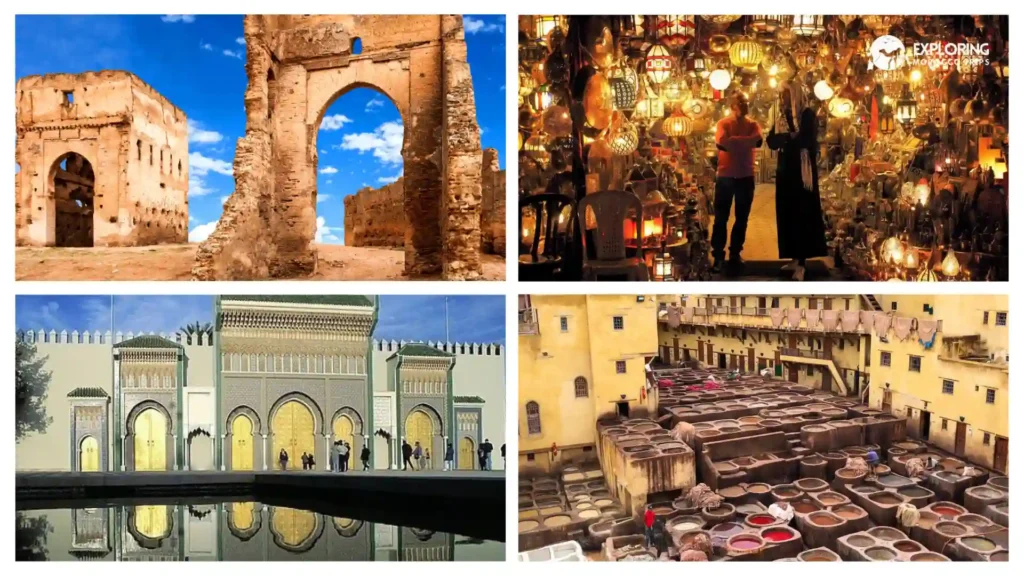
Stepping into Fes is like stepping back through the chapters of a long-lost history book. While many cities have modernized to meet the pace of the current world, Fes remains firmly rooted in its medieval origins. It is not merely a destination; it is an atmosphere, a dense, sensory, and deeply intellectual experience that requires you to slow down and pay attention. If you are asking yourself, is Fes worth visiting, you will find the answer in the city’s ability to pull you into another era.
As the spiritual and cultural heart of Morocco, this imperial city doesn’t reveal itself all at once. Instead, it invites you into its labyrinthine Medina, where the air is thick with the scent of spices, the sound of metalworkers’ hammers, and the quiet resonance of centuries of tradition. Fes is for the traveler who values depth over convenience, offering an authentic glimpse into a lifestyle that has survived and thrived for over a millennium. If you are seeking a journey that challenges your senses and rewards your curiosity, Fes stands as a testament to an enduring past that continues to live a vibrant, daily life.
Table of Contents: Is Fes worth Visiting?
Why Is Fes Famous?
Fes is famous for being the world’s last great medieval city that is still fully alive. Unlike sites that have been turned into museums, Fes is a functioning, breathing organism where history isn’t behind glass: it is happening in the streets every single day.
Its renown is anchored by the University of Al Quaraouiyine, the oldest continuously operating university on earth. This institution established Fes as a global center for theology, science, and philosophy long before many Western universities even existed, cementing its status as the spiritual and intellectual heart of Morocco.
Fes is also legendary for its master artisans. In the souks, craftsmen use techniques unchanged for over a millennium to work with leather, brass, and cedarwood. The rhythmic sound of hammers and the raw, earthy scent of the tanneries create an atmosphere that feels completely untouched by the modern world.
Ultimately, Fes is famous because it demands total immersion. It is a labyrinth that challenges and rewards the curious, offering a rare, authentic connection to the past. People come here not to sightsee, but to witness a way of life that values human skill and history above the speed of the modern age.
What Makes Fes Different from Marrakech?
If Marrakech is a vibrant, neon-lit theater stage, Fes is a profound, dusty library full of ancient scrolls. The difference isn’t just aesthetic; it’s an entirely different way of existing.
To understand the core personality of these two cities, here is how they compare across the experiences that define your journey:
| Feature | Marrakech | Fes |
| Primary Energy | Flamboyant, theatrical, high-octane. | Reserved, introspective, intellectual. |
| The Medina | Open, wide, easy to navigate. | Dense, labyrinthine, a medieval puzzle. |
| Visitor Vibe | “Soft landing,” tourist-friendly, polished. | Authentic, raw, challenging, unfiltered. |
| Urban Life | A performance for the audience. | A private, functioning, daily ritual. |
| The “Heart” | The frenetic Jemaa el-Fnaa square. | The quiet courtyard and the scholar’s desk. |
| Your Role | A spectator watching a spectacle. | A participant in a living ecosystem. |
The Spectacle vs. The Secret
Marrakech is designed to be seen. It wants your attention, offering wide plazas, loud markets, and a tourist infrastructure that makes everything accessible. It feels like a city that is constantly performing for its visitors.
Fes, however, hides its treasures. It demands that you work for your discoveries. You won’t find wide boulevards; you will find narrow, car-free alleys that force you to slow down. While Marrakech invites you to watch from a café, Fes invites you to step through an unassuming door into a hidden world that has remained unchanged for centuries.
A Tale of Two Paces
In Marrakech, the rhythm is dictated by the pulse of the crowd. It is a city that thrives on noise, color, and constant interaction. In Fes, the pace is dictated by the history ingrained in the stone. It is a place for the “old soul” traveler someone who prefers the soft clatter of donkey hooves over the hum of motorbikes, and the quiet intimacy of a mint tea in a shaded riad over the bustle of a crowded square.

The History and Culture of Fes
To understand the culture of Fes, you must look at it as a layered manuscript. Each century has left a mark, not in ruins, but in the living habits of its people. Fes is not a city that remembers its history, it is a city that still inhabits it.
Here is a breakdown of the pillars that support the identity of Fes:
| Pillar | Historical Significance | Cultural Impact Today |
| The Idrisid Legacy | Founded as a sanctuary for those fleeing the East in 789 CE. | Created a deeply pious and tradition-bound social fabric. |
| Andalusian Influence | Waves of refugees brought sophisticated architecture and urban design. | Reflected in the intricate, hidden courtyards and tiled fountains. |
| The Marinid Era | Established the city as the primary intellectual powerhouse of the region. | Gave us the stunning madrasas (colleges) that define the skyline. |
| Trade Guilds | Medieval-style organization of leather, metal, and spice markets. | Ensures that local craftsmanship remains the city’s economic engine. |
The Scholarly Soul
Fes has always been the “Mecca of the West.” Unlike other imperial capitals that focused solely on military power, Fes prioritized the mind. The culture here is deeply intellectual; it is rooted in the belief that knowledge, theology, and philosophy are the true measures of a city’s status. This heritage is why you will find a level of quiet dignity and formal hospitality in Fes that differs from the more commercially driven interactions found in other tourist hubs.
A Culture of Privacy
The defining cultural trait of Fes is its devotion to privacy. In the West, we are used to open-plan living and visible facades. In Fes, the culture is “inward-facing.” The massive, plain exterior walls of the houses are designed to protect the family’s inner life. The true beauty of Fes—the carved cedarwood, the colorful zellij mosaics, and the peaceful gardens: is hidden from the public eye. You have to be invited or go deep into the private realms of a riad to truly see the heart of Fes culture. It is a society that values what is inside over what is on display.
Best Things to Do in Fes
Fes is not a city you see by checking items off a list; it is a city you feel by submerging yourself in its rhythm. The most rewarding experiences here happen when you stop trying to navigate and start letting the city guide you.
The Immersion Essentials
Lose Yourself in the Medina: Fes el-Bali is the world’s largest car-free urban space. Walking through its 9,000+ alleys is an exploration of layers. You will pass by donkey-led carts, communal bakeries where locals bake their daily bread, and hidden craft workshops that have been in the same families for centuries.
Stay in a Traditional Riad: The true character of Fes is kept behind high, unassuming walls. By staying in a restored riad, you experience the city’s architectural genius, a home built around a central, tranquil courtyard, providing a silent, fountain-cooled escape from the vibrant chaos of the streets outside.
Master the Art of the Hammam: A visit to a local hammam is a deep-seated cultural ritual. Whether you choose a traditional neighborhood bathhouse or a refined, private spa within a riad, the process of scrubbing and steaming is the ultimate way to reset your senses after a long day of navigating the maze.
Sunset at the Marinid Tombs: For the best perspective on the scale of the city, hike up to the ruins of the Marinid Tombs on the hill overlooking the Medina. Arriving at dusk offers a panoramic view of the ancient walls glowing in the golden hour, providing the perfect vantage point to appreciate how the city is nestled into the surrounding landscape.
Join a Traditional Cooking Class: Fes is the culinary heart of Morocco. Many local workshops begin with a walk through the fresh produce souks, followed by hands-on instruction in a rooftop kitchen. Learning to balance the spices of a tagine or the delicate layers of a pastilla provides a window into Moroccan hospitality that you cannot get just by dining out.
Visit the Jnan Sbil Gardens: When the intensity of the Medina becomes overwhelming, this lush, tree-lined oasis serves as the city’s “pause button.” It is a peaceful, well-maintained space that offers a quiet contrast to the dusty, narrow streets just outside its gates.
Exploring the Ancient Medina of Fes
The Medina of Fes is not just a historic site; it is the largest and most complex car-free urban environment in the world. Walking through it feels like traversing a living, breathing map of the Middle Ages. Because the streets are too narrow for modern traffic, the city operates on its own ancient pulse, where the primary rhythm is set by the sound of footsteps and the occasional cry of “balak!” as a mule passes by carrying goods.
The Anatomy of the Labyrinth
| Feature | The Experience |
| The Souks | A sensory overload of raw leather, hammered copper, and aromatic spice mounds. |
| The Architecture | Endless walls of ochre mud-brick punctuated by massive, intricate cedar doors. |
| The Soundscape | A mix of prayer calls, metallic tapping, and the low hum of local conversation. |
| The Navigation | A deliberate challenge—GPS is useless here; you must rely on landmarks and intuition. |
| The Hidden Life | The constant contrast between the public, dusty alleys and the quiet, tiled courtyards. |
The Strategy for Discovery
Embrace the “Lost” Moment: The Medina is intentionally designed to be disorienting. If you fight the maze, you will become frustrated. If you lean into the disorientation, you will find the hidden artisans, the neighborhood communal ovens, and the tiny, forgotten squares that don’t appear on any tourist map.
Observe the Neighborhood Clusters: The Medina is organized by trade. You will find yourself in the “Dyers’ Souk” where vibrant skeins of wool hang to dry, then transition into the “Brass District” where the air vibrates with the sound of hammering. Paying attention to these shifts is the best way to orient yourself.
Look Up: While your feet are busy navigating the uneven stones, your eyes should be scanning the details above. Many of the most beautiful architectural details, the intricate carved plaster, the delicate wood lattices, and the geometric tile work are situated high on the walls, often ignored by the busy crowds below.
Engage with the “Gatekeepers”: The city’s gates are not just entry points; they are the transition zones between the modern world and the medieval interior. Each gate, from the ornate and famous to the small and forgotten, marks a shift in the local neighborhood’s character.

Top Attractions in Fes
In Fes, the most significant landmarks are not just spots for a photo; they are the pillars that hold up the city’s identity. These three locations offer a deep dive into the religion, industry, and history that have defined this region for centuries.
| Landmark | Why It Matters | The Experience |
| Al Quaraouiyine University | The world’s oldest degree-granting institution. | You can glimpse the stunning courtyard architecture and feel the weight of centuries of scholarship. |
| Chouara Tannery | The iconic, centuries-old center of leather production. | A visceral, unforgettable sight of multi-colored dye pits that has remained unchanged since the Middle Ages. |
| Bab Bou Jeloud | The grand, iconic “Blue Gate” of the Medina. | The ultimate transition point where the modern city ends and the medieval labyrinth begins. |
Al Quaraouiyine University
Founded in 859 CE, this is the intellectual soul of the city. While non-Muslims cannot enter the prayer hall, peering through the open doors is enough to understand its majesty. The intricate carvings, the massive chandelier, and the quiet devotion of those inside provide a window into a history that shaped philosophy and science long before the Renaissance. It is the silent heartbeat of Fes.
Chouara Tannery
This is the most famous, and certainly the most intense, sight in the city. From the surrounding terraces, you look down into a honeycomb of stone vessels filled with vibrant natural dyes, saffron, poppy, and indigo. The air here carries the strong, raw scent of the trade, a reminder that Fes is a place where things are still made by hand, not by machines. It is raw, industrial, and deeply authentic.
Bab Bou Jeloud
You haven’t truly arrived in Fes until you pass through the “Blue Gate.” On one side, it is adorned with the iconic deep blue tiles of Fes; on the other, it displays the green of Islam. It is the perfect threshold, stepping through its arches is a psychological shift. You leave behind the noise and traffic of the modern world and emerge into the narrow, winding veins of the ancient city. It is the most beautiful landmark for orienting yourself and marking the beginning of every adventure.
Best Desert Tours from Fes to Marrakech
The trip from the spiritual heart of Fes to the vibrant energy of Marrakech is one of Morocco’s most iconic travel experiences. Crossing the Middle Atlas, the Ziz Valley, and the golden dunes of the Sahara is not just a transfer, it is a transformation of landscape. To make this transition seamless, we highly recommend booking your adventure with Exploring Morocco Trips. Their expertise ensures that the long drives are punctuated by meaningful cultural encounters rather than just miles on the road.
Choosing the right duration depends on how deeply you wish to immerse yourself in the desert silence versus how quickly you want to reach the Red City.
Choosing Your Desert trip
| Duration | Best For | What to Expect |
| 3 days tour from Fes to Marrakech | Efficiency | The “classic” route. Fast-paced, focusing on the essential highlights of Merzouga and the Gorges. |
| 4 days tour from Fes to Marrakech | Balance | A more relaxed pace with extra time to explore desert villages and local markets. |
| 5 days tour from Fes to Marrakech | In-depth | Plenty of time for off-road desert exploration, nomad family visits, and deeper cultural insight. |
| 6 days tour from Fes to Marrakech | Immersion | A slow-travel approach that includes more hiking, local workshops, and scenic downtime. |
| 7 days Morocco tour | Luxury of Time | The ultimate experience; complete flexibility to linger in palm groves, kasbahs, and mountain hideaways. |
Why Book Your Tour with Exploring Morocco Trips?
While the landscapes are spectacular, the logistics of navigating the Atlas Mountains and the Sahara require local insight. Exploring Morocco Trips removes the stress of planning, providing:
Expert Local Guides: Navigate the desert safely with drivers who know the hidden tracks and the best-kept local secrets.
Curated Accommodations: From authentic, high-end desert camps to traditional riads, they ensure your comfort after a day in the dunes.
Tailored Itineraries: Whether you choose a 3 days desert trip from Fes to Marrakech or a comprehensive 7 days tour from Fes, they customize the experience to match your pace.
Cultural Connection: They bridge the gap between the tourist route and the real Morocco, facilitating genuine interactions with local Berber communities.

Traditional Food and Local Experiences in Fes
In Fes, eating is not merely a biological necessity; it is a profound cultural ritual. The city serves as the culinary heartbeat of Morocco, where recipes are not pulled from a book but passed down through generations of intuition. To truly understand Fes, you must move beyond the tourist-menu restaurants and follow the scent of charcoal and slow-cooked spices.
A Culinary Map of Fes
| Dish | The Experience | Why It’s Unique |
| Pastilla | A sweet and savory pie of shredded chicken, almonds, and cinnamon. | It perfectly captures the complex, Andalusian-influenced history of Fes. |
| Khlii | Preserved meat (confit) dried in olive oil and animal fat. | A traditional staple that tastes like a soft, savory, and deep-flavored beef jerky. |
| Bissara | A hearty, velvety fava bean soup served with olive oil and cumin. | The ultimate “street soul food” that fuels locals on cool mornings. |
| Tagine | Slow-cooked meat and seasonal vegetables in a clay pot over embers. | The clay vessel preserves moisture and depth, creating butter-soft textures. |
| Mint Tea | Fresh mint leaves, gunpowder tea, and generous amounts of sugar. | It is the social lubricant of the city, served everywhere as an invitation to rest. |
Beyond the Tagine: Immersive Local Experiences
The Communal Oven (Ferran): Every neighborhood in the Medina has a communal wood-fired oven. Watching locals drop off trays of dough in the morning or bring back clay pots filled with slow-roasting meat is the best way to witness the city’s living social fabric.
The Ritual of Mint Tea: In Fes, tea is not a quick drink; it is a ceremony. It is poured from a height to create a frothy crown in the glass. Accepting an invitation for tea is a genuine gesture of hospitality, and taking the time to sit, sip, and converse is a quintessential Fessi experience.
Hands-On Culinary Workshops: Many local families in the Medina offer private cooking classes. These aren’t just tutorials; they are invitations into private homes. You will learn how to balance the spice blends, how to hand-shape the semolina, and the unspoken rules of Moroccan home-style cooking.
The Night Market Atmosphere: When evening falls, the edges of the Medina transform. Seek out the small, nameless stalls where locals queue for Msemen (flaky, pan-fried bread) or grilled skewers. The quality of food here is determined by the length of the queue and the heat of the griddle, offering a raw, authentic taste of the city’s daily rhythm.
Is Fes Safe for Tourists?
Fes is generally a safe city for travelers, provided you approach it with the same common sense you would use in any major global destination. Violent crime against tourists is extremely rare, and the city’s security forces are highly active, especially in popular tourist zones. The main challenges you are likely to face involve petty annoyances, not personal threats.
The Reality of the Medina
While the ancient Medina (Fes el-Bali) is safe, its labyrinthine nature can be intimidating for newcomers. Because the alleyways are narrow, unlit at night, and intentionally confusing, it is easy to feel vulnerable. The most common issues aren’t criminal, but rather social, specifically, the persistence of “unofficial guides” who may offer unwanted help or direction.
| Safety Concern | What You Should Know | Best Approach |
| Street Hustles | Unofficial guides offering “help” or directions. | Firmly say “No, thank you” and keep walking. Do not engage. |
| Pickpocketing | Can occur in crowded, dense market areas. | Keep bags in front of you; avoid displaying large amounts of cash. |
| Getting Lost | Easy to happen; can feel unsafe in dark, dead-end alleys. | Use landmarks, download offline maps, and stay on main paths after dark. |
| Photography | Taking photos of people without permission. | Always ask first; some locals consider it disrespectful or intrusive. |
Practical Safety Essentials
Book Through Official Channels: If you want a guide, book one through your Riad or an official tourism office. They will provide a licensed guide who wears an official brass badge. Avoid anyone who approaches you on the street claiming to be an “expert.”
The “No” Power: You do not need to be polite to the point of compromise. If someone is being pushy, a firm, repeated “No” is your most effective tool. If they persist, mentioning that you are heading to the police often ends the interaction immediately.
Dress with Respect: Fes is more conservative than some other Moroccan cities. Dressing modestly, covering shoulders and knees, is not just about cultural respect; it significantly reduces unwanted attention.
Stay in Established Areas: If you are a first-time visitor, try to stay within well-known areas like Batha or near Bab Bou Jeloud. These areas are better lit, more populated, and closer to transport hubs.
Nighttime Awareness: While the main streets are lively, walking deep into the Medina’s narrow, unlit residential alleys alone at night is not recommended. Stick to busy, well-lit thoroughfares or take a taxi to the nearest gate of your Riad.
Ultimately, Fes is a place that rewards confidence. By staying alert, being clear with your boundaries, and respecting local customs, you can navigate the city’s intensity with complete peace of mind.

Best Time to Visit Fes
Fes is a city defined by its climate, a place where the intense summer heat and the crisp, cool winters dictate the rhythm of life in the Medina. Choosing when to visit depends entirely on whether you prefer to navigate the labyrinth in temperate bliss or experience the raw, quiet solitude of the off-season.
| Season | Best For | What to Expect |
| Spring (Mar–May) | Ideal exploration | Mild, pleasant days, blossoming gardens, and lush greenery. |
| Autumn (Sep–Nov) | Photography & Culture | Crisp air, perfect sightseeing weather, and local harvest festivities. |
| Winter (Dec–Feb) | Solitude & Budget | Cool, rainy days; very few crowds; cozy, fireplace-lit Riad evenings. |
| Summer (Jun–Aug) | Early Risers | Intense, dry heat; vibrant evening street life; lower hotel prices. |
The Golden Windows: Spring and Autumn
For most travelers, the “Golden Windows” of March to May and September to November are the undisputed best times to visit. During these months, the temperatures are moderate, allowing you to walk for hours through the winding alleys without the physical exhaustion of extreme heat. Spring brings the blooming of orange blossoms and jasmine in the city’s courtyards, while autumn offers a unique, golden light that makes the ochre walls of the Medina particularly photogenic.
Navigating the Extremes
If you visit during the summer months, be prepared for an intense, dry heat that can see midday temperatures soar well above 35°C (95°F). The city slows down significantly during the afternoon, which is actually a blessing, it encourages you to adopt the local habit of resting during the hottest hours and venturing out only in the cooler, early mornings or late, vibrant evenings.
Conversely, winter is the city’s secret. While it can be chilly and prone to occasional rain, the crowds vanish completely. You get the Medina almost to yourself, and there is something uniquely atmospheric about sipping hot tea in a traditional, heated Riad while the cool rain falls softly on the stone tiles outside. It is the best time for a truly intimate, reflective experience of Fes.
How Many Days Do You Need in Fes?
Fes is not a city to be rushed. Because its charm lies in its hidden details and slow-paced immersion, the length of your stay will dictate how much of its soul you actually touch.
| Stay Duration | Travel Style | Focus |
| 1 Day | The “Snapshot” | Essential highlights and a quick walk through the Medina. |
| 2 Days | The “Well-Paced” | A comfortable exploration of history, crafts, and key landmarks. |
| 3 Days | The “Immersive” | The recommended balance: sights, deep local culture, and relaxation. |
| 4+ Days | The “Deep Dive” | Slow travel, artisan workshops, and regional day trips. |
Why 3 Days is the Sweet Spot
For most travelers, three days is the ideal amount of time. It allows you to move beyond the tourist surface without feeling overwhelmed. Your first day is usually spent getting oriented in the maze of Fes el-Bali, your second day lets you explore the “New City” (Ville Nouvelle) and royal sites at a calmer pace, and your third day provides the flexibility to join a cooking class, visit a traditional hammam, or simply get lost in the areas that interest you most.
When to Extend Your Stay
If you are the type of traveler who prefers to linger in cafés, learn a craft, or explore the surrounding landscapes, Fes is a perfect base. With four or more days, you can take a day trip to explore the ancient Roman ruins nearby or enjoy the scenic beauty of the surrounding hills. Fes is a city that requires time to peel back its layers; the longer you stay, the more the city transitions from a confusing labyrinth into a familiar, welcoming home.
Pros and Cons of Visiting Fes
Fes is a city of extremes. It is deeply rewarding for the curious traveler but can be jarring for those expecting a sanitized vacation. Weighing these realities will help you prepare for the unique rhythm of the city.
| Pros | Cons |
| Unrivaled Authenticity | Living medieval history, not a staged museum. |
| Deep Cultural Immersion | Witness centuries-old crafts and daily rituals. |
| Architectural Depth | Incredible hidden riads, madrasas, and gates. |
| Value for Money | Generally more affordable than major Western hubs. |
| Artisan Masterclass | Direct access to world-class leather, metal, and wood work. |
The Balancing Act
The “pros” of Fes are essentially the flip side of its “cons.” You cannot have the raw, unscripted experience of a functioning medieval city without also dealing with the lack of modern signs, the confusion of the maze, and the intensity of the sensory environment.
Those who love Fes often value the challenge; they enjoy the fact that the city doesn’t go out of its way to cater to them. It is a place that demands effort, to learn the layout, to engage with the artisans, and to respect the privacy of the locals. If you are looking for a relaxing, predictable resort experience, the “cons” might outweigh the “pros.” However, if you are looking to be challenged, inspired, and truly immersed in a culture that has resisted the pull of modern convenience for over a thousand years, the “pros” make Fes an experience you will not find anywhere else on earth.
Who Should Visit Fes?
Fes is not for everyone, and that is precisely its greatest strength. It is a destination that demands presence, patience, and a genuine thirst for discovery. Whether Fes is “for you” depends entirely on what you are seeking from your travels.
| Traveler Profile | Why Fes Fits Them |
| The History Enthusiast | You will find yourself walking through a living medieval timeline that is unmatched anywhere else in the world. |
| The Cultural Immersionist | You prefer to engage with local artisans, learn traditional crafts, and witness daily life instead of just “sightseeing.” |
| The “Old Soul” Traveler | You value quiet, intimate moments, intricate architecture, and a slower, more deliberate pace of life. |
| The Culinary Adventurer | You see food as a gateway to culture and want to experience authentic Moroccan recipes passed down through generations. |
| The Photographer/Artist | The play of light in the Medina, the vibrant colors of the tanneries, and the geometric precision of the zellij tiles offer endless inspiration. |
Who Might Want to Look Elsewhere?
If your priority is a polished, “soft-landing” vacation where every interaction is curated for your comfort, Fes may feel challenging. This city does not cater to the passive observer; it requires you to be an active participant.
Those who prefer predictable luxury, wide-open spaces, a fast-paced nightlife, or a frictionless travel experience, where you can walk down a street without being approached, might find the intensity of the Medina exhausting rather than exhilarating. Fes is for the traveler who finds beauty in the struggle of navigation, rewards in the hidden corners of a maze, and depth in the raw, unscripted reality of a city that refuses to change its soul for the sake of tourism.
Fes Travel Tips for First-Time Visitors
Navigating Fes is an art form. Because the city operates on an ancient, non-linear rhythm, the rules here are different from any other destination. To make your transition seamless, keep these essential practices in mind.
| Category | Practical Advice |
| Navigation | Download offline maps (like Maps.me) before you arrive. Use major landmarks—like the “Blue Gate” (Bab Bou Jeloud)—to orient yourself. |
| Street Etiquette | Be polite but firm. If a stranger offers unsolicited directions, say “No, thank you” and keep walking without breaking your stride. |
| Cultural Norms | Always use your right hand for eating, shaking hands, and handling money. Dress modestly by keeping shoulders and knees covered. |
| The “Lost” Strategy | When you feel truly disoriented, follow the flow of people downhill to find major exits or ask a shopkeeper (not a street loiterer) for help. |
| Photography | Always ask “Mumkin taswira?” (Is a photo possible?) before photographing locals. Never photograph religious ceremonies or people without permission. |
The Golden Rules for a Smooth Experience
Hire a Guide for Day One: Do not attempt to navigate the deepest parts of the Medina on your own during your first 24 hours. A licensed guide, booked through your riad or an official tourism office, will help you understand the layout, the history, and the social boundaries of the souks.
The Power of Confidence: Walking with purpose is your best defense against unwanted attention. If you look like you know exactly where you are going, you are far less likely to be approached by “unofficial” guides.
Master the “No”: You will be approached often. A firm, polite, but unwavering “La, shukran” (No, thank you) is the most effective way to maintain your space. You do not need to engage in conversation to be polite; a simple nod and keep-moving approach is culturally acceptable.
Mind Your Belongings: In the densely packed, buzzing streets of the Medina, keep your bag in front of you. Carry only the cash you need for the day and leave your valuables in the secure safe at your riad.
Respect the Sacred: Mosques in Fes are generally closed to non-Muslims. Admire the breathtaking architecture, the intricate tile work, and the massive cedar doors from the street. It is a sign of deep respect to avoid peering too deeply into prayer halls.
Is Fes Worth Visiting? Final Verdict
To answer the question definitively: Yes, Fes is absolutely worth visiting, but only if you are willing to embrace a travel experience that is raw, challenging, and profoundly authentic.
Fes does not offer a sanitized, “easy” vacation. It does not wait for you to arrive with open arms and comfortable amenities. Instead, it offers something much rarer: a living, breathing connection to a medieval world that has resisted the homogenizing forces of modern globalization.
The Verdict: Why It Stays With You
You should visit Fes if you are a traveler who values substance over spectacle. While other destinations might offer the ease of a resort or the convenience of a modern city, Fes offers an intellectual and sensory journey that forces you to engage with the world in a different way.
It is an Open-Air Archive: You are not walking through a museum where history is behind glass; you are walking through the actual streets where history is still being lived, crafted, and debated.
It is a Masterclass in Craft: You will witness artisans who are the last of their kind, keeping ancient techniques for leather, metal, and wood alive.
It is a Test of Character: The Medina will challenge your sense of direction, your patience, and your boundaries. Those who succeed in navigating its labyrinthine alleys find a sense of accomplishment that a “curated” tour can never provide.
Final Thought
Fes is a city that requires effort, but it pays back that investment with moments of pure, unfiltered beauty, the hidden courtyard of a centuries-old riad, the sudden, rhythmic chime of brass in the souks, and the profound silence of a madrasa floor. If you want a vacation that stays with you long after you have returned home, a trip that challenges your perspective and deepens your appreciation for the complexities of the human story, then Fes is not just worth visiting; it is essential.
It is a place for the curious, the bold, and the patient. If you approach it with an open mind and a willingness to get lost, Fes will not just be a destination on your list; it will become a memory that shapes your understanding of what travel can truly be. To ensure your experience is both authentic and seamless, we recommend booking your journey with “Exploring Morocco Trips.” They bridge the gap between the challenge of the labyrinth and the comfort of expert local knowledge, ensuring you navigate the city’s depths with confidence.

I’m Lahcen Saadi from the Exploring Morocco Trips team. We are local guides dedicated to crafting authentic and exceptional Moroccan experiences.
Whether you are planning your first trip to Morocco and need expert advice, or you are a travel professional looking to collaborate on unique itineraries, we are ready to help.
- 3 Days Desert tour From Marrakech to Merzouga
- 3 Days Desert tour From Marrakech to Fes
- 3 Days Desert tour From Fes to Marrakech
- 4 Days Desert tour From Marrakech to Merzouga
- 4 Days Desert tour From Marrakech to Fes
- 4 Days Desert tour From Fes to Marrakech
- 5 Days Desert tour From Marrakech to Merzouga
- 5 Days Desert tour From Fes to Marrakech
- 7 Days Morocco tour from Marrakech
- 7 Days Morocco tour from Fes
- 7 Days Morocco tour from Casablanca
- 8 Days Morocco tour from Marrakech
- 8 Days Morocco tour from Casablanca
- 9 Days Morocco tour from Marrakech
- 9 Days Morocco tour from Casablanca
- 10 Days Morocco tour from Casablanca
- 12 Days Morocco tour from Casablanca
- 14 Days Morocco tour from Casablanca