
Travel to Morocco in January: A Complete Winter Guide
If you are planning to travel to Morocco in January, you are choosing one of the most underrated months for exploration. Unlike the crowded and scorching summer months, January provides a crisp atmosphere with manageable temperatures that are perfect for sightseeing.
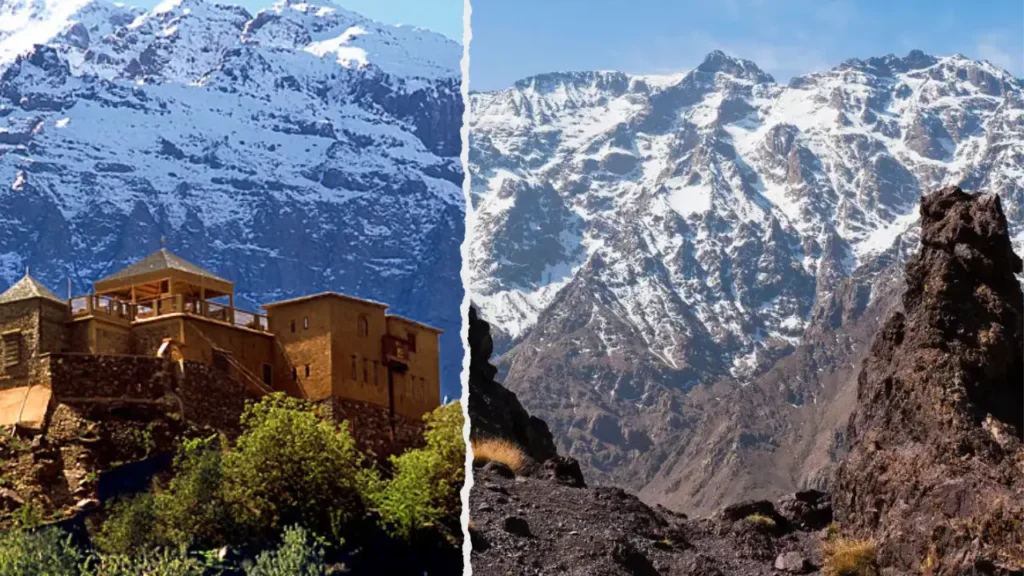
While the mountain peaks are covered in snow, the cities and desert plains enjoy bright, sunny days and clear blue skies. This guide breaks down the essential weather tips, cultural highlights, and unique winter activities that make January a standout time for a Moroccan adventure.
Table of Contents: Travel to Morocco in January
The Weather Reality: A Land of Three Seasons
When you travel to Morocco in January, you aren’t just visiting one climate; you are visiting three. Because of the country’s diverse topography, your packing list needs to be versatile.
| Region | Daytime Temp | Nighttime Temp | What to Expect |
| Atlantic Coast (Casablanca, Agadir) | 17°C – 22°C | 9°C – 12°C | Mild, sunny, and slightly damp. |
| Inland Cities (Marrakech, Fes) | 16°C – 20°C | 3°C – 7°C | Crisp blue skies by day; freezing nights. |
| High Atlas Mountains | 0°C – 10°C | -5°C – 0°C | Snow-capped peaks and active ski resorts. |
| Sahara Desert | 15°C – 20°C | 0°C – 5°C | Soft golden sun; sharp nighttime drops. |
Unique January Cultural Highlights
While many tourists visit for the landmarks, January offers specific cultural windows that are often overlooked:
1. Yennayer: The Amazigh New Year
On January 14, Morocco celebrates the Amazigh (Berber) New Year, known as Yennayer. This is a profound cultural event marking the start of the agricultural calendar. In rural villages and even in cities like Agadir, you can find traditional “Tagola” (a corn-based porridge) being served. It is a time of communal joy and a great opportunity to see traditional Berber costumes and music.
2. The Manifesto of Independence Day
January 11 is a national holiday commemorating the 1944 Manifesto of Independence. While most shops remain open, you’ll see an increase in national pride, flags, and local celebrations in the larger cities like Rabat and Casablanca.
3. Football Fever: Africa Cup of Nations
In January 2026, Morocco took center stage as a powerhouse in the Africa Cup of Nations, winning the final against Senegal. The energy in local cafes during these winter months is electric. Watching a match with locals over a hot glass of mint tea is a must-do experience for any sports fan.
Winter Activities You Can’t Do in Summer
Travel to Morocco in January allows for activities that are physically impossible during the scorching summer months.
- Skiing at Oukaïmeden: Located just 80km from Marrakech, this is Africa’s highest ski resort. You can literally be in the desert one day and skiing on snow-dusted slopes the next.
- The “Swiss” Experience in Ifrane: Known as the “Switzerland of Morocco,” Ifrane features alpine architecture and cedar forests that are often covered in snow in January. It is the perfect spot for a winter hike to see the Barbary macaque monkeys.
- Stargazing in the Sahara: Because the winter air is crisp and clear with low humidity, the visibility for stargazing in Merzouga or Zagora is at its peak. The Milky Way is often visible to the naked eye.
Seasonal Winter Gastronomy
Food in Morocco changes with the seasons. In January, you should look for:
- Citrus Season: The Souss-Massa region is in full harvest. You will find the sweetest clementines, mandarins, and navel oranges for pennies in the medina squares.
- Bissara: This is the ultimate Moroccan winter comfort food. A thick, creamy soup made from dried fava beans (or peas), topped with a swirl of olive oil, cumin, and chili. It is traditionally eaten for breakfast to keep warm.
- Harira with Dates: While served year-round, this hearty lentil and tomato soup is particularly satisfying when the sun sets and the desert air turns cold.
Strategic Tips for Your Trip
- Book Riads with Heating: Traditional Moroccan houses (riads) are designed to stay cool in the summer, which means they can be very cold in January. Always confirm your accommodation has modern heating or a fireplace.
- Layers are Vital: You will start the day in a heavy coat, move to a T-shirt by 2:00 PM, and be back in a sweater by 6:00 PM.
- Take Advantage of the “Off-Season”: Aside from the first few days of the year, tourism drops significantly mid-month. You can often secure luxury riads and private tours for 30-40% less than the spring or autumn prices.
Travel to Morocco in January is for the traveler who prefers silence over shouting, cool breezes over heatwaves, and a deep, authentic connection to a culture that truly comes alive when the crowds fade away.
Winter Wellness: The Hammam Ritual
When the January air turns chilly, there is no better refuge than a traditional Moroccan Hammam. While popular year-round, the experience is profoundly different in winter. The word hammam translates to “spreader of warmth,” and in the heart of winter, these steam-filled sanctuaries become the soul of the community.
Unlike a standard Western spa, a Moroccan hammam involves a deep-cleansing ritual using savon noir (black olive soap) and a kessa glove for vigorous exfoliation. In January, the transition from the crisp outdoor air to the “hot room” of the hammam is therapeutic for both the skin and the respiratory system. It’s a moment where you can slow down and truly feel the “warmth” that defines Moroccan hospitality.
January Shopping: Beyond the Souks
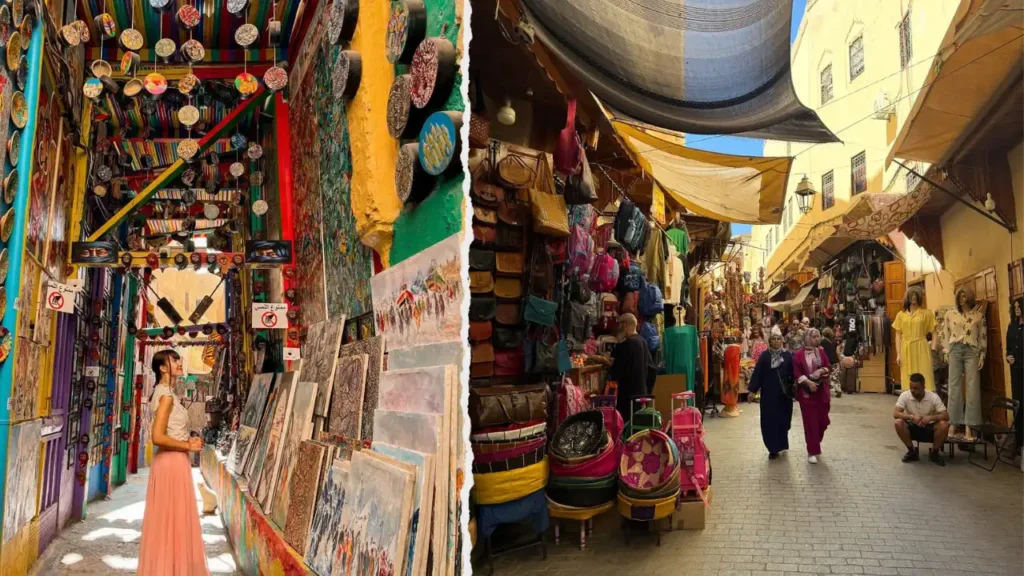
If your travel to Morocco in January includes a stop in the imperial cities, you are in for a treat that most summer travelers miss: the winter sales (les soldes). In the modern districts like Gueliz in Marrakech or the Maarif in Casablanca, European and Moroccan brands offer significant discounts during this month.
However, the real treasures are found in the specialized artisan quarters:
- The Wool Market: Winter is the best time to buy heavy, hand-woven Berber blankets and Djellabas (traditional long robes). The quality is peak, and the variety of wool patterns from the Middle Atlas is stunning.
- Leather Goods: Because January is a quieter month for the tanneries in Fes, you can often negotiate better prices for high-quality leather bags and jackets. The soft winter light also makes it easier to inspect the natural dyes without the glare of the summer sun.
Adventure in the Anti-Atlas
While the High Atlas Mountains are often covered in snow, perfect for skiing, the Anti-Atlas range near Tafraoute offers a different winter allure. If you prefer hiking over skiing, this is the region for you.
The temperatures here in January hover around a comfortable 20°C, making it ideal for exploring the “Painted Rocks” or trekking through the Ameln Valley. The almond trees in this region also begin their early bloom in late January, dotting the rugged, pink-granite landscape with delicate white and pink flowers. It is a photographer’s dream and a peaceful alternative to the busier northern routes.
Coastal Serenity and Winter Swells
For those who associate the beach with summer, the Moroccan coast in January might surprise you. Towns like Taghazout and Imsouane are world-renowned winter surfing hubs. The Atlantic produces its most consistent swells during this time, drawing professional surfers from across the globe.
Even if you aren’t a surfer, the coastal vibe in January is uniquely tranquil. You can enjoy:
- Horseback riding on the beach: The shores of Essaouira are wide and quiet, perfect for a sunset gallop.
- Seafood in the Port: The lack of crowds means you can get the best “catch of the day” in Essaouira’s port without waiting for a table. The brisk sea breeze makes a bowl of spicy fish soup taste better than ever.
Practical Packing for the Desert
When you travel to Morocco in January, the Sahara requires a specific strategy. A common mistake is packing only light clothing. Remember the desert rule: The desert is a cold country where the sun is hot.
- For the Day: Light trousers and a long-sleeve linen shirt to protect from the sun.
- For the Night: A high-quality down jacket and thermal layers. Most luxury desert camps provide heavy wool blankets, but having your own thermals ensures a cozy night under the brightest stars you’ll ever see.
Navigating the Imperial Cities Without the Heat
One of the greatest advantages when you travel to Morocco in January is the ability to explore the labyrinthine medinas of Fes and Marrakech without the physical exhaustion brought on by the summer sun. In August, the narrow stone alleyways trap heat, but in January, they act as cool, refreshing corridors.
- Fes El Bali: Exploring the world’s largest car-free urban space is much more manageable in 18°C weather. You can spend hours watching the artisans in the copper souks or visiting the Al-Attarine Madrasa without feeling drained.
- Volubilis: If you venture toward the Roman ruins near Moulay Idriss, January offers a lush, green backdrop. The surrounding hills are vibrant after the winter rains, providing a stunning contrast to the ancient mosaics that aren’t bleached by harsh summer light.
January Flora: The Early Bloom
While much of Europe and North America is frozen, parts of Morocco begin to wake up in late January. This is particularly true in the Dadès Valley and the Drâa Valley.
The palm groves (Palmeraies) remain a deep, stubborn green against the red clay earth, but it is the almond blossoms that steal the show. In the southern valleys, these trees begin to flower in the final week of January. This “winter spring” creates a surreal landscape where you can see snow on the distant peaks of the High Atlas while walking through a valley of blossoming pink trees. It is a fleeting window of beauty that only those who travel to Morocco in January get to witness.
Photography Tips: The Golden Winter Light
For photographers, January is arguably the best month to capture the “Red City.” In the summer, the sun is directly overhead, creating harsh shadows and “washing out” the vibrant ochre and terracotta hues of the architecture.
In January, the sun sits lower on the horizon all day. This creates:
- Longer “Golden Hours”: The soft, warm light lasts much longer in the morning and afternoon.
- Atmospheric Haze: The slight morning mist over the Koutoubia Mosque or the Atlas foothills adds a layer of depth and mystery to your landscape shots.
- Color Saturation: The winter rains wash the dust from the air and the buildings, making the blues of the Majorelle Garden and the greens of the tiles (Zellij) appear much more saturated and “true” in your photos.
Birdwatching and Natural Migration
January is a critical month for nature lovers. The wetlands of the Souss-Massa National Park become a sanctuary for migratory birds escaping the European freeze.
If you travel toward the coast, you can spot the rare Northern Bald Ibis, flamingos, and various species of herons. The lagoons near Oualidia are also teeming with life this month. Because there are fewer tourists, the birds are less skittish, allowing for closer observation in their natural, tranquil habitats.
The Warmth of the “Berber Whiskey”
While alcohol is available in many hotels and restaurants, the true “national drink” is Moroccan Mint Tea, affectionately called “Berber Whiskey.” In the summer, it’s a refreshing ritual; in January, it is a survival tool.
When you travel to Morocco in January, you will notice the tea is often prepared differently. In the colder mountain regions, it’s common to find “Sheba” (Wormwood) added to the pot alongside the mint. Sheba is known for its warming properties and a slightly more bitter, medicinal fragrance that is incredibly soothing on a frosty January evening. Joining a local family or a shopkeeper for a glass of tea isn’t just a polite gesture; it’s the best way to defrost your hands and hear stories of the local winter traditions.
The Sahara in January: A Symphony of Silence and Stars
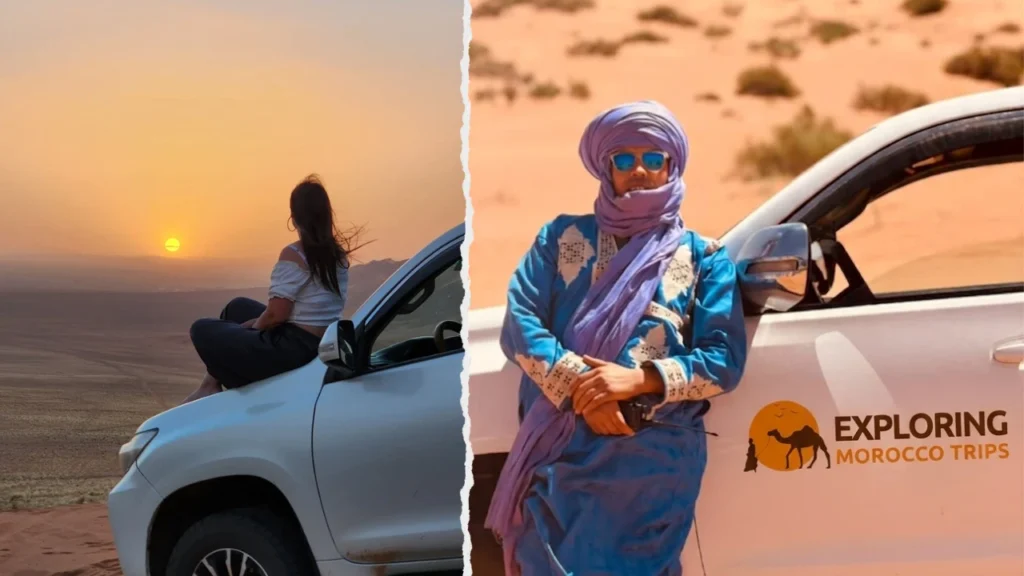
If you are planning to travel to Morocco in January, the Sahara Desert is likely at the top of your list. While many fear the winter cold, visiting the dunes of Merzouga (Erg Chebbi) or Zagora (Erg Chigaga) during this month offers a clarity of light and a profound silence that is lost during the busy spring and autumn months.
The Daytime Magic: Perfect Trekking Weather
In the summer, walking across the dunes is limited to a few minutes at sunrise before the sand becomes scorching. In January, the sun is a gentle companion. You can embark on a camel trek at midday or hike to the top of the highest dunes without breaking a sweat. The sand feels firm and cool underfoot, and the “Great Sea of Sand” takes on a deep, burnt-orange hue that is incredibly vivid against the crisp, cloudless blue sky.
The Nighttime Transformation
The desert is a place of extremes, and a January night is the ultimate testament to this. As soon as the sun dips below the horizon, the temperature drops rapidly. This is when the true Sahara experience begins:
- The Campfire Ritual: Nights are spent gathered around a roaring fire at your desert camp. This is the heart of Berber hospitality, where the sound of traditional drums (Gnaoua influence) and nomadic songs fill the cold air.
- The Crystal-Clear Sky: Because cold air holds less moisture, the sky in January is the clearest it will be all year. The stars don’t just twinkle; they glow. You can see the constellations with startling precision, and the lack of “heat haze” makes it a premier destination for long-exposure astrophotography.
Off-the-Beaten-Path: The Oasis Life in Winter
When you travel to Morocco in January, the palm groves (Palmeraies) of the south, such as the Tafilalet Oasis, offer a lush sanctuary. While the rest of the world is gray, these oases remain a vibrant green.
In January, you can witness the traditional irrigation systems (Khettaras) being maintained. Since the demand for water is lower than in the summer, the canals are full, and the sound of running water through the ancient mud-brick villages creates a peaceful atmosphere. It is the best time to walk through the shaded paths, meeting local farmers who are harvesting winter vegetables under the protective canopy of the date palms.
The Benefit of Private Transport
Navigating the route to the desert in the winter requires a bit more planning. The trip from Marrakech to the Sahara takes you over the Tizi n’Tichka pass in the High Atlas. In January, this pass can occasionally see snow.
Choosing a tour that utilizes sturdy, modern vehicles, like a well-maintained SUV or a comfortable minibus, is essential for safety and comfort. Having a driver who understands the winter mountain roads allows you to relax and focus on the scenery, which changes from snow-capped peaks to red-rock canyons and finally to the golden dunes, all in a single day’s drive.
What to Wear in Morocco Desert
To enjoy the Sahara when you travel to Morocco in January, your wardrobe needs to be tactical:
- The Cheich (Nomadic Turban): More than just a souvenir, a long cotton scarf wrapped around your head and neck provides essential warmth against the biting desert wind.
- Thermal Base Layers: Wear them under your clothes for the sunset camel ride.
- Windbreaker/Heavy Fleece: The wind can pick up quickly in the open desert; a windproof outer layer is your best friend during the transition from day to night.
The desert in January isn’t just a destination; it’s a lesson in perspective. It’s about finding warmth in a glass of tea, a crackling fire, and the hospitality of the people who have called these sands home for centuries.
Frequently Asked Questions: Travel to Morocco in January
To help you finalize your plans, here are the most common questions travelers ask when preparing to travel to Morocco in January.
Is January a good time to visit Morocco?
Yes, especially if you prefer avoiding large crowds and the intense heat of the summer months. January is the “secret season” for savvy travelers. You’ll find the historical sites in Marrakech and Fes much quieter, and the crisp, clear air provides perfect visibility for mountain and desert views. It is also the most budget-friendly month for luxury riads and private tours.
Can you still visit the Sahara Desert in January?
Absolutely. In fact, many argue that the Sahara is better in January because the daytime temperatures (around 20°C) are perfect for exploring the dunes without the risk of heatstroke. However, you must be prepared for the nights, which can drop to near freezing ($0\text{°C}$ to $5\text{°C}$). As long as you stay in a camp with proper heating or heavy wool blankets, it is a magical experience.
Does it snow in Morocco during January?
Yes, but primarily in the High Atlas Mountains. You can see snow-capped peaks from the streets of Marrakech, and you can even go skiing at the Oukaïmeden resort. While snow rarely falls in the cities or the desert, it can occasionally affect the mountain passes like Tizi n’Tichka. If you are driving to the desert, always check the road status, as snow can sometimes cause temporary delays.
Are the swimming pools usable in January?
Most standard riad and hotel pools are not heated and will be too cold for swimming in January. If swimming is a priority for your trip, look specifically for high-end hotels that offer “heated year-round” pools or indoor climate-controlled spa pools. Alternatively, the Atlantic coast (like Agadir) is mild, but the ocean remains quite chilly.
Does the “desert chill” affect the camel trekking experience?
Actually, January is arguably the best time for camel trekking. Unlike the summer, where you are limited to a 30-minute window at dawn or dusk to avoid heat, January allows for midday treks. The camels are also more energetic in the cooler weather. Just ensure you wear a Cheich (traditional scarf) to protect against the crisp winter wind it’s a functional tool, not just a fashion accessory.
Why do Moroccans drink “Wormwood Tea” specifically in January?
While mint tea is the year-round staple, January is the season for Sheba (Wormwood). Locals switch to this herb because it is believed to have intense warming properties for the body. It has a more complex, slightly bitter aroma compared to mint. Asking for “Tea with Sheba” at a local cafe will immediately mark you as a seasoned traveler who respects local seasonal traditions.
Is the Atlantic coast too windy for sightseeing in the winter?
The “Chergui” (desert wind) is less common in January, but the Atlantic swells are at their peak. This makes coastal towns like Essaouira very dramatic. While you might not be sunbathing, the “winter mist” over the 18th-century ramparts creates a moody, cinematic atmosphere that is perfect for professional-grade photography.
How do I handle the “Riad Cold” without modern heating?
Many traditional Riads are architectural masterpieces designed to stay cool. In January, this means they can feel like refrigerators. A unique tip: ask your host for a “Bouillotte” (hot water bottle). Placing one of these at the foot of your bed 20 minutes before sleep is a time-honored local secret for staying cozy in a room with high, vaulted ceilings.
Will the January rains ruin my photography of the blue city?
Actually, the rain in Chefchaouen during January makes the blue pigment pop. Wet stones reflect the blue walls, creating a “double blue” effect that looks stunning on camera. Plus, the rain clears the dust, giving you the sharpest, most vibrant colors you can possibly get in the Rif Mountains.
Is there a specific winter etiquette I should follow?
In the winter, the “Hammam” is the center of social life. If you are invited to a local home, you might notice people wearing more layers indoors. It is polite to keep your shoes off (as always), but in January, many hosts will offer you “Babouche” (slippers) with wool lining. Accepting them is a sign of appreciating their hospitality and concern for your comfort.
Is it true that “indoor cold” is a bigger challenge than “outdoor cold”?
Surprisingly, yes. Moroccan architecture is brilliantly designed to stay cool during 40°C summers, which means stone walls, tiled floors, and high ceilings can feel like a refrigerator in January. Many traditional riads do not have central heating. Pro tip: Always pack a pair of thick wool socks or indoor slippers; the beautiful Zellij tile floors are freezing in the morning!
Can I go skiing and visit the desert in the same trip?
January is the only time this is possible. You can spend a morning skiing or snowboarding at Oukaïmeden (the highest ski resort in Africa) and, within a 7-8 hour drive, find yourself riding a camel into the sunset at the Erg Chebbi dunes. It is one of the few places on Earth where you can experience snow and sand in such close proximity.
Are the mountain passes dangerous in January?
The Tizi n’Tichka pass (connecting Marrakech to the desert) can occasionally close for a few hours if there is heavy snowfall. If you are traveling in January, it is vital to have a flexible itinerary. A private driver with a 4×4 is highly recommended during this month to navigate any unexpected slush or ice safely.
Why is the light in January considered “magical” for photography?
In the summer, the sun is directly overhead, creating harsh, flat shadows. In January, the sun stays lower on the horizon all day. This creates a soft, “golden hour” glow that lasts much longer, making the red walls of Marrakech and the golden dunes of the Sahara look incredibly vibrant without the “washout” effect of intense heat.
Conclusion: Why January is Morocco’s Best-Kept Secret
Travel to Morocco in January is far more than a simple off-season getaway; it is an invitation to see the kingdom in its most honest and breathtaking form. While the rest of the world is often retreatng indoors, Morocco opens up with crisp blue skies, snow-capped peaks, and a golden desert sun that warms the soul without the exhausting heat of summer.
From the aromatic steam of a neighborhood hammam to the rare sight of almond blossoms in the southern valleys, January offers a sensory depth that peak-season tourists simply miss. You get the quiet medinas, the vibrant colors of the “Blue City” after a fresh rain, and the unparalleled clarity of the Sahara’s night sky. It is a time for slow travel, authentic cultural exchanges over a steaming glass of Sheba tea, and the kind of serenity that only the Moroccan winter can provide.
The Best Way to Experience Morocco in January
Because of the unique logistical needs of winter, such as navigating the Tizi n’Tichka pass, finding the best heated riads, and timing your desert arrival for the perfect midday light, the most seamless way to visit is through a professional touch.
To truly unlock the magic of this season without the stress of changing mountain conditions or language barriers, we highly recommend you book Morocco tours with local experts. A private tour ensures you travel in modern, climate-controlled vehicles and gain access to the “insider” spots, from the best local Bissara stalls to the most authentic Amazigh New Year celebrations.
Don’t just visit Morocco, explore it the right way. Let a tailored itinerary take care of the details while you focus on the starlight over the dunes and the timeless warmth of Moroccan hospitality. Your winter adventure is waiting.